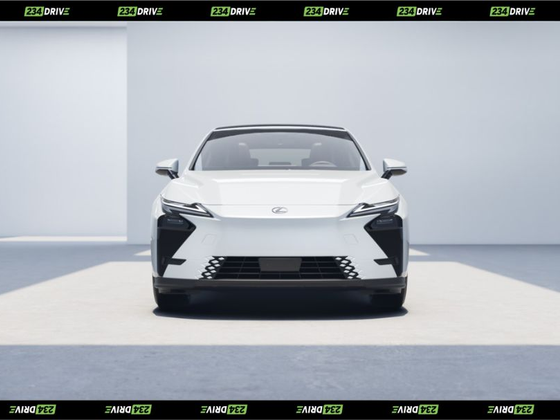

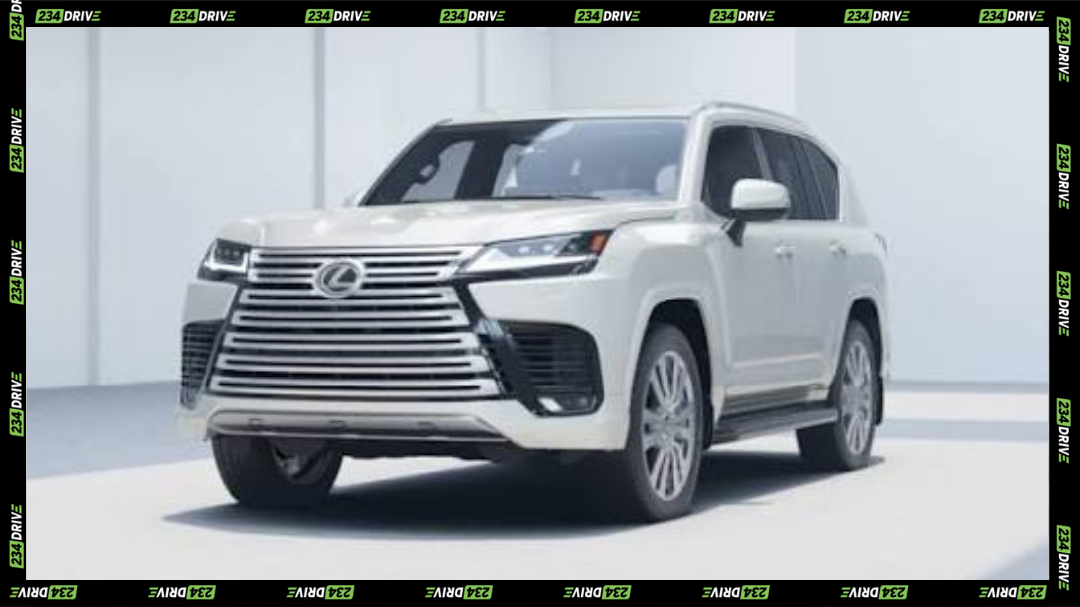
Observe any high-level political convoy gliding into the Aso Rock Villa or watch the executive fleets navigating the intense evening gridlock of Victoria Island and a distinct automotive pattern emerges. The heavy-duty luxury segment in Nigeria is undeniably dominated by Lexus. For over a decade, the previous LX 570 served as the default chariot for the Nigerian elite, prized for its sheer refusal to break down under extreme conditions. Now, the automotive landscape has evolved and the flagship has been fundamentally re-engineered.
The introduction of the Lexus LX 700h brings a highly sophisticated hybrid powertrain to a rigid architecture that fleet operators already trust implicitly. But navigating the Nigerian automotive market in mid-2026 requires far more than just immense capital. With volatile exchange rates, shifting import tariffs and petrol hovering around ₦1,300 per litre, purchasing a vehicle of this magnitude demands rigorous financial and mechanical analysis. The LX 700h is not simply a full-size luxury SUV—it is a calculated investment in indestructible refinement.
The Core Structural Engineering
To understand the enduring appeal of the LX 700h, you must look beneath the semi-aniline leather and wood trim. The vehicle is built on the advanced TNGA-F body-on-frame platform, sharing its core structural DNA with the Toyota Land Cruiser 300 series. This shared architecture is the primary selling point for the African market. Unibody European rivals like the BMW X7 or Range Rover offer spectacular driving dynamics on pristine tarmac, but the body-on-frame construction of the Lexus absorbs the brutal, sudden impacts of broken Nigerian roads with unmatched resilience.
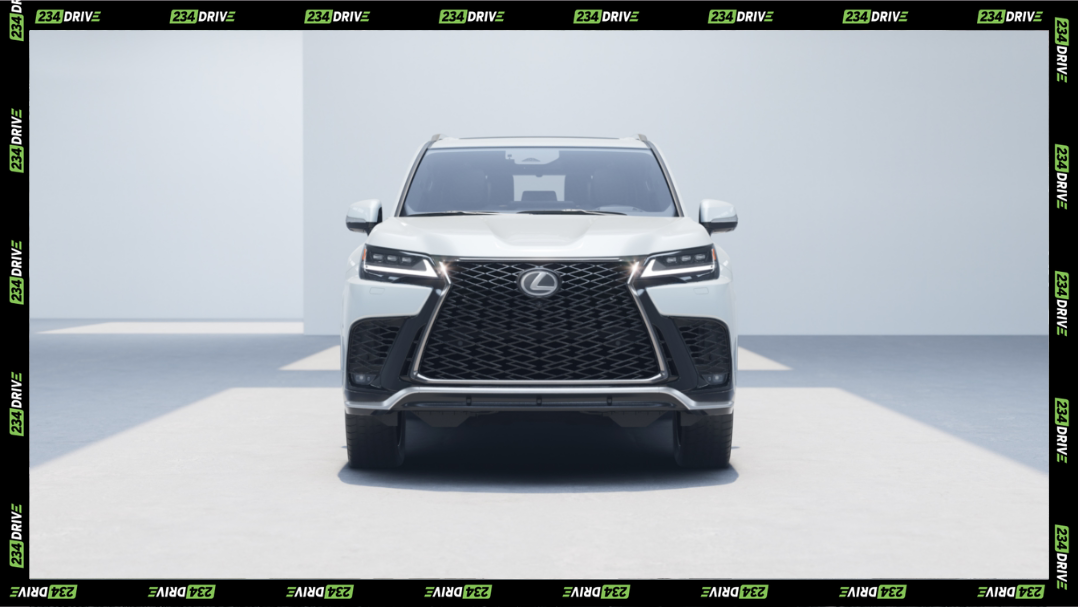
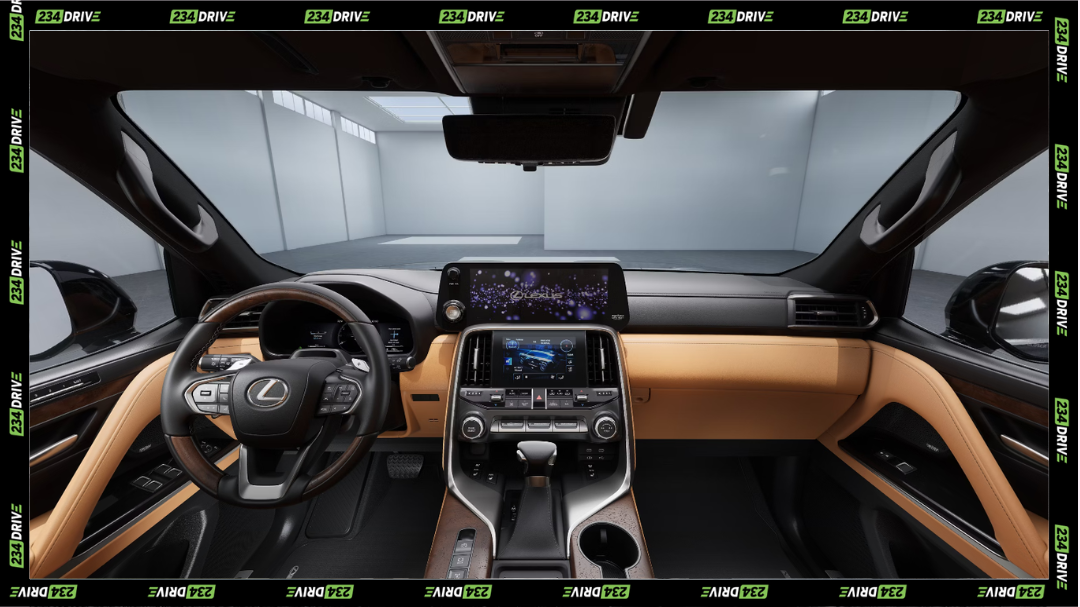
For the 2026 model year, the LX 700h replaces the traditional V8 with a 3.4-litre twin-turbocharged V6 engine mated to a powerful electric motor and a nickel-metal hydride battery pack. This highly calibrated system produces a combined 457 horsepower and a staggering 583 pound-feet of torque. It channels this immense power through a seamless 10-speed automatic transmission and a full-time four-wheel-drive system. The result is a heavy, armoured-ready vehicle that can accelerate from zero to 60 miles per hour in roughly 5.6 to 6.4 seconds.
Crucially, Lexus retained its signature Adaptive Height Control (AHC) system. Unlike the delicate air suspension systems found in German competitors that frequently fail under the stress of African heat and fine laterite dust, this hydraulic system is notoriously robust. It allows the driver’s security detail to instantly raise the vehicle to clear deep floodwaters on the Lekki-Epe Expressway and lower it for high-speed stability on intercity routes.
The Reality of Nigerian Pricing
Acquiring this level of engineering in mid-2026 demands a staggering financial outlay. The era of relatively accessible luxury imports is definitively over.
In the United States, the manufacturer’s suggested retail price for an LX 700h ranges from roughly ₦145.5 million ($107,000) to ₦193.8 million ($142,500) depending on the selected trim level. However, translating those figures to the Nigerian reality requires accounting for aggressive logistics, severe currency devaluation and heavy taxation.
With the exchange rate sitting firmly between ₦1,360 and ₦1,390 to the US Dollar in August 2026, brand new 2025 examples and 2026 models currently land in Nigeria with listing prices ranging from ₦295 million to over ₦400 million once fully cleared. This astronomical leap from the overseas sticker price is driven directly by recent import policy changes initiated by the federal government.
While authorities recently reduced the baseline customs duty on new vehicle imports to roughly 10% and lowered the National Automotive Council (NAC) levy, they simultaneously introduced a stringent Green Tax Surcharge. Because the LX 700h utilises a 3.4-litre engine, it falls into the 2% surcharge bracket designed specifically for engines displacing between 2,000 and 3,999 cubic centimetres. When you compound this environmental tax with a 7.5% Value Added Tax, port handling charges, shipping insurance and the clearing agent’s margin, the landed cost easily doubles the original purchase price.
Navigating the Hybrid Paradigm
For many Nigerian fleet managers, the word ‘hybrid’ triggers immediate anxiety regarding complex maintenance and long-term battery degradation. The LX 700h mitigates these valid concerns through intelligent engineering fail-safes.
The nickel-metal hydride battery chemistry is a proven, durable technology that Toyota and Lexus have refined globally over two decades. More importantly, the LX 700h features a standard independent starter and alternator. If the hybrid electrical system experiences a critical failure while the vehicle is navigating a remote northern highway, the SUV will not leave its occupants stranded. It is designed to operate entirely on the internal combustion engine to ensure the vehicle reaches safety. This redundancy is absolutely vital for VIP security protocols.
Furthermore, sourcing and servicing these complex vehicles has become significantly more streamlined. While many buyers rely on private parallel luxury importers in high-end districts, an authorised Lexus dealership like Globe Motors offers dedicated showrooms and service centres in Victoria Island, Abuja and Port Harcourt. Purchasing through official channels guarantees access to genuine OEM parts and technicians who are actually trained to handle high-voltage hybrid architectures.
Fuel Economics and Trim Selection
In a macroeconomic environment where Premium Motor Spirit (PMS) costs between ₦1,200 and ₦1,300 per litre, fuel consumption is a factor even for billionaires. The hybrid powertrain offers an official combined rating of 20 miles per gallon. While real-world Lagos traffic will undoubtedly push this efficiency figure lower, the electric motor provides crucial fuel savings during low-speed crawling and idle hours in gridlock. It represents a modest efficiency gain over the standard non-hybrid LX 600, but the true benefit is the buttery smooth, instant torque delivery when accelerating from a standstill.
When configuring the vehicle, buyers face distinct philosophical choices regarding how the SUV will be used. The Ultra Luxury trim is the definitive executive transport. It removes the third row entirely to provide two massive, massaging captain’s chairs in the rear, creating an acoustic environment that rivals a private jet cabin.
Conversely, the hybrid-exclusive Overtrail trim is engineered specifically for rugged capability. It features 18-inch wheels wrapped in thick 33-inch all-terrain tyres, a tougher visual aesthetic and locking differentials. This makes the Overtrail the superior choice for buyers who frequently travel to rural agricultural projects, mining sites or states with severely degraded infrastructure.
The Ultimate Mobility Asset
The Lexus LX 700h does not attempt to out-handle a Porsche Cayenne on a track or match the flamboyant street presence of a Mercedes-Benz G-Wagon. It exists to solve a very specific mechanical problem: moving high-net-worth individuals across unpredictable, hostile African terrain with zero drama and absolute comfort.
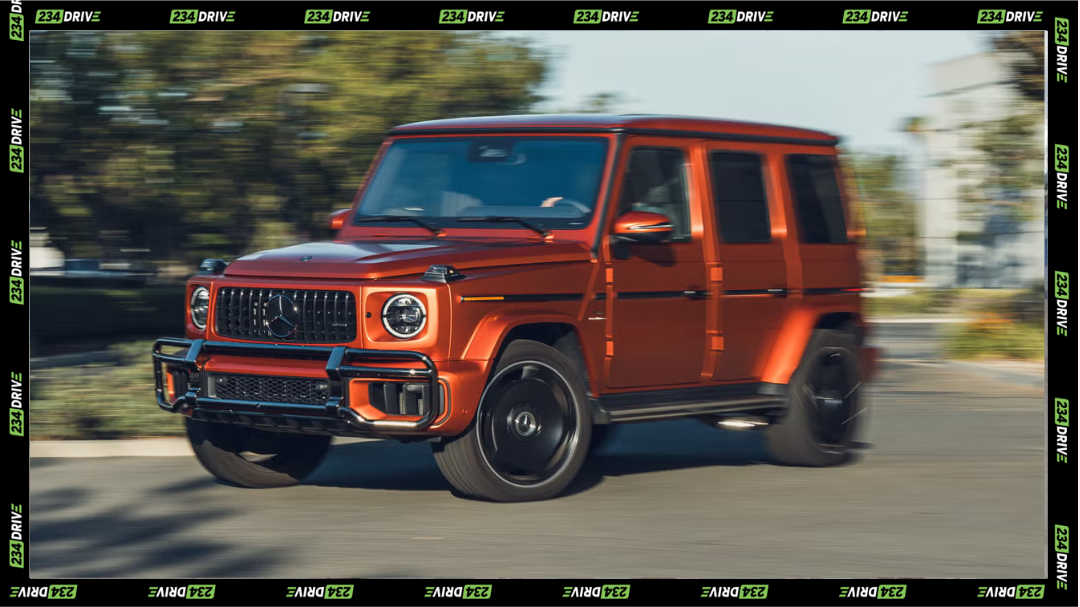
It demands a massive upfront capital investment, but it repays that investment by refusing to break down and holding its residual value better than any European competitor. In a market where true reliability is the ultimate luxury, the flagship Lexus remains the most logical, resilient and commanding vehicle you can buy in Nigeria today.