
Travelling from Nigeria’s federal capital, Abuja, to the historic coastal city of Calabar is a journey that bridges the gap between the administrative heart of the nation and its premier tourism hub. Whether you are heading to “Canaan City” for business, a family visit, or to experience the world-famous Carnival Calabar, flying remains the most efficient and comfortable way to make the trip.
This guide provides a comprehensive breakdown of how to book, where to go, and what to expect on your flight from Abuja (ABV) to Calabar (CBQ).
Route Overview
The flight from Nnamdi Azikiwe International Airport (ABV) in Abuja to Margaret Ekpo International Airport (CBQ) in Calabar covers approximately 467 kilometres (290 miles). By road, this journey can take anywhere from 9 to 12 hours depending on traffic and road conditions. By air, however, the travel time is slashed to a mere 1 hour and 15 minutes.
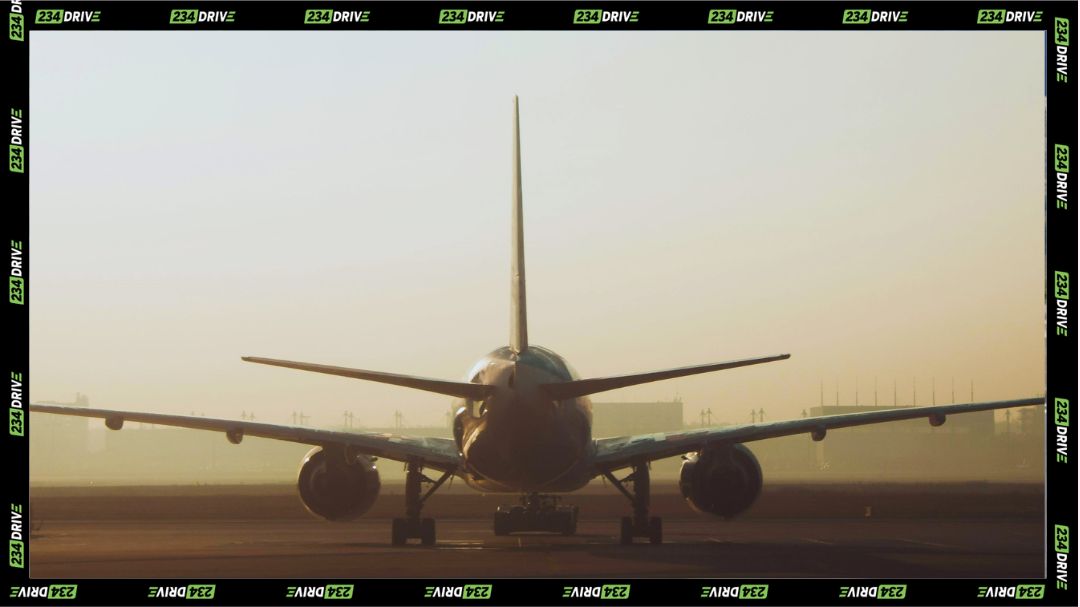
As of early 2026, this remains one of the most active domestic routes in Nigeria.
Where to Book
Several domestic carriers operate this route. To ensure the best experience, it is advisable to book directly through the official websites of these airlines or through reputable travel aggregators.
Primary Airlines
- Ibom Air (QI): Widely regarded as one of Nigeria’s most punctual and reliable airlines. They typically operate daily flights from Abuja to Calabar. Their fleet is modern, and they are known for offering a new and improved experience in domestic aviation.
- ValueJet (VK): A newer entrant that has quickly gained popularity for offering competitive pricing. They provide daily services and often have the most attractive “saver” fares for those booking in advance.
- Aero Contractors (N2): One of Nigeria’s oldest aviation brands. They typically operate scheduled flights about three times a week (usually Mondays, Wednesdays, and Fridays), often serving as a reliable budget alternative.
Booking Platforms and Aggregators
If you want to compare prices across different airlines, the following platforms are highly recommended:
- Google Flights: Excellent for tracking price trends and setting alerts.
- Skyscanner: Ideal for finding the cheapest flight deals across a wide range of dates.
- Wakanow or Travelstart: Local Nigerian travel agencies that are well-integrated with domestic payment systems and understand the local market.
How to Book
Booking a domestic flight in Nigeria is straightforward, but following these steps can save you both money and stress.
Step 1: Book in Advance
For the best rates, aim to book at least two to four weeks before your departure date. Last-minute tickets on this route can be significantly more expensive, especially during peak periods like December.
Step 2: Use Official Websites
While aggregators are great for comparison, booking directly on the airline’s website (e.g., ibomair.com or flyvaluejet.com) often ensures easier management of your booking and direct communication in case of flight rescheduling.
Step 3: Payment Methods
Most Nigerian airlines accept:
- Naira Debit/Credit Cards: (Mastercard, Visa, Verve).
- Bank Transfers: Often facilitated through systems like Flutterwave or Paystack.
- USSD Codes: Some airlines allow you to initiate booking online and complete payment via your bank’s USSD service.
Step 4: Check Baggage Allowances
Standard domestic allowances usually include:
- Carry-on: 7kg to 10kg.
- Checked Luggage: 20kg to 23kg.
Always verify this during the booking process, as “Economy Saver” tickets might have more restrictive baggage rules.
Estimated Costs: Budgeting for Your Trip
Flight prices in Nigeria are subject to fluctuations based on fuel costs, exchange rates, and seasonal demand. You can use tools like Expedia’s flight search to get real-time price updates for your specific dates.
One-Way Tickets
- Value/Saver Fares: Starting from ₦85,000 ($63).
- Standard Economy: Typically ranges between ₦112,000 ($80) and ₦162,000 ($120).
- Last Minute/Peak: Can rise to ₦270,000 ($200) or more.
Round-Trip Tickets
- Average Cost: You should budget between ₦202,000 ($150) and ₦340,000 ($250) for a return trip.
- Peak Season (December): Expect prices to exceed ₦432,000 ($321) if not booked months in advance.
Airport Logistics: What to Expect
Departing from Abuja (ABV)
The Nnamdi Azikiwe International Airport is located about 26km west of the city centre.
- Arrival Time: Arrive at least 2 hours before your scheduled departure. Domestic check-in counters usually close 45 minutes before takeoff.
- Security: Be prepared for standard security screenings. Ensure you have a valid form of identification (National ID card, International Passport, Driver’s Licence, or Voter’s Card).
Arriving in Calabar (CBQ)
Margaret Ekpo International Airport is conveniently located just 3km from the heart of Calabar.
- Transport from Airport: Taxis are readily available outside the arrivals hall. Ride-hailing apps like Bolt operate in Calabar and are often the most transparent way to secure a ride. A trip to the city centre should cost roughly ₦3,000 to ₦5,000.
Travel Tips and Seasonal Advice
The Best Time to Visit
- The Festival Period: If you are visiting for the Calabar Carnival, you must book your flights for December as early as August or September. Flights during the last two weeks of December are notoriously difficult to secure and very expensive.
- The Rainy Season: Calabar is one of Nigeria’s wettest cities. The heaviest rains occur between May and October. While flights generally operate normally, be prepared for occasional delays due to visibility issues.
Safety and Health
- Identification: No passport is required for this domestic flight for Nigerian citizens, but you must have a government-issued photo ID.
- Night Travel: It is always safer to book morning or afternoon flights to ensure you arrive in Calabar while it is still daylight, making local transit to your hotel much smoother.
Alternative Travel Methods
While flying is the focus of this guide, it is worth noting the alternatives for those on a tighter budget. You can compare the Abuja to Calabar travel options to see how the bus or driving stacks up against flying for your specific needs.
By Road (Bus)
Several reputable transport companies like ABC Transport, God is Good Motors (GIGM), and Big Joe Motors operate the Abuja to Calabar route.
- Duration: 11 to 12 hours.
- Cost: Approximately ₦42,000 to ₦77,000.
- Pros: Significantly cheaper; allows you to see the Nigerian landscape.
- Cons: Extremely tiring; potential security concerns on certain road stretches; road conditions can be unpredictable.
By Private Vehicle
If driving yourself, the journey is roughly 585km.
- Fuel Cost: Budget approximately ₦32,200 to ₦44,800 for fuel, depending on your vehicle’s efficiency.
- Recommendation: Only recommended for experienced drivers who are familiar with the route and have a well-maintained vehicle.
Summary Comparison Table
| Feature | Flight | Bus | Private Car |
| Duration | 1h 15m | 11–12h | 9–10h |
| Cost (One-Way) | ₦90,000 | ₦42,000 | ₦32,200 (Fuel) |
| Comfort Level | High | Low to Medium | Medium |
| Best For | Business & Tourism | Budget Travellers | Groups/Adventure |
Final Thoughts
Flying from Abuja to Calabar is a seamless experience if planned correctly. By choosing reliable airlines like Ibom Air or ValueJet and booking a few weeks in advance, you can enjoy a quick and comfortable transition from the hills of Abuja to the lush, green surroundings of Calabar. Remember to always double-check your flight status on the day of travel, as operational changes are common in the aviation industry.
Safe travels to the People’s Paradise!