
Source: Columbia Edu
When the United States joined Israel in striking targets inside Iran in late February 2026, most travellers weren’t thinking about geopolitics—they were thinking about getting home. Few expected the fallout to reach airport terminals and departure boards so quickly. Almost overnight, what felt distant turned personal.
Airports from Dubai to Doha slowed to a standstill. Flights were cancelled, rerouted or held back entirely. Transit hubs filled with passengers waiting for updates that kept changing. Governments have stepped in with advisories, temporary shelter arrangements and evacuation plans. Still, even with how much they matter, this isn’t just about stranded travellers. The bigger disruption is movement itself—planes grounded, shipping routes under pressure, and oil flows at risk. When conflict expands, it doesn’t just redraw maps. It slows—and sometimes freezes—the movement of people, goods and energy around the world.
Airspace Shock: Flights, Airlines & Stranded Passengers
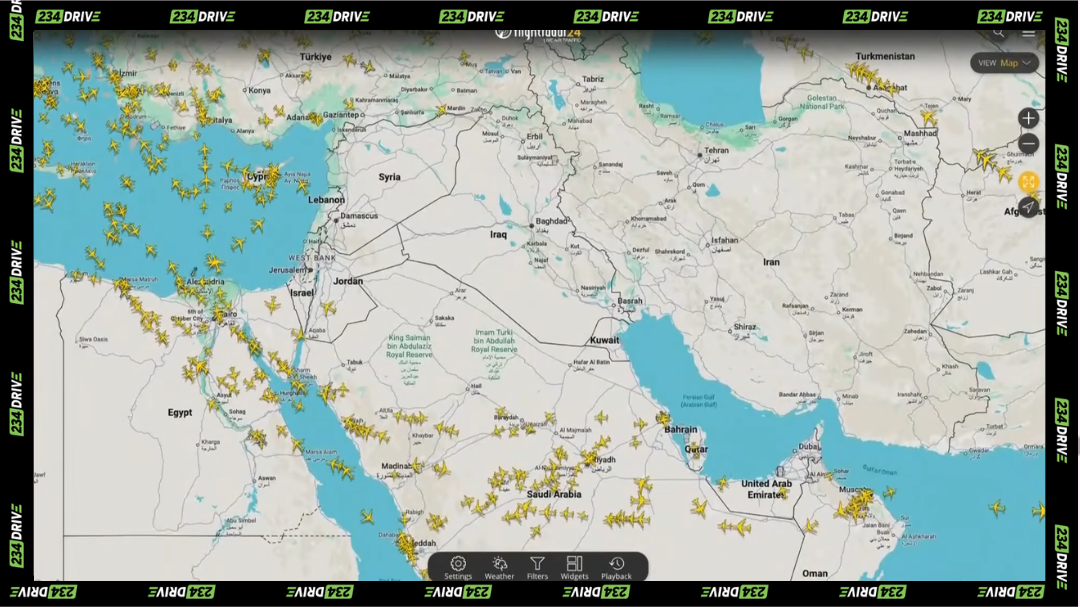
Flight diversions across the Middle East airspace | Source: Associated Press
Iran, Israel, Qatar, the United Arab Emirates (UAE), Iraq, Kuwait, Bahrain, Syria and Jordan all moved to close or restrict their airspace as the conflict escalated. That one move sent immediate shockwaves through global aviation. Routes that usually cut across the Gulf and Eastern Mediterranean were forced to turn back, detour widely, or cancel altogether.
How Many Flights have Been Affected by Middle East Tensions?
On Sunday alone, more than 3,000 flights were cancelled; these spanned across seven major Middle Eastern airports. Key global hubs—Dubai (Emirates), Doha (Qatar Airways), and Abu Dhabi (Etihad)—suspended operations through at least March 2, slowing some of the busiest transit points in the world. In the UAE alone, It is estimated more than 20,000 passengers have been directly affected, with hundreds of thousands more disrupted globally as cancellations continue to ripple outward.
Airlines including Emirates, Qatar Airways, Etihad, El Al, Iran Air, British Airways, Virgin Atlantic, Lufthansa, Air India, Turkish Airlines, KLM, Delta and United have either suspended routes or rerouted flights. Longer detours mean more fuel burned, crews hitting legal work-hour limits, and aircraft ending up out of position—triggering further delays. Transit hubs like Dubai, Doha and Istanbul are now filled with stranded passengers waiting for clarity.
Maritime Pressure: Freight & Strategic Chokepoints
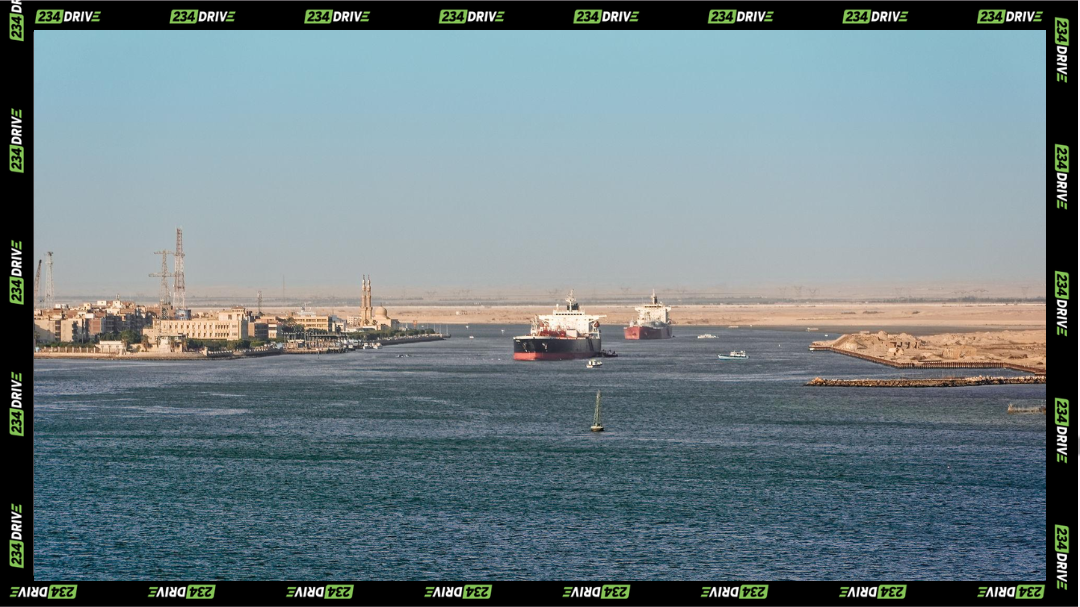
Freight ships moving through the Suez canal | Source: Dreamstime
The strain isn’t just in the air—it’s spreading across the sea. Major shipping companies like Maersk (the world’s second-largest container shipping company), Hapag-Lloyd, CMA CGM, and Mediterranean Shipping Company have stopped or changed routes after the strikes and rising tensions in the Gulf. Ships are no longer passing through the Strait of Hormuz for now, and many are avoiding the Suez Canal and Bab el-Mandeb route. Instead, ships are sailing around the Cape of Good Hope at the bottom of Africa—a much longer trip that costs more fuel, more time and more money.
What Happens If a Freight Ship Gets Caught in the Conflict?
If a commercial ship finds itself near active strikes or military activity, safety becomes the immediate focus. Authorities may direct vessels to change course, reduce speed, or head toward designated safe waters. Ports can temporarily deny entry, and nearby shipping lanes may close with little warning. Even without any direct damage, delays quickly become expensive. Crews may have to wait offshore, cargo timelines shift, and supply chains begin to feel the ripple effects days or even weeks later.
Insurance is another key factor. Ships operating in conflict zones are often placed under what’s known as “war risk” coverage. Insurers can raise premiums quickly when tensions rise, sometimes charging additional short-term fees for each voyage through higher-risk waters. In more serious scenarios, coverage terms may tighten, requiring shipowners to declare routes in advance or avoid certain corridors altogether.
All of this matters most in places like the Strait of Hormuz—the narrow passage that carries roughly one-fifth of the world’s oil—where even the possibility of disruption can ripple far beyond the region. That’s where the global energy picture becomes critical—especially for the countries most dependent on Gulf oil.
Energy Arteries: Oil Flows & Transport Economics
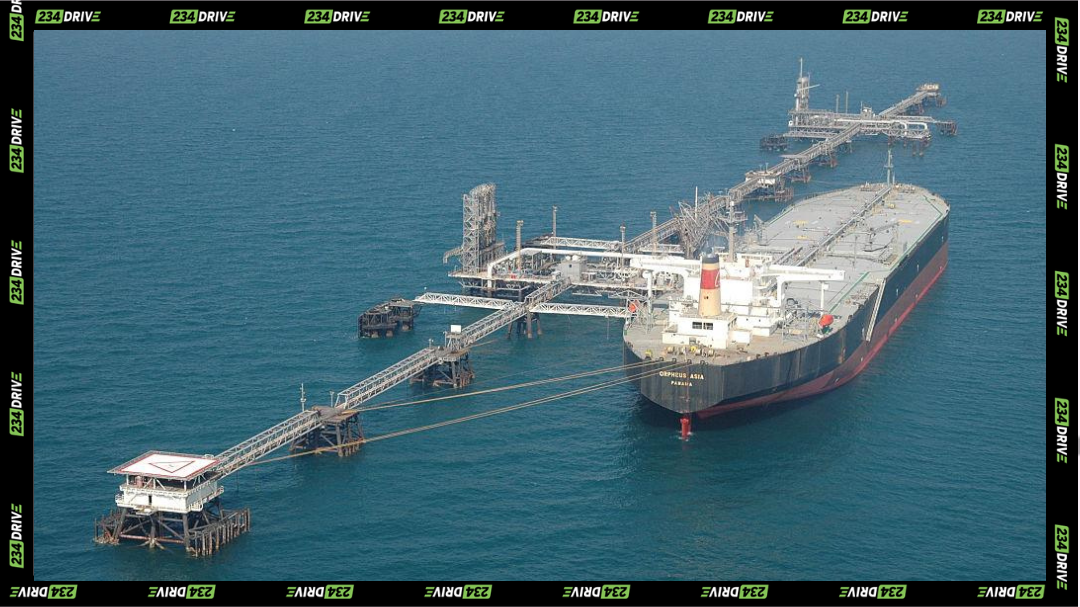
Iran-Oil-Operations-Persian-Gulf | Source: bloomberg
Fears of tanker attacks and growing security risks are already affecting oil prices—even before a single barrel is delayed.
The Middle East is still one of the world’s main oil supply hubs, and a large share of that oil passes through the Strait of Hormuz—about 15 to 20 million barrels a day, close to one-fifth of global supply.
Which Countries Would Be Hit Hardest by a Drop in Middle East Oil Supply?
Many major economies depend heavily on oil from the Middle East. According to data from the U.S. Energy Information Administration (EIA), countries such as China, India, Japan and South Korea source more than 20% of their crude imports from the region. China remains the single largest buyer of Gulf crude globally.
For some countries, the dependence runs much deeper. Official data from Japan’s Ministry of Economy, Trade and Industry, the Korea National Oil Corporation, and EIA country briefs show that Japan often sources more than 90% of its crude oil from the Middle East, while South Korea frequently imports 60% or more from the region.
India also relies heavily on Middle Eastern suppliers, with recent IEA and EIA country analyses indicating that the region regularly accounts for more than half of India’s crude imports. Similar ties bind several smaller Asian economies to Gulf producers.
This level of reliance helps explain why any disruption—or even the threat of disruption—in Gulf shipping routes can quickly affect energy prices far beyond the region.
When oil prices rise, the impact spreads fast. Countries that import crude pay more. Fuel companies and industries face higher costs, and much of that gets passed on. Petrol prices go up. Airlines pay more for jet fuel, so tickets can get more expensive. Shipping companies spend more on fuel, which can push up delivery costs.
Even if you live far from the region and never plan to travel there, you can still feel it—at the pump, in flight prices, and gradually in the cost of everyday goods. What happens in one narrow stretch of water can end up affecting household budgets around the world.