
The South African automotive landscape experienced a significant surge in activity during the opening weeks of March 2026, as three distinct manufacturers launched pivotal new models that highlight the market’s evolving priorities. From the high-end luxury of Lexus’s first dedicated electric vehicle to Citroën’s stylish and accessible SUV-coupé and the aggressive entry of the new premium Chinese brand Lepas, the industry is witnessing a unique convergence of electrification, value-driven competition and design innovation. These releases collectively signal a robust momentum in the passenger vehicle sector, catering to a range of consumers from high-income early adopters of green technology to young professionals seeking boutique styling at competitive price points.
Lexus South Africa has officially entered a new era of mobility with the local debut of the RZ, the brand’s first purpose-built battery-electric vehicle. Unlike previous models that shared platforms with internal combustion engines, the RZ is built from the ground up on a dedicated electric architecture, allowing for a lower centre of gravity and superior packaging. The line-up includes the RZ 500e in EX and SE grades, alongside the RZ 550e F Sport, with detailed pricing and features confirmed at the local premiere. All current models feature the DIRECT4 intelligent all-wheel-drive system, with the 550e F Sport delivering a combined output of 300 kW and a 0–100 km/h sprint time of roughly 4.4 seconds.
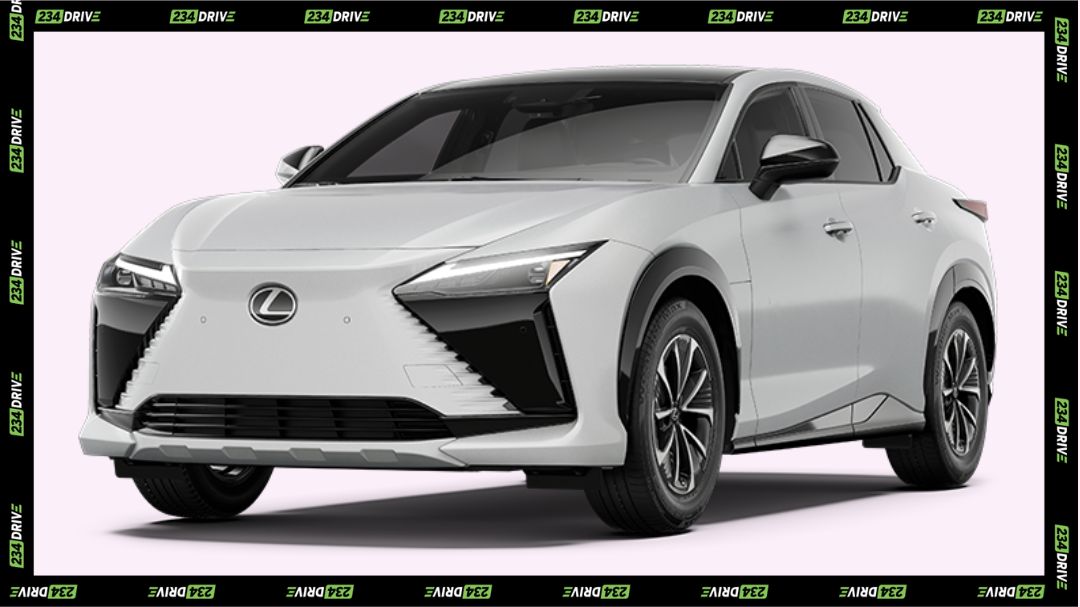
The technology within the Lexus RZ focuses heavily on driver engagement and cabin refinement. Unique features such as infrared radiant leg heaters, which consume significantly less energy than traditional climate control, and an optional yoke-style steering wheel with a quick-ratio steer-by-wire system, set it apart in the premium segment. Furthermore, the “Interactive Manual Drive” system uses artificial sound and torque mapping to simulate an eight-speed transmission, bridging the gap for traditional enthusiasts as highlighted in a comprehensive launch review of the vehicle’s driving dynamics. With a real-world range of approximately 400 kilometres and the ability to charge from 10 to 80 per cent in just 30 minutes via DC fast charging, the RZ is positioned as a refined benchmark for luxury buyers moving away from petrol.
In the more accessible B-segment, Citroën South Africa is expanding its footprint with the launch of the Basalt at the end of March 2026. This SUV-coupé is part of the global C-CUBED programme and aims to offer a “boutique” aesthetic for young professionals and growing families. Imported from Stellantis’ Indian plant, the Basalt is priced competitively following the reveal of exact launch pricing and derivatives. Both variants are powered by a 1.2-litre three-cylinder turbocharged engine producing 81 kW and 205 Nm, mated to a six-speed automatic transmission. With a 470-litre boot and 180 mm of ground clearance, the Basalt combines the presence of an SUV with the efficiency of a compact car, offering a stylish alternative to traditional hatchbacks.
Simultaneously, the South African market has welcomed Lepas, a new premium brand from the Chery Group designed to sit above its existing Omoda and Jaecoo marques. The first model to arrive is the L4 premium compact SUV, with the entry-level Amur priced at R299,900 and the mid-tier Javan at R369,900, as shown in the full pricing table published during the brand’s arrival. While the base model uses a naturally aspirated engine, the higher trims feature a 1.5-litre turbopetrol delivering 108 kW and up to 225 Nm of torque. Lepas is leveraging Chery’s extensive local dealer network to provide immediate after-sales support, including a 10-year or one-million-kilometre engine warranty for the first owner.
These diverse launches reflect a broader trend of economic stabilisation and shifting consumer behaviour in South Africa for 2026. While the Lexus RZ caters to the high-income “electrification divide,” the Citroën Basalt and Lepas L4 address the massive demand for value and styling in the middle-income market. Industry experts note that the success of these brands is increasingly tied to their ability to deliver genuine performance and quality at prices that undercut traditional European badges. As interest rates ease and vehicle inflation remains moderate, the arrival of these models ensures that South African motorists have more choice than ever before across the luxury, lifestyle and value sectors.