
The Toyota Wish remains a cornerstone of Kenyan mobility, even nearly a decade after its production ceased in Japan. Since its debut in 2003, this compact MPV has carved out a unique position in the local market, offering a blend of seven-seater practicality and fuel efficiency that few rivals can match. In 2026, the Wish continues to be a primary choice for growing families, school-run services and digital taxi operators who require more versatility than a standard sedan but wish to avoid the higher running costs of larger vans.
Despite the discontinuation of the model in October 2017, the second-generation Toyota Wish (AE20) dominates Kenyan roads as a robust secondary-market asset. Its public image is one of ‘calculated reliability’—a vehicle chosen by those who prioritise maintenance ease and high resale value. This guide provides a detailed breakdown of current market pricing, technical specifications and the practicalities of owning a Toyota Wish in the evolving Kenyan transport landscape.
The 2014–2017 Toyota Wish (Second Generation)
The exterior design of the second-generation Wish is characterised by its sleek, aerodynamic profile, which deviates from the boxy aesthetics of traditional MPVs. Its low-slung silhouette and swept-back headlamps give it a modern road presence that still feels relevant in 2026. Higher trim levels, such as the ‘S’ and ‘Z’ packages, often feature integrated body kits, sporty alloy wheels and fog lights that enhance its visual appeal, making it a ‘lifestyle’ vehicle rather than just a utilitarian mover.
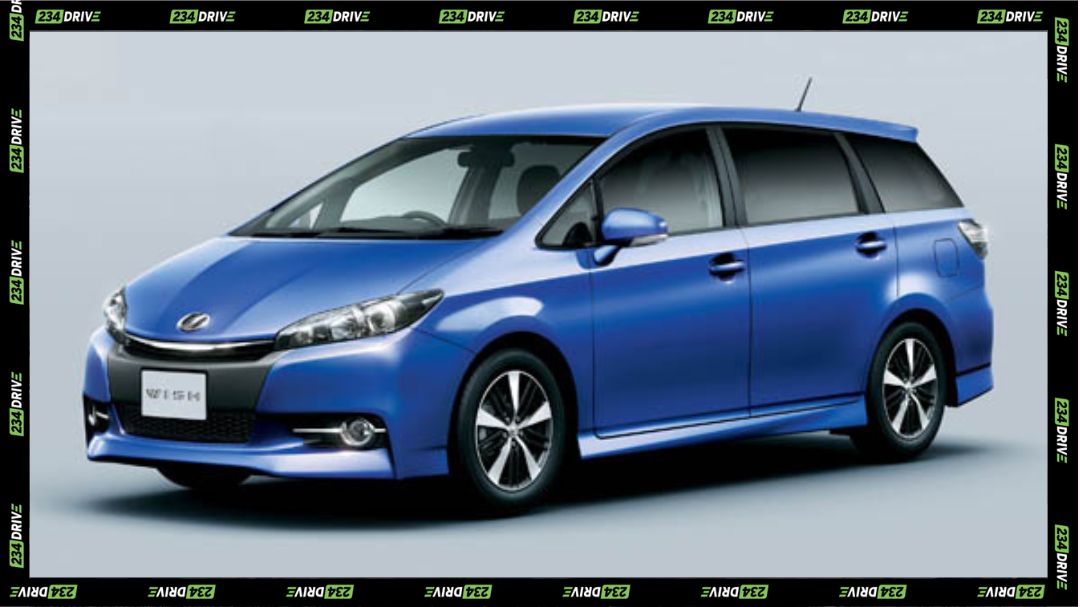
Under the bonnet, the most common variant is the 1.8-litre 2ZR-FAE Valvematic engine, producing approximately 144 hp and 176 Nm of torque. This is paired with a 7-speed Super CVT-i transmission, ensuring a smooth and fuel-efficient driving experience on both city streets and highways. Inside, the cabin offers a flexible 2-3-2 seating arrangement with a fold-flat third row, providing impressive cargo space. While the interior technology is dated by modern standards, the reliability of the infotainment systems and the durability of the upholstery remain significant selling points for those buying used cars in the local market.
Current Market Price: KSh 1,200,000 to KSh 2,800,000 (depending on year and mileage).
The 2009–2013 Toyota Wish (Early AE20)
These early second-generation models maintain the same basic chassis and design language but often come with more utilitarian finishes. The road presence is slightly more modest, usually lacking the aggressive bumpers of later years, but the build quality remains top-tier. Even after a decade on the road, these units typically exhibit minimal panel gaps and rattle-free cabins, a testament to Toyota’s JDM (Japanese Domestic Market) manufacturing standards which Kenyan buyers have come to trust.
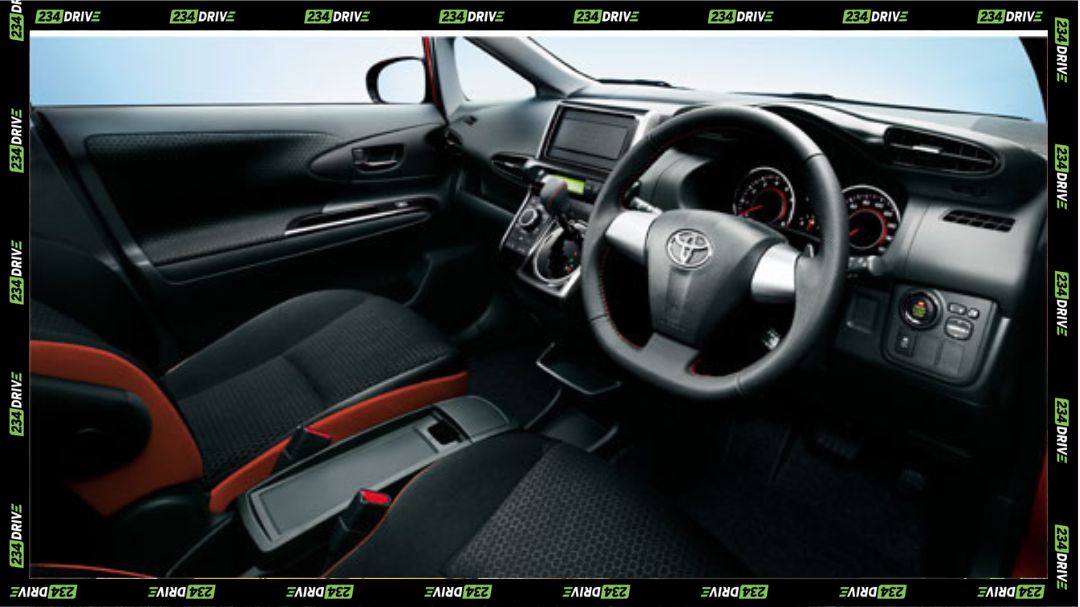
The interior of these models focuses heavily on ergonomics, with a dash-mounted gear lever that frees up floor space between the front seats. Performance remains steady with the 1.8L engine, though buyers should pay close attention to the CVT fluid history of these older units. While they lack the refined Valvematic systems found in post-2012 models, they are renowned for being exceptionally easy to repair, with affordable spare parts available in almost every major Kenyan town, from Nairobi to Kisumu.
Current Market Price: KSh 800,000 to KSh 1,400,000.
Relevance to the Kenyan Driving Environment
The Toyota Wish’s popularity in Kenya is a direct response to the country’s unique socio-economic conditions. In a region where multi-generational families often travel together, the seven-seat capacity is a non-negotiable asset. However, the Kenyan climate and terrain present specific challenges. The primary drawback of the Wish is its low ground clearance of approximately 155 mm. On Kenyan roads, characterised by aggressive speed bumps and occasional potholes, this requires drivers to be particularly cautious when fully loaded. It is common practice for Kenyan owners to ‘raise’ the suspension to better navigate these physical hurdles.
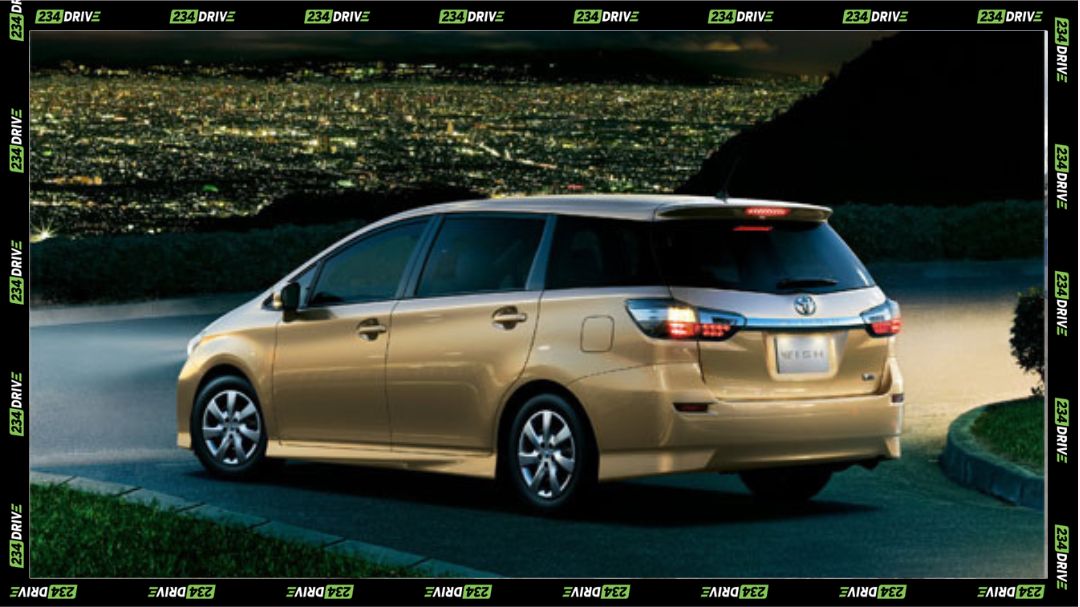
Furthermore, the vehicle’s suitability for the ‘Mobility Economy’ cannot be overstated. As fuel prices remain a significant concern for urban professionals, the Wish offers a middle ground between the fuel-thirsty Toyota Noah and the smaller Toyota Sienta. The availability of maintenance is another key factor; because the Wish shares many components with the ubiquitous Toyota Corolla and Fielder, mechanics across the country are intimately familiar with its architecture. However, buyers must be wary of the 8-year import rule which, in 2026, strictly limits fresh imports to vehicles manufactured from 2019 onwards—effectively making the Wish a ‘locally used’ or ‘older stock’ purchase.
Competitive Positioning and Market Rivals
When compared to its primary segment rival, the Honda Stream, the Toyota Wish holds a significant advantage in terms of resale value and parts availability. While the Stream is often praised for its superior driving dynamics and sportier handling, it suffers from a perception of being more ‘fragile’ in the Kenyan context. Maintenance costs for the Stream can be higher due to more complex suspension components and less common engine parts. In contrast, the Wish’s durability makes it a safer financial bet, with well-maintained units often retaining high value on local car listings even after three years of local use.
Other rivals like the Mazda Premacy and Subaru Exiga offer more power or all-wheel-drive capabilities but lack the sheer brand equity that Toyota commands in East Africa. The Premacy, while affordable, is often plagued by ‘vanishing’ spare parts and a faster depreciation rate. The Wish sits in the ‘sweet spot’ of the MPV segment—more prestigious than a Sienta but more economical than a Voxy. For the Kenyan buyer, the Wish isn’t just a car; it is a liquid asset that provides reliable service for years before being easily converted back into cash on the secondary market.
Conclusion
The Toyota Wish remains a testament to the fact that longevity and reliability are the ultimate luxuries in the African mobility space. Its key strengths—flexible seating, shared parts with the Corolla and exceptional fuel economy—far outweigh its shortcomings in ground clearance. Whether you are an urban professional navigating the daily traffic of Nairobi or a fleet owner moving passengers across borders, the Wish represents a sensible, high-value investment.
What has your experience been with the Toyota Wish on Kenyan roads? Do you think newer crossovers are finally catching up, or does the Wish still reign supreme for seven-seater value?