
The Mercedes-Benz C200 stands as the definitive aspiration for Kenya’s rising executive class and urban professionals. Occupying the ‘sweet spot’ of the luxury automotive segment, it balances the prestige of the three-pointed star with a footprint that is manageable in Nairobi’s dense traffic and a price point that remains (relatively) accessible compared to its larger E-Class and S-Class siblings. In 2026, the C200 is more than a vehicle; it is a mobile office and a statement of arrival in a market where vehicle prestige is a key component of professional identity.
The public image of the C200 in Kenya is one of ‘calculated luxury.’ It is the car chosen by those who value German engineering but are pragmatic enough to consider the high cost of fuel and the complexities of local maintenance. While the newer W206 generation introduces cutting-edge mild-hybrid technology, the pre-owned W205 remains a dominant force on the secondary market. This guide provides a deep-dive analysis into the costs, specifications, and ownership realities of the Mercedes-Benz C200 in the current Kenyan landscape.
The 2024–2026 Mercedes-Benz C200 (W206 Generation)
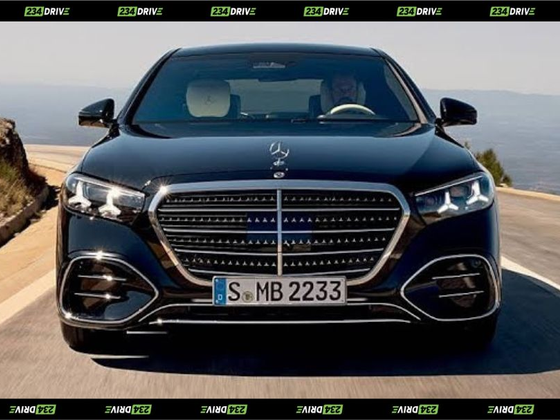
The exterior of the latest W206 C-Class is a masterclass in ‘Sensual Purity,’ featuring a cab-backward design that emphasises its rear-wheel-drive proportions. Its road presence is defined by a sleek, minimalist silhouette, a long bonnet and the iconic ‘shark nose’ front end. On Kenyan roads, the AMG Line variants are particularly popular, offering 18-inch or 19-inch light-alloy wheels and a more aggressive bumper treatment that gives the car a lower, sportier stance. Even while stationary, the W206 commands a level of respect that justifies its position at the top of the compact executive segment.
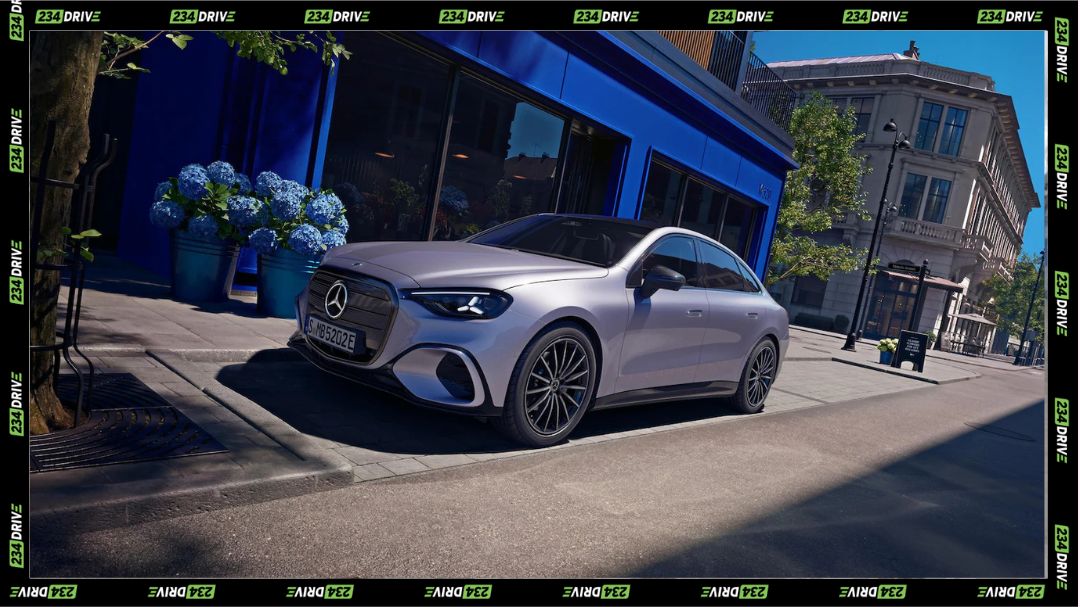
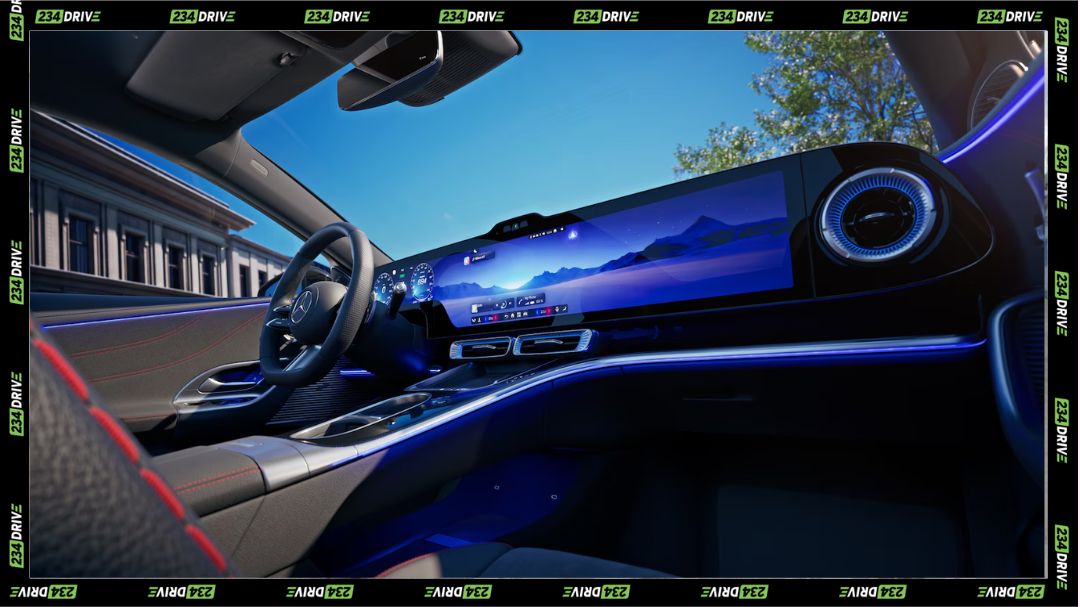
Inside, the C200 is a digital sanctuary, heavily influenced by the flagship S-Class. The centrepiece is a portrait-oriented 11.9-inch central touchscreen that tilts toward the driver, running the latest MBUX (Mercedes-Benz User Experience) system. Performance is handled by a 1.5-litre turbocharged 4-cylinder engine paired with an integrated starter-generator (mild hybrid), producing a combined 201 hp and 300 Nm of torque. This powertrain is specifically tuned for efficiency, achieving impressive fuel consumption of roughly 14–16 km/l on the highway, making it a surprisingly viable daily driver despite the April 2026 fuel price hikes.
Current Market Price: KSh 8,200,000 to KSh 12,100,000 (New via CFAO Mobility).
The 2015–2021 Mercedes-Benz C200 (W205 Generation)
The W205 generation remains the ‘volume king’ of the Mercedes-Benz lineup in Kenya. Its exterior design was the first to successfully shrink the S-Class aesthetic into a smaller package, featuring elegant curves and a stately road presence that has aged exceptionally well. In the used market, buyers often look for the 2.0-litre turbocharged petrol variants, which offer a robust 184 hp. These units are prized for their balance of power and reliability, though they lack the high-tech cabin refinement found in the newer models.
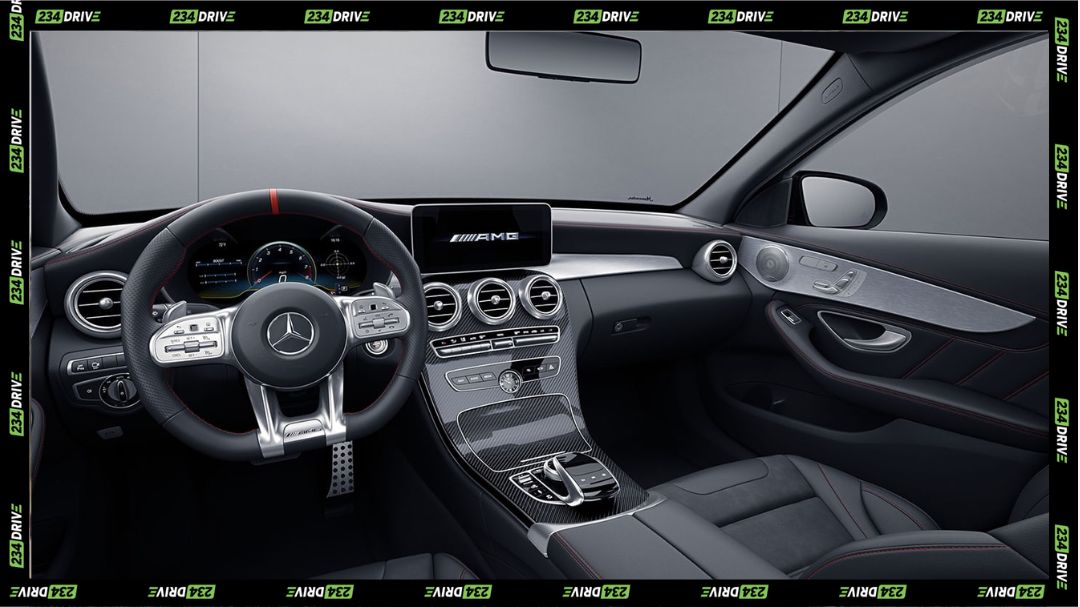
The interior of the W205 is characterised by a ‘waterfall’ centre console and high-quality tactile materials that have proven to be durable under the harsh Kenyan sun. While the infotainment screens are smaller and less integrated than the newer W206, the overall ergonomics remain world-class. For those buying used cars locally, the W205 represents the best value for money, offering a true Mercedes experience at a fraction of the new-car price. However, buyers should be diligent in checking the 9G-TRONIC transmission service history to ensure long-term reliability.
Current Market Price: KSh 2,700,000 to KSh 5,200,000 (Depending on year and mileage).
Relevance to the Kenyan Driving Environment
In 2026, owning a Mercedes-Benz C200 in Kenya requires a sophisticated approach to maintenance and logistics. The vehicle’s sophisticated electronics and sensors are sensitive to the dust and variable fuel quality found in certain regions. For the urban executive, the C200 is perfectly suited for the smooth tarmac of the Nairobi Expressway or Thika Road. However, its low ground clearance and ‘Agility Control’ suspension mean that owners must be selective about the routes they take, especially when navigating murram shortcuts or areas with high, non-standardised speed bumps.
Practical considerations also include the 8-year import rule, which in 2026 restricts fresh imports to models manufactured from 2019 onwards. This has created a vibrant market for ‘locally used’ W205 models and a premium for newer W206 imports. Maintenance is best handled by specialists who possess the XENTRY diagnostic tools required to communicate with the car’s complex modules. While service parts are available in Nairobi, body panels and specialised sensors can be expensive and may require shipping from Dubai or Germany, making comprehensive insurance a non-negotiable aspect of ownership.
Competitive Positioning and Market Rivals
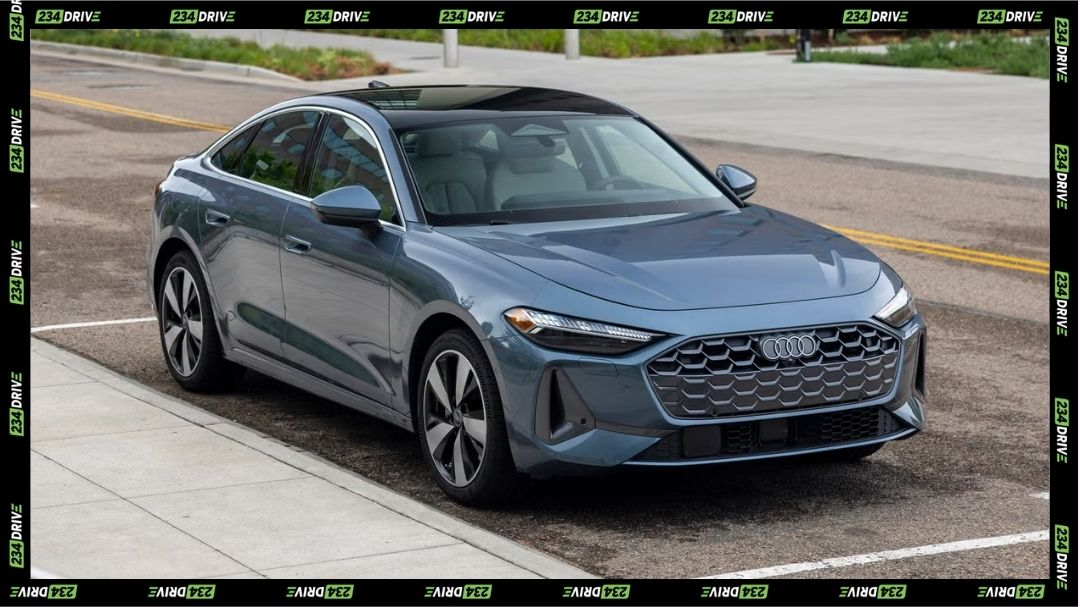
The Mercedes-Benz C200 faces its stiffest competition from the BMW 320i and the Audi A5. In the Kenyan market, the BMW 3 Series is often preferred by ‘driving enthusiasts’ who value its sharper handling and rear-wheel-drive engagement. However, the Mercedes consistently wins on ride comfort and brand prestige. The Audi A5, while offering a tech-forward interior and the security of Quattro all-wheel drive, lacks the widespread resale value and liquidity that the Mercedes commands. In Kenya, a Mercedes is often viewed as ‘money in the bank,’ whereas rivals can be more difficult to move on the secondary market.
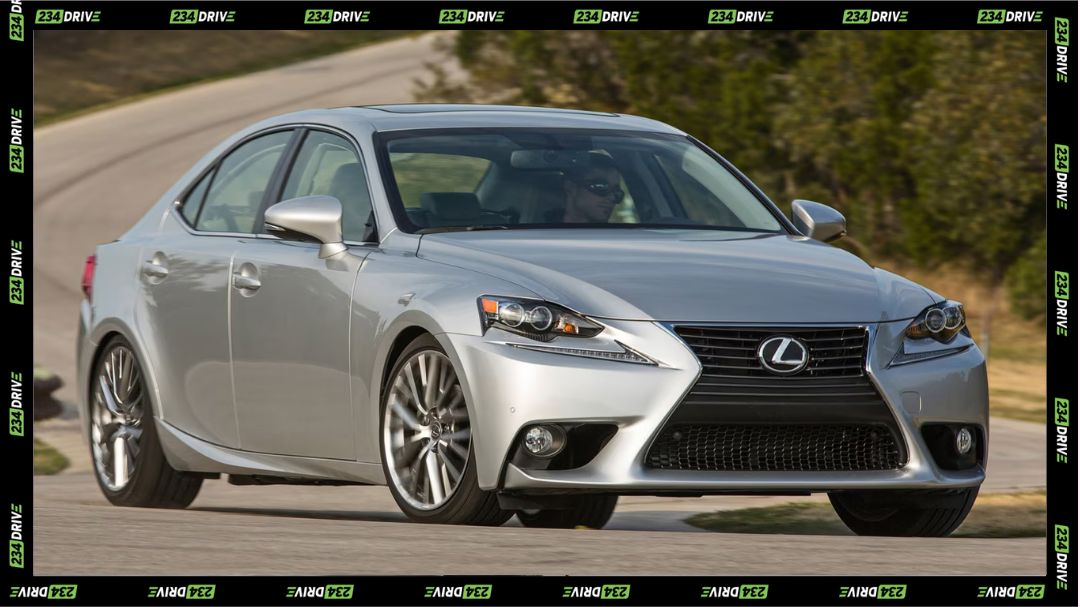
Compared to Japanese alternatives like the Lexus IS or the Toyota Crown, the C200 offers a higher level of perceived status and a more engaging driving experience. While the Lexus may be more reliable over a 15-year period, it lacks the ‘wow factor’ and the cutting-edge ADAS (Advanced Driver Assistance Systems) found in a modern C-Class. For the Kenyan professional, the C200 remains the benchmark. Its strong resale value and the prestige of the badge make it the ‘safest’ luxury investment for those who can afford the specialised upkeep.
Conclusion
The Mercedes-Benz C200 remains the king of the ‘entry-level’ luxury segment in Kenya for 2026. It offers a seamless blend of digital innovation, fuel-efficient hybrid performance and undeniable status. While it demands a higher level of care than a mass-market sedan, the rewards—in terms of driving pleasure and professional image—are unmatched. It is a car for the motorist who has moved beyond mere transportation and into the realm of the ‘executive athlete.’
Are you prepared for the maintenance commitment that comes with the three-pointed star, or does the reliability of a Lexus still temp you? Share your thoughts on the C200’s place in the 2026 Kenyan market in the comments below.