
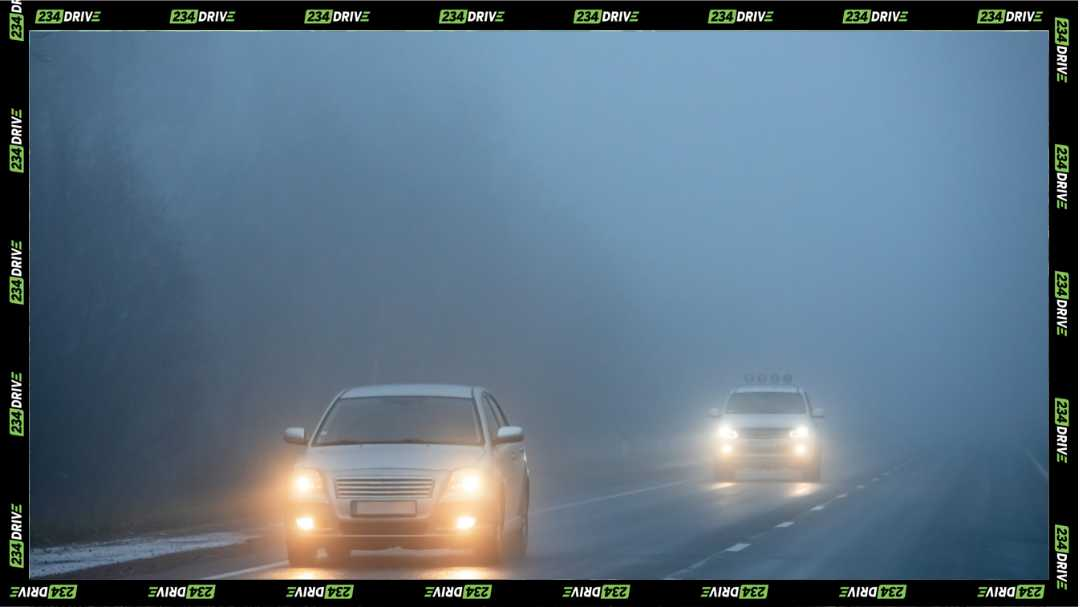
Driving on Nigerian roads during extreme weather conditions presents severe safety challenges. From the thick, dust-choked northern corridors during the peak of Harmattan to sudden southern downpours, visibility can drop to near zero within minutes. During these low-visibility periods, many motorists make the critical error of turning on their high-beam headlights, which worsens visibility by creating a blinding reflection.
Proper fog lights are not cosmetic bumper upgrades or decorative accessories. They are specialised lighting tools designed to illuminate the immediate road surface in adverse weather without blinding the driver or oncoming traffic. Understanding their mechanical purpose, local legal boundaries and correct installation is essential for highway survival.
The Physics of Seeing: Fog Lights vs Headlights
Standard headlights, particularly high beams, are designed to project a narrow light beam far down the road. When the air is saturated with moisture droplets or dust particles, this light scatters instead of cutting through. Motorists must understand how light behaves in low-visibility environments to prevent glare-induced blindness.
Fog lights operate on a different principle. They are mounted low on the front bumper, typically below the main headlights, and project a wide, flat beam directly at the road surface. Because fog and suspended dust particles usually hover 30 to 60 centimetres above the asphalt, fog lights project light underneath this barrier.
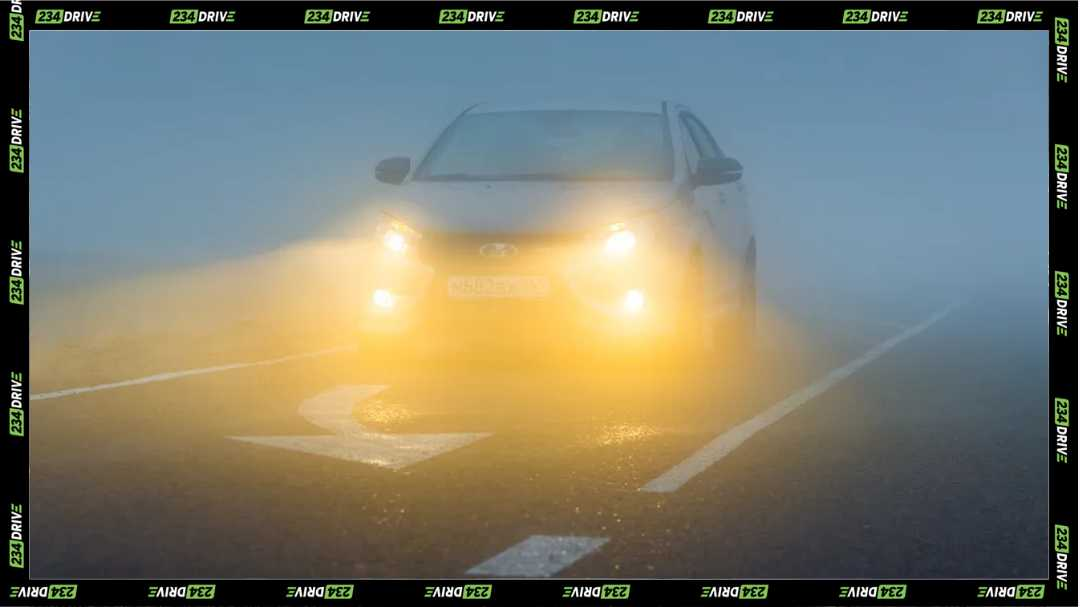
Using them in conjunction with low-beam headlights—never as a standalone replacement—illuminates the road edges, lane markings and immediate hazards without reflecting glare back into the driver’s eyes.
Why Nigerian Driving Conditions Demand Better Lighting
The Nigerian driving environment features highly localised challenges that make functional auxiliary lighting a necessity rather than an option.
During the Harmattan season, which runs from November to March, dry winds from the Sahara desert carry fine dust across the country. The resulting severe Harmattan haze mimics dense fog, reduces daytime visibility significantly and increases highway collision risks.
Similarly, the southern rainy season brings torrential downpours that render standard wipers and headlights insufficient. Faded lane markings, deep potholes and a complete lack of streetlights on major interstate routes further compound the danger.
Furthermore, many Nigerian drivers have a dangerous habit of turning on their hazard lights during heavy rain. This is a critical mistake that confuses other motorists and disables turn signals. Switching on low-beam headlights and fog lights is the correct way to make a vehicle noticeable in poor weather.
Staying on the Right Side of the FRSC
While upgrading vehicle lighting is highly recommended, motorists must remain within the legal framework established by the Federal Road Safety Corps (FRSC). The agency has strictly enforced regulations against the use of unauthorised lights on public highways to curb the trend of drivers blinding oncoming traffic with high-powered aftermarket light bars.
This crackdown has led to frequent disputes with road safety officers, who sometimes struggle to differentiate between illegal modifications and standard factory equipment. Driving with illegal auxiliary lights can result in a fine of ₦2,000, vehicle impoundment and mandatory road safety lectures.
For aftermarket installations, ensure the equipment complies with international safety standards, such as DOT or ECE compliance. The auxiliary setup must be wired to operate independently of high beams, and they should never exceed standard power limits, which top out at 60W for halogen bulbs and 90W for LEDs.
Choosing the Right Setup: Halogen, LED and the Power of Amber
For vehicles that did not come equipped with factory-fitted fog lamps, the aftermarket industry in Nigeria offers several options. When shopping on platforms like Jiji or exploring auto parts hubs like Ladipo market in Lagos, buyers will encounter three main bulb types:
- Halogen: The traditional option, offering a warm yellowish light. They are highly affordable and perform decently, though they consume more power and have a shorter lifespan.
- LED: Energy-efficient, highly durable and bright. High-quality LED kits allow drivers to switch colour temperatures between cool white and warm yellow.
- HID/Xenon: Extremely bright, but they require ballasts, consume significant power and can easily dazzle other road users if not housed in proper projector lenses.
For Harmattan driving, colour choice is crucial. While cool white LEDs look modern, yellow or amber light is far more effective. Yellow light has a longer wavelength, allowing it to penetrate dust and moisture particles much better than blue-tinted white light, which scatters easily.
Installation and Maintenance in Nigeria
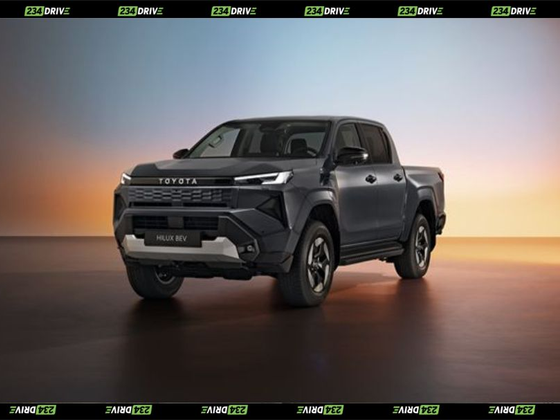
Popular car models in Nigeria, including the Toyota Corolla, Toyota Hilux and Honda Accord, usually have pre-cut plastic covers on the bumper where fog lights can be installed.
While DIY installation is possible, hiring a qualified auto electrician is highly recommended. Incorrect wiring can overload the electrical system, drain the battery or cause electrical fires—a common hazard with poorly installed aftermarket accessories. Ensure the electrician installs a dedicated relay, an inline fuse and an independent dashboard switch so the lights can be controlled manually.
Once installed, maintenance is simple but vital. Clean the lenses regularly, as road grime and Harmattan dust quickly reduce light output. Check the alignment periodically to ensure the beam remains aimed low at the road surface rather than angled upward into the mirrors of preceding vehicles.
Defensive Driving is Your True Shield
Ultimately, excellent vehicle lighting cannot replace defensive driving habits. When visibility drops below 100 metres, drivers must immediately reduce their speed, double their following distance and focus entirely on the road ahead. If dust or rain becomes too severe, the safest decision is to pull over in a secure location and wait for conditions to improve.
Equipping your vehicle with functional, legal and properly aligned fog lights is a small investment that yields massive safety returns. Pay attention to your lighting, respect other road users and keep your vehicle prepared for the elements.