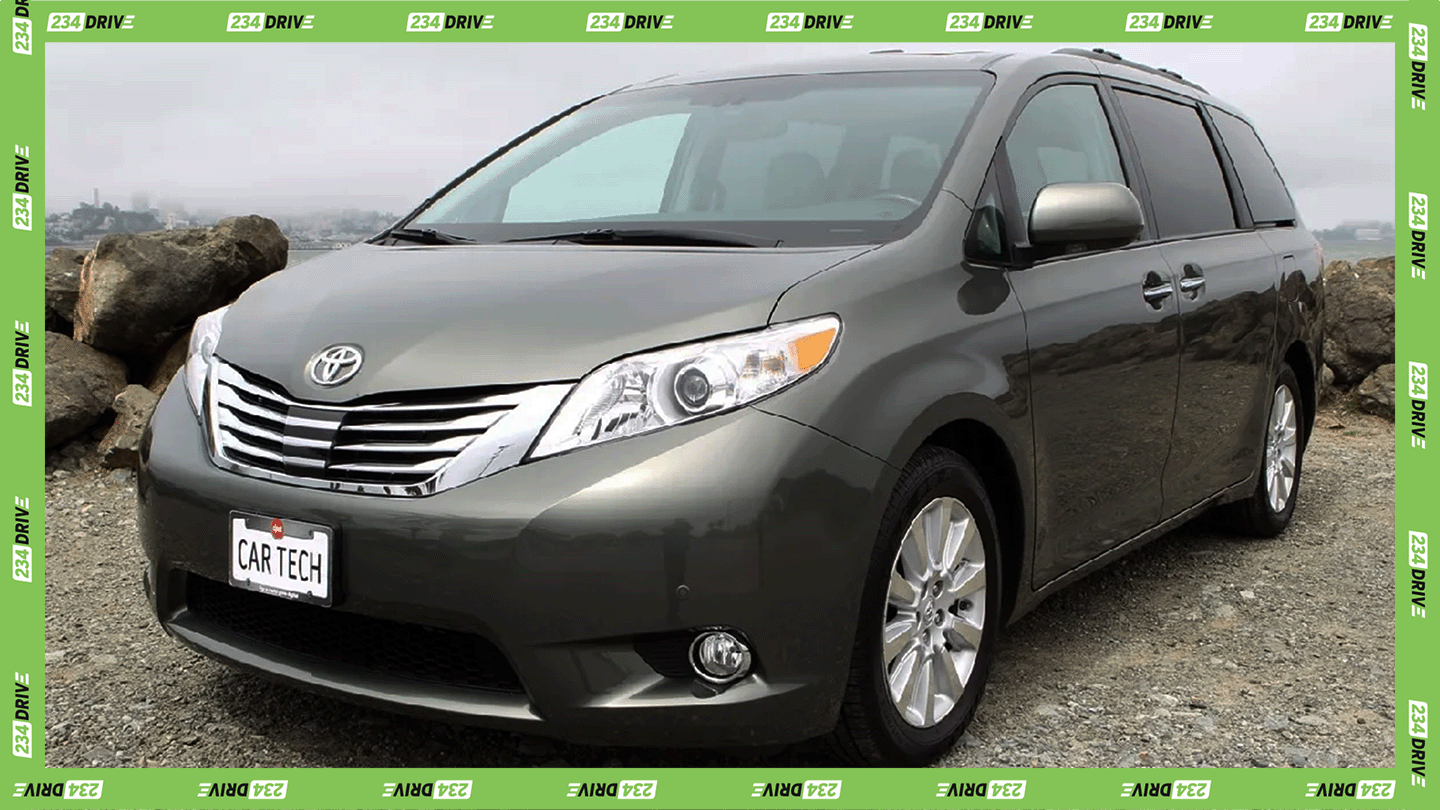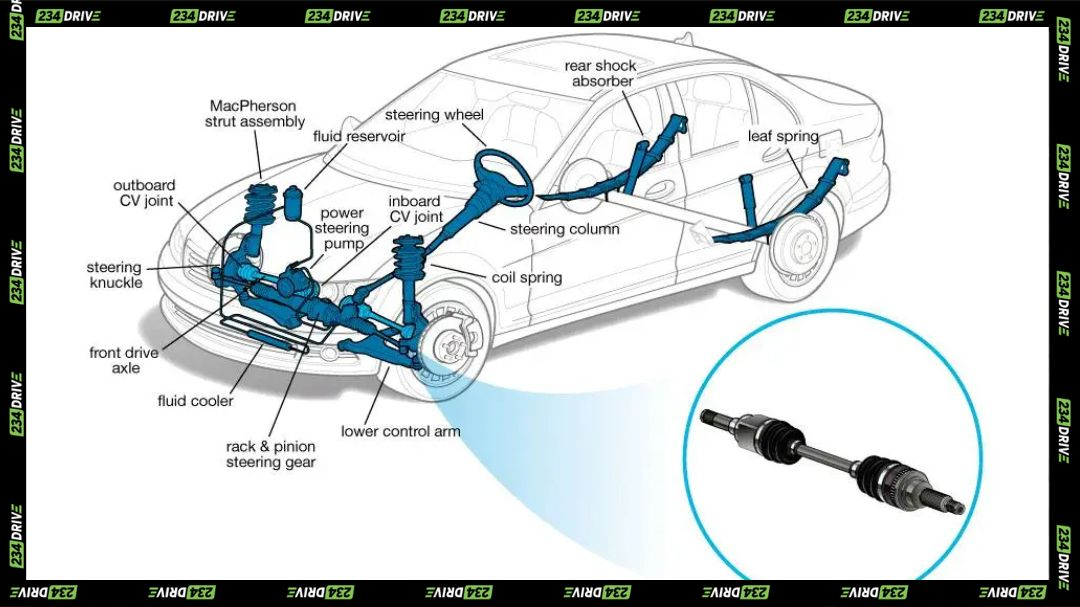

Navigate through the evening gridlock in Victoria Island or glide down the airport road in Abuja and a distinct automotive pattern emerges. The Lexus RX is ubiquitous. For Nigerian professionals, entrepreneurs and fleet managers, this vehicle has transcended its status as a mere luxury crossover. It functions as the default standard for comfortable, reliable and understated urban mobility.
At the core of this enduring legacy sits the Lexus RX 330. It belongs to the second generation of the model and represents a sweet spot in the Nigerian used car market. It offers premium build quality without the catastrophic maintenance bills associated with its German rivals. However, buying a vehicle that ceased production two decades ago requires precise mechanical knowledge and a clear understanding of current market economics.
Here is the engineering reality, the current tokunbo pricing and the true cost of owning a Lexus RX 330 in Nigeria today.
The Foundation of a Segment
To understand the appeal of the RX 330, you must first recognise its place in automotive history. Lexus pioneered the luxury crossover SUV segment, deliberately shifting away from heavy truck-based chassis to create a vehicle that drove like a premium saloon but offered the elevated ride height of a four-by-four.
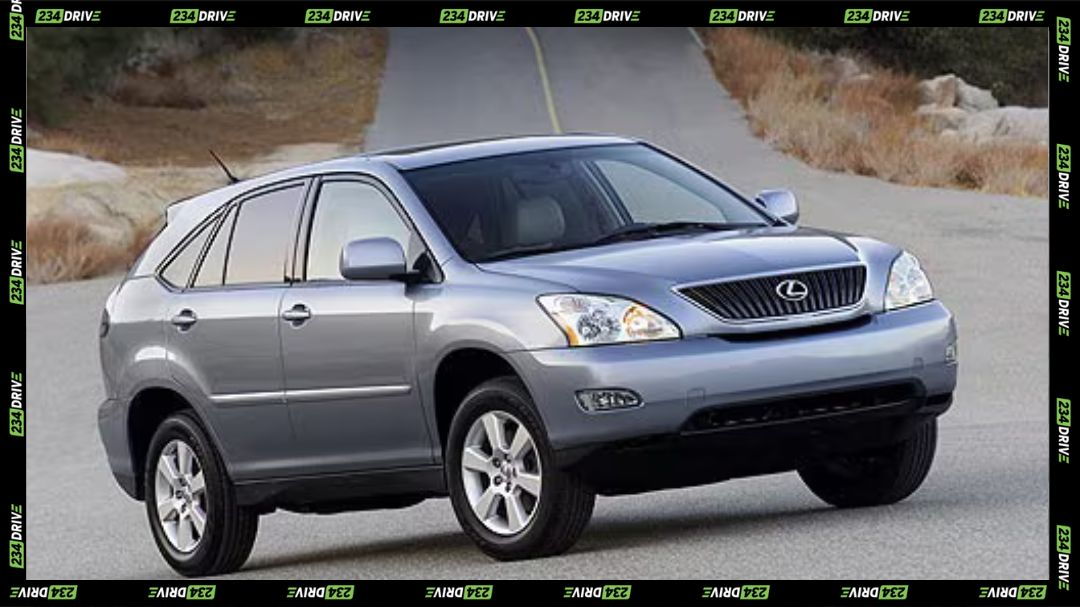
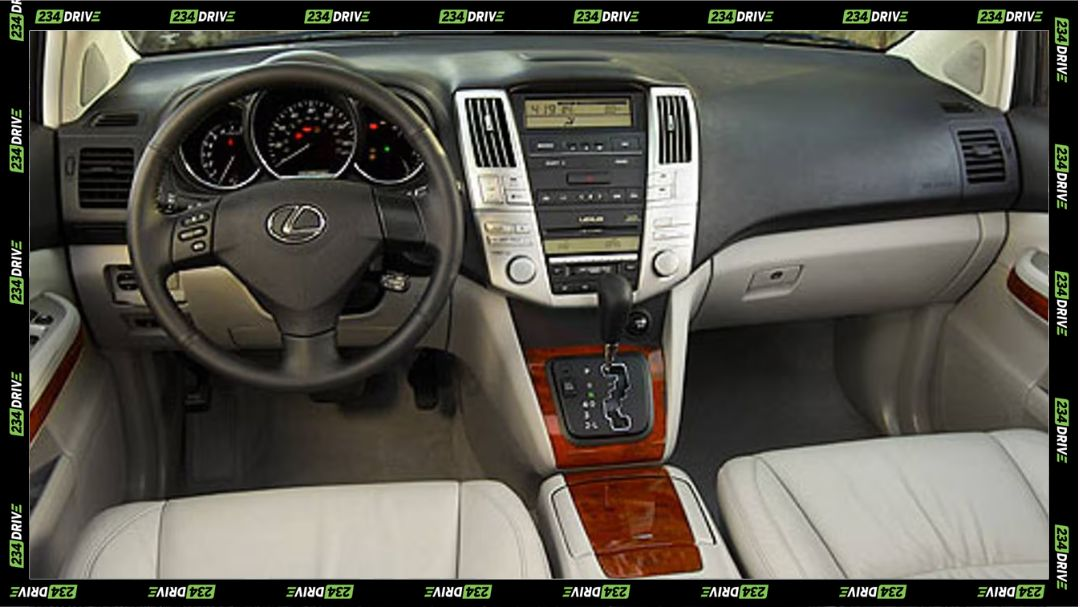
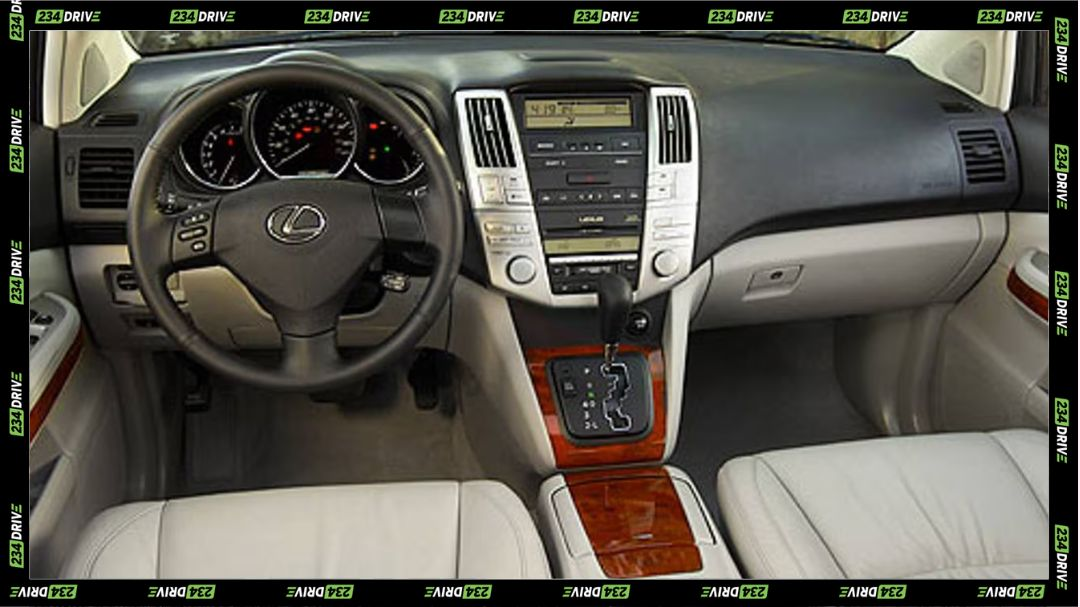
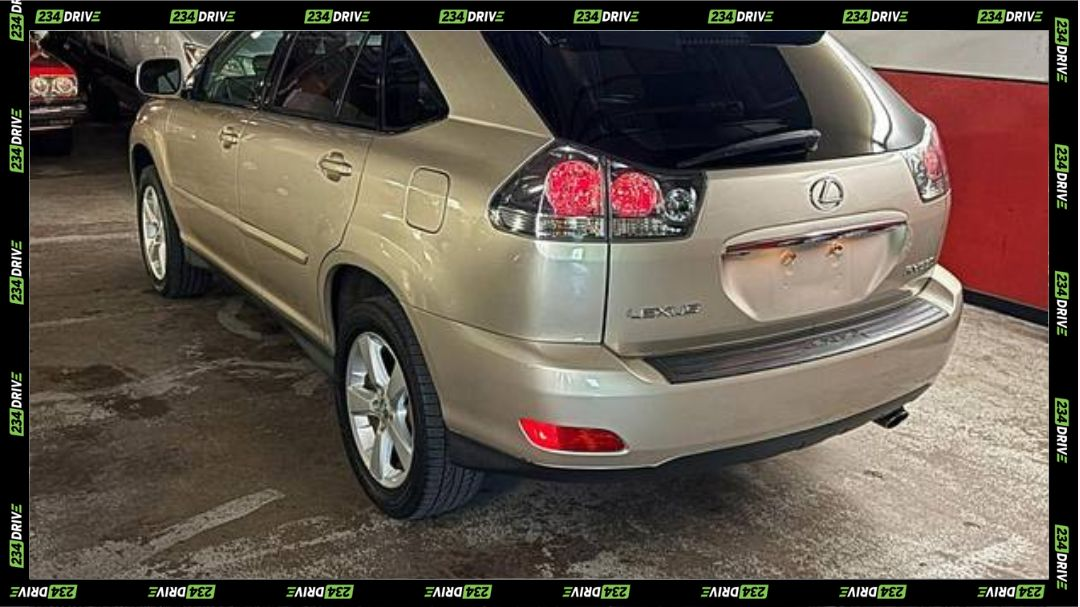
The RX 330 specifically represents the XU30 generation produced for the 2004 to 2006 model years. Examining the broader history of the model reveals how this specific iteration cemented the brand’s reputation for indestructible refinement. It replaced the original RX 300, introducing a sleeker exterior, a radically improved cabin and a larger 3.3-litre engine. For the 2007 model year, Lexus upgraded the powertrain to a 3.5-litre unit, rebranding the vehicle as the RX 350. Yet, the foundational engineering of the RX 330 remains the benchmark for early modern luxury.
Engineering and Performance Reality
Under the bonnet, the RX 330 relies on a naturally aspirated 3.3-litre V6 engine designated as the 3MZ-FE. This powertrain generates approximately 223 to 230 horsepower and up to 242 pound-feet of torque. Lexus mated this engine to a smooth five-speed automatic transmission, distributing power to either the front wheels or an optional all-wheel-drive system.
The performance metrics are adequate rather than thrilling. The vehicle accelerates from zero to 60 miles per hour in roughly 7.5 to 8.3 seconds. However, this crossover was never engineered for aggressive driving. The suspension prioritises a soft, cloud-like ride over sharp handling dynamics. It absorbs the harsh impacts of broken Nigerian tarmac with remarkable composure, insulating the cabin from the chaos outside.
The primary engineering drawback is fuel consumption. While official American environmental agency ratings suggest 18 miles per gallon in the city, the reality of Nigerian urban traffic tells a different story. Owners routinely report consuming between 12 and 20 litres of fuel per 100 kilometres. In an era of removed fuel subsidies and volatile petrol prices, feeding this V6 engine constitutes the single largest running cost for any owner.
The Mechanical Burden of Age
Lexus commands immense respect for its durability, but no machine is immune to the physics of time. These vehicles are now 20 years old. Buying one requires a rigorous mechanical audit.
The 3.3-litre V6 is an interference engine equipped with a rubber timing belt. If this belt snaps while the engine is running, the internal components will collide and destroy the motor instantly. Replacing the timing belt and the associated water pump strictly on schedule is a non-negotiable maintenance requirement.
Furthermore, prospective buyers must check for specific failures. The radiator frequently cracks along its bottom plastic seam, particularly on 2006 models. Valve cover gaskets dry out and leak oil onto the hot exhaust manifolds. The dashboard material on 2004 models is notoriously prone to severe cracking under the intense African sun. Identifying these known reliability issues before handing over your money is essential to avoid purchasing a financial liability.
Despite these age-related vulnerabilities, the core mechanical architecture is remarkably robust. Because the vehicle shares numerous suspension and drivetrain components with the Toyota Highlander, spare parts are abundant in markets like Ladipo and Apo. Local mechanics understand the system intimately.
Decoding the 2026 Market Prices
The cost of acquiring an RX 330 in Nigeria fluctuates wildly based on foreign exchange rates, import duties and the physical condition of the specific unit.
According to aggregate data from local market listings, the average transaction price in early 2026 hovers around ₦7.2 million. However, this average masks a massive pricing spectrum.
At the lower end of the market, you will find Nigerian-used examples priced between ₦5.5 million and ₦8.5 million. These vehicles often carry high mileage, worn suspension components and patchy service histories. Buying in this bracket requires keeping a substantial reserve fund for immediate repairs.
The mid-tier market ranges from ₦8 million to roughly ₦12 million. This bracket typically contains cleaner foreign-used units with verified duty documents and desirable options like leather interiors and sunroofs.
The absolute top tier stretches from ₦13 million to an astonishing ₦16.5 million. Sellers demand these premium prices for exceptionally clean, low-mileage tokunbo units with untampered engines and flawless first-body paintwork. When navigating this tier, buyers must independently verify claims of ‘accident-free’ status through structural inspections and digital vehicle history reports.
The Upgrade Path
For buyers with larger budgets, the logical question is whether to buy an older RX 330 or step up to a newer generation.
Upgrading to later RX 350 generations fundamentally changes the financial equation. The third generation (2010 to 2015) currently trades between ₦15 million and ₦32 million. The highly popular fourth generation (2016 to 2022), featuring the aggressive spindle grille, demands anywhere from ₦28 million to ₦75 million on the tokunbo market.
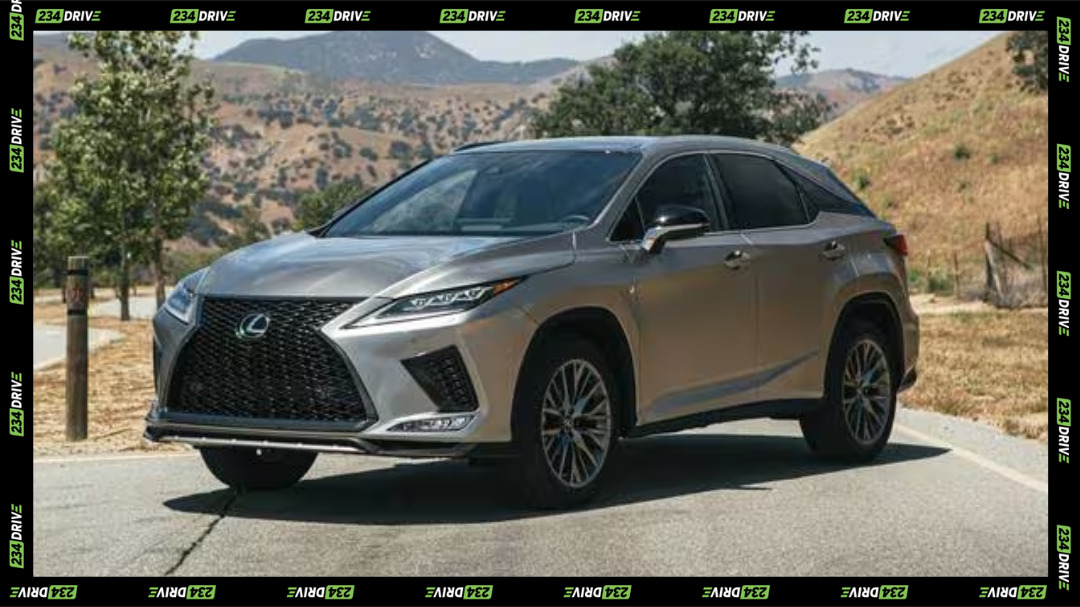
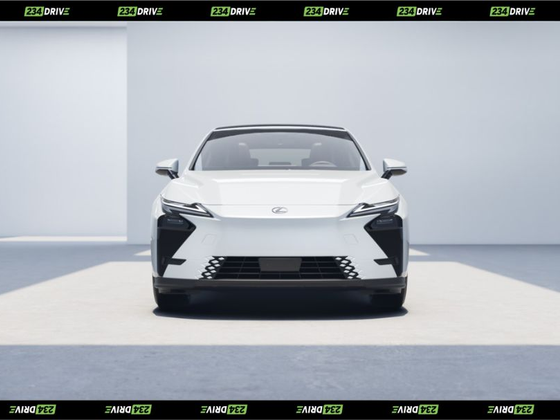
The latest fifth-generation models completely abandon the V6 engine in favour of turbocharged four-cylinder units and advanced hybrid systems. These vehicles offer vastly superior fuel efficiency, cutting-edge safety technology and stunning interior refinement. However, importing brand new 2025 models demands exceptional capital. Depending on the trim and the hybrid configuration, a brand new unit will cost a Nigerian buyer between ₦120 million and over ₦210 million once duties are cleared.
The 234Drive Verdict
The Lexus RX 330 occupies a fascinating space in the Nigerian mobility ecosystem. By modern standards, its interior technology is archaic and its fuel consumption is heavy. Yet, it continues to sell rapidly.
It succeeds because it delivers exactly what it promises—predictable, comfortable transportation. It allows a driver to project an image of quiet success without taking on the terrifying maintenance risks of a high-mileage BMW X5 or Mercedes-Benz GLE.
If you are buying one today, prioritise mechanical condition over the manufacturing year. Demand comprehensive duty documentation and immediately schedule a timing belt replacement unless the seller provides verifiable proof of recent service. When purchased intelligently and maintained diligently, the RX 330 remains one of the smartest automotive investments on Nigerian roads.