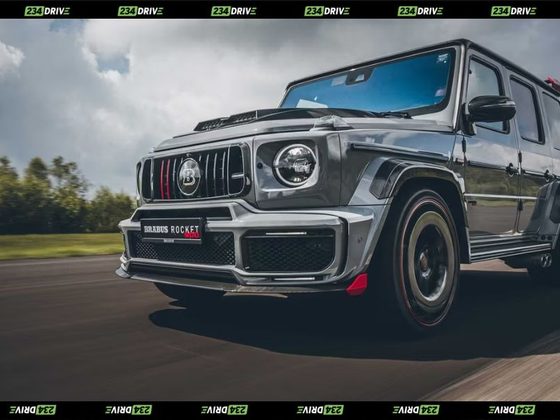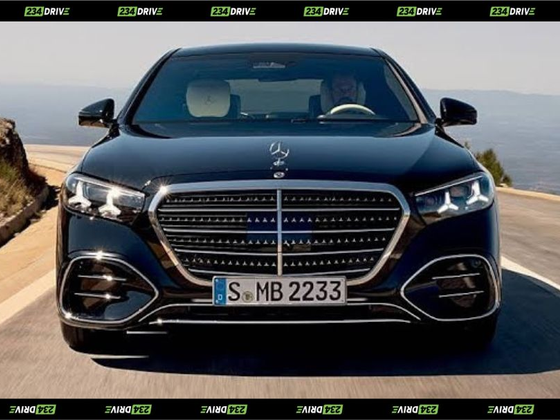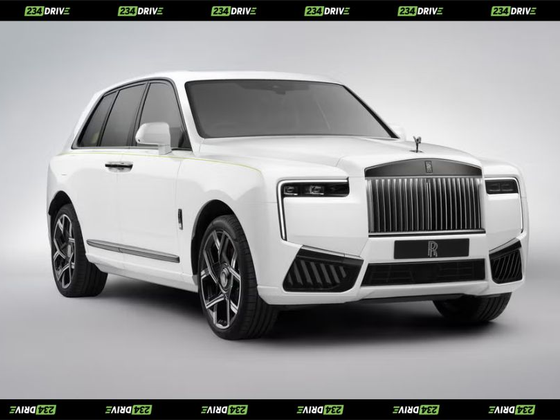

When a Mercedes-AMG ignites, the acoustic signature is unmistakable. It is not a polite, whispering turn of a key; it is a deep, mechanical growl that reverberates through the exhaust pipes—a guttural rumble that promises speed, precision and raw power. Yet, whilst millions of automotive enthusiasts recognise the distinctive badge on the trunk lid of these high-performance machines, few can state exactly what those three letters signify.
Understanding the meaning of AMG requires stepping away from modern marketing brochures and travelling back to a small, grease-stained workshop in post-war Germany. Those three letters do not represent a corporate acronym or a clinical engineering standard. Instead, they stand for the surnames of two visionary engineers and the quiet German town where their obsession with speed began: Aufrecht, Melcher and Großaspach.
Unpacking the Letters: The Founders and Their Birthplace
To fully decipher the badge, we must break down the acronym and background into their historical and human components:
- A stands for Aufrecht: Hans Werner Aufrecht, a relentless and driven engineer who co-founded the firm. Aufrecht possessed a fierce determination to prove that Mercedes-Benz vehicles could dominate the world of motorsport.
- M stands for Melcher: Erhard Melcher, the co-founder whose brilliant engineering mind focused on high-performance engine development. Melcher was a quiet genius, renowned for his ability to extract immense power from internal combustion designs whilst maintaining mechanical reliability.
- G stands for Großaspach: This is the small German town near Stuttgart where Aufrecht was born. It was in Großaspach that the two engineers spent their spare time tuning engines and laying the intellectual foundation for what would become an international performance icon.
The Rebel Engineers: How AMG Was Born
The story of AMG begins in the mid-1960s at Daimler-Benz. Aufrecht and Melcher worked as engineers in the development department, specifically focusing on the racing engine for the legendary 300 SE. However, when Daimler-Benz abruptly cancelled all motorsport activities to focus on passenger car production, the two engineers refused to abandon their passion.
In their spare hours, they continued to refine the engine in Aufrecht’s house in Großaspach. In 1965, a colleague racing a Mercedes-Benz fitted with their hand-modified engine won the German Touring Car Championship 10 times. This massive success cemented their reputation.
Realising their potential, the duo left Daimler-Benz in 1966. On 1 June 1967, they officially founded AMG Motorenbau- und Entwicklungsgesellschaft mbH (AMG Engine Production and Development Society) in an old, converted mill in Burgstall an der Murr. According to the official company history, they had a single, clear objective: to design, test and sell racing engines to privateers who refused to let the three-pointed star vanish from the racetrack.
The Legend of the ‘Red Sow’
Early success arrived on a grand scale in 1971 at the prestigious 24 Hours of Spa. AMG entered a heavily modified, bright red sedan based on the luxury Mercedes-Benz 300 SEL 6.3. The engineers bored the massive V8 engine out to 6.8 litres, pushed the power output past 420 horsepower and stripped out non-essential components to reduce weight.
The press nicknamed the massive, heavy luxury barge the ‘Red Sow’ (or ‘Rote Sau’ in German). Heavy, wide and competing against agile, lightweight sports coupes, the car seemed wildly out of place.
Yet, when the checkered flag fell, the ‘Red Sow’ crossed the finish line second overall and won its class. This historic victory stunned the racing world, instantly putting the small tuning firm of AMG on the global map and proving that luxury sedans could dominate endurance racing.
Iconic Milestones: From Independence to Affalterbach
Through the 1970s and 1980s, AMG operated as an independent tuning firm, offering bespoke performance upgrades, custom body kits, suspension tuning and exclusive interior leatherwork. During this era, the company relocated its headquarters to Affalterbach—the quiet German town that remains the spiritual home of the brand today.
Two key milestones transformed the company from a boutique tuner into an official partner of Daimler-Benz:
1. The W124 ‘Hammer’ (1986)
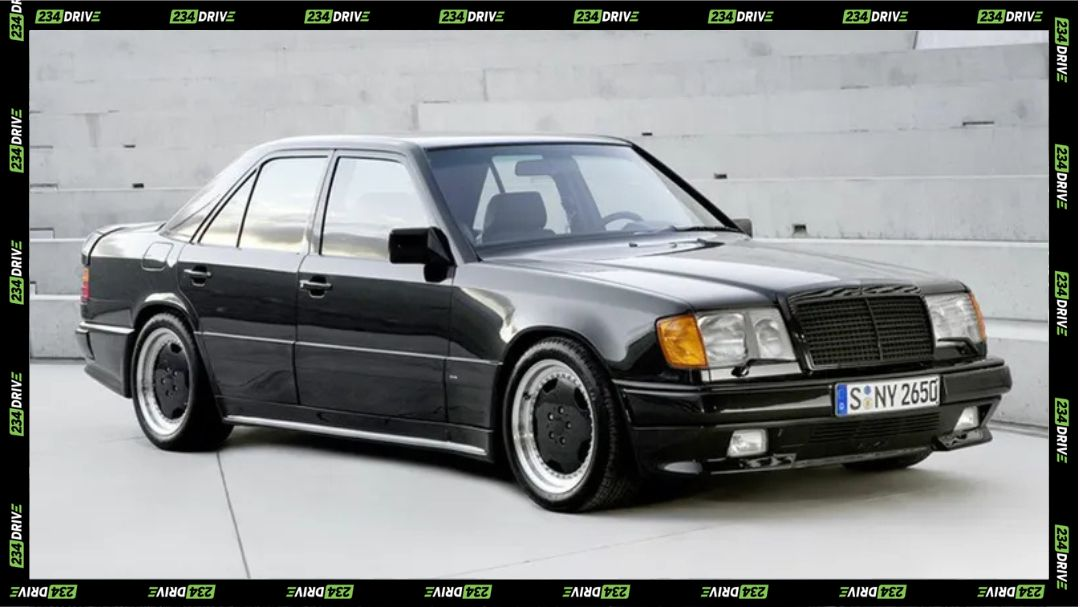
In 1986, AMG shocked the automotive world by squeezing a tuned, 32-valve 5.0-litre V8 engine into a mid-size W124 E-Class sedan. Later upgraded to a 5.6-litre unit, the car earned the moniker ‘The Hammer’. It produced 355 horsepower and reached speeds of 300 km/h—outperforming contemporary supercars and solidifying AMG’s reputation as a builder of brutally fast passenger cars.
2. The Official Merger (1990–2005)
The massive popularity of these modified vehicles led to a formal cooperation agreement with Daimler-Benz in 1990. For a comprehensive history of this corporate transition, records show that the first jointly developed vehicle, the C36 AMG, debuted in 1993.
By 1999, DaimlerChrysler acquired a majority 51% stake in the firm, renaming it Mercedes-AMG GmbH. In 2005, Daimler took 100% control, fully integrating the high-performance division into the corporate structure whilst leaving the motorsport division to spin off into HWA AG.
‘One Man, One Engine’: The Philosophy of Craftsmanship
At the core of the brand’s legendary status is a manufacturing philosophy that prioritises human touch over automated assembly lines: ‘One Man, One Engine’.
In the engine manufacturing facility in Affalterbach, a single master engine builder hand-assembles almost every full AMG engine—specifically the signature V8 and inline-four units—from start to finish. One of approximately 50 elite technicians takes personal responsibility for every component, from the crankshaft installation to the electrical wiring.
Once the engine passes rigorous electronic diagnostic testing, the builder signs a metal plaque and affixes it to the engine cover. This plaque serves as a physical guarantee of mechanical accountability and high-end German craftsmanship.
Deciphering the Modern Lineup: AMG Line vs. Full AMG
Today, Mercedes-Benz uses the iconic brand in two distinct ways, which can sometimes confuse prospective buyers:
AMG Line
This is an optional aesthetic and styling package available for standard Mercedes-Benz passenger vehicles. An E-Class or GLC with the ‘AMG Line’ package features sportier front bumpers, larger alloy wheels, upgraded brake callipers and a flat-bottomed steering wheel. However, it retains the standard, fuel-efficient Mercedes-Benz engine and suspension settings.
Full AMG Models
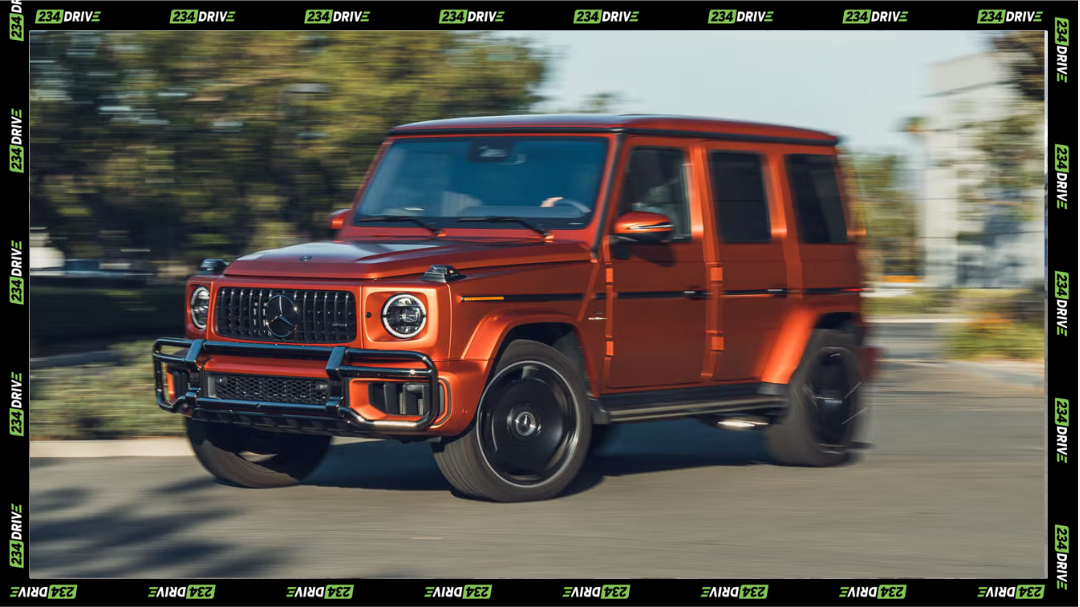
These are the genuine, high-performance flagships. Developed from the ground up by the engineering team in Affalterbach, these vehicles carry dual-digit designations (such as C 63, E 63 or GT 63) as a direct tribute to the historic 6.3-litre V8 engine. Buyers can explore the current portfolio on the official global portal to see how these track-tuned active suspensions, massive high-performance brakes and sports exhaust systems deliver maximum driving dynamics.
Legacy on the Track and the Road Ahead
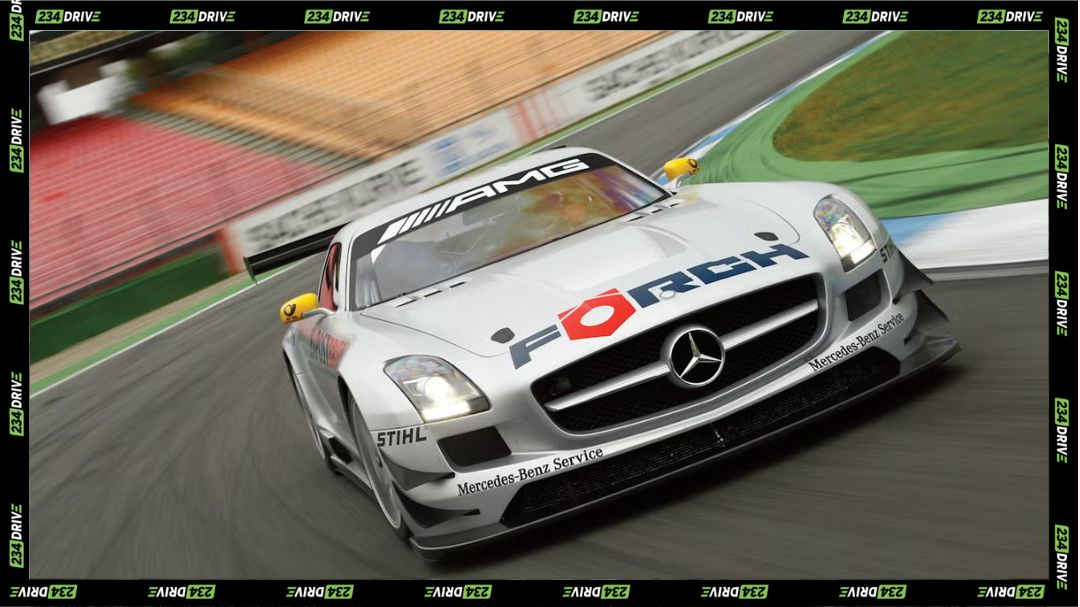
The engineering expertise of the Affalterbach team extends far beyond civilian highways. The brand has achieved legendary status in the German Touring Car Championship (DTM) and GT3 racing with models like the SLS AMG GT3 and the AMG GT3. Additionally, their technical division has designed high-performance engines for hypercar manufacturers like Pagani, whilst maintaining strategic partnerships with brands like Aston Martin.
As the automotive landscape shifts toward sustainable energy, the division is adapting its performance philosophy. Through their ‘E Performance’ hybrid systems—which combine high-output combustion engines with advanced Formula 1 battery technology—and fully electric AMG variants, the engineers are proving that electrification does not mean sacrificing the emotional, high-speed thrills that Aufrecht and Melcher pioneered in their converted mill nearly 60 years ago.