
For operators of modern Mercedes-Benz vehicles in Nigeria, the appearance of the P06DA00 diagnostic trouble code presents a unique maintenance dilemma. Unlike mechanical failures that stall an engine in Lagos traffic or cause immediate overheating, this specific electrical fault triggers no noticeable drivability symptoms. However, it indicates a fundamental breakdown in the vehicle’s efficiency management system. The engine control module has lost communication with the electronic valve that regulates oil pressure.
While short-term performance remains completely unaffected due to a built-in mechanical fail-safe, ignoring the P06DA00 code contradicts the strict engineering parameters of the engine. Over an extended period, operating a vehicle with this unresolved fault in Nigerian driving conditions accelerates internal engine wear, transforming a minor electrical disconnection into a severe mechanical liability.
The Mechanics of Variable Oil Pressure
To understand the severity of the fault, owners must understand the engineering behind modern lubrication systems. High-efficiency Mercedes-Benz engines, including the widely utilised M274, M270 and M276 units, do not rely on traditional oil pumps that force maximum pressure through the engine continuously. Instead, they utilise a variable oil pump managed by an electronically controlled solenoid valve. In Mercedes-Benz technical literature, this component is designated as the Y130 valve.
This intelligent system optimises oil pressure precisely based on engine load and operating conditions. When a vehicle is idling heavily in commercial hubs like Port Harcourt or Abuja, the valve actively lowers the oil pressure. This reduction decreases parasitic drag on the engine, improves overall fuel economy and lowers emissions. Conversely, during aggressive acceleration on an open highway, the valve opens to allow full oil pressure, ensuring maximum lubrication to protect rapidly moving internal components. According to official technical service bulletins, the P06DA00 code confirms that this precise electronic orchestration has failed entirely.
The Fail-Safe Mechanism and Long-Term Risks
The most deceptive element of this electrical failure is the complete absence of immediate warning signs. When the circuit breaks, the vehicle’s computer recognises the loss of control and immediately triggers a mechanical fail-safe. The Y130 valve defaults to providing maximum oil pressure at all times. The engine is never starved of lubrication, which explains why the vehicle continues to accelerate, idle and perform exactly as it did before the fault occurred.
A detailed breakdown of symptoms reveals that on several engine variants, the dashboard Check Engine Light does not even illuminate to warn the driver. The issue frequently remains a stored code, discovered only when a technician plugs in a diagnostic scanner during routine maintenance.
However, running an engine at maximum oil pressure permanently is a significant risk. Constant high pressure places unnecessary and continuous strain on internal engine seals, timing components and the oil cooler network. Over time, this unrelenting pressure forces oil past seals that were explicitly designed to handle variable pressure, leading to subtle internal leaks, accelerated component wear and reduced engine longevity.
Why Nigerian Driving Conditions Accelerate Failure
The root cause of this fault is rarely the mechanical oil pump itself. The failure almost exclusively originates in the short electrical pigtail harness connecting the internal valve to the external engine computer. This vital piece of wiring lives in an exceptionally brutal environment inside the oil pan, submerged in hot engine oil and subjected to extreme heat cycles every time the ignition is turned on.
Local driving conditions heavily accelerate this degradation. The combination of Nigeria’s hot climate and the punishing reality of stop-and-go traffic creates immense thermal stress under the bonnet. Over thousands of hours in traffic, the plastic connectors become highly brittle, causing the internal wires to crack or pull out of the plug entirely. Furthermore, using degraded or incorrect engine oil can clog the fine mesh screens of the solenoid valve, causing it to seize.
Affected Vehicles in the Tokunbo Market
This vulnerability affects a broad spectrum of the luxury vehicles dominating the Nigerian market. It is highly prevalent in W205 C-Class models, particularly the C200 and C300 variants equipped with the turbocharged four-cylinder M274 engine. The fault is also reported frequently in E-Class, GLA and GLC models sharing similar powertrains, alongside high-performance M177 V8 AMG engines.
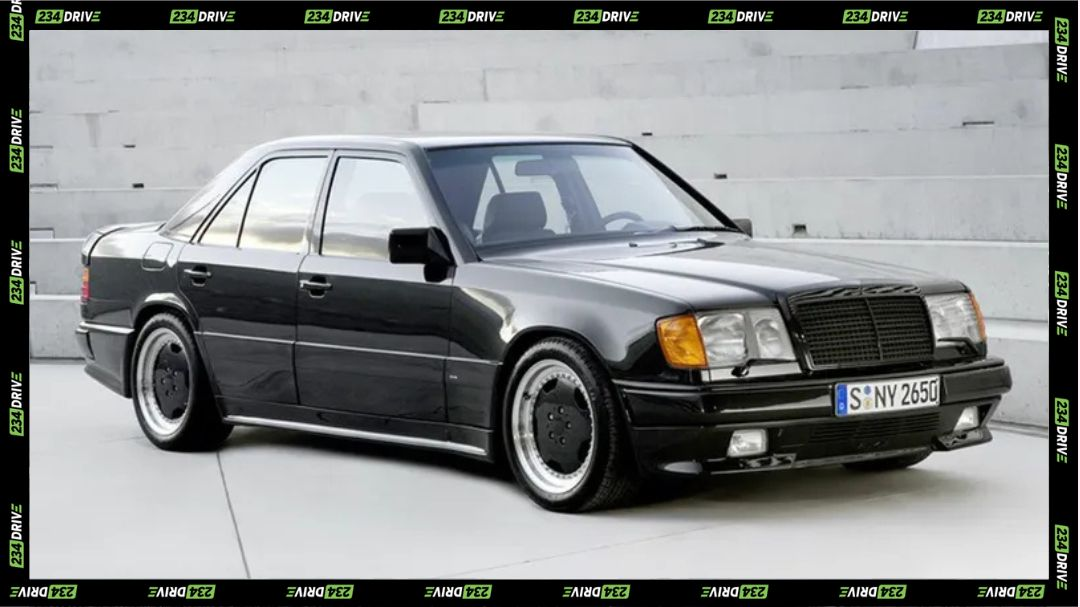

Buyers of imported used vehicles face a considerably higher risk of encountering this code. These tokunbo vehicles often arrive at Nigerian seaports with years of thermal stress already logged on the wiring harness. A few months of heavy urban commuting is frequently enough to push the brittle wiring past its breaking point, triggering the fault shortly after purchase.
The Economics of Diagnosis and Labour
Proper diagnosis requires technical precision. While generic OBD2 readers will flag the code, they lack the depth required to run guided component tests on the circuit. Technicians must use Xentry or equivalent manufacturer-specific diagnostic software to confirm the circuit failure and rule out sensor anomalies.
The primary frustration for owners dealing with this fault is the repair bill structure. The replacement parts are objectively inexpensive. The Y130 solenoid valve costs the equivalent of $100 to $200, and the replacement wiring pigtail costs roughly $20.
The financial burden lies entirely in the volume of labour hours required. Because the valve is securely located inside the engine’s oil pan, mechanics cannot simply reach under the bonnet to replace it. On many popular models, technicians must lower the subframe, disconnect the steering rack and drop the transmission just to gain sufficient clearance to remove the oil pan safely. In extreme cases involving complex AMG powertrains, authorised dealer quotes can reach exorbitant figures due to the necessity of removing the entire engine.
Independent Specialists and Software Workarounds
Taking this specific fault to an authorised dealership often results in repair quotes that are simply not viable for the average owner. For most drivers, the practical solution is engaging independent Mercedes-Benz specialists. Hubs in areas like Lekki in Lagos or central Abuja host modern workshops equipped with the proper diagnostic tools. These independent technicians routinely perform the necessary subframe drop, wiring replacement and oil pan reseal at a fraction of the dealership cost.
In specific scenarios where the Check Engine Light remains off, some specialists offer a software update to the engine control module to permanently ignore the code. While this suppresses the diagnostic alert, it remains a software workaround rather than a true mechanical fix. It deliberately leaves the engine to operate at maximum oil pressure indefinitely, bypassing the manufacturer’s efficiency design.
Proactive Maintenance Strategies
Ownership of modern European luxury vehicles in West Africa requires a proactive mindset. The standard 10,000-kilometre oil change interval recommended for European driving conditions is entirely unsuitable for Nigerian traffic. Owners must replace their engine oil and use high-quality filters every 5,000 to 8,000 kilometres or every six months. Always insist on fully synthetic oil meeting the exact Mercedes-Benz 229.5 or 229.51 specifications to prevent sludge buildup around the valve.
Driving a vehicle with an active P06DA00 code is safe in the short term, as the fail-safe high oil pressure prevents immediate internal damage. However, treating it as a permanent condition is a poor strategy for engine longevity. This fault highlights the reality of modern vehicle ownership in Nigeria: complex electronic systems require specialist knowledge and highly proactive maintenance. Diagnosing the code early and securing a competent independent mechanic ensures the vehicle remains reliable and performs exactly as the manufacturer intended.