
In the global automotive community, car spotters are enthusiasts who dedicate their weekends to locating, photographing and cataloguing rare or high-performance vehicles in public spaces. In cities like Monaco, London and Dubai, this practice is a well-established, mostly polite hobby driven by pure mechanical appreciation. However, in Nigeria specifically within the high-net-worth corridors of Lagos, the definition of car spotters has undergone a radical transformation.
Driven by severe youth unemployment, widespread smartphone penetration and a sudden influx of extreme urban wealth, Nigerian car spotters have evolved a niche hobby into a highly visible digital economy. What began as a casual fascination with luxury automobiles is now a structured pathway for social media influence and financial mobility.
This guide breaks down exactly what car spotters do, the mechanics of how they operate, the economic blueprint that sustains them and the strict new regulations reshaping the subculture in 2026.
What Car Spotters Actually Do
At a fundamental level, car spotters are digital archivists of automotive wealth. They are individuals who position themselves at strategic urban intersections to film passing luxury cars, supercars and rare SUVs. They upload this footage to platforms like Instagram, TikTok, YouTube and X, accompanying the visuals with energetic commentary, technical specifications or simple expressions of awe.
The surge of this booming car spotting hustle accelerated sharply around 2019. This timeline coincided with a massive influx of new wealth into the Nigerian economy, heavily fuelled by the technology sector, cryptocurrency gains and the global explosion of Afrobeats. This economic shift pushed an unprecedented volume of ultra-luxury vehicles onto the roads of Lagos Island, Victoria Island and Lekki.
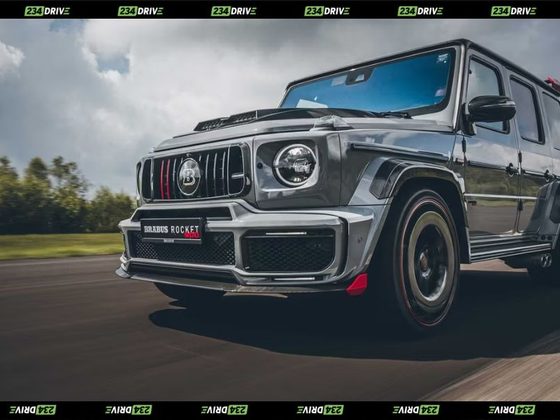
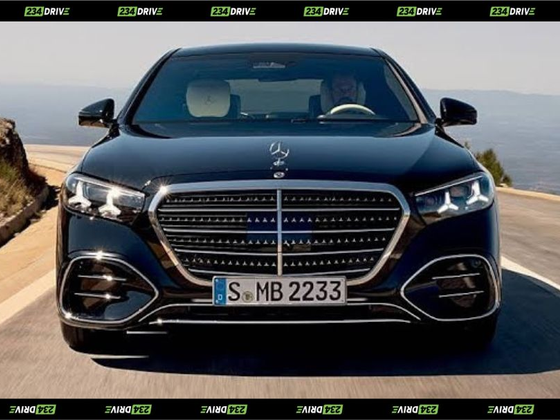
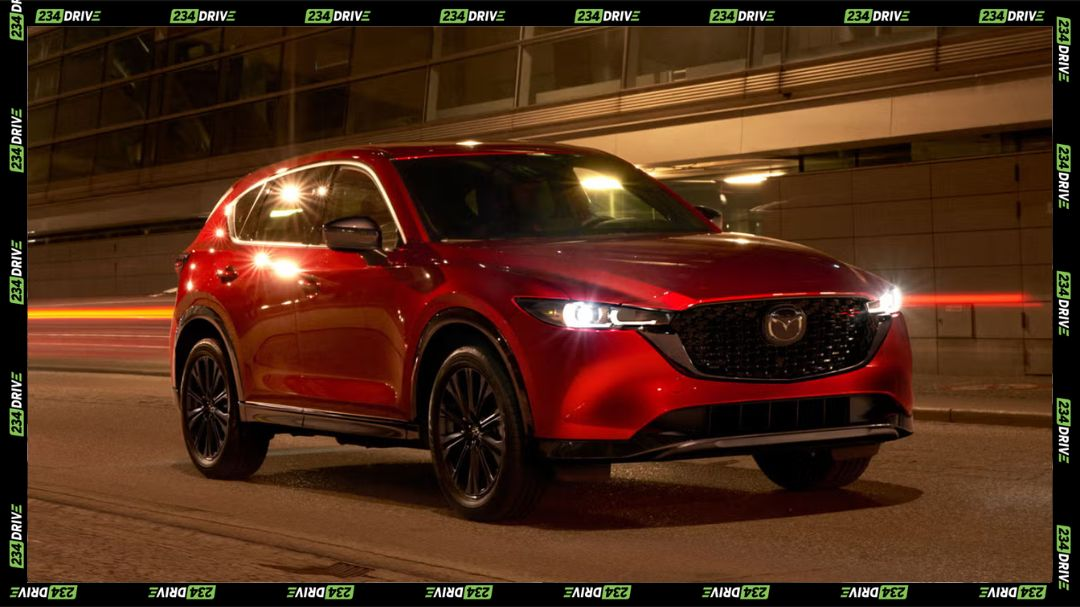
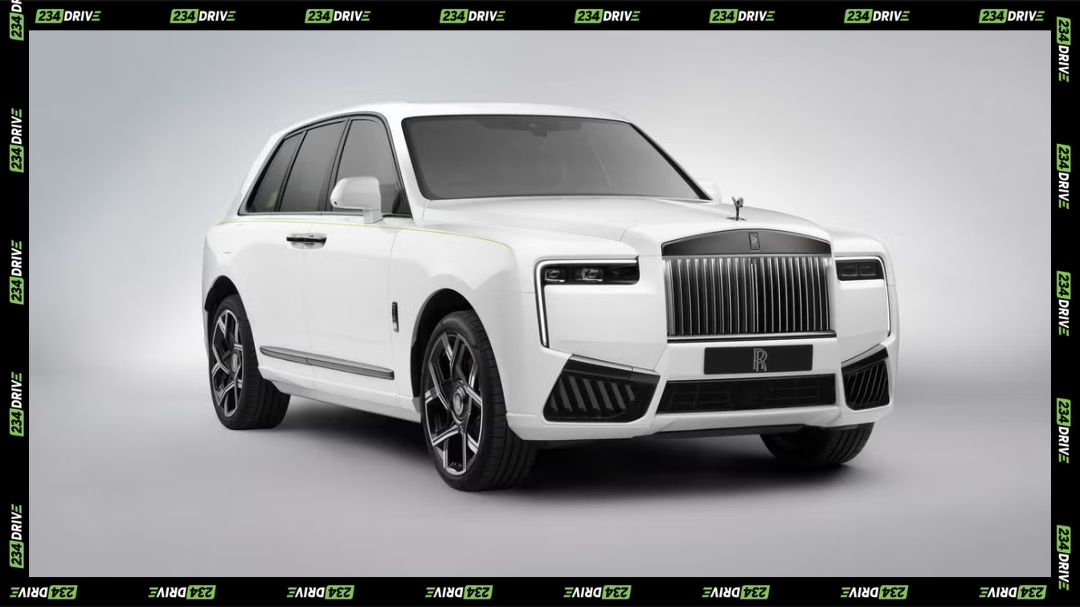
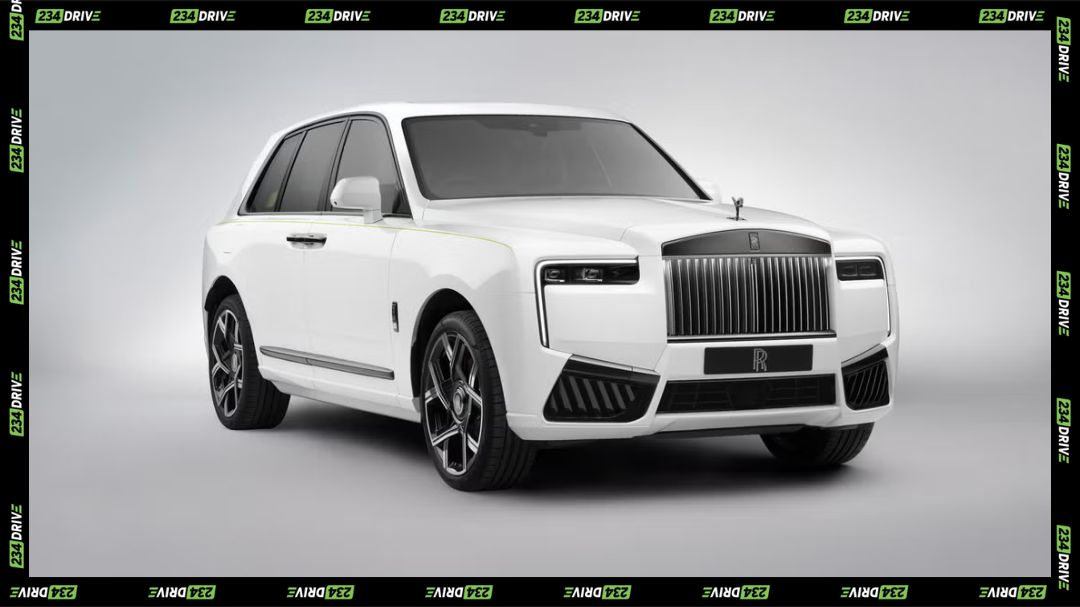
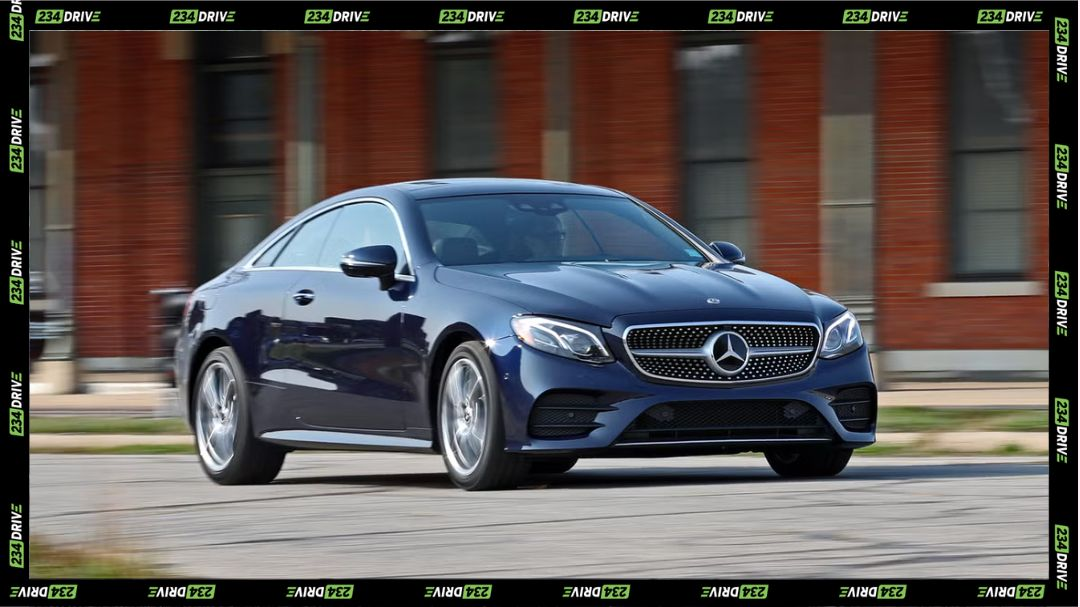
Suddenly, the standard Mercedes-Benz E-Class or Toyota Land Cruiser Prado was no longer the apex of aspiration. The streets were seeing regular appearances of Bentley Bentaygas, Rolls-Royce Cullinans, McLaren 720S models, Lamborghini Urus SUVs and the highly polarizing Tesla Cybertruck. For young Nigerians equipped with data subscriptions and a sharp eye, these vehicles were mobile content generators waiting to be monetised.
How to Spot Cars Like a Professional
The daily operation of a car spotter requires immense patience, geographical strategy and encyclopaedic automotive knowledge. It is not simply a matter of pointing a camera at a nice car. The most successful operators treat the streets like a highly competitive studio.
1. Positioning and Hotspots
Spotters do not wander aimlessly. They stake out specific, high-traffic choke points where luxury vehicles are forced to slow down, providing the perfect window for clear photography. The Ikoyi Link Bridge, the Lekki-Epe Expressway toll gates and the major roundabouts leading into affluent residential zones are the primary hunting grounds. Activity typically peaks on Saturday and Sunday afternoons when owners take their high-performance vehicles out for leisure drives.
2. Audio Identification
Veteran car spotters rarely rely on visual identification alone. In the heavy ambient noise of Lagos traffic, they train themselves to identify approaching vehicles by their distinct exhaust notes. A spotter can often distinguish the guttural rumble of an AMG V8 from the higher-pitched rasp of a naturally aspirated V10 long before the vehicle rounds the corner.
3. Capture and The Content Funnel
Once the target is in sight, the spotter must capture dynamic footage. This involves tracking the vehicle’s trajectory, ensuring the lighting highlights the paintwork and capturing the badge or distinct design elements. Capturing the footage is only the first step. The content is immediately edited for maximum engagement. Short-form video platforms reward high energy, so spotters add trending audio tracks, fast-paced cuts and their own vocal reactions before uploading to dedicated pages like the Nigerian SuperCar Page.
The Monetisation Pipeline
The transition from hobbyist to professional relies on a structured monetisation pipeline. Car spotters do not earn money directly from filming a car on the street. The revenue is generated through the audience that the footage attracts.
High follower counts on TikTok and Instagram unlock direct platform revenue and live-stream gifts from viewers. However, the most lucrative income stream comes from the formal automotive sector. Dealerships and luxury car rental services quickly realised that these spotters commanded the exact demographic they wished to reach.
A successful spotter frequently transitions from chasing cars in traffic to securing official brand partnerships. Dealerships invite them into their showrooms to film exclusive stock, providing the business with highly targeted, virtually free marketing buzz. In return, the spotters receive a polished environment to create content and negotiate commission fees for any vehicle sales generated directly through their social media referrals.
The Blueprint
It is impossible to understand the economics of Nigerian car spotters without examining the trajectory of Waris Olayinka Akinwande, universally known as ‘Ola of Lagos’. His career serves as the ultimate blueprint for the subculture, providing tangible proof that the model yields extraordinary dividends.
Born in Ogun State in 1997, Akinwande moved to Lagos and initially worked as a construction labourer and a cleaner in the upscale Lekki and Ikoyi districts. Earning a reported monthly wage of just ₦17,000, he was surrounded by immense wealth that he was entirely excluded from. He began using his phone to photograph the luxury cars he encountered while cleaning, posting them online with passionate, highly distinctive commentary.
He did not attempt to sound like a polished Western automotive journalist. Instead, his content was raw and authentically Nigerian. He coined catchphrases like ‘It is plenty’, ‘Stop playing’ and ‘I will never be poor’, which quickly embedded themselves in the local pop culture lexicon.
His breakthrough came when his videos were amplified by major entertainment blogs. This visibility led to him winning a ₦2 million social media raffle, followed by an all-expenses-paid trip to a Dubai car show sponsored by music executive Davido. Today, Akinwande is a prominent entrepreneur running his own dealership, Ola of Lagos Autos. For the young men currently standing in the coastal heat waiting for a Ferrari to pass, his status as the number one car influencer is the ultimate validation of the hustle.
Saturation, Friction and the Breaking Point
As the Ola of Lagos blueprint became widely known, the barriers to entry disappeared. The subculture swelled from a dedicated group of enthusiasts into a crowded, aggressive scramble for content. By early 2025, the public perception of car spotters began to sour dramatically.
The respectful distance maintained by early enthusiasts gave way to hazardous behaviour. Desperate for a viral moment, groups of young men began swarming moving vehicles at intersections. They would crowd the tarmac, tap on tinted windows and loudly demand money or social media shoutouts from the drivers. Critics quickly branded the practice as ‘premium begging’, arguing it had devolved from automotive appreciation into targeted harassment.
Safety became a severe issue. Spotters darting across active highways to film passing supercars created dangerous traffic hazards. Local media documented at least one road accident in Port Harcourt directly linked to the distraction and sudden movements of roadside filming.
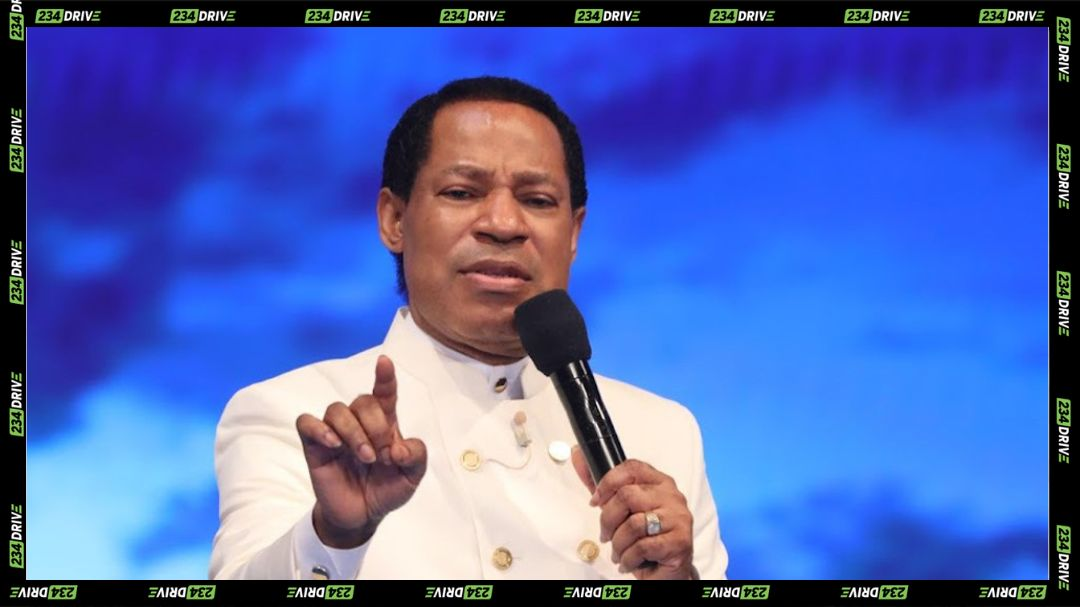
Furthermore, privacy and security concerns escalated. High-net-worth individuals grew increasingly hostile to having their locations and private movements broadcast to millions of strangers in real-time. A widely publicised incident in 2025 involving a prominent religious figure and a Range Rover highlighted the intense friction between public space and private security. Security experts warned that the constant stream of location-tagged videos could easily be utilised by criminal syndicates to track high-value targets across the city.
The 2026 Regulatory Crackdown
The breaking point arrived in the third quarter of 2026. Following sustained complaints from Lekki residents and fleet operators, the Lagos State Government moved to shut down the street-level operations.
The initial warning was severe. On 13 August 2026, Deputy Governor Obafemi Hamzat directly addressed the issue. He calls Lekki car spotting criminal when it involves harassing motorists, obstructing the free flow of traffic or breaching the peace. Hamzat confirmed that the state was actively utilising its CCTV infrastructure to identify aggressive spotters, noting that several arrests had already been made.
This direct crackdown on car spotters sent a shockwave through the digital community. Many creators pushed back, arguing that the government was criminalising a legitimate, non-violent hustle in a macroeconomic climate where formal employment opportunities are scarce.
Five days later, the government offered a crucial clarification that reshaped the rules of engagement. On 18 August, the Commissioner for the Environment and Water Resources, Tokunbo Wahab, stated that the act of photographing cars was not inherently illegal. However, he established a strict geographical boundary. The government cites nuisance and privacy breaches as the absolute justification for banning spotters from loitering at intersections, toll gates and public roadsides.
Wahab directed all automotive enthusiasts to conduct their filming strictly within the confines of private car lots, official showrooms and organised automotive events. The message was clear: the public streets were no longer a studio.
How to Be a Car Spotter Today: The New Rules
The August 2026 regulations represent a permanent paradigm shift for Nigerian automotive media. The era of the wild, unfiltered street hustle is effectively over, replaced by a firm mandate for professionalisation. If you are entering the space today, you must adapt to the new reality.
- Pivot to Dealerships: Private lots and high-end showrooms are the new spotting grounds. Gaining access requires permission, established relationships and a level of professional polish. Offer to provide dealers with high-quality, edited clips in exchange for showroom access.
- Join Formal Networks: Formal automotive groups, such as Autohaus Lagos, demonstrate how car culture can thrive through highly organised weekend drives, secure track days and structured meet-ups. These events provide safe, legal access to rare vehicles.
- Observe Strict Etiquette: The most prominent voices in the space urge their followers to observe basic decency. Focus the camera on the machinery rather than the driver’s face. If an owner gestures for you to stop filming or requests that you delete footage, respect the request immediately.
Car spotters will remain a vital part of Nigeria’s automotive ecosystem. The digital demand for luxury aspiration is too large for the subculture to disappear. But the methodology has changed permanently. The ecosystem will survive, but the days of sprinting through moving traffic for a glimpse of a Lamborghini are firmly in the rearview mirror.