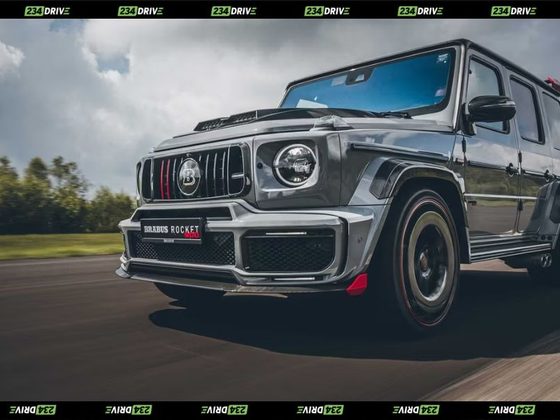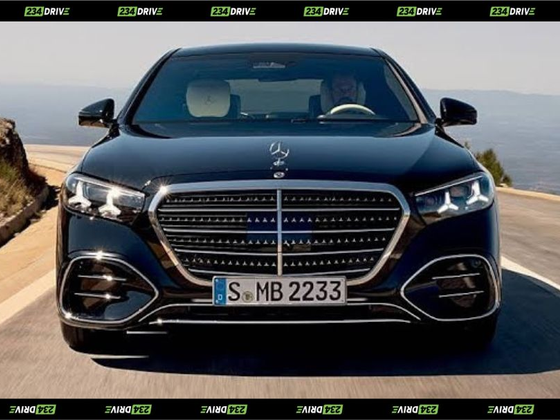

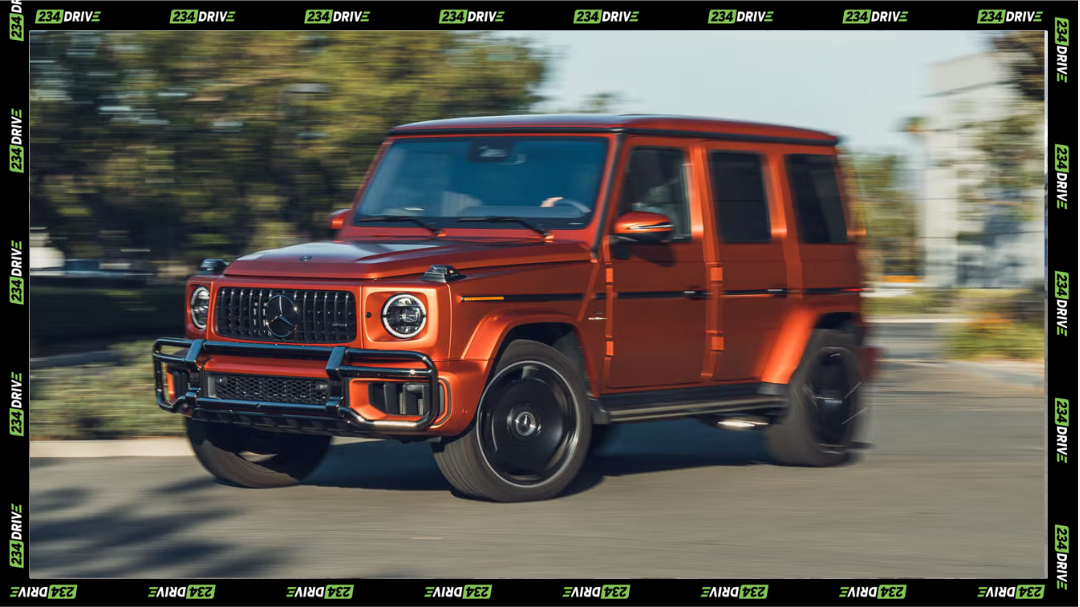
Observe the VIP section of any major airport in Africa or watch the motorcades gliding into government secretariats across Abuja and Pretoria. The vehicle of choice is almost always a black Mercedes-Benz S-Class or a heavily armoured G-Wagon. To the observer, the three-pointed star signals concentrated wealth, elite status and dynastic power. Because the brand is so heavily associated with individual supremacy, it is easy to assume the company behind it mirrors this image—perhaps controlled by a secretive German family or a single autocratic billionaire.
The reality of modern automotive economics is far more clinical. Mercedes-Benz is not a family heirloom. It is a highly fragmented, globally distributed financial behemoth.
No single individual, founding family or rival automotive group owns Mercedes-Benz. Unravelling its ownership structure requires looking past the leather-lined cabins to examine the boardrooms of Beijing, the sovereign wealth funds of the Middle East and the massive institutional trading floors of Wall Street.
Here is the data-backed reality of who actually controls the world’s most recognisable luxury automaker.
The Corporate Entity
Mercedes-Benz is operated by the Mercedes-Benz Group AG, a publicly traded multinational corporation headquartered in Stuttgart within the German state of Baden-Württemberg.
The company is listed on the Frankfurt Stock Exchange under the ticker symbol MBG and serves as a core component of the DAX index. As of late 2024, the company had approximately 963 million shares outstanding. This immense volume of shares means ownership is inherently decentralised. The company is currently guided by CEO Ola Källenius, a Swedish-German executive who reports to a supervisory board, rather than a single dominant owner.
Under Källenius, the company has aggressively refined its luxury passenger vehicle portfolio to focus almost exclusively on high-margin products. This includes the core Mercedes-Benz lineup, the performance-oriented Mercedes-AMG division, the ultra-luxury Mercedes-Maybach arm and the expanding Mercedes-EQ electric range.
Crucially, we must dismiss the enduring playground rumours regarding automotive acquisitions. Volkswagen does not own Mercedes-Benz. BMW is a fierce independent rival, not a parent company. Toyota has no financial stake in Stuttgart. The company stands alone as an independent public entity.
The Eastern Shift in Power
While no single entity holds a majority stake, the largest individual shareholders reveal a fascinating geopolitical reality. The most significant strategic influence over Mercedes-Benz now comes directly from China.
According to official shareholder structure data from recent financial disclosures, the two largest single shareholders are Chinese. The BAIC Group, a Chinese state-linked automotive enterprise officially operating as Beijing State-owned Capital Operation and Management, holds roughly 9.98% to 10.4% of the company.
Following closely behind is Chinese billionaire Li Shufu, the founder and chairman of Geely. Through his investment vehicle Tenaciou3 Prospect Investment Limited, Li controls approximately 9.69% to 10.1% of the shares. He shocked the European financial establishment when he quietly built this massive stake in 2018.
This means Chinese interests effectively control roughly a fifth of the German automaker. This is not a hostile takeover but a calculated strategic alignment. China is the largest and most critical market for Mercedes-Benz’s flagship vehicles, particularly the S-Class and Maybach. Having powerful Chinese stakeholders ensures political goodwill and vital local partnerships in a highly regulated market.
Sovereign Wealth and Institutional Muscle
Beyond Beijing, the next major power player sits in the Middle East. The Kuwait Investment Authority holds approximately 5.8% of the company. This sovereign wealth fund is not a new arrival seeking quick technological gains. Kuwait has been a stable, long-term investor in the German automaker since 1974, providing crucial financial anchoring through multiple global economic crises.
When we combine the Chinese stakeholders and the Kuwaiti fund, strategic major holders account for roughly 25% to 26% of the company. The rest of the ownership is heavily financialised.
Global institutional investors control over a quarter of the shares. Heavyweights like BlackRock hold between 5% and 6%, while other major asset managers like Vanguard, Amundi and Norway’s Norges Bank Investment Management hold significant blocks. A review of recent institutional ownership records shows these financial titans dictating the daily trading volume and shaping broad corporate governance expectations.
Remarkably, retail investors and the general public hold nearly half the company. The free float sits near 79%, meaning everyday people with brokerage accounts collectively own the lion’s share of the three-pointed star.
A Century of Strategic Evolution
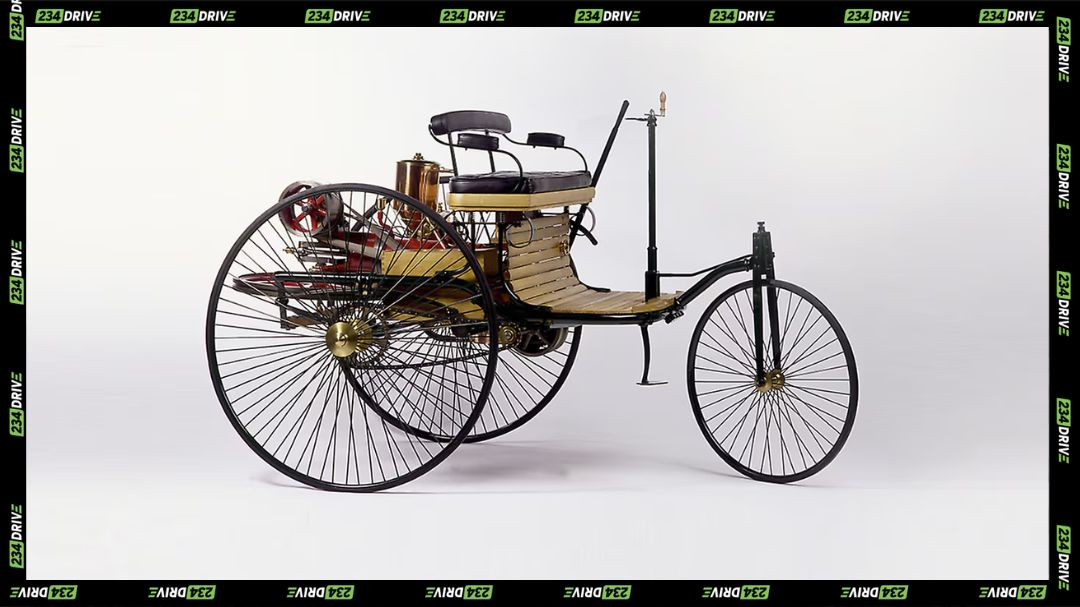
The current ownership structure is the result of over a century of corporate evolution, mergers and strategic divorces. Looking through the detailed corporate history archives, the modern entity traces its roots back to the 1926 merger of Carl Benz’s company and Gottlieb Daimler’s operation. This union created Daimler-Benz AG and birthed the Mercedes-Benz brand we recognise today.
The company spent the late 20th century experimenting with expansion. In 1998, it executed a high-profile ‘merger of equals’ with American automaker Chrysler to form DaimlerChrysler AG. The culture clash was catastrophic and the companies eventually divorced in 2007, leaving the German entity to rename itself Daimler AG.
The final, defining shift occurred between 2021 and 2022. Realising that building heavy-duty logistics trucks and engineering ultra-luxury passenger cars required entirely different business models, the company split itself in two. It spun off its commercial vehicle division into an independent, publicly traded company called Daimler Truck Holding AG.
Following this spin-off, the passenger car division officially renamed itself Mercedes-Benz Group AG in February 2022. This renaming was a deliberate psychological reset. It communicated to shareholders that the company was no longer a sprawling industrial conglomerate but a razor-focused luxury lifestyle brand.
The Ultimate Globalised Asset
When an executive purchases a Mercedes-Maybach GLS in Lagos or Johannesburg, they are buying into a masterful illusion of solitary German engineering. The reality is far more complex and far more impressive.
The vehicle is the product of a company largely owned by ordinary retail investors, financially anchored by Middle Eastern oil wealth, strategically guided by Chinese state and private capital and institutionally managed by Wall Street asset managers. Mercedes-Benz is not owned by a single kingmaker. It is the ultimate globalised asset, meticulously engineered to extract premium value from every corner of the world.