
Formula 1 operates at the absolute frontier of automotive engineering. The vehicles lining up on the grid in Melbourne, Monaco and Silverstone are not simply racing cars. They are bespoke aerodynamics projects confined to a tarmac circuit. Because these machines exist at the bleeding edge of material science and aerodynamic research, the financial investment required to produce a single unit is staggering. For motorsport fans and industry analysts alike, a common question consistently dominates the pre-season conversation: exactly how much does an F1 car cost to build and put on the track?
The Fédération Internationale de l’Automobile (FIA) and competing teams never publish an official bill of materials. Teams guard their proprietary technology with the same intensity as state secrets. However, industry analysts tracking the total vehicle assembly price confirm the figure remains consistently astronomical.
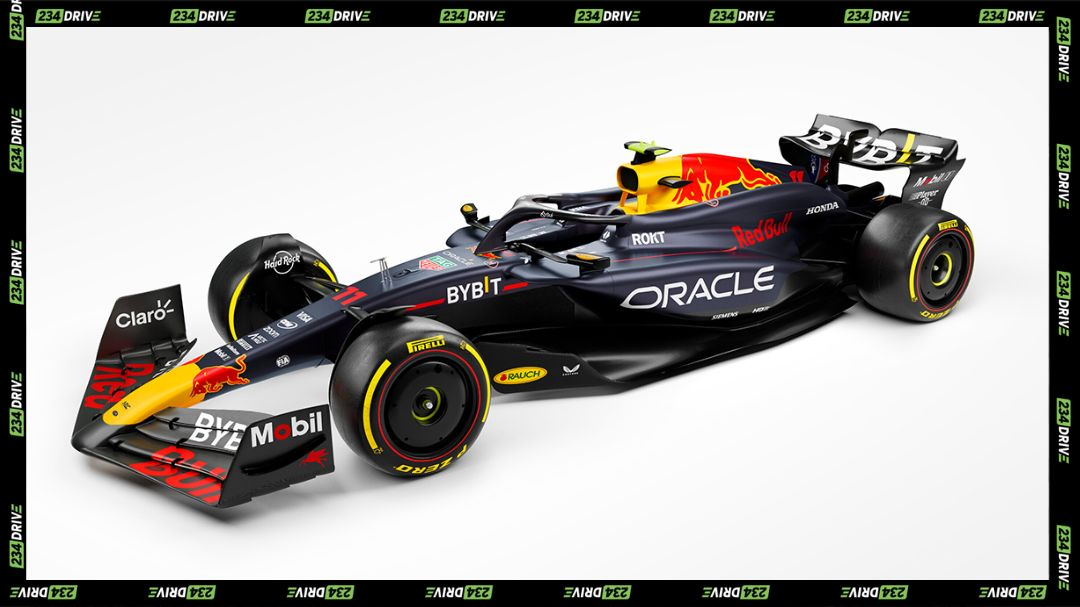
For the 2026 season, which introduces a massive regulation overhaul requiring clean-sheet vehicle designs, the estimated physical build cost for a single fully assembled Formula 1 car sits between ₦22.5 billion ($15 million) and ₦33 billion ($22 million).
This figure represents physical components and initial assembly alone. It actively excludes the billions of Naira spent on the research and development necessary to design those parts. Understanding why a single open-wheel racing car costs as much as a private jet requires dismantling the vehicle to examine the brutal economics of its core engineering components.
The Power Unit: The Dominant Expense
The hybrid power unit is the single most expensive item within a Formula 1 car. It typically accounts for roughly half the total vehicle cost, demanding an estimated ₦12 billion ($8 million) to ₦16.5 billion ($11 million) per unit.
The 2026 regulations force a radical shift in powertrain architecture. The sport retains the 1.6-litre turbocharged V6 internal combustion engine but fundamentally alters the hybrid energy recovery system. The FIA completely removed the highly complex Motor Generator Unit-Heat (MGU-H). To compensate for this loss, regulators mandated a massive increase in the output of the Motor Generator Unit-Kinetic (MGU-K). The new MGU-K must generate approximately 350 kilowatts of electrical power—a staggering leap from the previous 120-kilowatt limit.
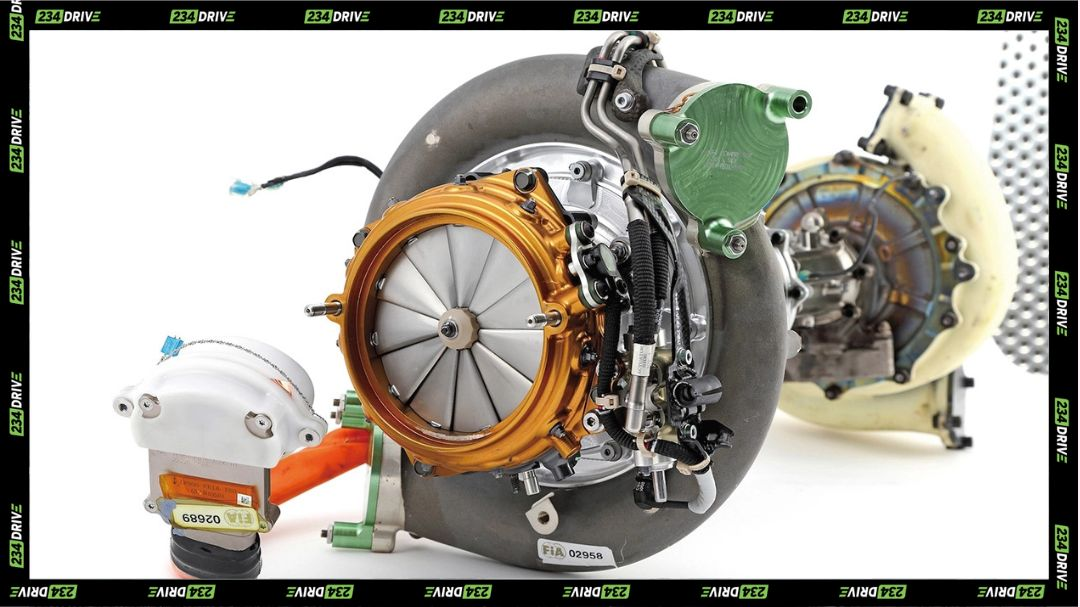
This creates a power unit with a roughly equal power split between internal combustion and electric energy. Furthermore, these new engines run exclusively on 100% sustainable fuel. Engineering a powertrain that can deploy this immense electrical load while surviving the violent vibrations and thermal extremes of a Grand Prix demands exotic metallurgy, advanced battery chemistry and exhaustive dyno testing.
For manufacturer teams like Mercedes, Ferrari, Audi and Honda, the internal development costs are immense. To prevent runaway spending in this specific technological arms race, the FIA instituted a separate power unit manufacturer cost cap of ₦285 billion ($190 million) per season. Meanwhile, independent customer teams lease these units from the manufacturers at regulated maximum prices that historically hover between ₦19.8 billion (€12 million) and ₦28.05 billion (€17 million) annually.
The Carbon-Fibre Skeleton
When examining a detailed historical component breakdown, the chassis—officially known as the monocoque or survival cell—stands as the second most critical expense. Manufacturing this central structure costs between ₦900 million ($600,000) and ₦2.25 billion ($1.5 million).
Technicians manufacture the monocoque from hundreds of individual layers of aerospace-grade carbon fibre. They lay these sheets meticulously by hand into bespoke moulds before curing them in massive industrial autoclaves. The resulting structure must be extraordinarily light to meet strict minimum weight regulations yet strong enough to absorb the kinetic energy of a 200-mile-per-hour impact.
Engineers attach the halo device directly to this survival cell. Introduced specifically for driver safety, this titanium structure costs approximately ₦25.5 million ($17,000). While the price appears modest compared to the engine, the halo must withstand the equivalent weight of a London double-decker bus resting upon it without deforming or failing.
Aerodynamics and Transmission
A Formula 1 car generates its lap time primarily through aerodynamic downforce. The surfaces that manipulate the air are constantly evolving. Teams manufacture multiple iterations of these parts throughout a single season to extract marginal performance gains.
A complete front wing assembly includes the complex nose cone and multiple carbon-fibre elements designed to direct turbulent airflow around the front tyres. This single assembly costs between ₦210 million ($140,000) and ₦450 million ($300,000). The rear wing assembly, which houses the hydraulic Drag Reduction System (DRS) mechanism, adds a further ₦127.5 million ($85,000) to ₦225 million ($150,000) to the total bill.
A highly specialised seamless-shift gearbox delivers power to the rear wheels. Valued between ₦525 million ($350,000) and ₦900 million ($600,000), this transmission must execute thousands of violent gear changes per race with zero loss of drive. Under strict FIA allocation rules, a single gearbox must survive multiple consecutive race weekends. This durability requirement pushes the absolute limits of material endurance and engineering precision.
Even the steering wheel is a feat of extreme manufacturing. Costing between ₦75 million ($50,000) and ₦150 million ($100,000), it functions as the central command computer for the entire vehicle. Technicians custom-mould the grips to the individual driver’s hands. The wheel features a complex digital display alongside dozens of rotary dials and switches that allow the driver to control brake bias, engine mapping and differential settings at racing speeds.
The Economics of Consumables
The operational costs extend directly to the parts that physically touch the circuit. Pirelli serves as the sole tyre supplier for the entire Formula 1 grid. While individual estimates place the cost of a single set of four tyres at roughly ₦4.05 million ($2,700), teams do not purchase rubber per unit. Instead, they pay a flat seasonal supply fee estimated at around ₦7.5 billion ($5 million) per team. This fee covers the vast allocation of dry, intermediate and wet weather compounds required for two cars across a 24-race calendar, alongside Pirelli’s dedicated trackside engineering support.
Smaller unseen components inflate the budget rapidly. Bespoke hydraulics systems demand roughly ₦255 million ($170,000). The Kevlar-reinforced fuel cell, wiring looms, advanced telemetry sensors and suspension wishbones collectively add billions of Naira to the final assembly. Even the individual wheel nuts command premium prices. Machined from exotic alloys to withstand the immense torque of rapid pit stop guns, these small components can cost hundreds of thousands of Naira each.
Understanding the Financial Regulations
The ₦22.5 billion ($15 million) to ₦33 billion ($22 million) price tag of a single physical car represents only a fraction of the seasonal economic reality. To level the playing field and prevent the sport’s wealthiest constructors from simply outspending their rivals into oblivion, the FIA enforces strict financial limits.
For the 2026 season, regulators set the baseline team cost cap at ₦322.5 billion ($215 million) for a 24-race calendar. This figure covers core performance-related expenditures including vehicle design, component manufacturing and trackside operations. It represents a substantial increase from the original ₦202.5 billion ($135 million) baseline introduced in 2021. Global inflation and the reclassification of previously excluded capital depreciation costs drove this necessary upward adjustment.
However, total team budgets routinely exceed ₦450 billion ($300 million) because the regulations legally exclude several major expenses from the cap. Driver salaries, the remuneration for the three highest-paid non-driver executives, marketing operations and certain hospitality expenses sit entirely outside the restricted budget.
Under the highly complex and updated 2026 financial regulations, teams face immense pressure to balance their manufacturing output. A team does not simply build two cars and race them all year. They must construct multiple spare chassis, constantly manufacture upgraded aerodynamic floors and maintain a vast global inventory of replacement parts. When a driver crashes heavily during a weekend, the resulting structural damage counts directly against the cost cap. This actively drains funds that engineers would otherwise spend on performance development.
The Price of Clean-Sheet Evolution
The cost of building a Formula 1 car has escalated sharply over the past decade. During the mid-2010s hybrid era, analysts roughly estimated a complete vehicle at ₦10.5 billion ($7 million) to ₦18 billion ($12 million). The steady rise into the mid-teens during the subsequent ground-effect era has now culminated in the 2026 financial peak.
This peak is the direct result of transitional economics. Major regulation changes force teams to abandon years of refined, amortised research. The 2026 cars mandate a shorter wheelbase, a narrower chassis, a reduced minimum weight and entirely new active aerodynamic elements. Because engineers cannot carry a single major component over from the 2025 vehicles, teams must absorb the brutal upfront cost of clean-sheet manufacturing.
Formula 1 vehicles are not consumer products. They are closely guarded corporate assets built to achieve one specific goal on a Sunday afternoon. The ₦33 billion ($22 million) required to bolt one together simply represents the entry fee to participate in the most technologically aggressive sporting environment on the planet.