
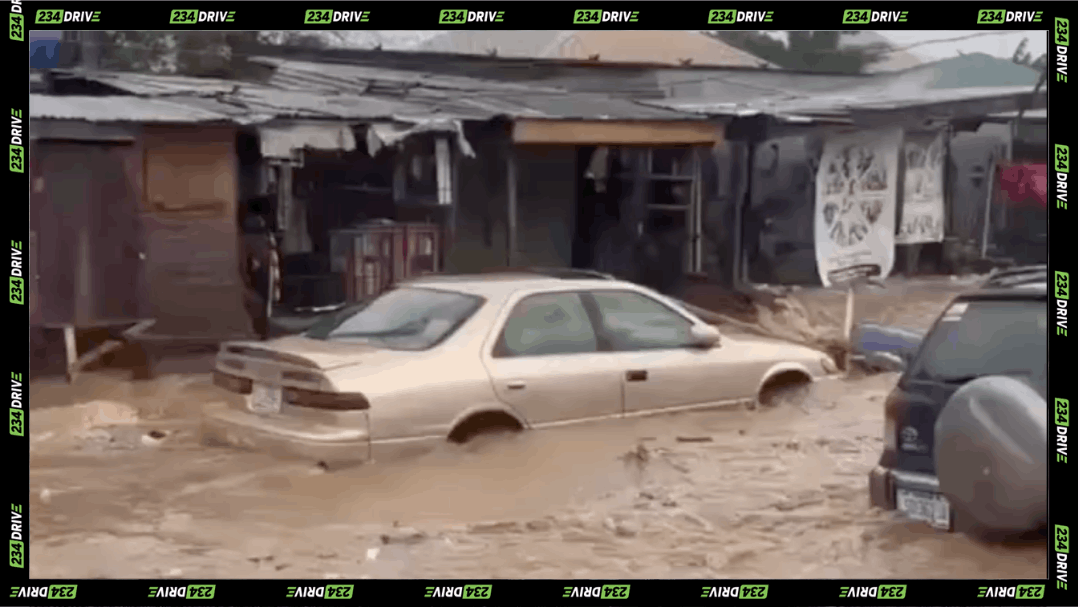
In the wake of intense rainy seasons across Nigeria’s major urban areas, the question of asset protection becomes urgent. Cities such as Lagos, Port Harcourt and Asaba face severe drainage challenges, leaving thousands of vehicles vulnerable to water damage annually. For vehicle owners, assuming that motor insurance automatically offers protection against natural disasters is a costly misconception.
Whether motor insurance covers flood damage in Nigeria is not a simple binary question. The reality of recovery depends heavily on the policy type, the specific policy wording and whether flood cover has been activated as a special peril. With the insurance penetration rate in Nigeria sitting at less than 1%, understanding the fine print of your policy is the first step towards safeguarding your financial interests.
The Legal and Regulatory Environment: NIIRA 2025
The regulatory landscape of the Nigerian insurance sector has undergone significant structural updates. Under the newly enacted Nigerian Insurance Industry Reform Act (NIIRA) 2025, signed into law on 5 August 2025, the National Insurance Commission (NAICOM) has introduced a modernised, risk-based approach to supervision. This legislation repeals the outdated Insurance Act 2003, establishing stricter capital adequacy requirements and enhanced consumer protection frameworks.
For motor vehicle owners, the standardisation of policies and the digitalisation of compliance are key elements of this reform. All legitimate motor policies must now be registered and verifiable on the Nigerian Insurance Industry Database (NIID), a central registry initiated by the Nigerian Insurers Association (NIA). This digital infrastructure allows law enforcement agencies and policyholders to instantly validate certificates, helping to eliminate fraudulent coverage in the market.
Classifying Motor Insurance in Nigeria
To understand how flood risks are treated, it is necessary to categorise the three primary motor insurance tiers authorised under NAICOM regulations.
| Policy Type | Annual Premium Cost | Flood Protection Coverage |
| Third-Party (Mandatory Minimum) | ₦15,000 to ₦25,000 | No Coverage |
| Third-Party Fire & Theft (Mid-Tier Option) | Varies by Insured Value | No Coverage |
| Comprehensive (Full Protection) | 4% to 7% of Vehicle Value | Included or Optional Extension |
Third-Party Motor Insurance
This is the mandatory minimum coverage required by law to operate any vehicle on public roads. Under current schedules, a third-party policy for a private passenger car costs between ₦15,000 and ₦25,000 annually.
While this policy provides unlimited liability cover for bodily injury or death caused to third parties, and covers third-party property damage up to a limit of ₦3 million to ₦5 million, it offers zero protection for your own vehicle. If your car is submerged or swept away by a flood, a third-party policy will yield no financial recovery.
Third-Party Fire & Theft
This mid-tier policy extends the basic third-party framework to cover damage to your own vehicle resulting from fire or theft. However, standard policy schedules for this tier do not accommodate natural perils. Damage arising from torrential rains, overflowing watercourses or rising reservoirs is excluded.
Comprehensive Motor Insurance
A comprehensive motor insurance policy is designed to cover third-party liabilities alongside damage to your own vehicle caused by accidents, theft, vandalism and malicious acts. The premium for a comprehensive policy typically ranges from 4% to 7% of the vehicle’s total sum insured. For example, a vehicle valued at ₦10 million will attract an annual premium of between ₦200,000 and ₦700,000.
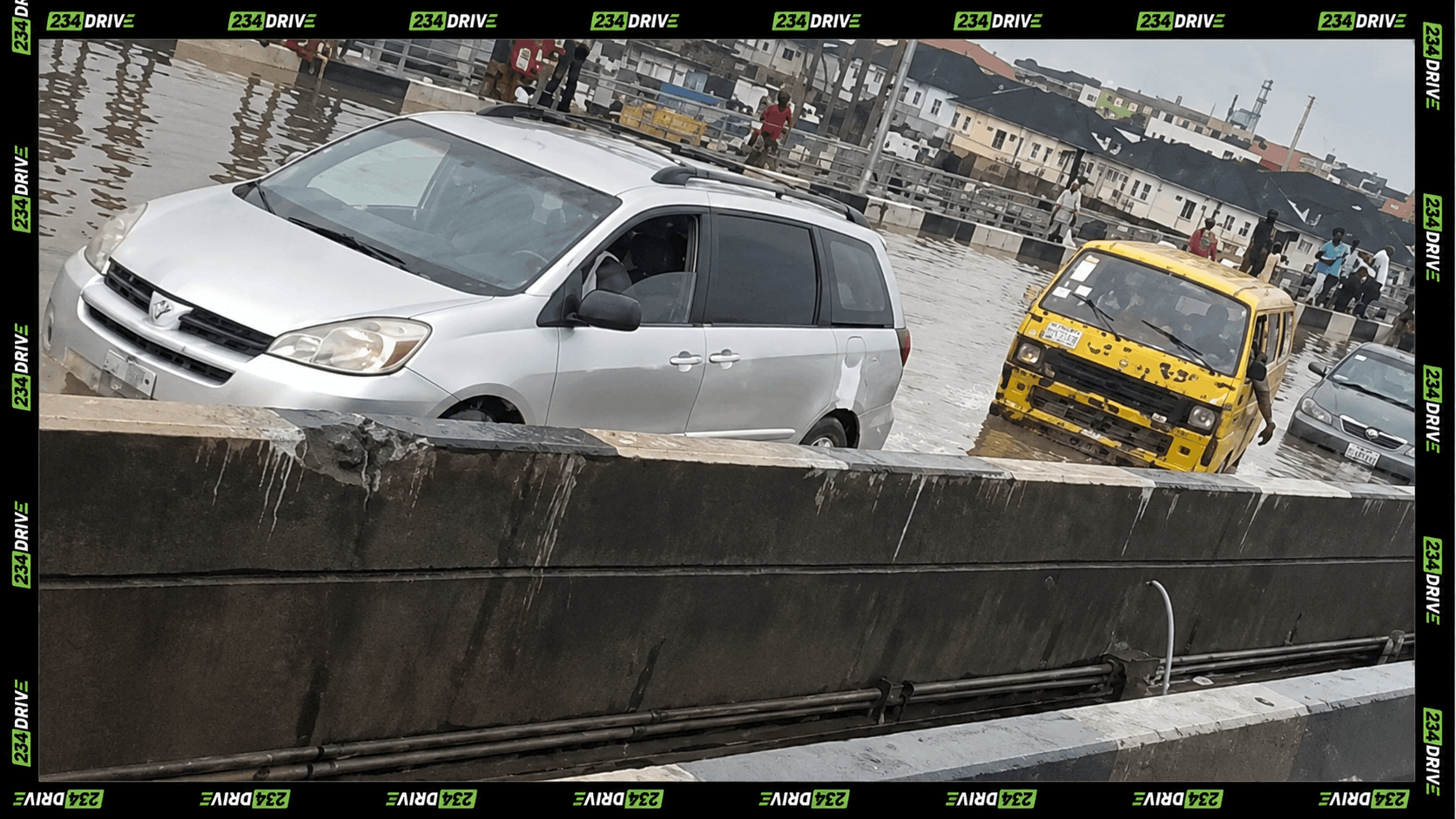
When assessing what comprehensive covers regarding natural disasters, policyholders must look past standard marketing materials and inspect specific contractual limitations. In the Nigerian market, flood damage is frequently categorised as a ‘special peril’ that must be explicitly endorsed.
Standard Cover vs. Special Peril Endorsements
The critical point of failure for many policyholders during major flooding events is the distinction between standard comprehensive cover and special peril extensions. Many insurers offer flood cover as a standard inclusion in their premium packages, but others treat it as an optional add-on that requires an additional premium payment or an explicit sign-off on the policy schedule.
In standard private motor policy documents, such as those provided by Linkage Assurance, Custodian Insurance or Leadway Assurance, the term ‘flood’ is defined precisely. It generally refers to:
- The overflowing of normal watercourses, such as rivers, canals and drainage networks.
- The bursting of water mains or municipal pipes.
- The sudden, abnormal accumulation of surface water resulting from torrential rain.
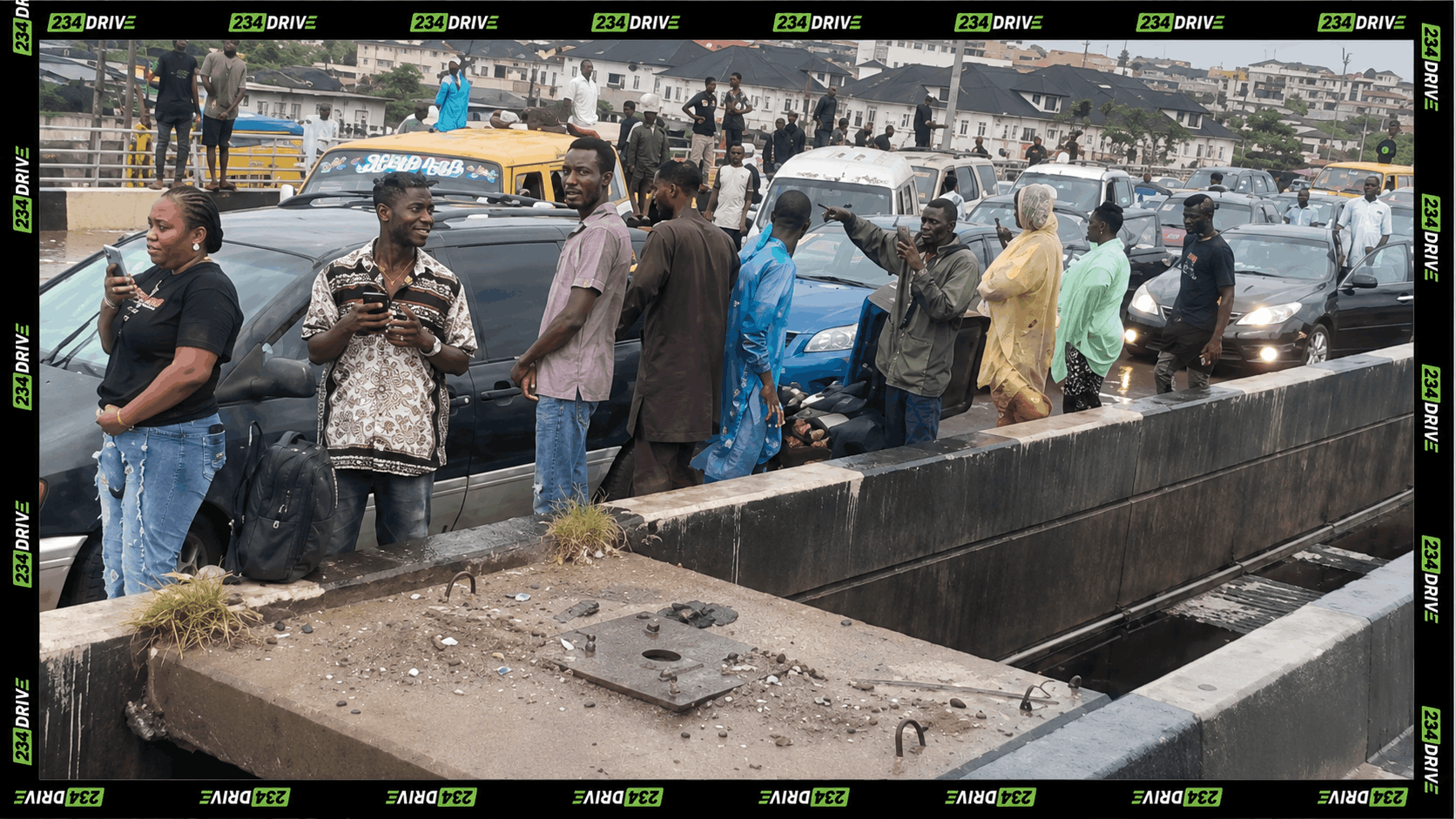
If your comprehensive policy does not explicitly list ‘Flood’, ‘Storm’ or ‘Special Perils’ on the physical policy schedule under the active benefits section, the insurer has the legal right to repudiate the claim. During severe seasonal flooding on the Lagos Island axis-specifically across Lekki, Ajah and Victoria Island-many vehicle owners discovered too late that their comprehensive packages lacked the necessary special peril endorsements.
Policy Exclusions and Claim Pitfalls
Even with an active flood endorsement, insurers will scrutinise the circumstances of a loss to find grounds for common claim denials and protect their capital reserves. Underwriting companies enforce strict exclusions designed to penalise negligent behaviour.
Contributory Negligence
This is the most common ground for claim denials following a flood event. Contributory negligence occurs when the policyholder takes actions that actively worsen or invite damage. For instance, if you attempt to drive through a visibly flooded road and the engine stalls, the insurer may argue that the damage was avoidable.
The most severe technical issue in this scenario is ‘hydrolock’, which occurs when water enters the engine cylinders through the air intake, causing catastrophic mechanical failure. If you attempt to restart a submerged engine, you will likely cause structural engine damage. Insurers treat the act of turning the key in a flooded vehicle as a self-inflicted loss, resulting in a swift denial of the claim.
Gradual Wear and Tear
Insurance policies are designed to cover sudden, accidental and unforeseen events. They do not cover gradual deterioration. If a vehicle is consistently exposed to minor dampness, leading to gradual rust, corrosion or slow electrical decay over several months, this is categorised as a maintenance failure. The insurer will not pay for the replacement of electrical harnesses or body panels damaged by long-term moisture exposure.
Consequential Losses
A standard motor policy covers the physical repairs of the insured asset. It does not cover consequential financial impacts, such as the ‘loss of use’ of the vehicle. Unless you have purchased a specific add-on that provides a replacement rental car or a daily transport allowance during repairs, these expenses must be borne out of pocket.
Step-by-Step Guide to Filing a Flood Claim
If your vehicle is affected by a flood, navigating the claims process with precision is vital for securing a settlement.
- Do Not Attempt to Start the Engine: If your vehicle has been submerged, do not insert the key or press the start button. Doing so risks causing internal mechanical failure that will invalidate your policy.
- Document the Scene Immediately: Take clear photographs and high-definition videos showing the water levels, the position of the vehicle and the surrounding environment. This serves as objective proof of the flood event.
- Notify Your Insurer or Broker: Contact your insurance company within 24 to 48 hours of the incident. Under NIIRA 2025 guidelines, prompt notification is essential. Ensure you obtain a claim form and note the reference number assigned to your case.
- Arrange for Professional Towing: Most comprehensive policies cover towing costs up to a specified limit, typically between ₦50,000 and ₦100,000. Have the vehicle towed directly to an authorised dealer workshop or an insurer-approved garage.
- Prepare for the Policy Excess: The policyholder is responsible for paying the policy excess-the initial portion of the claim value. This is typically set as a fixed percentage, such as 10% of the total repair cost, or a flat fee specified in the contract.
Best Practices for Vehicle Owners in Nigeria
To ensure complete financial protection during the rainy season, vehicle owners must adopt a proactive approach to risk management.
- Review the Policy Schedule: Do not rely on marketing brochures. Request your physical policy schedule and verify that ‘Flood’ or ‘Special Perils’ is listed as an active, covered risk.
- Leverage the NIID Database: Always verify the validity of your motor policy by dialling the USSD code *565*11# on any mobile network in Nigeria. If your policy details do not appear in the database, the certificate may be invalid.
- Consider Engine Protection Add-Ons: If you reside in high-risk zones, ask your licensed insurance broker about specialised engine protection extensions. These add-ons are specifically designed to cover hydrolock and engine ingress.
- Avoid Flood-Prone Parking: Whenever heavy rainfall is forecasted, relocate your vehicle to elevated parking structures. Avoiding low-lying streets remains the most effective way to prevent total loss write-offs.
By understanding the exact legal and operational frameworks of motor insurance in Nigeria, vehicle owners can navigate environmental challenges with financial confidence.