
The average Nigerian commuter vehicle operates in a uniquely hostile environment. Between extreme tropical heat, hours spent idling in gridlock and the inconsistent quality of available fuel, engine components degrade far faster than manufacturer textbooks suggest. In this reality, vehicle efficiency is not just about routine maintenance—it is about economic survival. Yet, thousands of drivers are unknowingly burning excess fuel and risking severe exhaust system damage every day due to a single, often overlooked component: the oxygen sensor.
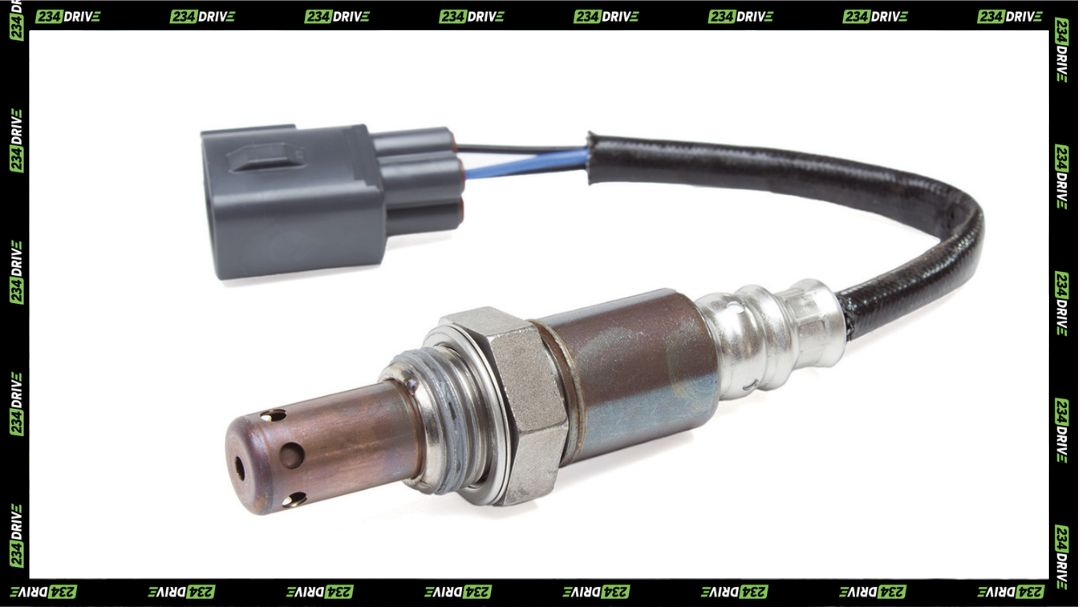
Understanding how an oxygen sensor in a car functions is critical for the modern Nigerian driver. This small electronic device dictates exactly how your engine consumes fuel. When it fails, the mechanical and financial impact is immediate.
This is the definitive guide to understanding, diagnosing and replacing a failing oxygen sensor in the Nigerian automotive environment.
What is an Oxygen Sensor?
An oxygen sensor (commonly referred to as an O2 sensor or Lambda sensor) is a spark-plug-sized electronic device mounted directly into your vehicle’s exhaust system. Its primary function is to measure the amount of unburnt oxygen exiting the engine in the exhaust gases.
The sensor transmits this data continuously to the car’s Engine Control Unit (ECU). The ECU uses this real-time information to adjust the air-fuel mixture entering the engine, aiming for the perfect stoichiometric ratio of 14.7:1 (14.7 parts air to 1 part fuel). A comprehensive breakdown of the basic function of an automotive oxygen sensor reveals that this constant monitoring allows the engine to achieve optimal combustion, maximising power while minimising fuel consumption and harmful emissions.
Most conventional zirconia oxygen sensors work by generating a small electrical voltage based on the difference between the oxygen levels in the exhaust gas and the outside air. This voltage typically fluctuates between 0.1 V (indicating a lean mixture with too much oxygen) and 0.9 V (indicating a rich mixture with too little oxygen). Modern vehicles utilise heated sensors that reach operating temperature rapidly, ensuring the ECU can begin managing fuel efficiency just moments after you turn the ignition.
How to Locate the Sensor in Your Vehicle
Finding an oxygen sensor does not require a specialised mechanic’s manual. It is physically screwed directly into your vehicle’s exhaust pipe and resembles a spark plug with a thick cluster of wires extending from the top.
To locate the primary sensor, open your bonnet and find the exhaust manifold, the thick metal pipes leading away from the engine block. The sensor is typically mounted right on this manifold or just below it, sitting in plain sight.
To find the secondary sensor, you must look underneath the vehicle. Follow the exhaust pipe past the bulge of the catalytic converter. The secondary sensor is threaded into the pipe immediately after it. Tracing the exhaust system from the engine down to the middle of the car is the foolproof way to locate every sensor your specific model utilises.
Upstream vs Downstream: Knowing the Difference
Many popular vehicles on Nigerian roads—from the ubiquitous Toyota Corolla to the Honda Accord—utilise multiple oxygen sensors. These are divided into two distinct categories based on their location relative to the catalytic converter.
- Upstream Sensors (Bank 1 Sensor 1): Located before the catalytic converter, these are the primary sensors you see under the bonnet. They actively control the engine’s air-fuel mixture. When fuel economy plummets, the upstream sensor is almost always the culprit.
- Downstream Sensors (Bank 1 Sensor 2): Located after the catalytic converter underneath the car. Their sole job is to monitor the efficiency of the catalytic converter itself.
Older vehicles generally use narrowband sensors that simply tell the ECU if the mixture is rich or lean. Newer models increasingly feature wideband sensors (often called Air-Fuel Ratio sensors) that provide highly precise measurements across a broad spectrum of operating conditions. Understanding the technical distinction between upstream versus downstream oxygen sensors is crucial when purchasing replacement parts to ensure you do not buy the wrong component for your specific diagnostic code.
The Reality of Sensor Lifespan in Nigeria
Under ideal laboratory conditions, older unheated sensors last roughly 50,000 to 80,000 kilometres while modern heated sensors can survive up to 160,000 kilometres. However, the Nigerian driving environment rarely offers ideal conditions.
The intense tropical heat, pervasive dust, hours spent idling in Lagos or Abuja traffic gridlock and frequent short trips prevent the exhaust from burning off carbon deposits efficiently. Consequently, sensors on Nigerian roads frequently fail well before their textbook expiration dates.
Symptoms of a Bad Oxygen Sensor
Because the O2 sensor directly influences fuel delivery, a malfunction immediately affects how the car drives. Recognising the common signs of a failing oxygen sensor saves drivers from catastrophic repair bills down the line.
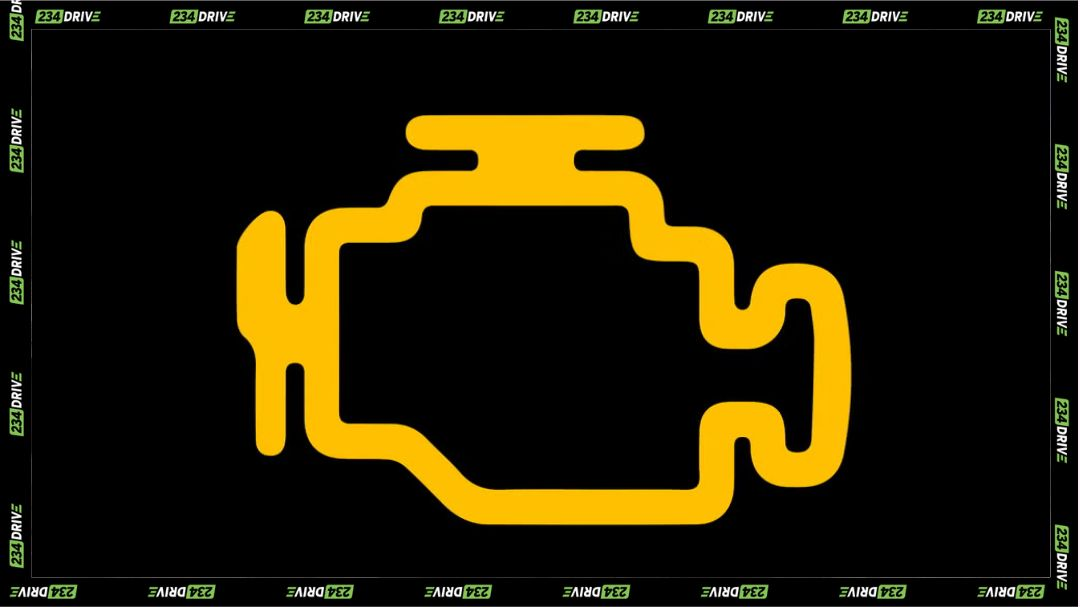
The most obvious warning is an illuminated Check Engine Light (CEL). While many Nigerian drivers unfortunately treat this light as a mere suggestion, an O2 sensor fault is one of the most common triggers for it to appear.
Beyond the dashboard warning, the primary symptom is a drastic reduction in fuel economy. If you suddenly find yourself visiting the filling station far more frequently for the same daily commute, a ‘lazy’ or dead sensor is forcing your engine to run rich (dumping excess fuel into the cylinders).
Drivers will also experience rough idling, engine hesitation during acceleration and occasional misfires. In severe cases, the exhaust will emit thick black smoke or a distinct rotten-egg (sulphur) smell. Knowing exactly when your oxygen sensor needs replacement is vital because ignoring a severely rich fuel mixture will eventually melt the internal structure of your catalytic converter—a component that costs hundreds of thousands of Naira to replace.
Why Do Sensors Fail Early in Nigeria?
While normal ageing degrades any electronic component, premature failure in Nigeria is heavily linked to environmental and operational factors.
Local mechanics consistently cite poor-quality or adulterated fuel as the leading killer of oxygen sensors. Fuel contaminated with heavy metals, excess sulphur or unregulated additives coats the sensitive tip of the sensor, rendering it blind to the oxygen levels in the exhaust.
Internal engine issues also contribute. A failing head gasket leaking coolant or worn piston rings burning oil will coat the sensor in abrasive residue. Furthermore, the violent vibrations caused by navigating heavily potholed roads frequently damage the delicate wiring harnesses or crack the sensor housing itself.
Diagnosis: Stop Guessing, Start Scanning
The era of ‘trial and error’ mechanics is over. Replacing parts based on a hunch is a fast way to drain your bank account. If you suspect an oxygen sensor fault, the only accurate diagnostic method requires an OBD-II scanner.
Basic OBD-II scanners are widely available across Nigerian electronics markets and e-commerce platforms for less than ₦15,000. Plugging a scanner into your vehicle’s diagnostic port will reveal specific error codes. Common codes pointing to sensor failure include the P0130 to P0135 series (indicating Bank 1 Sensor 1 circuit or heater problems) and P0141 for heater circuit malfunctions.
A professional mechanic will take this a step further by reading the live data feed from the ECU. A healthy upstream sensor should switch rapidly between rich and lean voltages. If the voltage remains static or moves sluggishly, the sensor is definitively faulty.
Replacement Costs and Practical Advice
When it is time to replace the unit, the Nigerian aftermarket offers several tiers of quality. Checking current prices for replacement oxygen sensors reveals a wide financial spectrum based on brand and origin.
- Aftermarket (New): Generic or mid-tier brands typically range from ₦25,000 to ₦55,000 for common Toyota and Honda models.
- Original Equipment Manufacturer (OEM): Authentic Denso or Bosch sensors offer the best longevity but demand a premium, often costing between ₦40,000 and ₦100,000 depending on the vehicle.
- Tokunbo (Used): Foreign-used sensors are heavily traded at markets like Ladipo in Lagos, usually priced between ₦7,000 and ₦20,000. While cheap, buying a used sensor is a significant gamble as you cannot visually verify its internal health before installation.
Labour costs remain relatively affordable at independent workshops, typically ranging from ₦5,000 to ₦15,000 depending on how difficult the sensor is to reach.
For the DIY enthusiast, replacing a sensor requires a dedicated oxygen sensor socket (which features a cutout for the wires) and a strong breaker bar. Always allow the exhaust to cool completely before attempting the repair. Apply a small amount of anti-seize compound to the threads of the new sensor—being incredibly careful not to get any on the sensor tip—and thread it in by hand to avoid cross-threading. Once installed, clear the error codes with your scanner and take the vehicle for a 20-minute test drive to allow the ECU to relearn the optimal fuel trims.
Maintaining your oxygen sensor is not merely an exercise in dashboard light management. It is a direct investment in your daily mobility economics. In a high-cost environment, a properly functioning sensor ensures that every drop of fuel translates directly into forward motion rather than wasted heat and black smoke.