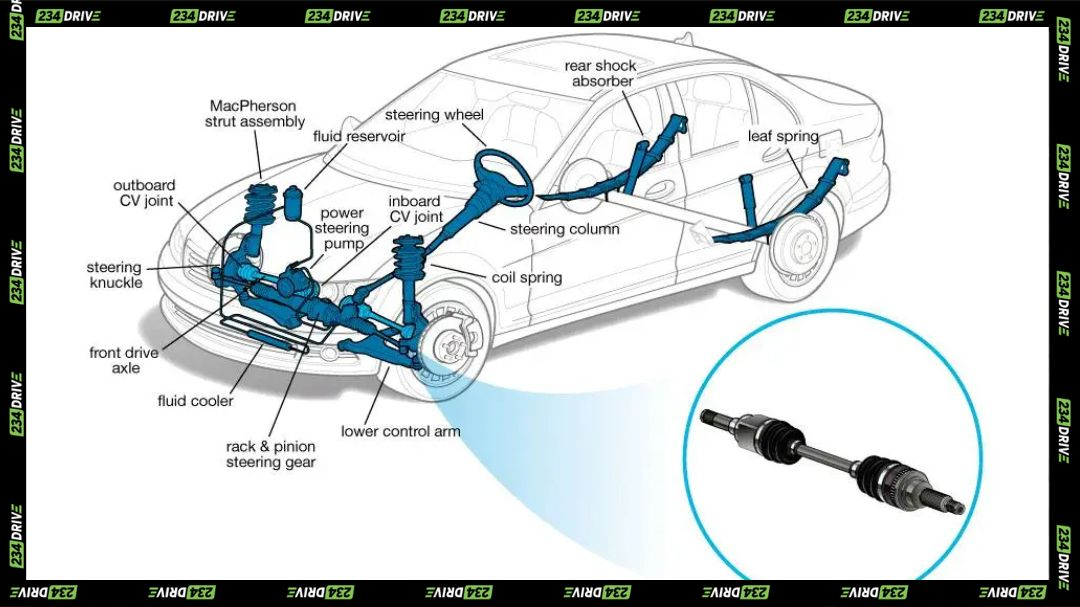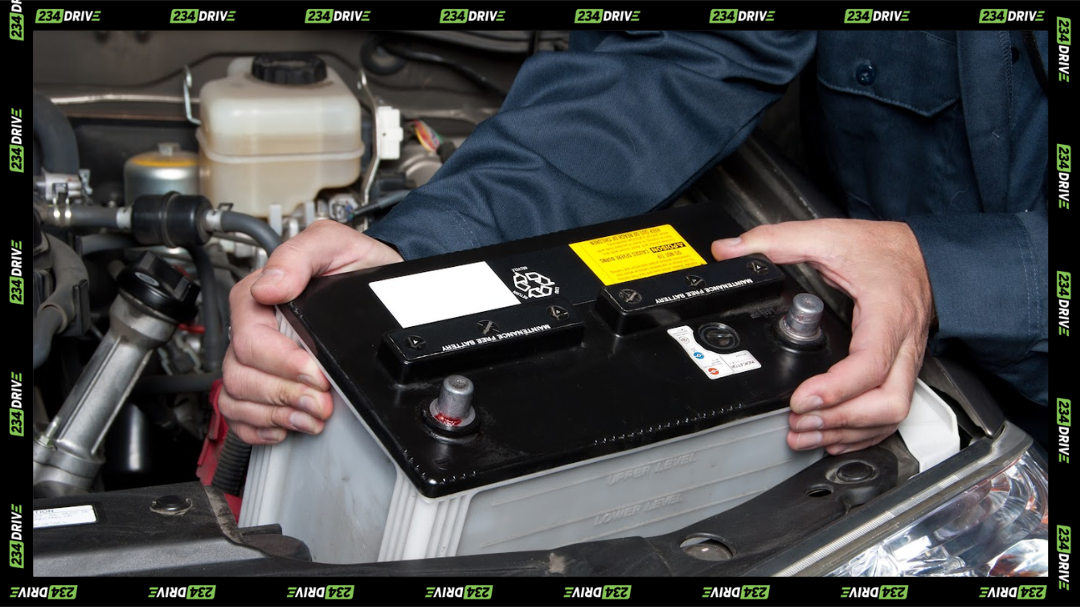

For more than a century, one dominant technology, the internal combustion engine, built the automobile industry. Petrol and diesel vehicles powered economies, connected cities, and transformed the way people traveled.
But the next chapter of mobility is unfolding differently.
Electric vehicles (EVs) have moved from being a niche technology to becoming one of the fastest-growing changes in the global automotive industry. What started as an alternative for environmentally conscious drivers has become a serious competitor to traditional vehicles, with manufacturers investing billions into batteries, charging networks and electric technology.
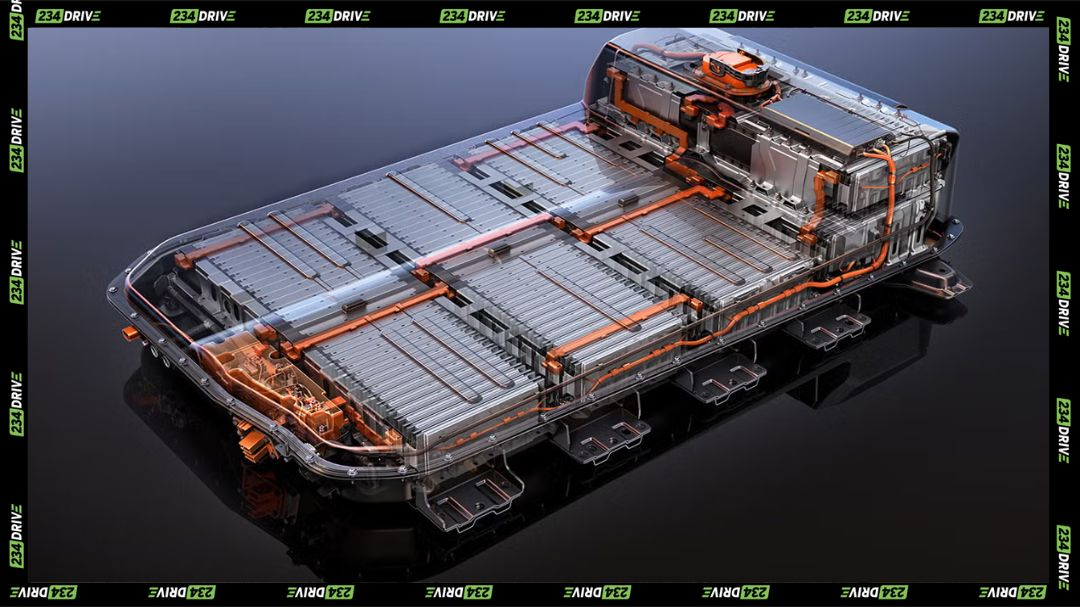
The global shift is already visible. According to the IEA Global EV Outlook, electric vehicle sales continue to expand rapidly, with major growth coming from China, Europe and emerging markets. The report highlights how falling battery costs, wider model availability, and government policies are accelerating EV adoption worldwide.
For Nigeria, electric vehicles represent both an opportunity and a challenge. Rising fuel costs, urban pollution and interest in cleaner transportation are increasing demand for EV solutions. However, limited charging infrastructure, electricity challenges and affordability remain major barriers.
Like every technology, electric cars come with advantages and disadvantages. Understanding both sides is important as the world moves toward a more electrified future.
10 Advantages of Electric Cars
1. Lower Running Costs
One of the biggest attractions of electric vehicles is the potential savings on daily operation.
Electricity is generally cheaper than petrol or diesel when comparing the cost of moving the same distance. EV owners who can charge at home often spend significantly less on energy compared with traditional vehicle owners who depend on fuel stations.
This advantage becomes even more important in countries where fuel prices have increased significantly. Reducing dependence on fuel could be a major benefit for Nigerian drivers, as petrol costs have become a significant concern for vehicle owners.
Over the lifetime of a vehicle, lower energy costs can make EV ownership more affordable despite the higher initial purchase price.
2. Reduced Maintenance Costs
Electric vehicles have fewer mechanical parts compared to petrol-powered cars.
Traditional vehicles require regular servicing involving engine oil changes, spark plugs, transmission maintenance, exhaust systems and other components. EVs eliminate many of these requirements because they use electric motors instead of complex combustion engines.
Regenerative braking systems also help reduce brake wear by recovering energy during slowing down.
According to analysis on electric car benefits, fewer moving parts and reduced servicing requirements are among the major reasons EVs can offer lower long-term ownership costs.
For developing markets, where spare parts and specialised mechanics can sometimes be expensive or difficult to find, simpler vehicle systems could become a major advantage.
3. Cleaner Air in Cities
Electric cars produce no direct exhaust emissions while driving.
This means they do not release pollutants such as nitrogen oxides and particulate matter from tailpipes, helping improve air quality in busy urban areas.
For cities dealing with traffic congestion and pollution, electric transportation can contribute to healthier environments.
This is particularly relevant for major African cities where transportation emissions contribute to air-quality challenges.
4. Lower Carbon Emissions Over Time
Although manufacturing electric vehicles, especially batteries, requires significant energy, studies show that EVs can produce lower lifetime emissions than comparable petrol vehicles in many regions.
The environmental advantage becomes stronger as electricity grids become cleaner and more renewable energy enters the system.
Research from institutions studying transportation trends has shown that EV adoption can deliver both environmental and economic benefits, especially when combined with cleaner energy sources and efficient charging systems.
5. Better Energy Efficiency
Electric motors are much more efficient than internal combustion engines.
A petrol engine loses a significant amount of energy through heat and mechanical processes, while electric motors convert a much larger percentage of stored battery energy into movement.
This efficiency is one reason EVs can deliver strong performance while using less energy.
It also explains why electric cars can accelerate quickly despite using smaller mechanical systems. Instant torque allows many EVs to deliver powerful acceleration from a standstill.
6. Impressive Performance
Electric vehicles have changed the meaning of speed.
Cars like the Rimac Nevera R, Tesla Model S Plaid, and YangWang U9 Xtreme have shown that EVs can compete with and even surpass some of the world’s fastest petrol-powered supercars.
The instant power delivery of electric motors allows vehicles to accelerate rapidly without waiting for engine revs or gear changes.
This performance advantage has helped change public perception of EVs from being practical vehicles only to becoming exciting performance machines.
7. Reduced Dependence on Oil
For countries that import large amounts of fuel, electric vehicles can improve energy security.
Instead of depending entirely on imported petrol and diesel, countries can use locally produced electricity from different sources, including solar, hydro and natural gas.
This could be especially important for African countries looking to reduce transportation costs and strengthen energy independence.
8. Support for Renewable Energy
Electric vehicles can work together with renewable energy systems.
A driver with solar panels, for example, can charge an EV using cleaner electricity generated at home.
Future technologies such as vehicle-to-grid systems could allow EV batteries to support electricity networks by storing and returning energy when needed.
9. Growing Vehicle Choices
A common argument against EVs in the past was limited options. That is changing quickly.
Today, consumers can choose from small city cars, SUVs, luxury vehicles, pickup trucks and high-performance models.
The growth of Chinese EV manufacturers has been especially important in expanding affordable electric vehicle options globally.
The global EV outlook shows that increasing model availability and manufacturing scale are helping electric vehicles reach more markets.
10. A Faster-Growing Global Industry
The EV industry is expanding at an unprecedented pace.
China has become the world’s largest electric vehicle market and manufacturing hub, while Europe and emerging economies continue to increase adoption.
Companies are investing heavily in battery technology, charging infrastructure and production capacity because electric mobility is expected to play a major role in future transportation.
10 Disadvantages of Electric Cars
1. Higher Purchase Price
The biggest challenge for many buyers remains the upfront cost.
Electric cars are often more expensive than similar petrol vehicles because batteries are costly to manufacture.
Although prices are falling, affordability remains a major barrier, especially in developing countries where vehicle financing options may be limited.
2. Charging Infrastructure Challenges
Unlike petrol stations, charging networks are still developing in many parts of the world.
In Nigeria, limited public charging stations and electricity reliability issues remain major concerns for potential EV owners.
Home charging can solve some problems, but not every driver has access to reliable electricity or private parking.
3. Longer Refueling Time
Charging an electric vehicle usually takes longer than filling a petrol tank.
Fast chargers have improved significantly, but charging can still take several minutes to nearly an hour depending on the vehicle and charger type.
For long-distance travel, charging planning becomes an important part of EV ownership.
4. Range Anxiety
Many potential buyers worry about running out of battery before reaching a charging point.
Although modern EVs now offer much longer ranges than earlier models, concerns remain stronger in regions where charging networks are limited.
For Nigerian drivers travelling between cities such as Lagos and Abuja, charging availability remains a major consideration.
5. Battery Replacement Concerns
EV batteries are designed to last many years, but replacement costs remain a concern.
Battery technology continues to improve, with manufacturers developing longer-lasting and safer battery chemistry.
However, buyers still consider battery health, warranty coverage, and replacement costs when purchasing electric vehicles.
6. Battery Mining and Environmental Concerns
Electric vehicles reduce emissions during use, but battery production requires minerals such as lithium, cobalt, nickel, and graphite.
Mining these materials can create environmental and social challenges.
The industry is working toward more sustainable mining practices and improved recycling systems.
7. Battery Recycling Challenges
As more EVs reach the end of their lifespan, battery recycling will become increasingly important.
China, the world’s largest EV market, is already facing the challenge of managing millions of electric vehicle batteries as the industry matures.
Reports on EV battery recycling highlight how recycling infrastructure will play a major role in creating a sustainable electric future.
8. Electricity Supply Issues
Electric vehicles depend on electricity.
In countries with unstable power grids, charging can become difficult.
For Nigeria, where many households and businesses already rely on alternative power sources, widespread EV adoption will require improvements in electricity generation and distribution.
9. Insurance and Repair Costs
While maintenance may be lower, some EV repairs can be expensive because of advanced electronics and battery technology.
Specialised technicians are still limited in many markets, creating challenges for owners.
10. Practical Limitations
Electric vehicles are not perfect for every situation.
Extreme weather, heavy loads, limited charging access, and infrastructure challenges can affect performance and convenience.
The success of EV adoption depends heavily on local conditions.
The Future of Electric Cars in Nigeria
Nigeria’s EV journey is still at an early stage, but the direction is clear.
The country has growing interest in electric mobility, supported by rising fuel costs, government initiatives and increasing availability of Chinese electric vehicles.
However, adoption will depend on solving key issues: affordable vehicles, reliable electricity, charging infrastructure and after-sales support.
Electric cars are not simply replacing petrol vehicles; they represent a larger transformation in how people think about transportation.
The future will likely not arrive overnight. Instead, it will come through a gradual transition where affordable EVs, improved infrastructure and better technology make electric mobility more accessible.
The question is no longer whether electric vehicles will become part of the automotive future. The question is how quickly different countries, including Nigeria, will be ready for that future.