
Buying a used vehicle in Nigeria means navigating a market where the same engineering can carry radically different price tags. A freshly imported 2021 Mercedes-Benz GLE 450 can cost nearly ₦85 million, while an identical locally registered model may sell for ₦65 million. The difference has little to do with the cars themselves. Both have the same 3.0-litre turbocharged inline-six engine, MBUX infotainment system and interior materials. Yet buyers often pay a huge premium for one and heavily discount the other.
That gap creates a real dilemma for anyone shopping for a used luxury car. Do you pay more for a Tokunbo car and trust that its cleaner history will spare you expensive repairs? Or do you buy a Nigerian-used equivalent, save millions and accept the risks of local ownership? Many buyers see Tokunbo cars as the safer choice because they fear inheriting another owner’s mechanical problems. But exchange rates, freight costs, customs duties and port charges also push their prices far beyond their underlying value. In my view, a well-maintained Nigerian-used car can offer the smarter deal.
I believe the price gap goes beyond dealer markups or seller greed. It reflects the cost of importing cars, the way owners maintain them on Nigerian roads and the assumptions buyers make when those cars return to the market. Currency pressure raises acquisition costs, port charges inflate the final bill and local driving conditions affect perceptions of long-term reliability. Together, these factors explain why two nearly identical vehicles can command dramatically different prices.
The Case for the Tokunbo Premium
The strongest argument for paying more for a Foreign used car, ‘Tokunbo’, is its maintenance history and overall condition. Cars driven in North America or Western Europe usually spend their early years on better roads that place less strain on the chassis. Their owners often follow strict safety and servicing requirements, use higher-quality fuel and fit genuine OEM parts at certified dealerships.
When you pay a premium for a Tokunbo car, you are paying for a stronger mechanical and structural starting point. Unpaved access roads have not battered the suspension bushings, years of gridlock in tropical heat have not strained the cooling system and poor wiring modifications have not exposed the electronic control modules to voltage spikes. That cleaner history offers peace of mind, even if it cannot guarantee a trouble-free car.
Macroeconomic pressures also drive up the price of Tokunbo cars. Importers buy their stock in US dollars or euros, so every drop in the naira raises the acquisition cost before they even calculate shipping. When the cars reach Nigerian ports, customs duties, terminal charges and local transport add millions of naira to the bill. Seen this way, much of the Tokunbo premium covers the cost of bringing a car into a high-inflation economy rather than a dramatic difference in quality.
The Case for Nigerian-Used Value
The argument for a Nigerian-used car comes down to value. A clean, locally registered mid-size luxury SUV can save you ₦15 million to ₦20 million straight away. At a time when liquidity matters, I find it difficult to justify tying up that much extra money simply because a car has not yet carried Nigerian licence plates.
The belief that every Nigerian-used car has suffered abuse or neglect oversimplifies the market. Many executives, business owners and careful private buyers purchase clean Tokunbo cars, service them at specialist workshops and sell them after two or three years when they want an upgrade. These cars can remain in excellent condition, while the first local owner absorbs the import costs and the steepest stage of depreciation.
A Nigerian-used car may need ₦2 million or ₦3 million in immediate repairs, including new shock absorbers, brake rotors or replacement fluids. Even then, you may still spend far less than you would on a comparable Tokunbo car. A skilled technician can inspect the car before purchase, identify faults and give you evidence to negotiate a lower price. I would rather budget for manageable repairs than pay a blanket premium for shipping, customs and the Tokunbo label.
The Mechanics Behind the Numbers
The price gap becomes easier to understand once a car enters local ownership. Buyers often trust a freshly imported Tokunbo car because Nigerian roads, fuel and maintenance practices have not yet affected it. Sellers build that confidence into the price. Once someone registers the car locally, however, buyers immediately lower their offers. They assume poor fuel, unsuitable engine oil or harsh roads have taken a toll, even when the owner has maintained the car properly.
This sharp depreciation favours the next buyer. A Nigerian-used car may be only ten per cent worse in condition than its Tokunbo equivalent, yet the market may cut its value by twenty to thirty per cent. If you can assess the engine, transmission and frame properly, that bias becomes an opportunity rather than a warning sign.
Making the Smart Purchase
Choosing between a Tokunbo car and a Nigerian-used one comes down to how you want to manage risk. With a Tokunbo car, you pay more upfront to reduce the chance of immediate repairs. You also accept that a large share of the price covers freight, import duties and exchange-rate losses. In return, you get a car with a cleaner history, a fresher interior and fewer signs of local use.
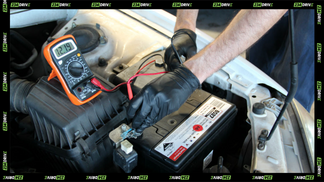
With a Nigerian-used car, you accept more mechanical risk in exchange for substantial savings. A thorough inspection, diagnostic scan and trusted mechanic can help you separate a well-maintained car from a money pit. In a market shaped by expensive imports and a volatile currency, I would not assume that a higher price always means a better car. Much of the gap pays for shipping and port charges, not superior vehicle quality. For me, the smarter purchase is the car whose condition justifies its price, regardless of where it has been used.