
As we move through 2026, the American electric vehicle market has entered a phase of sophisticated maturity. While early adopters were often driven by novelty and performance metrics, today’s discerning buyers are increasingly focused on operational economy and engineering finesse. With the expiration of various federal tax credits and a shift toward long-term value, efficiency measured by the EPA’s MPGe (miles per gallon equivalent) rating has become the gold standard for comparing the true technological prowess of modern battery electric vehicles (BEVs).
The current leaders in this space represent a shift away from “oversized” batteries toward optimised systems that extract maximum mileage from every kilowatt-hour. These most efficient cars are not just environmentally conscious choices; they are practical solutions for reducing “range anxiety” and lowering the total cost of ownership. By focusing on aerodynamics, advanced thermal management and superior motor design, the following five vehicles have established themselves as the benchmarks for efficiency in the 2026 US automotive landscape according to official EPA data.
1. 2026 Lucid Air Pure RWD (19-inch wheels)
EPA Rating: 146 MPGe (149 City / 142 Highway)
The 2026 Lucid Air Pure RWD is a masterclass in aerodynamic efficiency, boasting a drag coefficient (Cd) of just 0.197. Its exterior design is defined by fluid, sweeping lines and a low-slung silhouette that allows it to pierce through the air with minimal resistance. This streamlined profile is complemented by 19-inch wheels specifically designed to reduce turbulence, giving the car a futuristic yet understated road presence. The use of lightweight, aluminum-intensive structures further enhances its agility and reduces the energy required to maintain high speeds on the motorway.
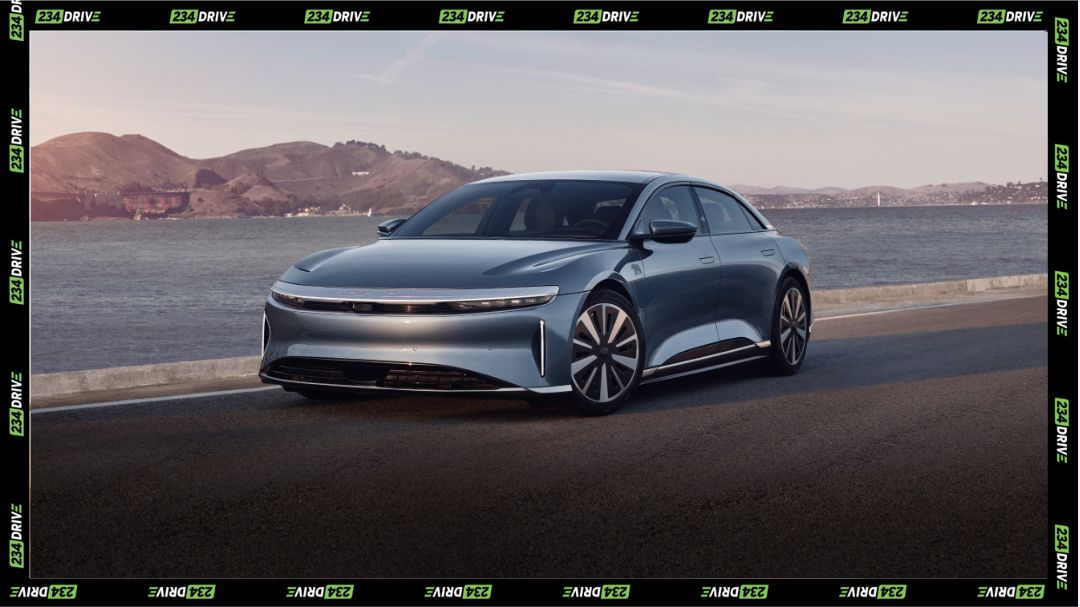
Inside, the Air Pure offers a minimalist luxury experience that prioritises sustainable materials and ergonomic comfort. The cabin is dominated by high-resolution displays and a standard heat pump that ensures climate control remains efficient even in colder climates. According to the official specifications, an ~88 kWh battery powers Lucid’s proprietary permanent-magnet motors, which achieve over 95% peak efficiency. This combination delivers a staggering 420 miles of range and a production-car record of approximately 5.0 miles per kWh. With a starting price of roughly $70,000, it represents the pinnacle of premium efficiency.
2. 2026 Tesla Model 3 Standard RWD
EPA Rating: 139 MPGe (147 City / 130 Highway)
The refreshed “Highland” iteration of the Tesla Model 3 Standard RWD continues to set the pace for the compact executive segment. Its exterior features sharper LED lighting and a revised front fascia that improves airflow, resulting in a drag coefficient of approximately 0.23. The car’s compact dimensions and clean surfaces make it particularly suited for urban environments, where its regenerative braking system can recapture up to 70% of energy during stop-go traffic. Its visual identity remains quintessentially Tesla: simple, modern and highly functional.
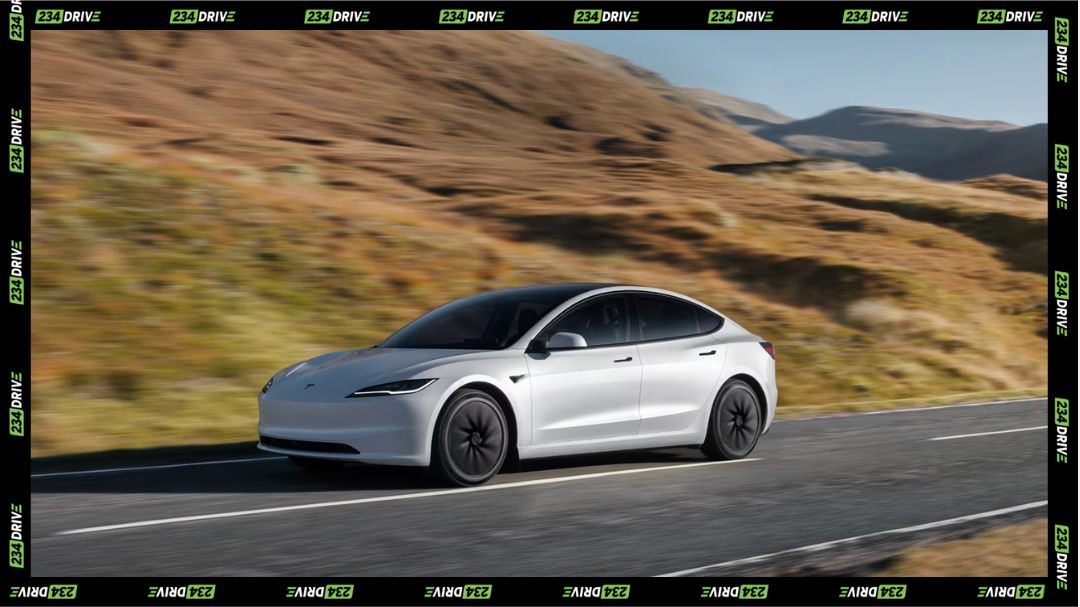
The interior is a study in digital integration, featuring a central touchscreen that handles almost all vehicle functions and a refined cabin that benefits from improved acoustic glass for a quieter ride. Performance is anchored by a ~64 kWh battery pack (60 kWh usable) that provides 321 miles of EPA-estimated range as detailed on the Model 3 page. Tesla’s energy-management software is widely regarded as the best in the industry, optimising battery preconditioning for faster charging and more consistent power delivery. Priced in the low $40,000 range, it offers an accessible entry point into high-efficiency motoring.
3. 2026 Tesla Model Y Standard RWD (18-inch wheels)
EPA Rating: 138 MPGe (148 City / 129 Highway)
As the SUV sibling to the Model 3, the 2026 Tesla Model Y Standard RWD proves that a larger body style does not have to mean a significant efficiency penalty. To achieve its peak rating, the vehicle must be equipped with the 18-inch wheels, which offer lower rolling resistance compared to larger alternatives. The exterior maintains the familiar “bubble” silhouette that maximises interior volume while retaining respectable aerodynamic properties. Its elevated stance provides the commanding view of the road that SUV buyers crave without the bulky footprint of traditional petrol-powered rivals.
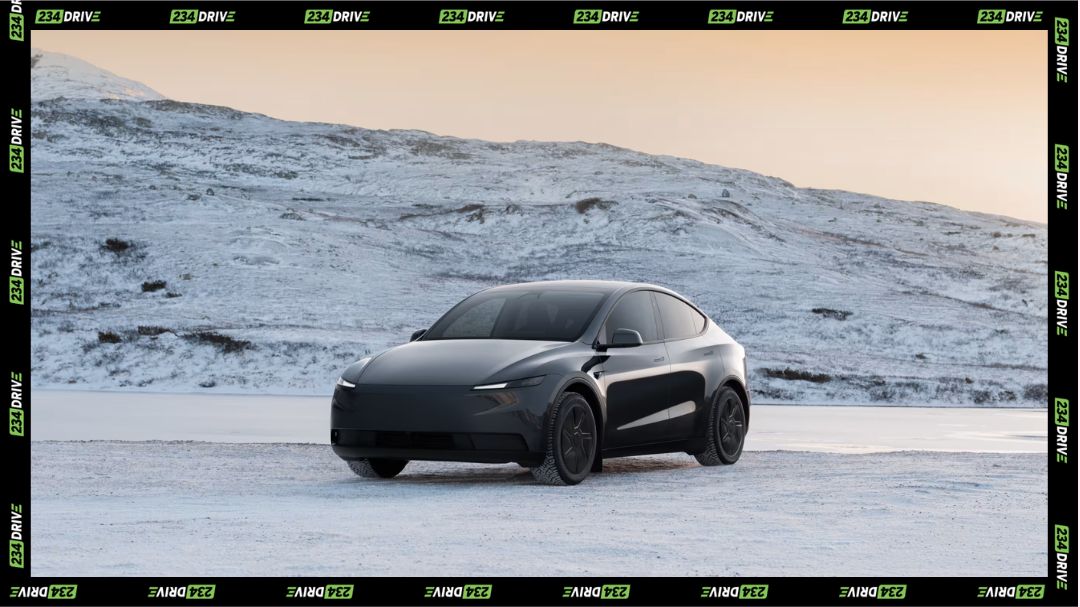
The Model Y’s cabin is exceptionally practical, offering ample cargo space and a versatile seating arrangement ideal for families. It shares the same ~64 kWh battery and efficient rear-drive unit as the Model 3, resulting in an EPA range of 321 miles. The driving dynamics are tuned for comfort and ease of use, with the software constantly calculating the most efficient routes based on real-time traffic and topography. This model remains one of the most practical family haulers on the market, balancing high utility with an impressive 24.4 kWh/100 miles consumption rate confirmed by real-world testing.
4. 2026 Tesla Model 3 Premium RWD
EPA Rating: 137 MPGe (145 City / 128 Highway)
The Premium RWD variant of the Tesla Model 3 (often referred to as the Long Range RWD) is designed for those who require maximum distance without moving to a dual-motor setup. Externally, it is virtually identical to the Standard trim, maintaining the same sleek “Highland” aero tweaks and refined road presence. The primary difference lies in the added weight of the larger battery pack, which causes a marginal dip in MPGe but provides a substantial boost in total driving range, making it a formidable long-distance cruiser.
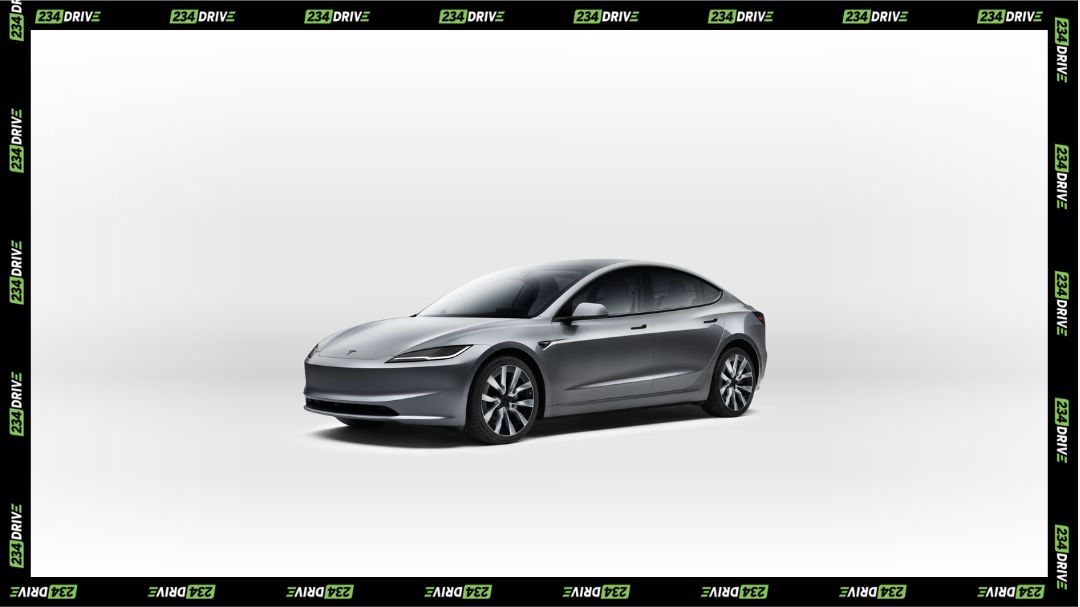
Equipped with a ~79 kWh battery, this version offers an EPA-estimated range of 363 miles. The interior benefits from the same premium materials and high-tech interface found across the Tesla range, but with the added peace of mind that comes from the larger energy reserve. Performance is notably punchier than the base model, providing quicker acceleration while maintaining elite efficiency levels of 24.6 kWh/100 miles. Retailing for a premium of approximately $5,000–$6,000 over the Standard trim, it is the ideal choice for those who frequently undertake motorway journeys.
5. 2026 Lucid Air Touring AWD
EPA Rating: 134 MPGe (136 City / 132 Highway)
The Lucid Air Touring AWD proves that all-wheel drive and high performance can coexist with world-class efficiency. Its exterior retains the stunning “Post-Luxury” aesthetic of the Air lineup, featuring a panoramic glass roof and a sophisticated lighting signature that makes it stand out in any car park. Even with the addition of a second motor for the front wheels, the Touring maintains a highly efficient profile, especially when paired with the standard 19-inch wheels that minimise drag.
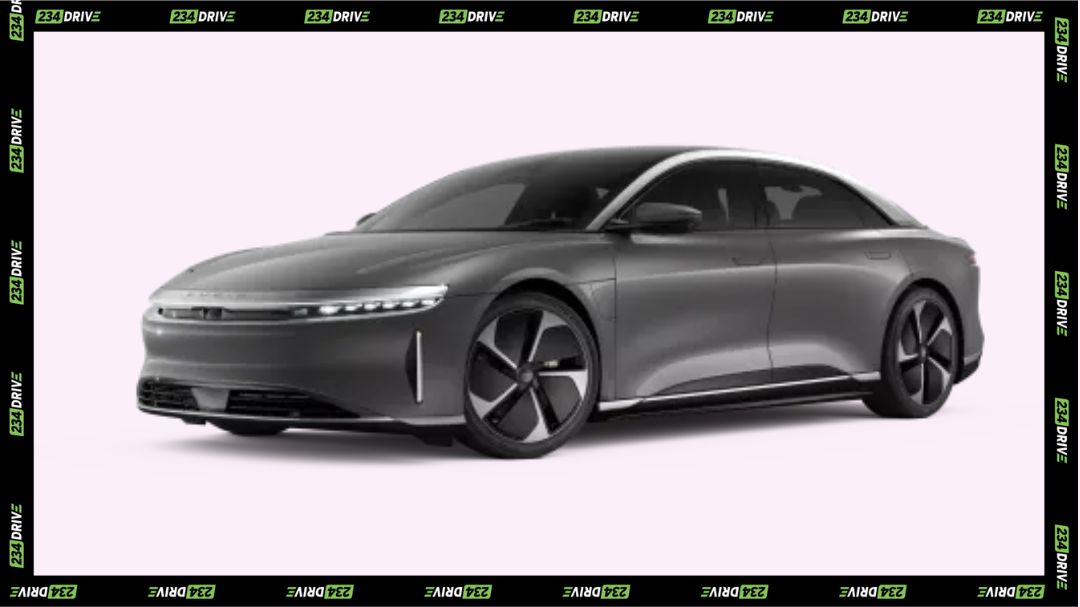
The interior of the Touring trim is significantly more luxurious than the base Pure, featuring more premium leather options and wood accents. Despite its 620 horsepower and a 0-60 mph time of just 3.4 seconds, it achieves 134 MPGe thanks to Lucid’s advanced torque vectoring and dual-motor optimisation. The ~92 kWh battery provides a massive 431 miles of range, ensuring that performance never comes at the expense of usability. Starting at over $80,000, it is a high-performance executive sedan that refuses to compromise on its eco-credentials.
Regional Relevance and Lifestyle Suitability
In the context of the American driving environment, these high-efficiency EVs are particularly relevant. For those in metropolitan areas with heavy traffic, the high “city” MPGe ratings of the Tesla models (approaching 150 MPGe) translate to significant cost savings and reduced wear on traditional braking systems. Conversely, in regions with vast distances between cities, the exceptional “highway” efficiency and low drag coefficients of the Lucid Air models make them uniquely capable of maintaining range at sustained 70 mph speeds, where lesser EVs often see their batteries drain rapidly.
Furthermore, the standard inclusion of heat pumps in these top-tier models is a critical factor for owners in the northern US. Traditional resistive heaters can slash EV range by up to 40% in freezing temperatures, but recent consumer reviews indicate that these 2026 leaders use scavenged thermal energy to maintain cabin comfort with far less impact on the battery. From a prestige perspective, owning the “efficiency king” has become a new status symbol in tech-heavy hubs, signalling an appreciation for advanced engineering over mere brute force or excessive battery size.
Competitive Positioning and Market Rivals
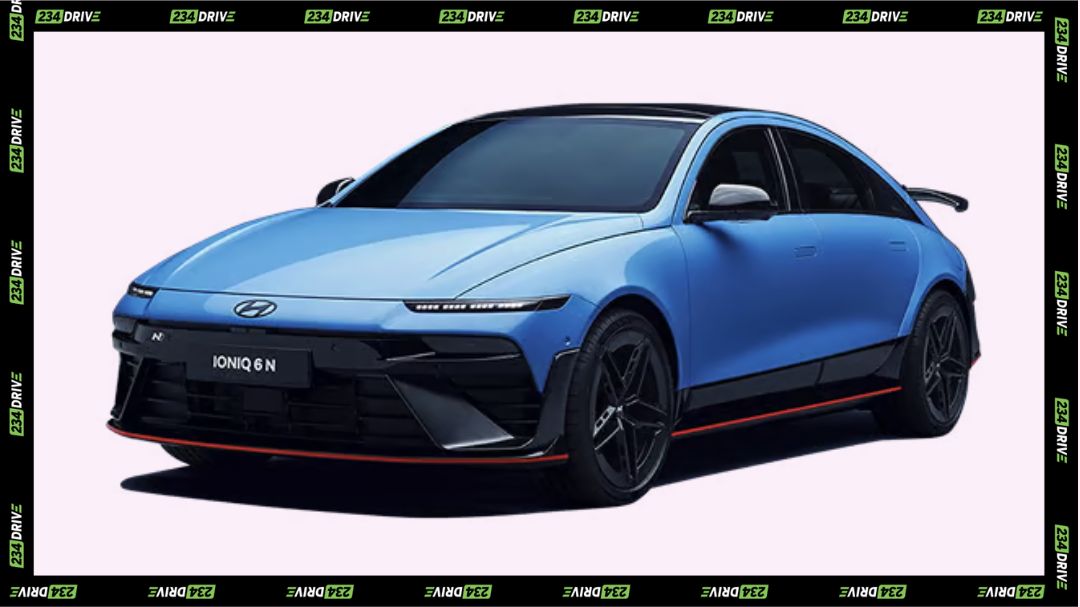
When compared to segment rivals like the BMW i4, Audi e-tron GT, or the Hyundai Ioniq 6, these top five models hold a distinct advantage in terms of energy consumption per mile. While the Ioniq 6 is a very close competitor (often hovering around 135 MPGe), Tesla and Lucid generally offer superior resale value due to their established charging infrastructure and high brand desirability in the used market. Maintenance costs across these models remain remarkably low, as the focus on efficiency often goes hand-in-hand with simplified, highly integrated drivetrains that require fewer fluid changes or mechanical repairs than traditional combustion vehicles.
In terms of durability, the battery management systems in these vehicles are among the most advanced in the world, designed to minimise degradation over hundreds of thousands of miles. While the Lucid Air models carry a higher initial purchase price, their ability to provide 400+ miles of range from a battery smaller than those found in many “luxury” SUVs makes them more sustainable from a mineral-sourcing perspective. For the cost-conscious buyer, the Tesla Model 3 remains the benchmark for competitive positioning, offering a level of efficiency and technology that few legacy automakers can match at a sub-$45,000 price point.
Conclusion
The 2026 efficiency rankings highlight a pivotal shift in the electric vehicle industry: the race for the biggest battery has been replaced by the race for the smartest engineering. Whether it is the record-breaking 146 MPGe of the Lucid Air Pure or the incredible value-for-money offered by the Tesla Model 3, these vehicles represent the best the US market has to offer. By prioritising aerodynamics, thermal efficiency and software optimisation, these manufacturers have created cars that are cheaper to run, better for the environment and more capable in the real world.
What are your thoughts on these rankings? Does the efficiency of the Lucid Air justify its premium price tag or do you believe Tesla’s balance of cost and performance remains unbeatable? Share your experiences and opinions in the comments below.