
In the world of high-performance automotive engineering, a car’s identity is often defined as much by its hue as it is by its horsepower. While any manufacturer can spray a vehicle red, only one can claim the legacy of Rosso Corsa. For elite marques like Ferrari, Lamborghini and Porsche, paint is not merely a cosmetic choice; it is a legally protected asset and a masterclass in brand psychology.
The concept of “owning” a colour is a strategic move that blends history with intellectual property law. These specific shades are frequently trademarked or protected by proprietary chemical formulas that are nearly impossible for the aftermarket to replicate accurately.
The Racing Heritage: Rosso Corsa and French Racing Blue
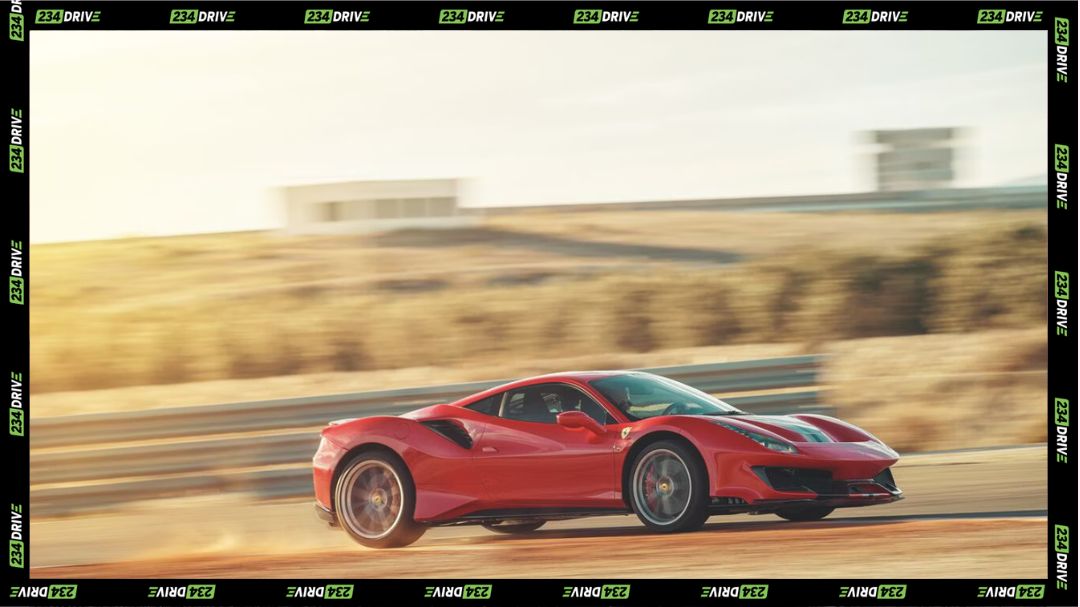
The tradition of brand-specific colours is rooted in early 20th-century motorsport, where national racing colours were assigned to different countries. Italy was famously assigned red, which gave birth to Ferrari’s Rosso Corsa (Racing Red). To this day, even as Ferrari expands its palette, Rosso Corsa remains a protected symbol of the brand’s DNA.
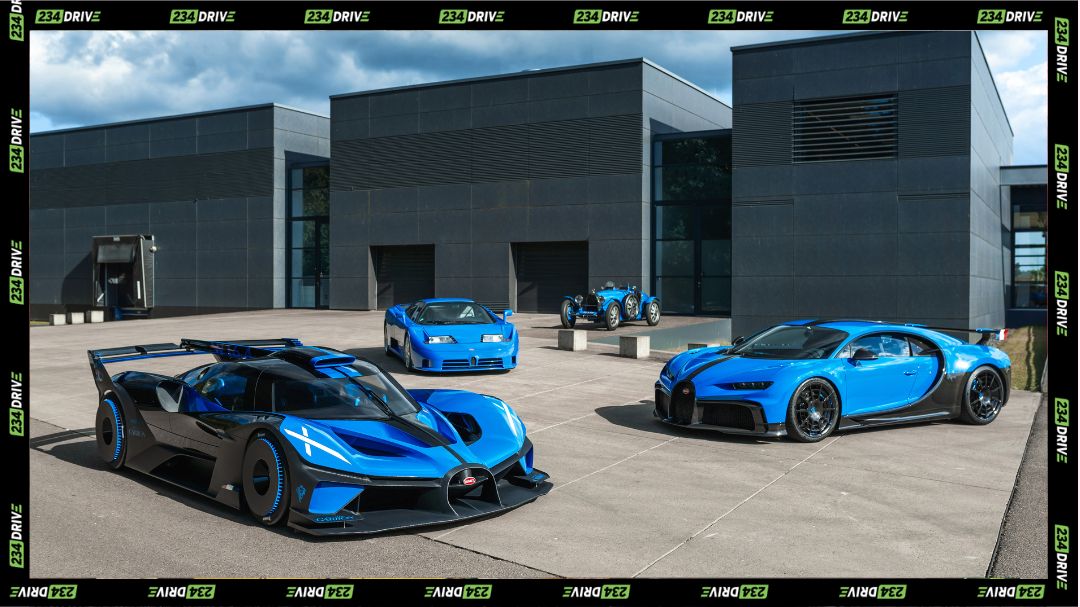
Similarly, Bugatti’s French Racing Blue (Bleu de France) is a historic nod to the brand’s French roots. These colours are so deeply linked to their respective brands that they serve as a visual shorthand for their entire history.
The Science of Exclusivity: Lexus Structural Blue
While some brands lean on history, others use cutting-edge technology to create exclusivity. The Lexus Structural Blue is perhaps the most advanced example of this. Inspired by the Morpho butterfly, this paint contains no actual blue pigment. Instead, it uses a multi-layered structure that reflects nearly 100% of blue light, creating an intensity that conventional paints cannot match.
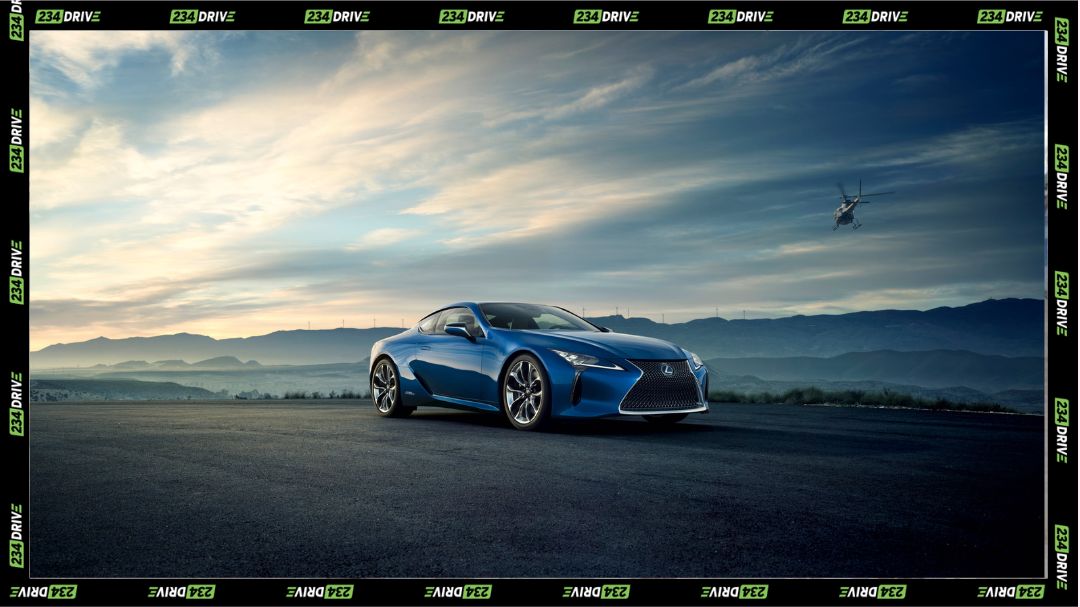
Because the application process is so complex—requiring 12 production steps and 20 quality inspections—Lexus can only produce two Structural Blue vehicles per day. This makes the colour a “highly proprietary” asset that is restricted to limited editions, ensuring it remains a rare sight on any road.
The Cult of the Shade: Porsche Chalk and Nissan Midnight Purple
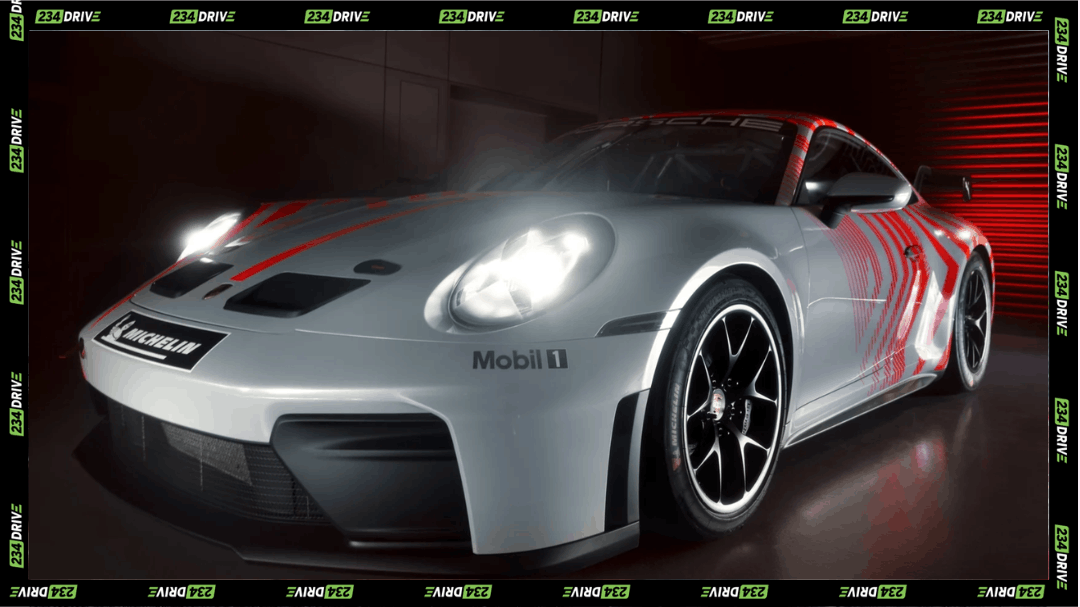
In the modern era, certain colours have gained “cult classic” status among enthusiasts. Porsche’s Chalk Gray (known as Craide in Germany) has redefined modern automotive sophistication. It is a subtle, non-metallic shade that has become a hallmark of Porsche’s “modern-retro” aesthetic.

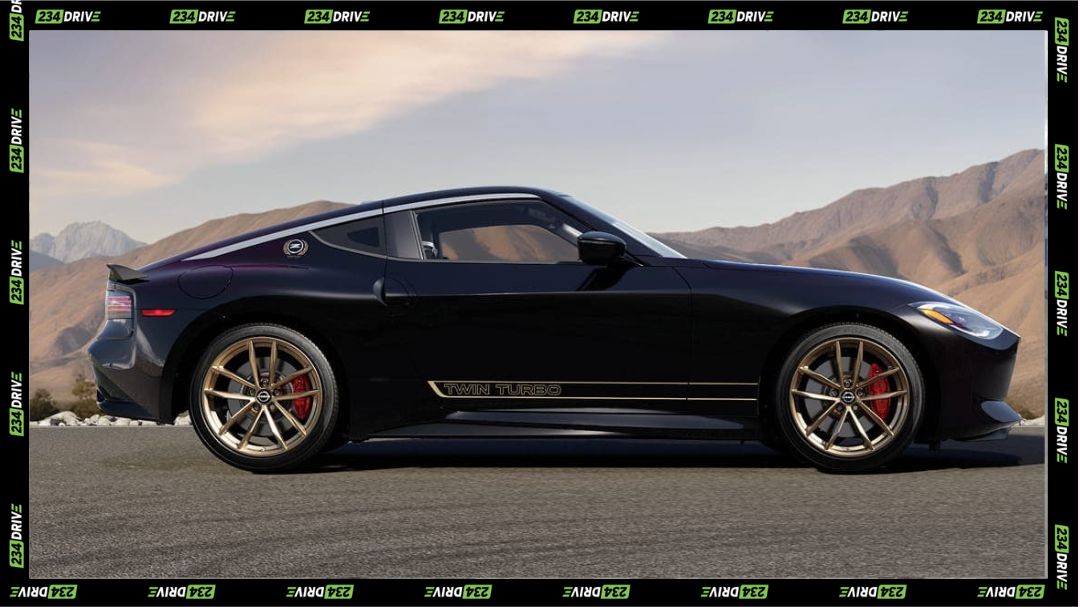
In the Japanese Domestic Market (JDM) scene, few colours carry as much weight as Nissan’s Midnight Purple. Specifically associated with the GT-R R34, this colour-shifting paint is highly protected and remains one of the most sought-after finishes in automotive history. Its ability to shift between deep purple, bronze and gold under different lighting conditions makes it a “unicorn” in the secondary market.
Beyond the Aesthetic: The “Brand Rule”
For these manufacturers, protecting these colours is about maintaining an “ethos.” Ferrari, for instance, famously has a “no pink” rule. The company believes certain colours are “unworthy” of the Prancing Horse badge and can even blacklist owners who apply “garish” aftermarket wraps that devalue the brand’s prestigious image.
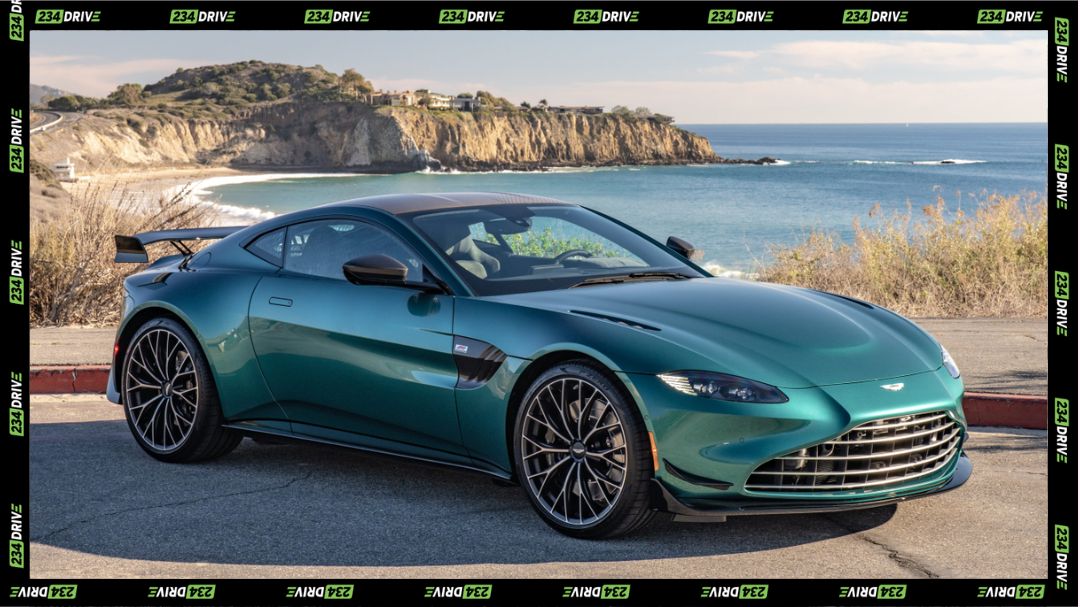
Whether it is Lamborghini’s high-gloss Yellow Orion, Aston Martin’s British Racing Green, or Renault’s cult-favourite Liquid Yellow, these shades are more than just paint. They are the visual signatures of brands that understand that in the luxury mobility sector, perception is the most valuable currency of all.