
When inspecting a used or “Tokunbo” vehicle, most buyers in Nigeria focus on the visible: the shine of the paint, the coldness of the AC or the sound of the engine. However, there is a single, often overlooked warning light on the dashboard that represents the thin line between a survivable accident and a fatal one.
The airbag warning light— part of the Supplemental Restraint System (SRS)— is the most critical safety indicator in any modern vehicle. Understanding how it functions during a pre-purchase inspection is not just about mechanical due diligence; it is about ensuring the car is actually equipped to save your life.
The “Accessory Position” Litmus Test
To properly audit a car’s safety systems, you must understand the “handshake” between the vehicle’s computer and its safety hardware. This happens the moment you turn the key to the accessory (ON) position before cranking the engine.
.https://www.youtube.com/watch?v=Xpi4FaYm8fA
In a healthy vehicle, a cluster of lights will illuminate: the check engine light, ABS, battery and, crucially, the airbag symbol (usually a seated figure with a large circle in front of them).
This initial illumination is the car’s way of announcing that the SRS is present and undergoing a self-diagnosis. Once the engine is started, this light should disappear within seconds. If the light goes off, it signifies that the sensors, the explosive squibs in the airbags and the seatbelt pretensioners are all active and reporting no faults.
Two Red Flags That Should End the Deal
During an inspection, there are two specific scenarios regarding this light that should immediately signal a “no-deal” situation:
1. The Missing Light (The “Blackout” Scam)
If you turn the car to the accessory position and the airbag light does not appear at all while other lights like the oil or battery symbols you are likely looking at a compromised vehicle. Disreputable sellers often “black out” or physically block the bulb behind the dashboard to hide a permanent SRS fault. A missing light is a deliberate attempt to hide the fact that the airbags may have already deployed in a previous accident or that the system is entirely non-functional.
2. The Persistent Light
If the light stays on after the engine is running, the system has detected a fault. This could range from a faulty clock spring in the steering wheel to a degraded sensor. In this state, the vehicle’s computer will often disable the entire airbag system for safety reasons, meaning you are driving a car with zero crash protection beyond the metal frame.
The High Cost of Impact
The airbag system is a “one-and-done” safety feature. Once a car has been in a serious collision and the airbags have deployed, replacing the entire system including the airbags, sensors, seatbelt tensioners and the SRS module can cost hundreds of thousands, if not millions, of Naira.
In the secondary market, many cars are sold after being “fixed” from major accidents abroad. Often, the cosmetic repairs are perfect, but the expensive safety systems are bypassed with resistors or hidden with blocked lights to save costs.
Your Safety Audit Checklist
Before paying for any Tokunbo vehicle, perform this three-step safety audit:
- The Ignition Cycle: Watch the dashboard during start-up. Ensure the airbag light appears and then vanishes.
- The Scan Tool: Ask your mechanic to plug in an OBD-II diagnostic scanner. A “clear” dashboard can still hide “stored codes” in the SRS module that reveal a history of deployment.
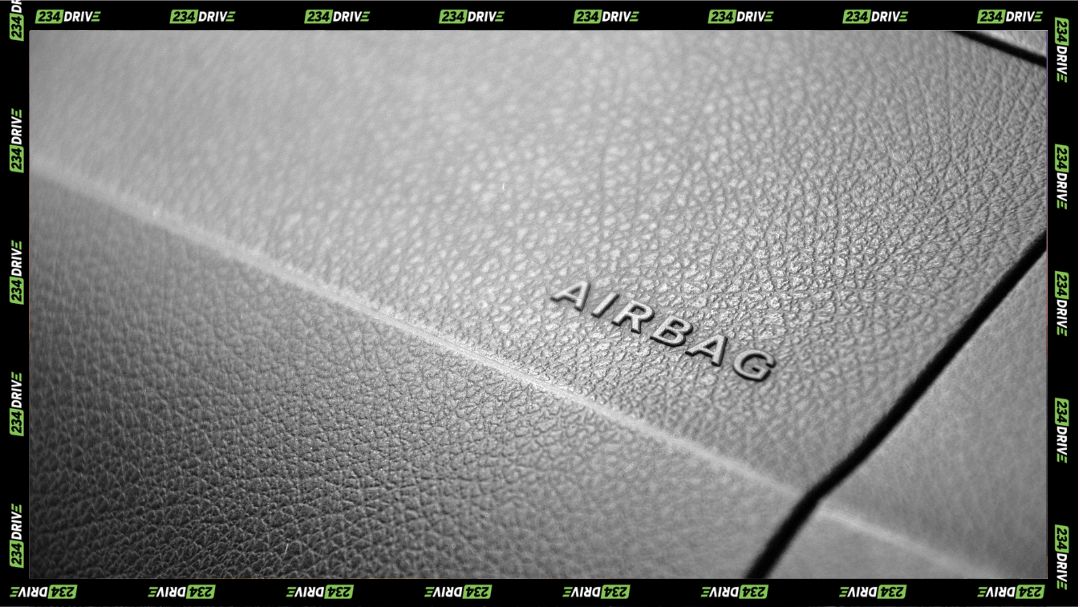
- Physical Cues: Check the seams on the steering wheel and the passenger-side dashboard. If the plastic looks mismatched, glued or uneven, the airbags may have been replaced or omitted.
Nobody plans to get into a crash, but in the chaotic environment of African mobility, safety must come first. The airbag light is the car’s only way of telling you that it has your back. If the light isn’t talking to you, don’t buy the car.