
The mobility landscape in Nigeria in 2026 is defined by a cold, hard calculation of risk. For the Nigerian professional, importing a vehicle from the United States is no longer a luxury experiment; it is a technical and financial audit of one’s future movement. While the allure of the American auto market is vast, the reality of Nigerian roads—unmapped potholes, unlit highways and variable fuel quality—quickly separates the calculated investments from the emotional mistakes.
Identifying the best vehicles to import requires a deep understanding of the ‘Tokunbo’ ecosystem. It is an environment where Japanese engineering, specifically from Toyota, Lexus and Honda, remains the undisputed currency. Our record of African mobility confirms that these brands win because they align with our structural realities: widespread parts availability, mechanic familiarity and a tenacity for survival in 35-degree heat.
The Regulatory Framework and the 12-Year Rule
Before a single dollar is committed to an American auction, the importer must confront the Nigeria Customs Service (NCS) age limit. In 2026, the official rule mandates that vehicles must be no older than 12 years from the date of manufacture. 2014 models are the absolute deadline, though we strongly advise targeting 2016 models or newer to avoid the risk of stricter 10-year enforcement occasionally applied at ports like Tin Can Island. Understanding the official age limit is the first step in avoiding a total loss at the point of entry.
The transition to the VIN Valuation System has automated the assessment process, reducing human interference but often inflating the base value of vehicles. Importers should conduct a pre-import VIN check via the NCS portal or a licensed ANLCA-registered clearing agent. Understanding the ‘Landed Cost’ is vital. When you factor in the 20–35% import duty, the 15% NAC levy on used vehicles and the 7.5% VAT, the effective total often adds 42–90% to the initial Cost, Insurance and Freight (CIF) value. To ignore this multiplier is to invite a financial crisis at the point of clearance.
Shipping Logistics: RoRo Versus Container
The method of transport from ports like Houston, Jacksonville or NY/NJ to Lagos is a strategic choice. RoRo (Roll-on/Roll-off) remains the budget-friendly standard, typically costing between ₦1,800,000 ($1,200) and ₦3,000,000 ($2,000) per vehicle. However, RoRo exposure means the vehicle is vulnerable to the elements and potential pilfering during its three-to-six-week transit. When researching shipping from America, it becomes clear that cost must be balanced against the safety of the asset.
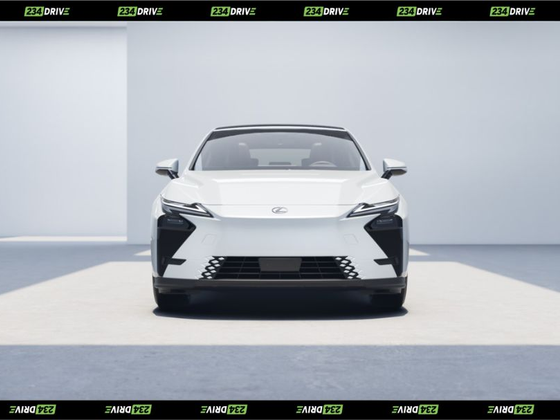
For high-value imports like the Lexus RX 350 or newer Toyota Highlanders, container shipping is the best bet. While the cost increases to roughly ₦3,750,000 ($2,500) to ₦6,000,000 ($4,000), the protection it offers against salt-belt rust and physical damage is a necessary insurance policy. For any vehicle valued above ₦22,500,000 ($15,000), the container is the only professional choice.
The Sedan Tier: Dominance Of The Camry And Corolla
The Toyota Camry (2015–2020) remains the undisputed king of the Nigerian sedan market. I have seen the 2.5-litre four-cylinder engines in these models tolerate Nigerian neglect with a tenacity that borders on the mythical. The ‘Muscle’ Camry generation and its successors provide a bulletproof reliability that handles our adulterated fuel better than almost any Western equivalent.
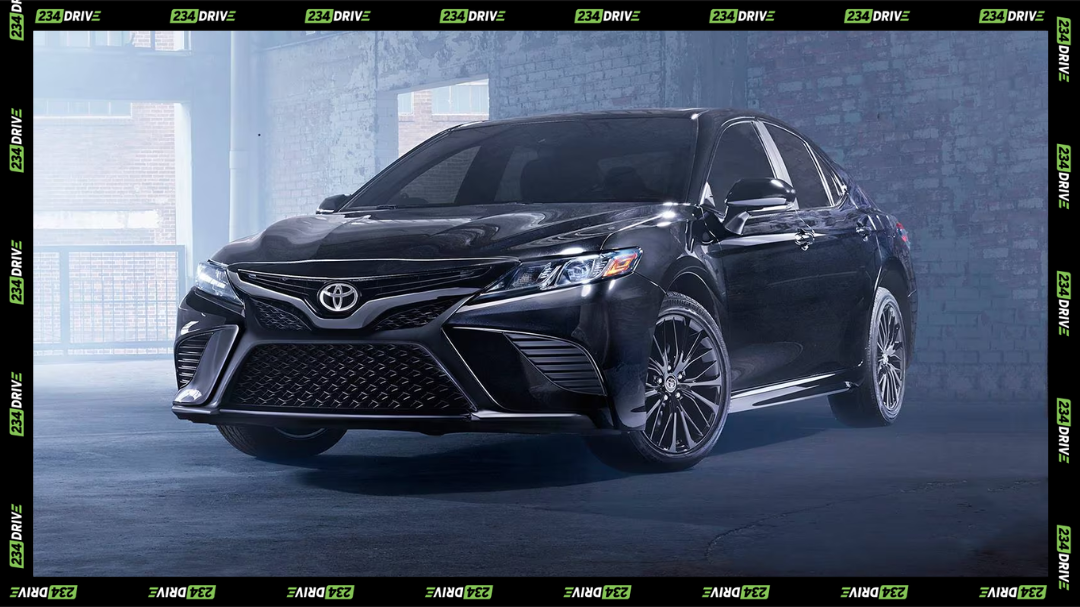
Mechanically, the Camry wins because of its parts ecosystem. From the Ladipo market in Lagos to the mechanics of Abuja, every specialist knows these engines. A transmission failure or an AC compressor issue that would ground a European car for weeks is a 48-hour fix for a Camry. A clean-title 2018 Camry might cost ₦15,000,000 ($10,000) at a US auction, but after factoring in shipping and clearing, the landed cost in Lagos typically settles around ₦28,500,000 ($19,000).
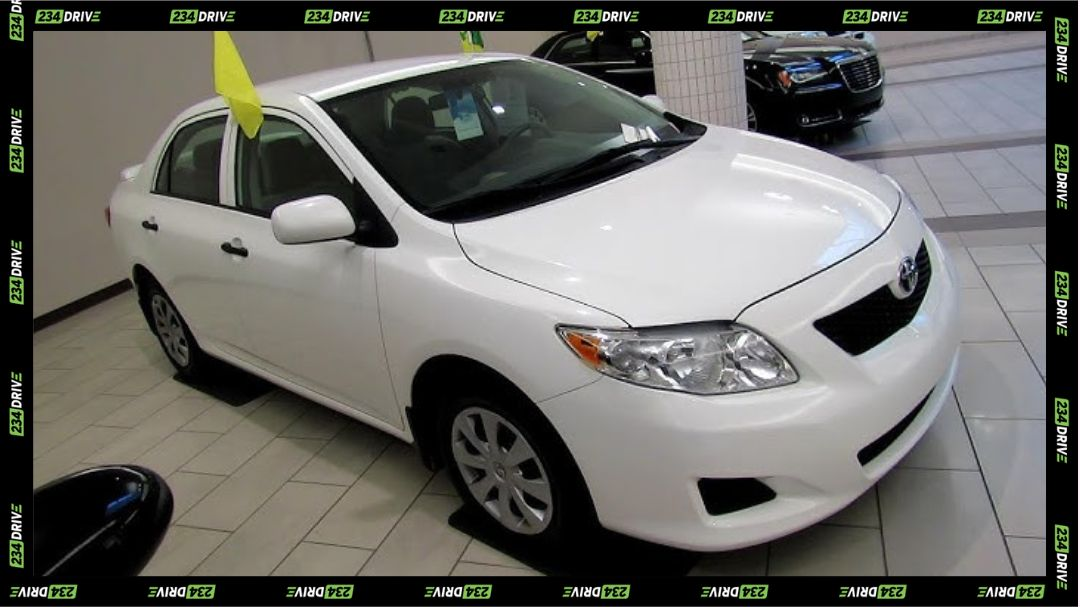
Similarly, the Toyota Corolla serves as the budget king. It is the most efficient daily driver for the 2026 economy, delivering staggering fuel economy and the highest resale value in the country. The Corolla is a profit margin protector for the business owner who spends all day on the move. While the Honda Accord is a close second—offering a sportier feel and light, precise steering—it still edges behind Toyota in terms of absolute parts ubiquity.
The SUV And Crossover Tier: Ground Clearance As Tactical Advantage
Driving a sedan in Lagos or Port Harcourt during the rainy season is an exercise in anxiety. This is why the demand for American-spec SUVs like the Toyota RAV4 and the Lexus RX 350 has surged. With roughly 6.3 to 8 inches of ground clearance, these vehicles allow a driver to literally rise above the infrastructure deficit. Identifying the most reliable cars in this segment is essential for navigating the seasonal flooding that characterises our urban centres.
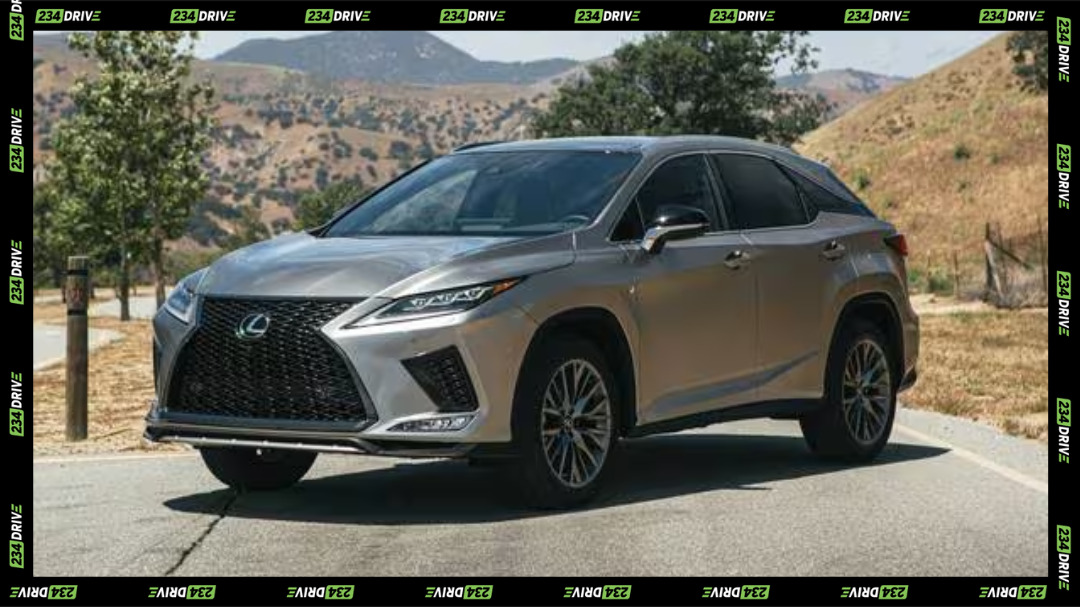
The Lexus RX 350 (2016+) is highly recommended for executives who require status without the European headache. It is essentially a Toyota in luxury clothing, sharing many mechanical components with the Highlander. This parts-sharing is a massive tactical advantage; you receive the premium cabin experience and the 3.5-litre V6 grunt while having access to affordable, widely available Japanese parts. Landed costs for a 2017 Lexus RX 350 often reach ₦48,000,000 ($32,000), but its value retention remains unmatched in the Nigerian used market.
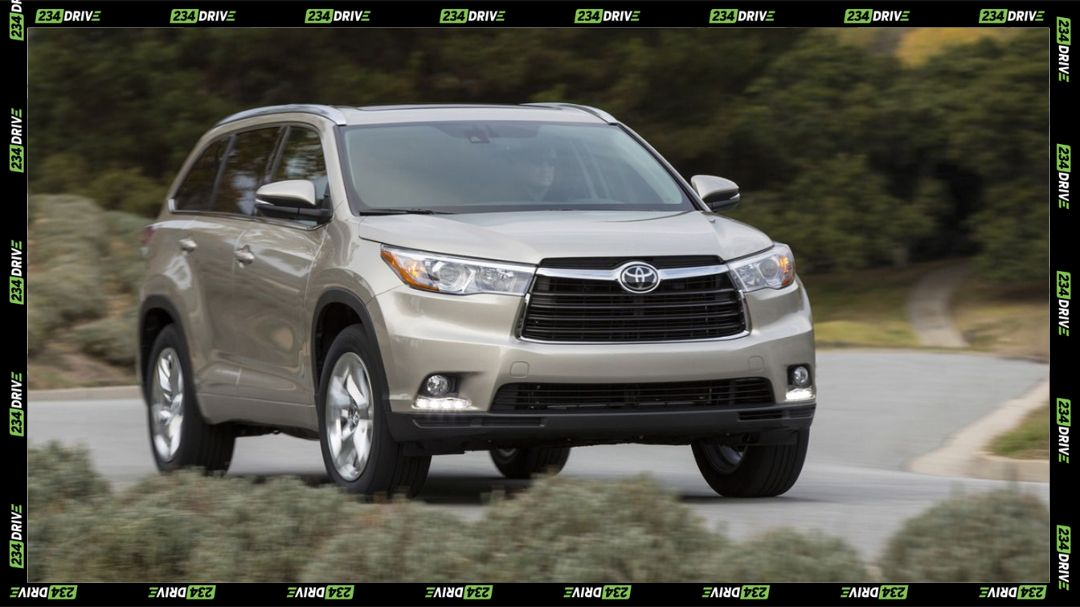
The Toyota Highlander is the definitive choice for family logistics. The 3-row seating and spacious boot make it a haulage masterpiece. However, I maintain a rule of caution for the SUV tier: avoid the complex hybrid variants unless you have a verified mechanic who truly understands hybrid battery cooling systems in our tropical climate. High-mileage hybrids from the US salt-belt frequently suffer from inverter failures that are both expensive and difficult to diagnose in the Nigerian informal sector.
Why Japanese Engineering Defeats American And European Rivals
A common mistake people make is attempting to import pure American brands like Ford, Chevrolet or high-performance Dodges. While these cars offer significant horsepower and lower auction prices in the US, they are ill-suited for the Nigerian ecosystem. The engines are often too thirsty for the 2026 petrol prices (hovering around ₦1,350 per litre) and specialised mechanics are scarce. When we compare the best car brands in our environment, the Japanese trio of Toyota, Honda and Lexus consistently outclasses the field.
European luxury like BMW, Mercedes-Benz and Range Rover presents a different risk. These are status symbols that require a clinical level of maintenance. In a country where dust, heat and pothole-ridden roads accelerate wear on sensitive electronics and air suspension systems, a European luxury car is often a liability. The best mobility move is to play the game with the best equipment possible, and in Nigeria, that equipment is Japanese.
Risk Mitigation: The US Auction Pitfalls
The biggest trap in the American market is the salvage or flood-damaged title. I have reviewed cases where ‘clean-looking’ cars from Florida or Louisiana auctions arrived in Lagos with hidden electrical corrosion that rendered them useless within months.
This underscores the importance of demanding a clean title only. You must verify the vehicle’s history through Carfax or AutoCheck. Look for detailed photos of the undercarriage and engine bay. If a deal looks suspiciously low at a US auctionfor instance, a 2020 Corolla listed for under ₦7,500,000 ($5,000) it is almost certainly hiding a structural failure. I recommend using a pre-purchase inspection (PPI) service by a trusted third party in the US before the hammer falls.
Ownership Reality: The First 30 Days In Nigeria
Safety and reliability on Nigerian roads are won in the first 30 days of ownership. Once the vehicle clears the port, the next step is an immediate mechanical audit that goes beyond the legal minimum.
- Fluids and Filters: Replace the engine oil, transmission fluid, brake fluid and coolant immediately. US-spec fluids are often not rated for the sustained 35-degree heat of West Africa.
- Suspension Check: American roads do not prepare a car for Nigerian potholes. Inspect the shocks, ball joints and bushings. It’s safe to consider the suspension to be ‘shot’ by default until proven otherwise by a professional scan.
- Security Integration: Never drive an imported vehicle without an active GPS tracker and an immobiliser. In a city where opportunistic crime is a reality, these are your most objective security layers.
- Cooling System Audit: Ensure the radiator and AC condenser are free of US salt-belt debris. A well-maintained cooling system is the only thing preventing a total engine meltdown in a two-hour Lagos gridlock.
Resale Value As An Asset
Ultimately, the best car to import is the one that makes you forget you are driving in a structural failure. But it is also an asset. Toyota and Lexus models hold their value with a tenacity that is almost scary. If you import a clean-title 2018 Camry today and maintain it properly, it will essentially be ‘money in the bank’ should you choose to upgrade in three years. Models with the highest resale value are effectively inflation hedges in a volatile economy.
African mobility is a high-stakes game. By ensuring your vehicle is mechanically sound, your import docs are verified and your model choice is aligned with local reality, you are taking control of your mobility. Choose the ruggedness of the RAV4, the luxury of the RX 350 or the efficiency of the Corolla. Play the game with the best equipment possible.