
Lisez cet article en Français
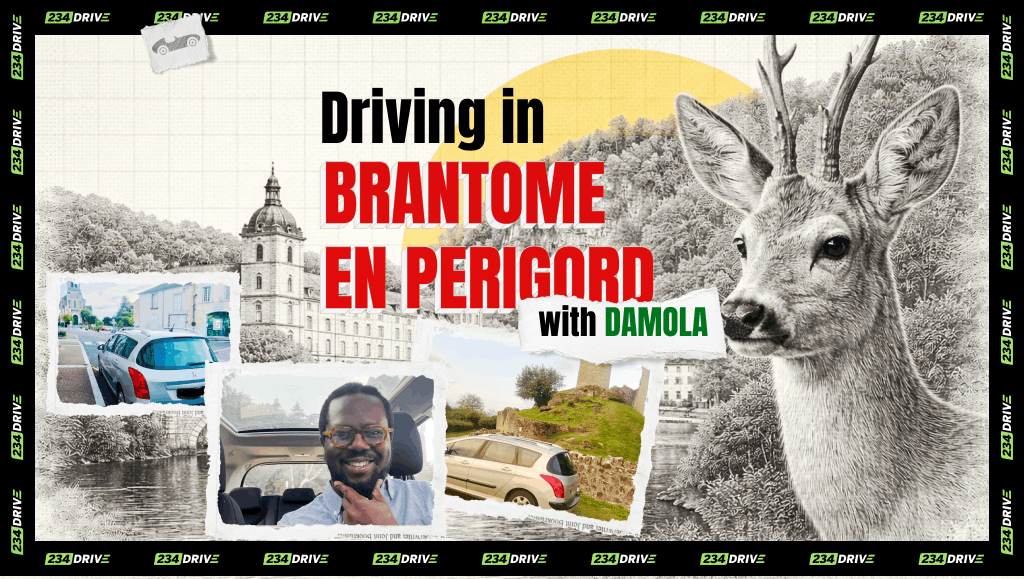
In 2023, Damola packed his bags and left the chaotic road networks of Lagos, Nigeria to pursue a business school programme in Bordeaux, France. He easily adapted to his new life, trading his daily commute for eight months of navigating Bordeaux’s highly efficient public transit system. But when he secured a role as a Research & Development Analyst in Brantôme en Périgord — a beautiful but secluded tourist town — he quickly realised that getting a car was non-negotiable. If you want to understand how to drive in France as an expat without falling foul of rural customs or strict transit laws, Damola’s transition holds the essential roadmap.
Quick-Start Checklist: How to Drive in France
Transitioning to European roads requires a solid understanding of both urban traffic and rural highway laws. Use this quick-start checklist to ensure you are legally and mentally prepared:
- Understand Student Licence Exemptions: If you are living in the country on an active student visa, you are legally permitted to drive using your home country’s driver’s licence alongside an International Driving Permit (IDP).
- Prepare for the Post-Student Licence Swap: Once your student status officially expires, you must have your French licence fully processed to continue driving legally. Ensure you start the exchange or testing process early.
- Acclimatise to Rural Transit Realities: Unlike major hubs like Bordeaux, rural communes and small tourist towns lack frequent bus or tram schedules, making personal car ownership highly essential.
- Stay Alert for Wildlife and Forest Hazards: When driving through heavily wooded countryside regions, always stay alert for wild animals crossing the road, especially at dawn, dusk and night.

Describe your first driving experience
I was 16 years old when I first tried to move my mother’s car, a Mazda 626, and I crashed it against a perimeter fence and gate. After the incident, my mother started taking me for driving lessons after she returned home from work. In about 3 lessons of about 2 hours each, I started short distance drives within the neighbourhood until I was 18 years when I got the official driver’s licence. This all happened in Lagos.
What cities have you driven in since then?
Abuja and Akure (Nigeria) and Brantôme, Perigueux (France).
What are the common ways to get around in Brantôme?
In Brantôme, where I currently live, you need to have your own car to get around the town. The bus schedules are not frequent to support moving around, the buses are available 6AM, 1PM and 7PM. There are no trams here like there are in bigger cities like Bordeaux for instance.
What do you look out for when you’re buying/renting a car?
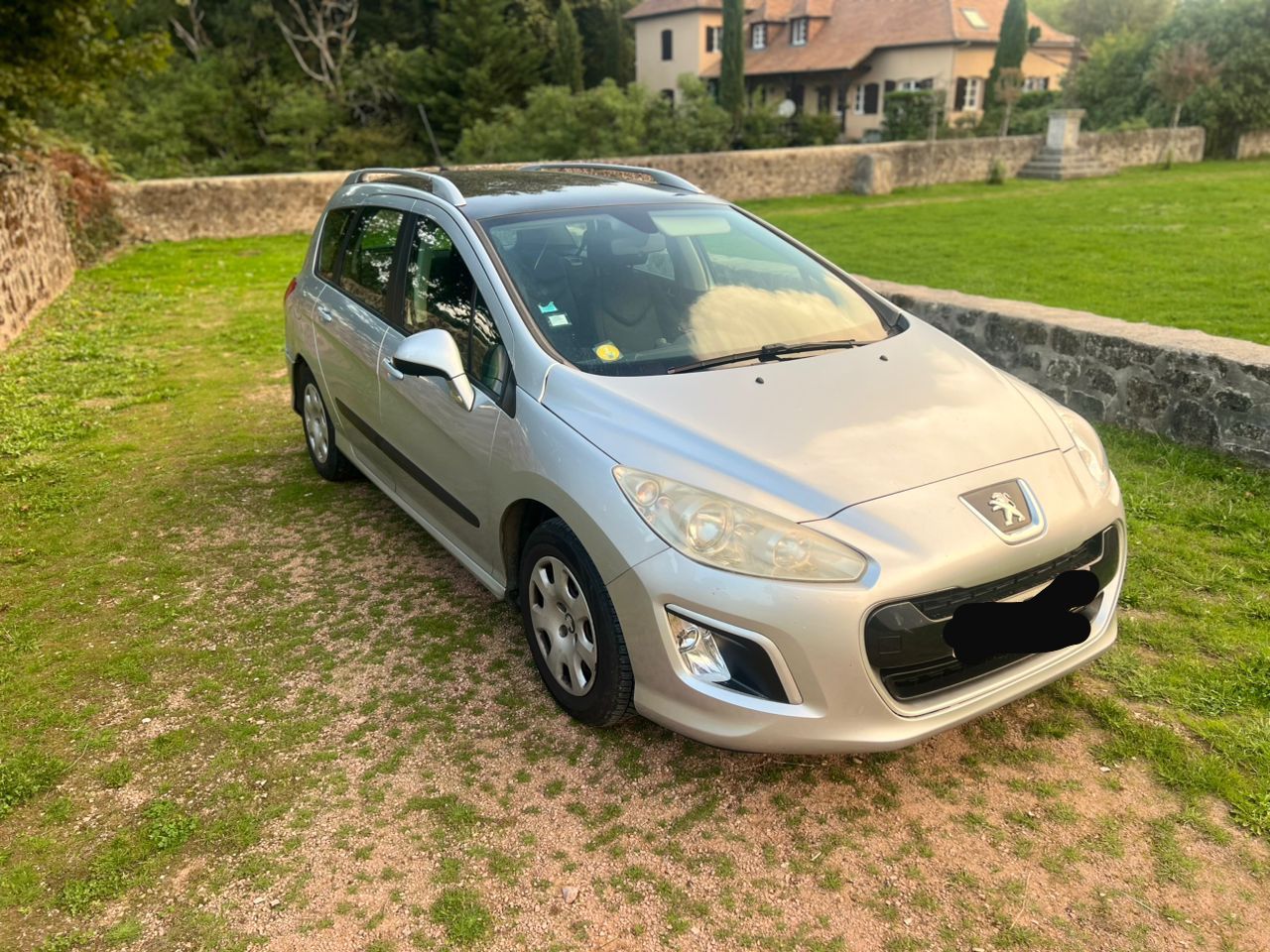
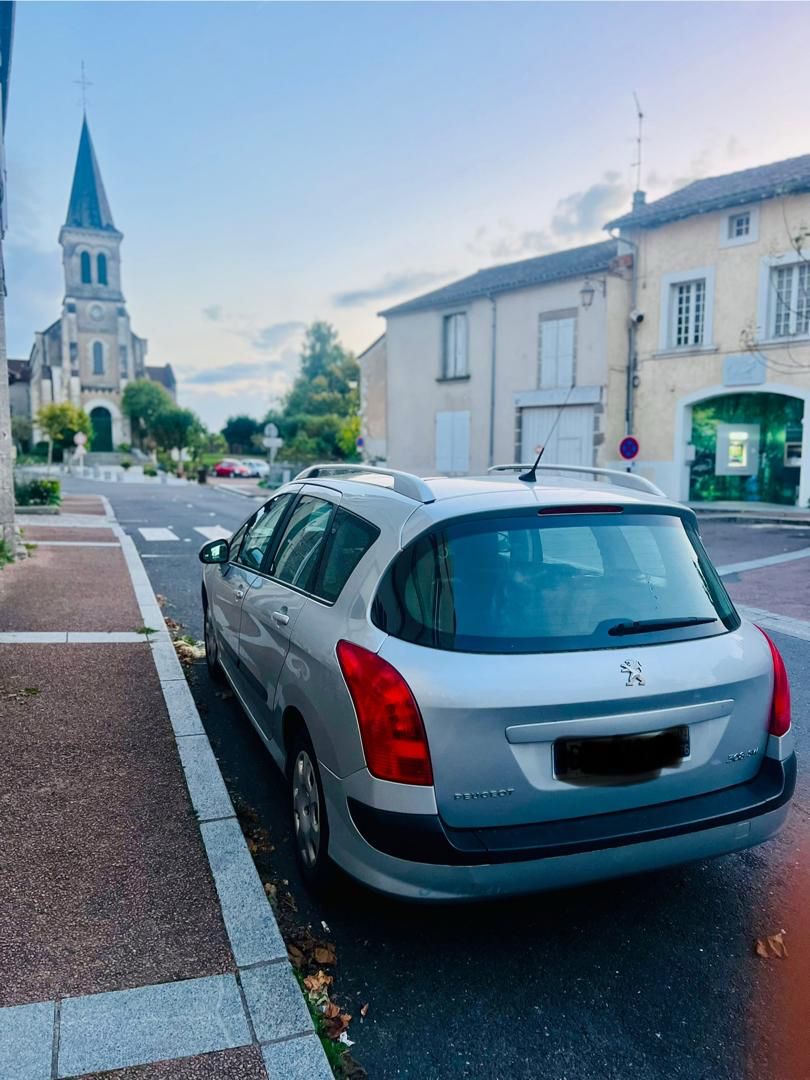
I usually just look for basic functionalities, a car that can move me from point A to B without hassles will be fine. I currently drive a Peugeot 308 SW 2013.
Would you say what you were looking for in a car changed when you travelled?
Well, yes. I was driving a more expensive and classier car back in Nigeria, a Toyota Camry SE 2020. To start with, I could afford it, so I bought it as an upgrade and secondly, my role in the bank where I worked required a status car. So, if you don’t already drive a car classified as a “Status Car” by the bank, then you are obliged to be given one on a termed loan with no interest.
How difficult was it to get all the requirements you needed to drive in your city?
It has been quite difficult, and I only finished the process recently. For a while, I was driving with the international licence and my Nigerian licence right now as my student status was active until April 2025. Students are allowed to drive with their home country driver’s licence in France, however once your student status ends, you need to already have your French licence ready to continue driving.
What is the best part of driving in Brantôme en Périgord?
Basically makes you move efficiently from point A to B in good time. The town I live in is a popular attraction/vacation spot for tourists. Having a car if you are visiting will be an added advantage for tourists.
I have only one hour in Brantôme en Périgord, where do I drive to ?
There are lots of parks and restaurants here, however in 1 hour you will be able to visit some riverside parks and the town historical museum.
What’s the traffic situation like during rush hour and how do you deal with it?
It is a quiet and peaceful city. There is no traffic congestion at all.
What’s the craziest thing that’s happened to you while driving there?
This is not necessarily a crazy thing, but everyone here drives at speed levels way below the indicated levels on the road. This can be very frustrating when I am trying to get to work on time especially when I can’t accommodate any extra time allowance within my normal commute time to work.
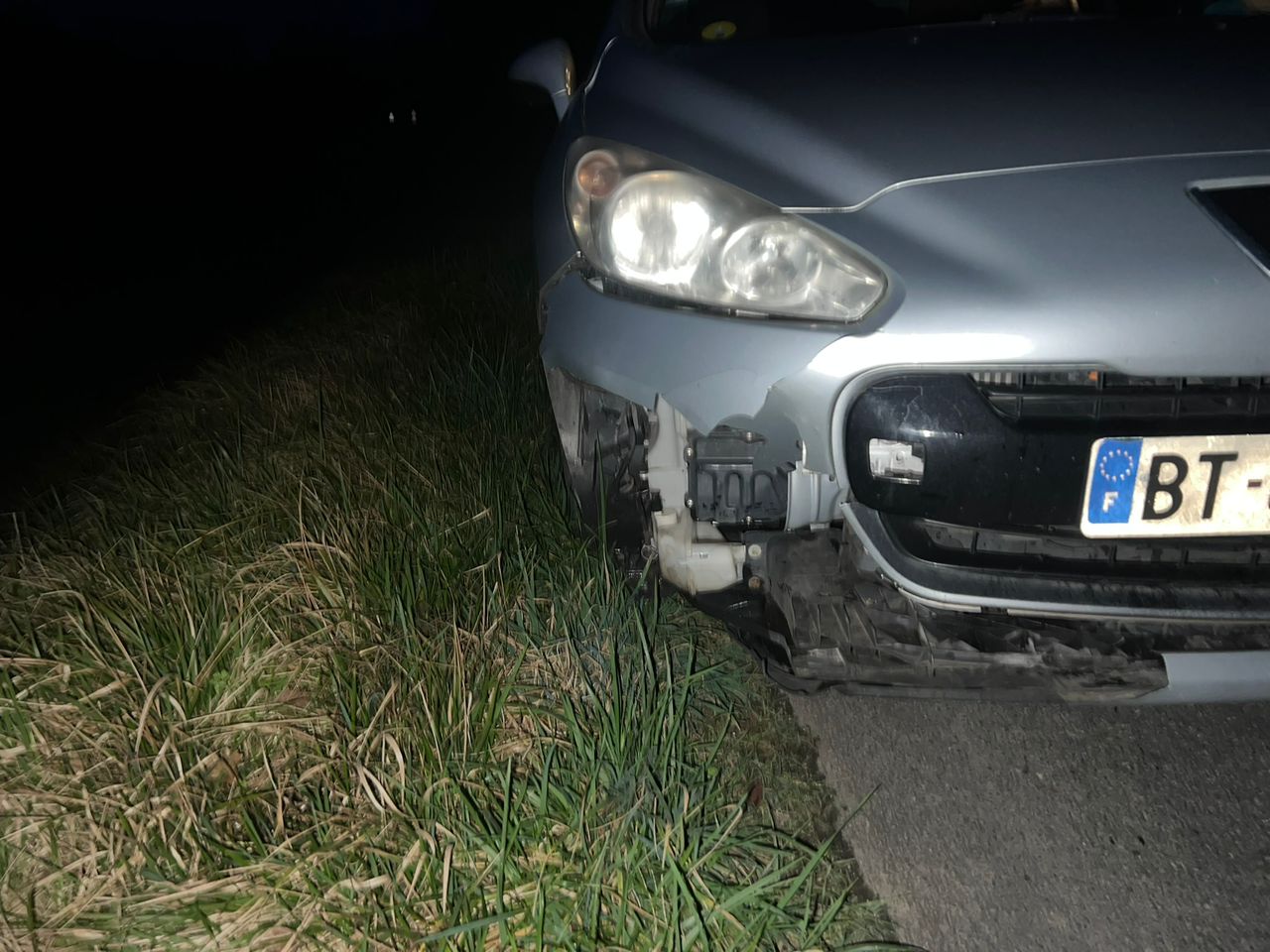
Oh but one crazy thing that did happen was that I ran into a deer once and it damaged the front of my car quite badly. It survived but left limping. When I reported it to the insurance company, they mentioned that this was a common occurrence in this area. There are a lot of woodsy areas around so it’s not out of the ordinary for animals to cross the road from time to time.
What’s the biggest challenge of parking in this city, and how do you find good spots?
There are ample park spots around the city and close to attraction spots. Usually they are paid parking spaces. However, during the summer there are usually lots of tourists visiting so parking spaces can be a little hard to find.
What’s the best city you’ve driven in and why?
Here in Brantome. I love the driving experience here, the roads have wide lanes and it is never busy. Commute time is fairly predictable.
What’s the worst city you’ve driven in and why?
The answer will always be Lagos, Nigeria. I can’t even begin to describe the driving experience within Lagos metropolis. Peak period is every hour and every work day and weekends especially Saturdays. It is absolutely insane, to put it mildly.
FAQs on Navigating France’s Road Systems
Adjusting to the transit laws of the European Union can feel like a steep learning curve. We have compiled the most common questions expats ask when figuring out how to drive in France legally.
Can You Drive in France with a Nigerian Licence?
Yes, but only under specific, temporary conditions. If you are in France on an active student visa, you are legally permitted to drive using your valid Nigerian licence accompanied by an official French translation or an International Driving Permit (IDP). However, once your student status officially concludes, this exemption ends. You must exchange your foreign licence for a French driver’s licence (permis de conduire) within twelve months, or sit the official French driving examinations if your home country does not share a reciprocal exchange treaty with France.
How Does Rural Parking Work in French Tourist Towns?
In quiet communes like Brantôme en Périgord, parking is highly accessible but heavily regulated. While there are ample public lots close to major attractions, most central spots are paid zones managed by automated machines (horodateurs). During peak summer tourist seasons, spaces fill up rapidly. It is highly recommended to park slightly further out in designated free municipal lots and enjoy a short walk into the town centre.
What Should You Do If You Encounter Wildlife on French Roads?
When driving through France’s heavily forested countryside regions (such as the Dordogne Périgord), encountering wild boars or deer is a common hazard. To stay safe, always adhere strictly to warning signs, drive defensively at night and use your high beams where permitted. If a collision with an animal occurs, safely pull over, secure the area with your hazard lights and emergency triangle, and immediately report the incident to local authorities and your insurance company.