
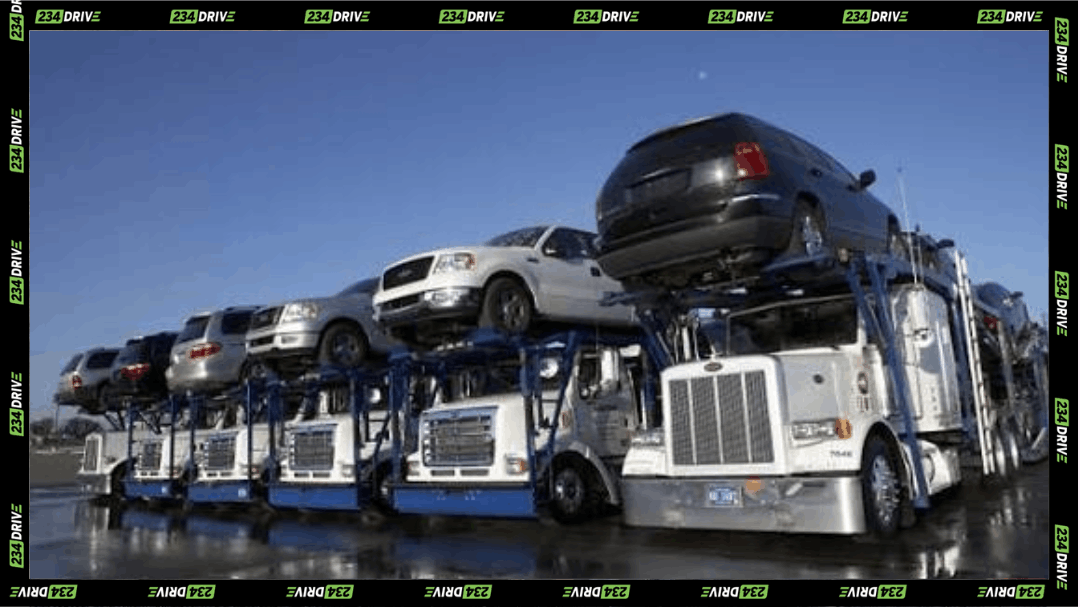
Fake trucking companies are now using car delivery as a new way to steal from dealerships in the U.S.
Instead of sneaking into lots or breaking into cars, fraudsters pretend to be real transporters, accept delivery jobs, pick up vehicles and disappear before the cars reach their buyers. The scam is hitting luxury and high-value cars the hardest, but even used cars are not spared, especially when dealers rush deliveries and fail to properly check who is collecting the vehicle.
Phantom Truckers Are Exploiting Gaps in Vehicle Transport
Car theft is no longer just about someone forcing open a door or hotwiring a vehicle. Some criminals now target the transport process itself. They create fake trucking companies, steal login details from real carriers or use stolen business information to look trusted on delivery platforms.
Once they appear legitimate, they bid for car transport jobs and wait for a valuable vehicle to become available. When the job is approved, someone shows up to collect the car like a normal transporter. If the dealership does not check properly, the driver leaves with the vehicle, and the car may never reach its destination.
The problem is growing fast. Cargo theft losses in the United States and Canada reportedly reached almost $725 million in 2025, a major jump from the previous year. These thefts now involve more planning, more digital tricks and higher-value targets.
One case shows how costly a simple handover mistake can become. A Missouri dealer reportedly bought a 2023 Bentley Continental Flying Spur from a Florida dealership for $171,562. The car was supposed to be transported from Florida to Missouri, but it allegedly disappeared after staff released it to a tow-truck driver who did not provide the right identification or delivery documents.
Transport platforms are trying to close these gaps. Some now use location tracking to catch suspicious bookings, while others have added identity checks such as biometric verification. But those tools cannot replace basic checks at the dealership.
Dealers still need to confirm the driver’s commercial license, match the company details, check the bill of lading and stop any pickup that feels wrong. Moving fast may please a buyer in the short term, but releasing a six-figure car to the wrong person can cost far more.
Nigeria’s Lower Vehicle Import Levies Could Make Car Imports More Attractive
Nigeria has started applying lower vehicle import levies, and that could make imported cars look more attractive to buyers. Under the new tariff structure, the levy on new vehicles has dropped from 20% to 10%, while the levy on used vehicles has fallen from 15% to 5%. For people looking at tokunbo cars, this may reduce some of the pressure that comes with bringing vehicles into the country.
Still, lower levies do not automatically mean cheaper cars. Buyers still have to deal with exchange rates, clearing costs and other expenses that still determine the final price. The new green tax surcharge also adds another layer of uncertainty, especially since dealers are still waiting to know how much it will add to affected vehicles.
The U.S. scam also shows why buyers and dealers need to pay closer attention to the people handling vehicle movement. One veteran importer shared a related transport problem involving truckers during delivery. What started as a simple arrangement to move a vehicle to the port became stressful after the truckers delayed delivery, made unexpected demands and left the dealer with little control over the process.
Before you decide to import your first car, read our full article on the hidden costs of first-time car imports and what first-time importers should watch out for.