
Picture this: you are navigating the chaotic evening traffic on the Third Mainland Bridge, or perhaps cruising on the Abuja-Keffi expressway, when a glowing yellow symbol suddenly pops up on your instrument cluster. For many Nigerian drivers, seeing these Toyota warning lights triggers an immediate wave of anxiety.
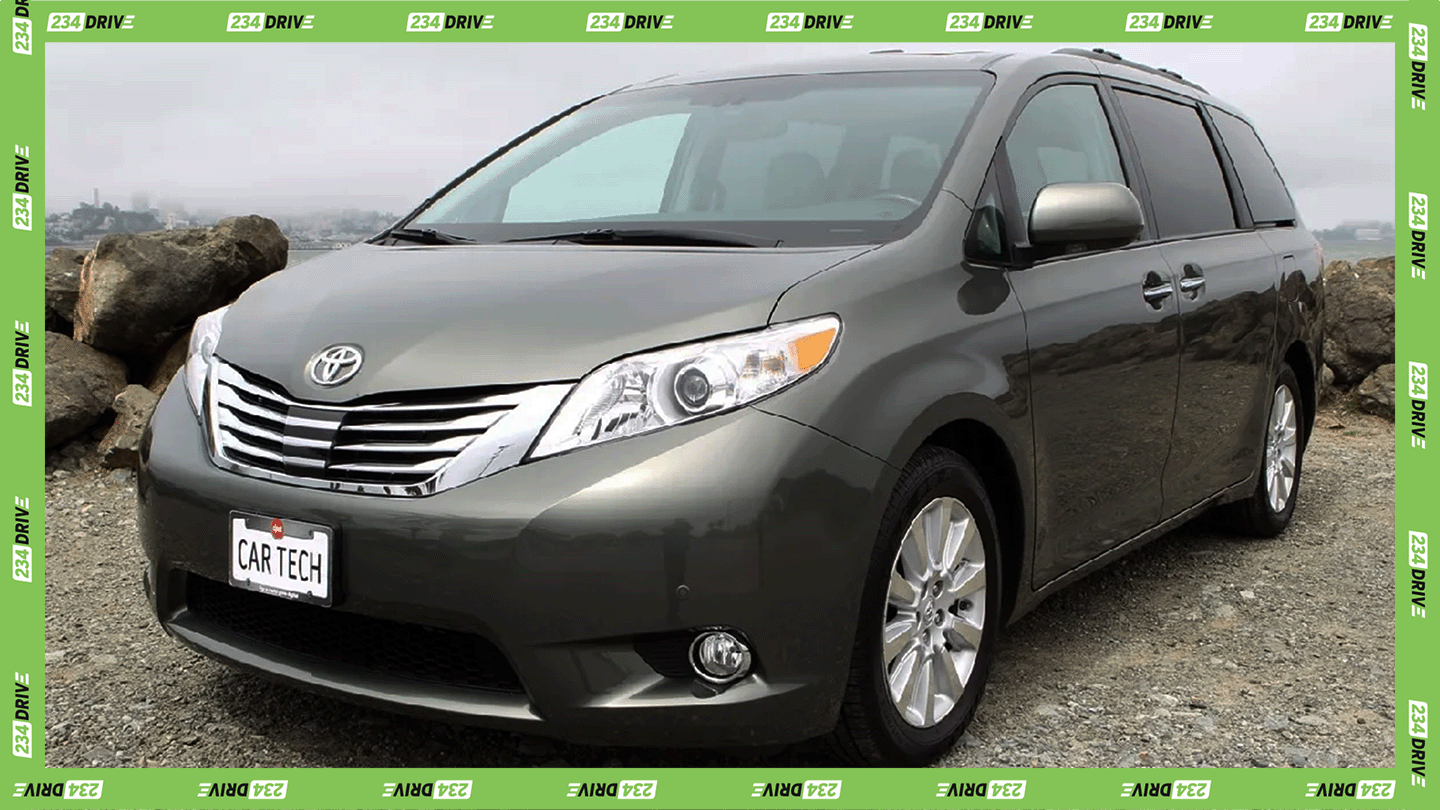
Your Toyota—whether it is a trusty ‘pencil light’ Camry, a muscular RAV4 or a workhorse Corolla—is a rolling computer. The onboard diagnostics system constantly monitors your vehicle’s health. When a light comes on, it is not a suggestion to ignore; it is your car trying to save you from a massive repair bill or, worse, a safety hazard on our unpredictable roads.
To help you decode what your car is saying, we have put together this definitive guide to understanding these lights, what triggers them in our local environment and how to address them without falling prey to roadside guesswork.
The Colour Code: Understanding the Urgency
Before diving into specific symbols, you must understand the colour language of your dashboard. Having these warning lights explained helps you know exactly how to react when your dashboard glows. Toyota uses a simple traffic-light system to communicate urgency:
- Green or Blue: These are purely informational. They tell you that a system is actively working—such as your high beams, fog lights or ECO driving mode. There is nothing to worry about here.
- Yellow or Amber: These represent warnings. They signal that a system is not operating correctly and needs prompt attention. The car is still driveable, but you should schedule a diagnostic check soon.
- Red: These indicate critical issues. A red light means immediate danger to the engine or your safety. You must pull over safely, switch off the engine and address the problem before driving any further.
Nine Common Toyota Warning Lights, Meanings and Local Fixes
1. The Check Engine Light (CEL)
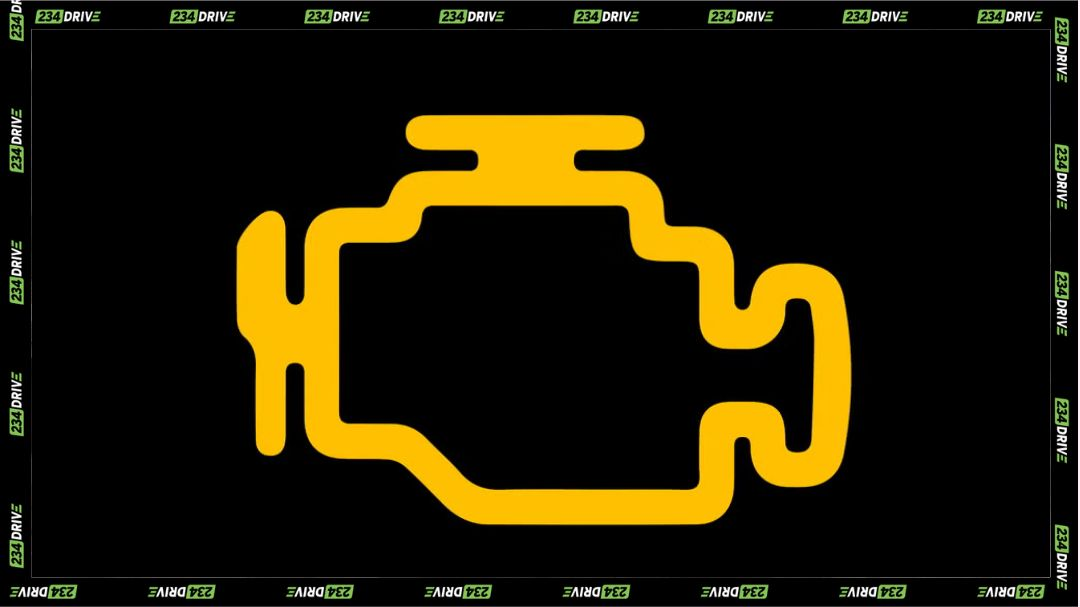
- Icon: An amber outline of an engine.
- The Meaning: Something is wrong within the engine, emissions or sensor network.
- The local reality: A solid light means you should scan the car soon. A flashing light indicates a severe engine misfire, which is dumping raw fuel into your exhaust. If you keep driving with a flashing check engine light, you will melt your catalytic converter—a component that costs upwards of ₦350,000 to replace in Nigeria today.
- Common Nigerian causes: Bad fuel (petrol contaminated with water or chemicals, which ruins oxygen sensors), a loose gas cap after a filling station stop or a dirty mass airflow (MAF) sensor.
- Common codes: P0171 (system too lean), P0300 (random misfire) or P0420 (catalytic converter efficiency low).
- The fix: Check your gas cap first. If it is tight, get a proper OBD-II scan to read the diagnostic trouble codes (DTCs). Do not let your mechanic guess; read the code first.
2. Oil Pressure Warning Light
- Icon: A red oil can.
- The Meaning: Your engine has lost oil pressure. This is not a ‘low oil level’ light; it means oil is not circulating through the engine.
- The local reality: Running an engine without oil pressure will destroy it within minutes.
- The fix: Pull over immediately in a safe spot and switch off the ignition. Check your dipstick. If the oil is empty, top it up. If it is full but the light remains on, do not start the engine. Call a tow truck. Facing a tow bill is significantly better than buying a ₦1.5 million replacement engine.
3. Battery/Charging System Light
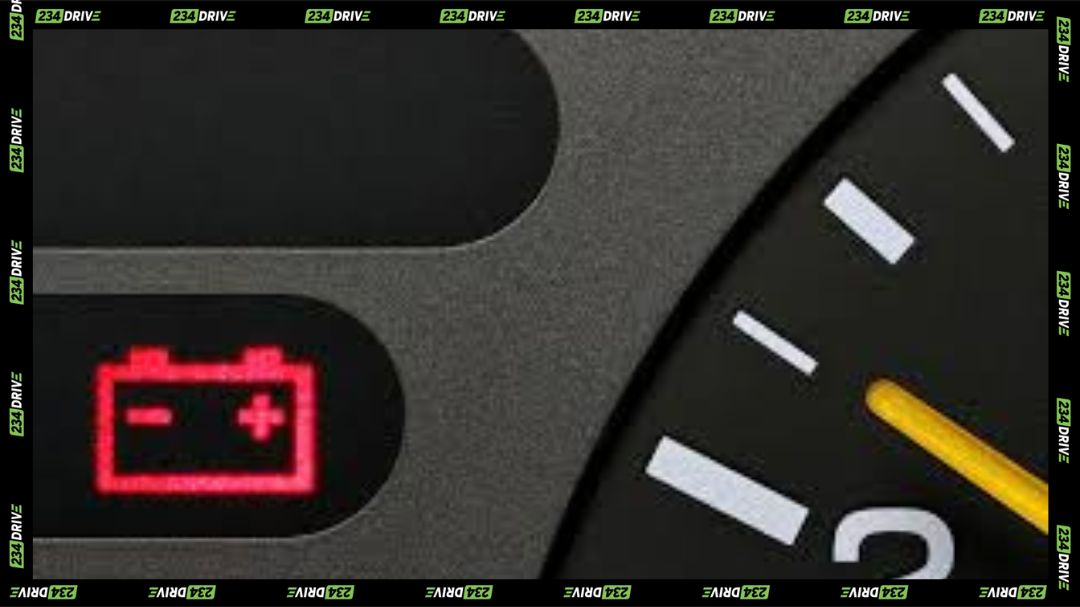
- Icon: A red battery.
- The Meaning: Your electrical system is running solely on battery power because the charging system has failed.
- Common causes: A failing alternator, a snapped serpentine belt or heavily corroded battery terminals.
- The fix: Turn off your air conditioning, radio and interior lights to conserve power. Head straight to a competent auto electrician. Your battery only has enough reserve power to keep the car running for about 15 to 30 minutes before the engine dies completely.
4. Brake System Warning Light
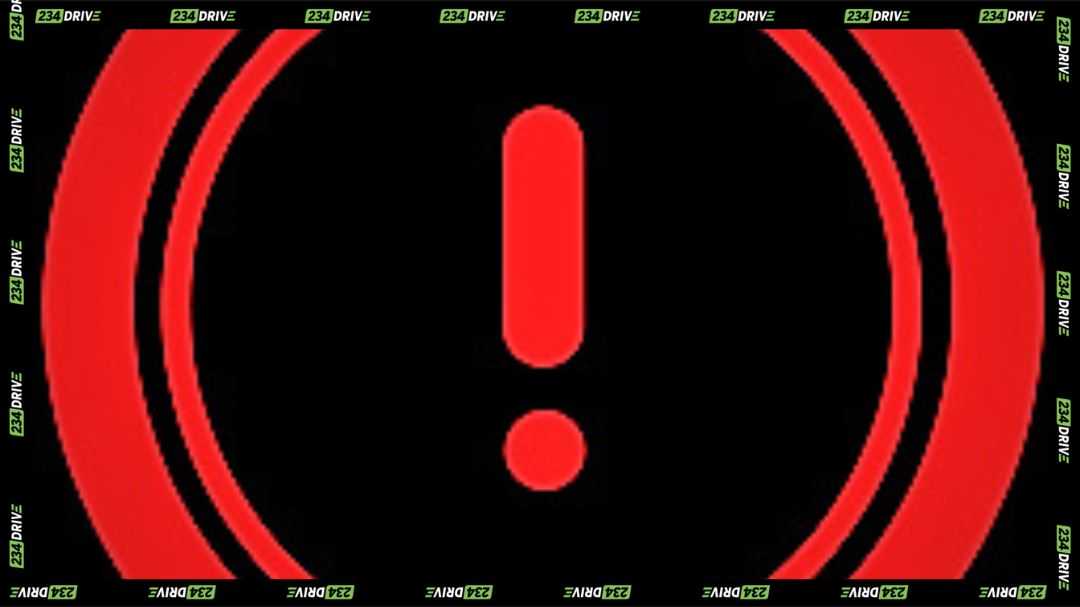
- Icon: A red exclamation mark in a circle or the word ‘BRAKE’.
- The Meaning: Your handbrake is engaged, your brake fluid is dangerously low or there is a hydraulic fault.
- The fix: Ensure your handbrake is completely released. If the light stays on, pull over and check your brake fluid reservoir under the bonnet. Low fluid usually points to worn brake pads or a leak in the brake lines. Never ignore this light on Nigerian roads.
5. ABS Warning Light
- Icon: The letters ‘ABS’ inside an amber circle.
- The Meaning: A fault has been detected in the anti-lock braking system.
- The local reality: Your regular brakes will still stop the car, but you will not have emergency anti-skid protection if you have to slam on the brakes on wet asphalt or loose gravel.
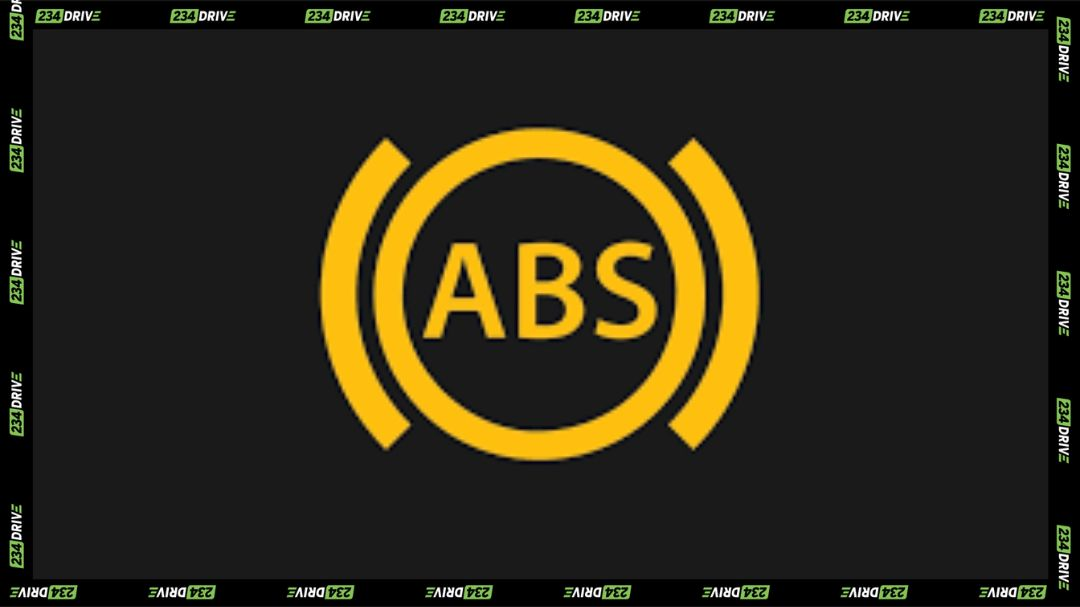
- The fix: This is often caused by dirty wheel speed sensors—highly common due to our dusty and muddy roads. Have a technician scan the vehicle to identify which wheel sensor is sending the error.
6. Tire Pressure Monitoring System (TPMS)
- Icon: An amber horseshoe-like shape with an exclamation mark (representing a flat tyre).
- The Meaning: One or more of your tyres is under-inflated or over-inflated.
- Common Nigerian causes: Our local vulcanisers are notorious for inflating tyres to an arbitrary ‘gauge 40’ or ‘gauge 45’ without looking at the manufacturer’s recommendation on your driver-side door jamb (which is typically 32 or 33 PSI). This extreme over-inflation or sudden pressure drop triggers the sensor. Understanding these meanings and fixes is key to tyre longevity.
- The fix: Set your tyres to the correct cold pressure. Once set, you can reset the system by holding down the TPMS reset button—usually located under the steering column or inside the glovebox—until the light blinks three times, then drive for a few kilometres to recalibrate.
7. Coolant Temperature Warning Light
- Icon: A red thermometer dipping into waves.
- The Meaning: Your engine is overheating.
- Common causes: A leaking radiator, a stuck thermostat, a failed cooling fan or a burst hose.
- The fix: Pull over safely. Do not turn off the engine immediately if you see steam; let it idle for a minute to circulate coolant, then shut it off. Never open the radiator cap while the engine is hot. Wait at least 30 minutes for it to cool down before checking fluid levels.
8. Maintenance Required Light (MAINT REQD)
- Icon: The words ‘MAINT REQD’ or a yellow wrench symbol.
- The Meaning: This is simply an odometer-triggered reminder that you have covered 5,000 miles (~8,000 km) since your last reset. It is telling you it is time for an oil change.
- The fix: Perform your routine servicing. To reset it in most classic Toyotas: turn the ignition on, set your odometer to ‘Trip A’ or ‘ODO’, turn the ignition off, hold down the trip reset button, and turn the ignition back to ‘ON’ (without starting the engine). Watch the dashes on your screen count down to zero.
9. Traction Control / VSC Light
- Icon: A car with squiggly slip lines or ‘VSC OFF’.
- The Meaning: The Vehicle Stability Control or Traction Control system is either active (blinking) or disabled due to a fault (solid).
- The local reality: In Toyotas, the VSC light often illuminates alongside the check engine light as a safety precaution, even if there is nothing wrong with your traction system.
The Danger of the ‘Clear and Forget’ Culture
A very common habit among Nigerian motorists is visiting a roadside diagnostic centre, paying ₦5,000 to ‘clear the code’ with a cheap OBD-II scanner and driving off.
Clearing the light does not fix the physical component. If your oxygen sensor is dead or your engine is running lean, deleting the error code simply turns the warning bulb off temporarily. Within a few kilometres, the computer will run its self-checks, detect the fault again and trigger the light. Always insist that your mechanic diagnoses and repairs the root cause before erasing the diagnostic trouble codes.
Staying Ahead of Dashboard Drama
Modern Toyotas are incredibly resilient, but they require proactive care. By keeping an inexpensive Bluetooth OBD-II scanner in your glovebox, you can read codes yourself using your smartphone before a mechanic tries to exploit your lack of technical knowledge.
For specific symbol locations, referring to your official owners manual online is always the safest bet.
Pay attention to what your dashboard is telling you, avoid ignoring yellow lights and never drive with a red light illuminated. Your wallet—and your safety—will thank you for it.
What is the most stubborn dashboard light you have had to deal with in your Toyota? Let us know in the comments below, and let our team help you decode it!