
IJ’s first driving lesson was on Third Mainland Bridge in Lagos during rush hour—’baptism by fire’ as she calls it. That was 2010. A year later, she bought a Toyota Corolla in Philadelphia and has been figuring out how to drive there ever since; navigating one-way streets that require a system to understand, meter maids who ticket you one minute over the hour and parking structures designed to trap the unwary. She crashed a couple years ago and her insurance company bought the car off her hands. She hasn’t replaced the car since then, instead borrowing her brother’s Camry when she absolutely needs to drive. But in a decade of Philadelphia driving, she’s learned what actually works.
Describe your first experience driving
So my first experience driving was in Lagos with a Toyota. I went to a driving school in Dolphin Estate and the first lesson was pretty scary because they had me drive to Third Mainland Bridge. Third Mainland Bridge is pretty intimidating even till now, so that was nerve-wracking. I was trying to make sure I didn’t get in the way of the other actual drivers. And it was early in the morning, so it was rush hour and very chaotic.
What was the logic for putting you behind the wheel on the first day on a busy road?
Baptism by fire. According to my instructor, their process involved just driving immediately. They don’t do any pre-instructions or whatever. He just guides you and shows you: okay, this is—because it was an automatic car–where you hit to stop and start, put the car in drive. They just feel like that’s the easiest way to learn.
I think the Third Mainland aspect of it really was more about the availability of the road. All the other places have a lot of stop-and-start. To be fair, in one direction, it’s not really a rush. Traffic is usually coming from the Mainland to the Island in the morning, so that’s the side that has a lot of traffic. So more of the driving was on the less busy side. But at some point, it all merges.
Now you’re in Philly. What are the common ways that people get around?
If you’re closer to the centre of the city, it is a lot smaller and there’s less parking. Or if you’re parking, you’re parking in parking structures that can be really expensive.
So a lot of people would either just walk around or use the public transportation—for us, that’s the trains or the buses. But once you start getting farther out of the main city centre, then you have more people driving.
So it depends on what part of the city you are in. I’m closer to the city centre . So that’s a lot of walking, public transportation and less driving as much as possible. Or these days with Ubers and Lyfts, people would rather do that than have to deal with trying to find parking if they took out their own cars.
What would you say is the most difficult thing about finding parking in Philly?
There’s the issue of availability. The roads are small. A lot of the roads are one-way, so there will be parking on just one side. Because there are limited spaces, those spaces go really quickly.
And then a lot of the parking spaces are timed. So you can have a maximum of—depending on how busy the area is—an hour. And if you’re there longer, you get a ticket.
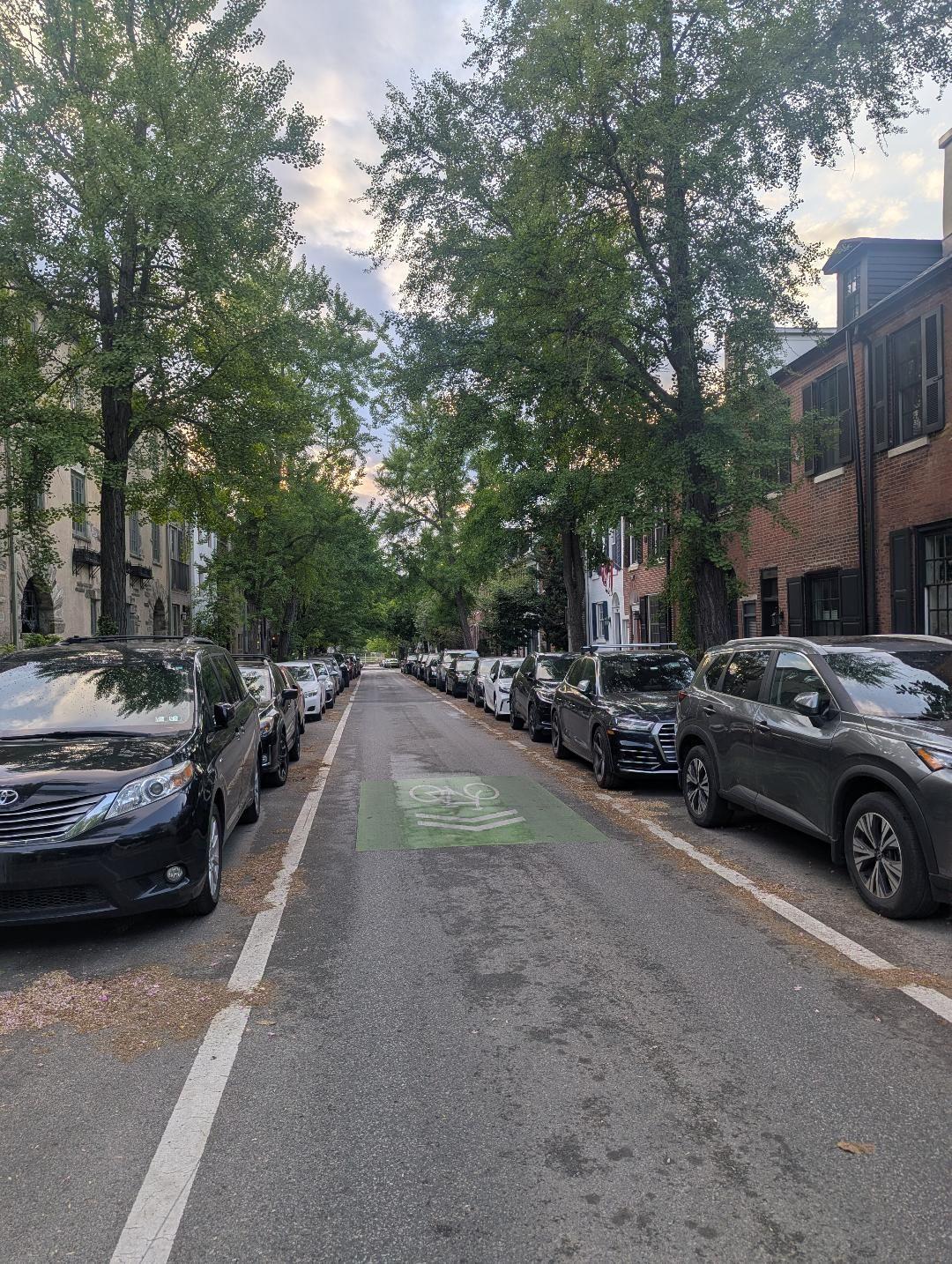
And the meter maids here in Philly are the most efficient I’ve ever seen in my life. One minute over, you already have a ticket.
And what about parking structures?
Those can be expensive. They’ll draw you in with a really cheap pricing for the first maybe 30 minutes. But then it’s a steep jump once it’s more than 30 minutes.
Sometimes, you’ll have to pay $40 just to park and you’re just going for a few minutes or a few hours or something. In comparison, if you decided to just take an Uber, you might get an Uber round trip and the max it will cost you is $20.
Did you ever get your own car when you were still driving in Nigeria?
No. When I learnt in Nigeria, I was just using the car at home. Whatever car my parents let me drive in the house was what I was using.
I learnt the summer of 2010, and then I finally got a car of my own here in Philly the following summer. So summer of 2011, that’s when I bought my car.
What car was that and what were you looking for?
It was a Toyota Corolla.
At the time, I was younger, so my priorities were very different. But it was my dad that guided the purchase. And so the ultimate quality we were looking for was ease of maintenance, a car that wouldn’t cost an arm and a leg if I needed to fix something or change a part in the car or something.
We were also looking for affordability in terms of insurance, because insurance charges depend on the type of car that you’re trying to insure.
So those are the considerations: cost of maintenance, cost of insurance and just general ease of driving it around. And so we settled on a Toyota Corolla.
Do you pay insurance monthly?
No, I pay six-month premiums because it’s cheaper that way. So you can either pay six months upfront or 12 months upfront.
Now what car do you drive?
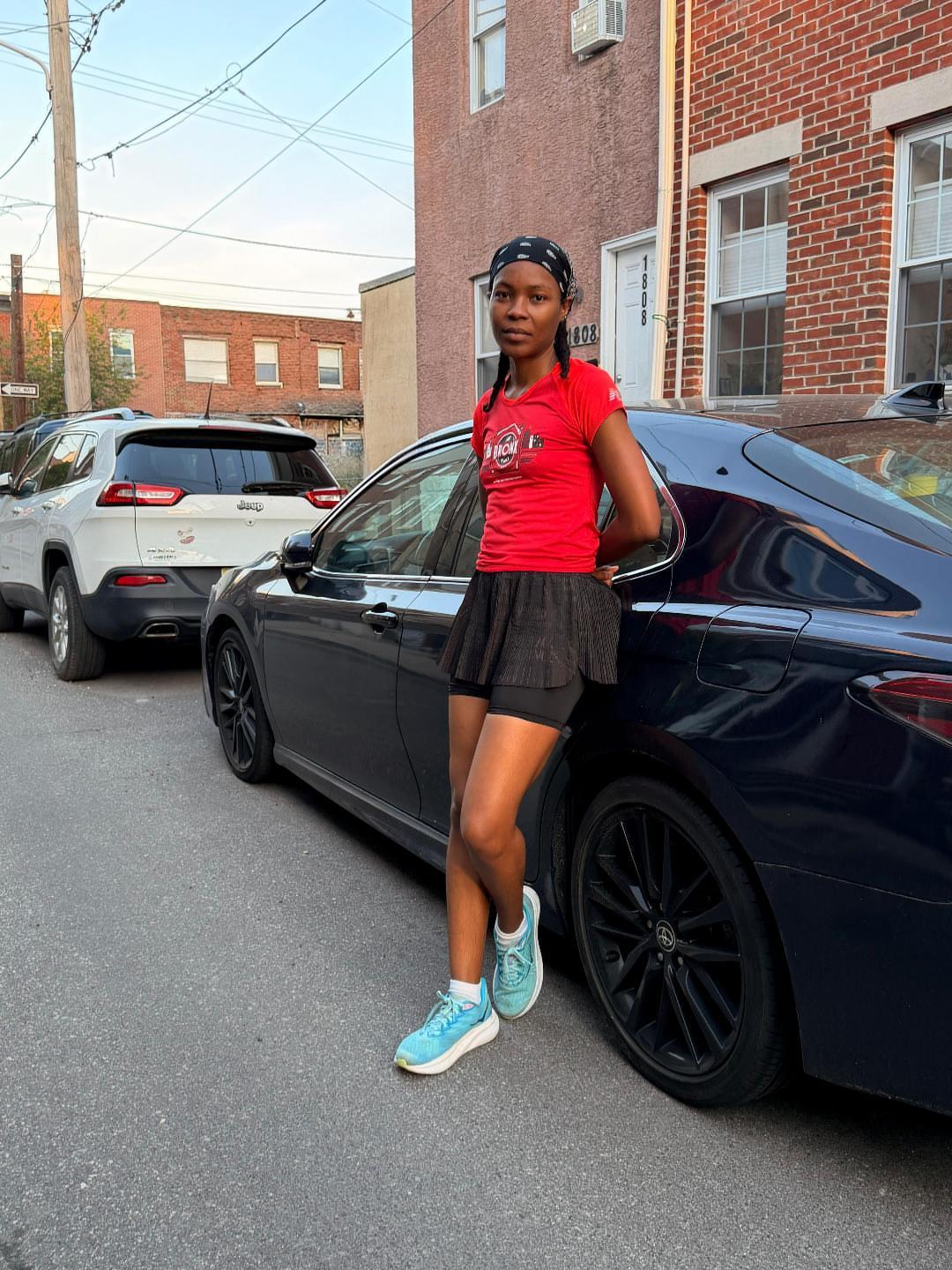
Right now I drive a Toyota Camry. But to be honest, it’s my brother’s car. I don’t have my car anymore.
I had an accident a couple years ago, so I don’t have a car and I haven’t replaced it because I haven’t been driving. I’ve not had to drive as much as I used to. So when I do drive, I just use my brother’s car.
What would you say has changed in terms of what you were looking for in a car then and now?
Those things will still factor in—the cost of maintenance and cost of insurance. The difference would be the amount I have available to spend on those things are different than when I was a student.
As a student, my costs were being covered by my parents. Now it will be up to what I’m willing to put aside for a car. But those things will still come into play: cost of maintenance and insurance.
Even though you learnt in Nigeria, did you get an international driver’s licence or did you do the whole driving school process in the US?
I did it all over again, but I won’t say from the beginning.
Because I had that driving knowledge from my summer holiday in Nigeria, when I came back for the next semester, I signed up for some additional classes. And the idea behind that was I wanted to learn the system here.
In Nigeria, a lot of the driving is really focused on moving the car. Okay, turn left, turn right. They don’t really—at least from my experience—harp on the actual road rules and regulations, which is really important here.
So it was for me to go and learn the road rules, the signs, how to avoid getting in an accident or getting ticketed.
So I took a total of four additional classes and then they gave me some resources to study, to take the written exam before then taking the practical exam and then getting my licence.
I think the first licence was kind of a provisional licence. And then after a year, I got a full-term licence.
How long did it take you to get the provisional licence?
As soon as I took the test. My memory is a bit foggy because it’s been a while. But I think as soon as I was ready and I took the test and passed it, they gave me the licence.
It’s usually different when you’re younger. If I got it when I was 16, it would be a different process. At the time when I got it, I was 21. So it’s different. There’s no waiting period to get it. You just have to be ready to take the exam, pass it and then you get a licence.
Have you driven outside of the US apart from Nigeria?
Yes. I’ve driven outside of the US just twice though. And the two countries that I drove in, they accepted the US licence. Canada, and Turks and Caicos.
What’s the best part of driving in Philly?
That’s a hard one because I don’t like driving. I guess, for me, I would say there is a sanity to it. There’s a rule of law and people follow it.
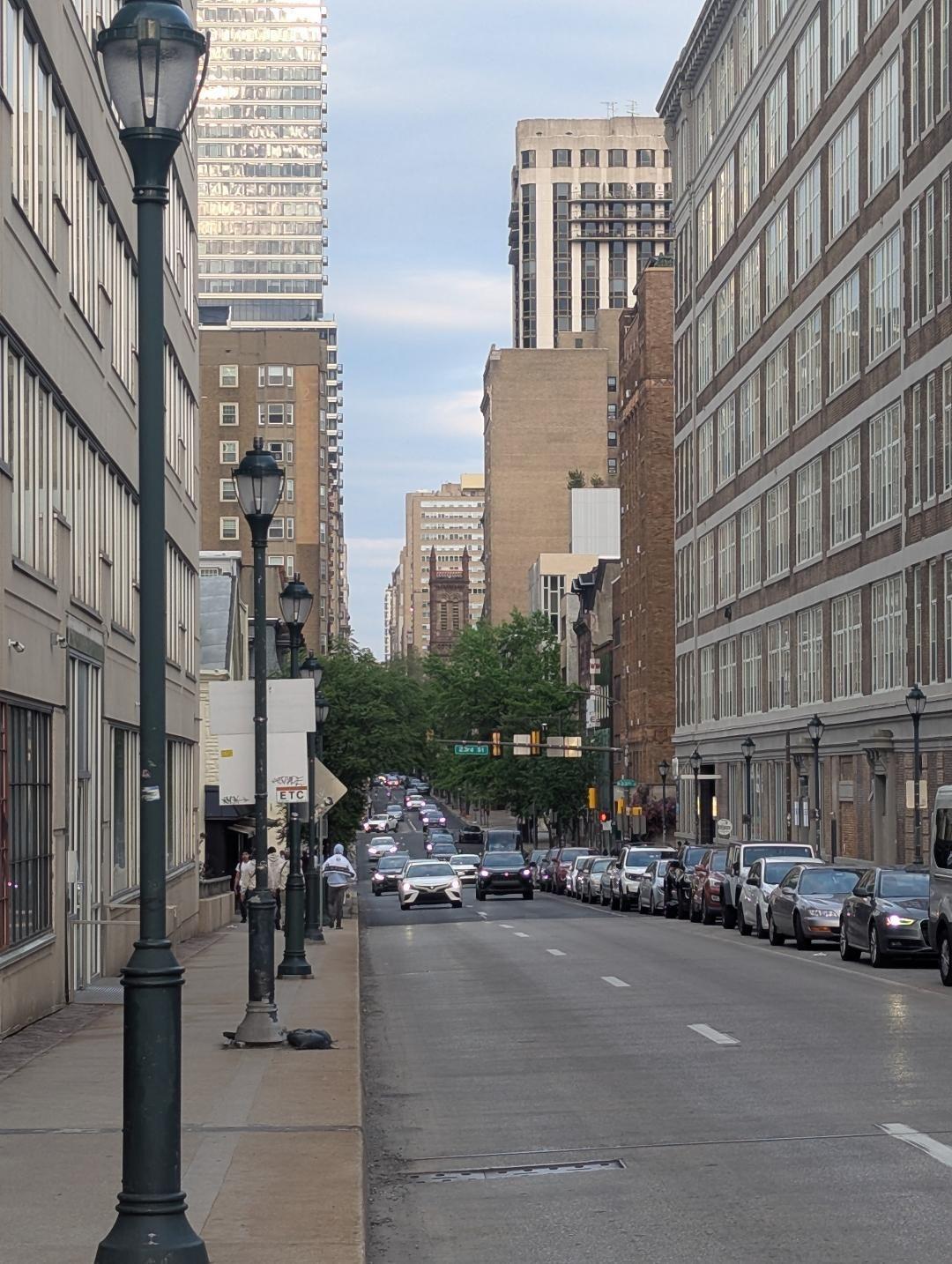
Generally, there’s a sanity to driving in Philly that you don’t experience in the larger cities like Lagos. Even New York—New York people are crazy too. Philly is a lot saner in terms of driving.
Have you experienced road rage at all in Philly?
Not in Philly. I’ve seen it in other places, but not in Philly actually.
Where have you seen it?
New York. Definitely. New York, especially with taxi drivers. They almost move like Lagos drivers, except that they know they can get tickets, so that reins them in a little bit. Still, there’s a lot of honking and sometimes people yelling out of the cars. Curses and stuff. I have seen one person stop and get out of his car and yell and then get back in.
If I had only one hour in Philly, where would you advise me to drive to?
You could drive down the Benjamin Franklin Parkway. It’s a wide road and along the sides of the road are different flags for different countries. It has a lot of trees and it’s very pretty.
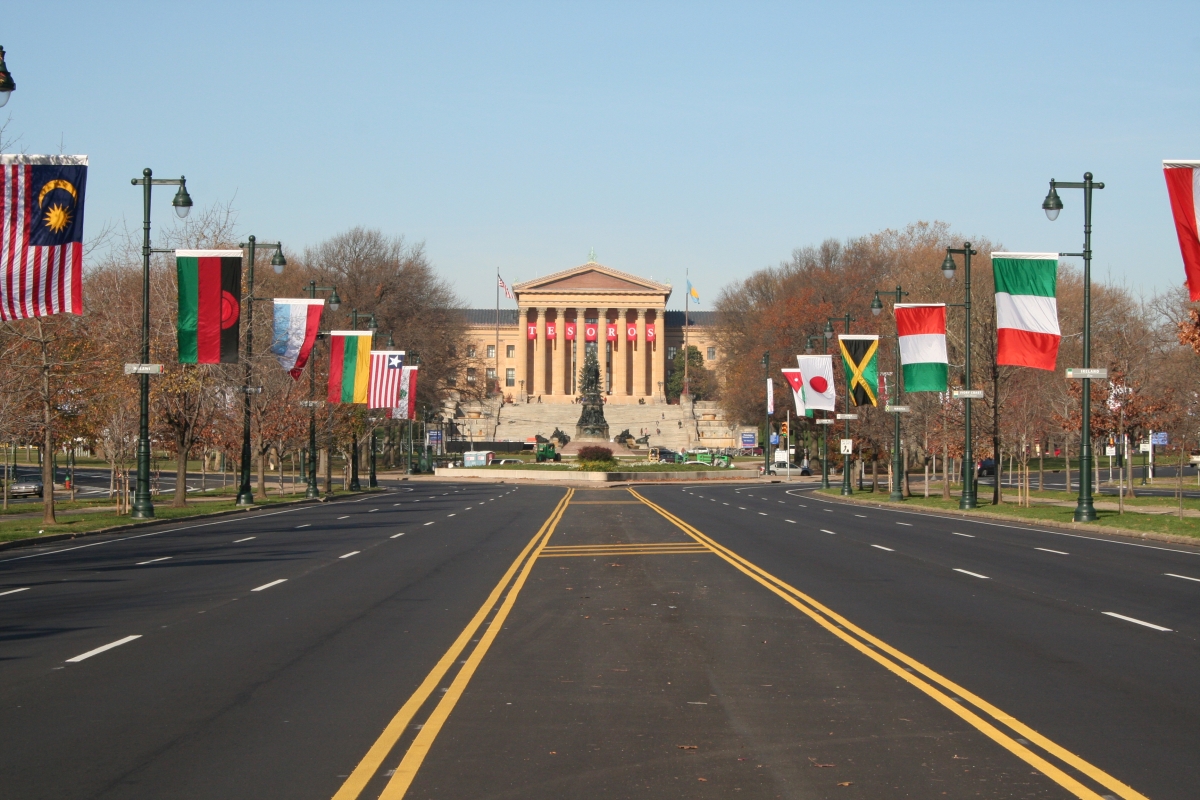
And then at the very top of that road is the Philadelphia Museum of Art, where the famous Rocky Steps and statue are.
So you see a lot of people that are clearly visiting. They’re just running up and down those stairs. But it’s always a really nice view, especially at night.
What is the most difficult city that you have driven in?
Definitely Lagos.
What’s the best city you’ve driven in?
Around the island of Turks and Caicos. It’s very quiet, very small. And it was crazy because they drive on the right. I’d never driven on the right. And somehow it was still easier than driving in Lagos.
What’s a traffic rule or custom in Philly that you initially struggled with?
I’ve been driving here for so long now, I don’t think I have any. But one I struggled with for a while was being able to turn on red.
On many roads in Philly, if you’re turning to the right, unless otherwise specified, even when the light is red, you can turn—as opposed to some other cities where if it’s red, there’s no movement at all.
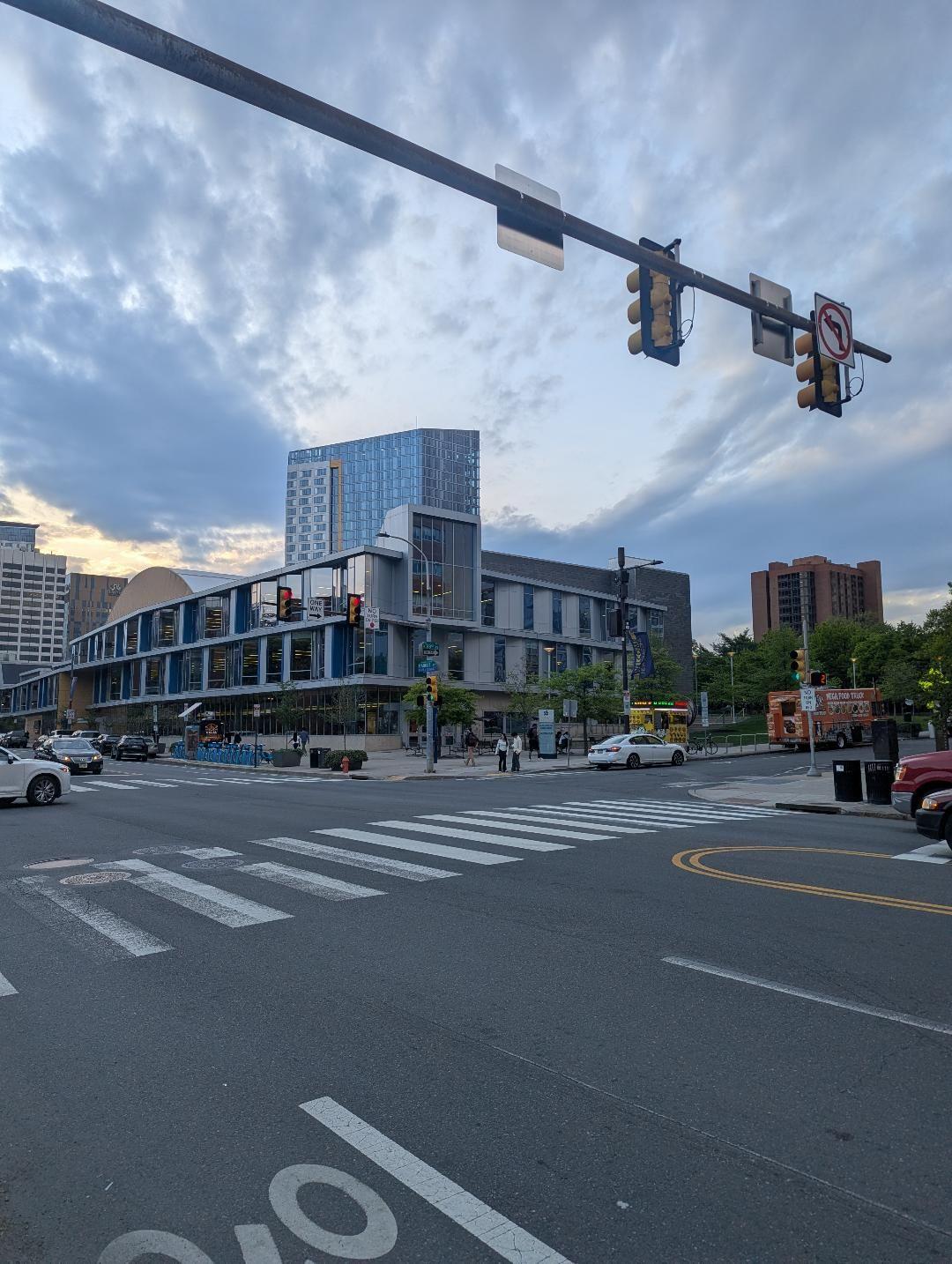
So that would confuse me sometimes because if you go to somewhere like Jersey, which is where I lived for a long time as well, if it’s red, it’s red. So turning on red was something that I struggled with for a while. I’m over it now, but that’s the only thing I can think of.
Tell us something interesting or unique about driving in Philly
Because of the way the streets are labelled, it’s pretty easy to figure out where you’re going or redirect yourself if you get off course.
In one direction, the streets are numbered—18th Street, 19th Street. So you kind of know how to navigate around that. And then the cross roads would be extremely long cross roads that you just get familiar with over time.
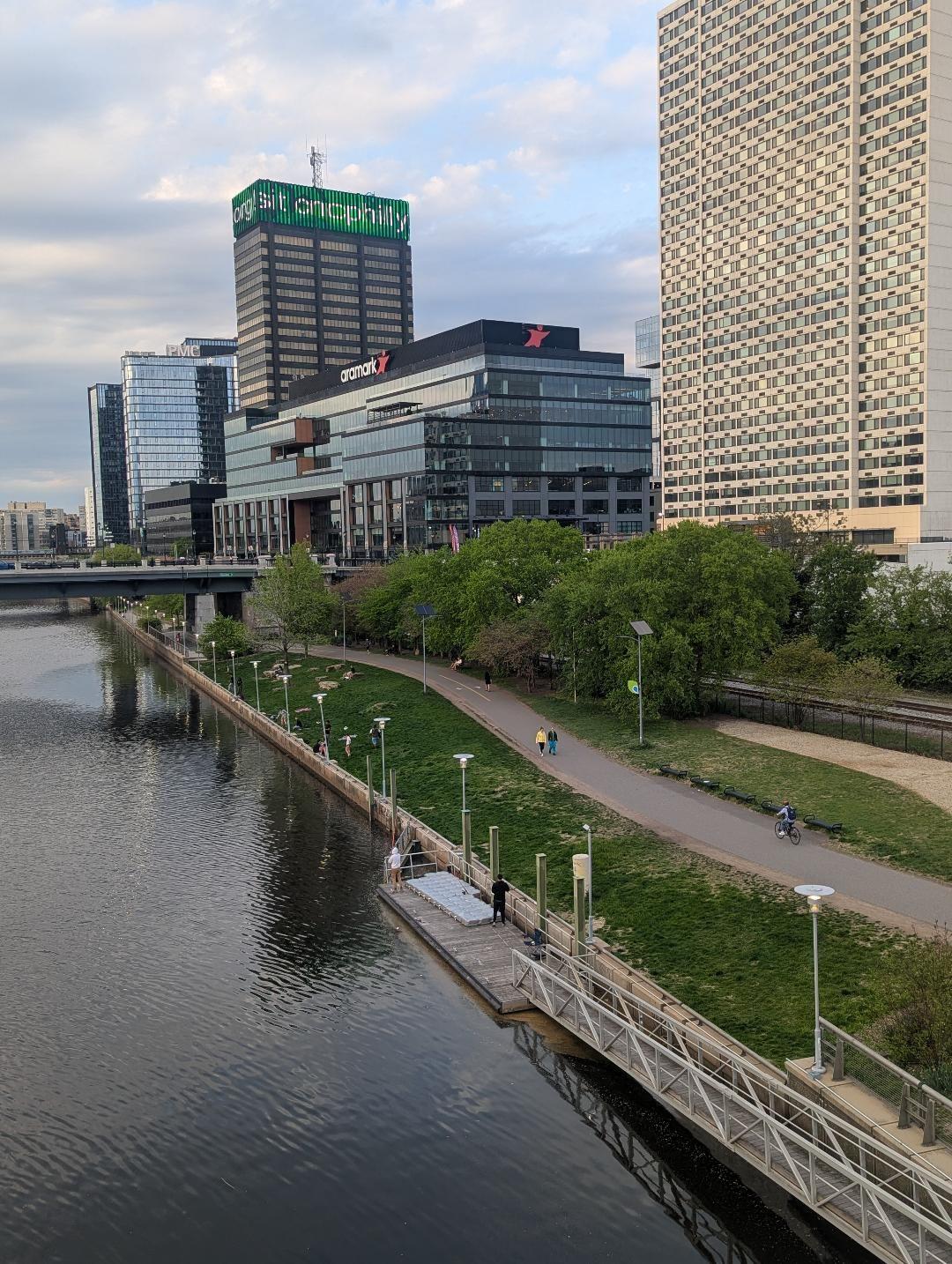
So if someone says they’re at 12th and something street, even without a GPS, I can kind of get a sense of the direction that I need to head to because of the naming structure for the streets.
New York is kind of like that too, but it’s a much bigger city, so it can be a little more daunting. But with Philly, it makes it easier to just get around or if you get lost, find your footing.
What time in Philly would you typically classify as rush hour?
For weekdays, in the morning it would be about 7 till 10. That’s when it’s usually busy. From 7, the traffic starts to build. In the evening, I would say about 4 to 7.
What’s the longest you’ve been held up because of traffic congestion?
Maybe an extra 30 minutes, 45. But for it to get that bad, it’s usually due to accidents. But there’s always one accident or the other. People get impatient and then try to do crazy things and an accident happens.
If there’s no accident, then I think the max has been 30 minutes because there’s just too many cars on the road.
It’s not a crazy amount of time, but it still adds up eventually.
What’s the craziest thing that’s happened to you while driving in Philly?
Definitely my accident last year.
I will even put it on me because I was a bit distracted. So I misread the traffic light and went when I wasn’t supposed to go. And so the car that was coming from the other direction hit me and spun my car around a little bit and then it stopped.
So that was very nerve-wracking. That’s definitely the craziest thing. Thankfully, there was no injury or whatever.
And how about the car?
It just damaged a part of my car. Insurance was more willing to just pay out the car than fix it. So that’s why I don’t have a car anymore.
I had insurance, so I was covered. Even the person that I got into a situation with was covered in case he got injured. But if insurance does a cost analysis and they see that the amount of money it will cost to fix the car outweighs the value of the car at the time, then they’ll just offer to pay you out and then they’ll take the car and just take it to a junkyard or whatever. That’s what happened in my case.