
Lisez cet article en français
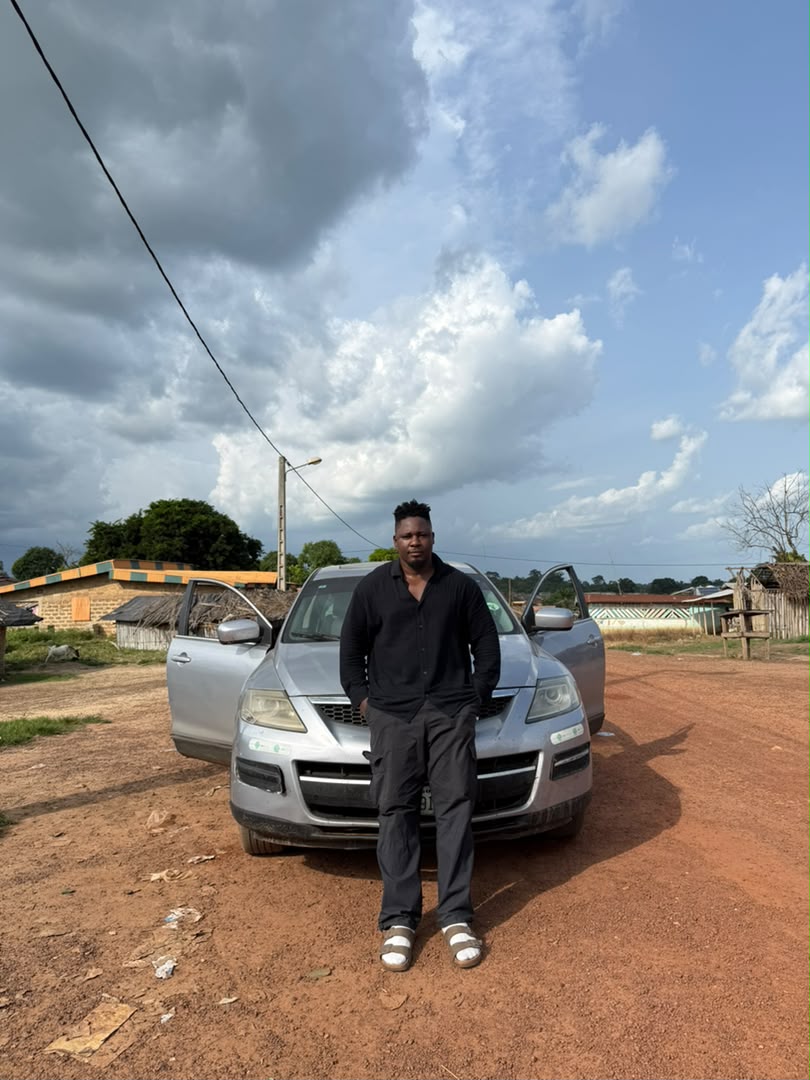
Damilare’s work as a journalist has taken him across West Africa, but instead of relying on buses and flights like most travellers, he takes his Mazda CX5 across borders. His first road trip into Ghana ended with him in a police cell on New Year’s Eve, but that arrest taught him everything he needed to know about navigating the region. Since then, he’s made over five more crossings without incident.
This article provides a comprehensive guide of what you need to know before driving across West Africa as a foreigner.
Quick-Start Checklist for Driving Across West Africa
- Get an international driving licence, a brown card (ECOWAS insurance) and research the travel pass requirements for each country you’re crossing. In Benin Republic and Togo, the travel pass is called the ‘Laissez-Passer’, while it’s called the ‘Vignette Touristique’ in Côte d’Ivoire and the Temporary Importation Permit (TIP) in Ghana.
- Budget for border stops; every country charges differently and hidden charges often come courtesy of corruption.
- Check road conditions before you travel; some stretches are excellent, others are genuinely dangerous. It’s best to travel with an Off-Roader or a car that has enough clearance.
Damilare is a tech journalist who travels frequently for work across West Africa. He drives a Mazda CX5, an SUV that’s served him well on both good and terrible roads. His work takes him across Nigeria, Ghana, Togo, Benin and Ivory Coast regularly, and he’s learnt the routes, the borders, the checkpoints and the unofficial payments that come with them. His first trip into Ghana, however, was chaotic enough that it nearly ended his cross-border driving career before it properly started.
Tell us about your first driving experience.
It was in 2019, while I was studying at the University of Ilorin. My cousin gave me the keys to my uncle’s Sienna, an automatic car. I always told my cousin that driving was easy, it was something I could do in my sleep and I didn’t need to go to driving school. So he said, ‘We got this car today, let’s see how you do’. I won’t tell you what happened, but it wasn’t a good experience for everybody involved.
Did you go to driving school after that?
No, I never went to driving school. I learnt on the road after that, just watching and trying. I picked it up as I went along.
When was the first time you drove into Ghana?
December 2023, New Year’s Eve. That was my first time driving into Ghana. I’d visited before for work, but that was my first time actually driving there. I was arrested that first time, actually. We left Lagos on Friday, spent time in Cotonou for a festival called ‘WeLove Eya’ and on Sunday we decided to leave for Ghana. We left around 4pm because we’d slept late after the festival, so by the time we got to Togo, it was already about 7pm. We had all our documents, all the requirements, everything.
What happened when you got to Ghana?
It was late and we were trying to catch up with my friends because we wanted to do the ‘Happy New Year’ thing together in Accra, so we were speeding, right? We couldn’t even see the speed limit signs because it was late and we were just driving. Sometimes we’d hit a pothole, sometimes we’d see it before we hit it. But one thing we didn’t see was that there were checkpoints.
In Ghana, different regions have their own checkpoints and when you’re coming from the Togolese border, you get to the Volta region first. There were about four different checkpoints that we passed and the police were telling us to stop, but we didn’t because we didn’t know. By the time we got to the last checkpoint to leave that region, they blocked the road entirely and the guns were ready. My friend was sleeping because it was just the two of us and he was tired. I hit the brake and I almost hit one officer and that’s when everything changed.
You were arrested then?
Yes. They just told me, ‘Chale, you dey go prison o’. It was when I stopped that I realised that there was a full-on police chase happening behind us. I had been playing music really loud since it was a long trip so I wasn’t really aware of my surroundings. But when we came out, we saw that there were the police, customs officers and the officials of the drug enforcement agency. They were even arguing over who would take us into custody.
The police ‘won’ and then they took us back to the first checkpoint we’d missed, about thirty minutes out of our way. So it cost us an hour of driving just to go backwards. They told us to take all our valuable things from the car and they threw me in the cell. My friend held our stuff while they waited for their boss to come. I was terrified, honestly terrified to my teeth. I didn’t know what was happening or what they’d do.
How come they didn’t arrest your friend too?
They had checked the car and saw that we didn’t have anything incriminating on us, so they no longer had the impression that we were smuggling anything. Now, it was just about my reckless driving, so I was the only one to be held responsible for that.
Fair enough. How did you get out of prison?
The female police officer on duty at that checkpoint sensed my panic and gave me a hint. She told me their boss was a lady and if I could calmly explain myself, she just might be merciful and let me go. When the boss arrived, the first thing she asked was my name and ‘why are you running’. I explained to her that I’m a journalist on an assignment, that I had people to meet in Accra for a story and they had a plane to catch in the next three hours. I needed to get there to talk to them.
I explained all of that and she just said, okay, cool. She asked for my ID card, I gave it to her and we just started chatting. That was it. She called the other agencies and told them we’d checked him, he’s correct, he’s clean, it’s just a traffic offence because he was being reckless. They wanted me to come to their offices but she said, ‘No, this person is not going to any offices. We’ve settled with him, he doesn’t have anything incriminating on him and he’s also a journalist.’ So they let me go. We had some drinks in the car and we gave that to the police to show appreciation. And about an hour and a half after we left that checkpoint, we had a flat tyre.
A flat tyre on top of everything else?
Yes, and again, this was my first time driving in Ghana. We were too tired to deal with it so we just slept in the car beside the road. The next morning, a roadside vulcaniser came and fixed the tyre for us and we got to Accra around 8:30am.
That’s quite an introduction to Ghana driving. Have you done the trip again since?
Yes, I’ve done it over five times now. After that first trip, it’s been smooth. No issues. The only thing is that Ghanaian police, when they see a foreign plate number, especially a Nigerian plate, they want to show themselves. That’s it.
Talk me through the route from Lagos to Abidjan.
From Badagry to the border, the roads are absolutely terrible. Giant potholes, like dragon heads from Game of Thrones—really big and scary. Once you cross into Benin, it’s a different story. The roads are really good from Cotonou, past the Hillacondji border and all the way down to Lome, solid roads and really beautiful scenery.
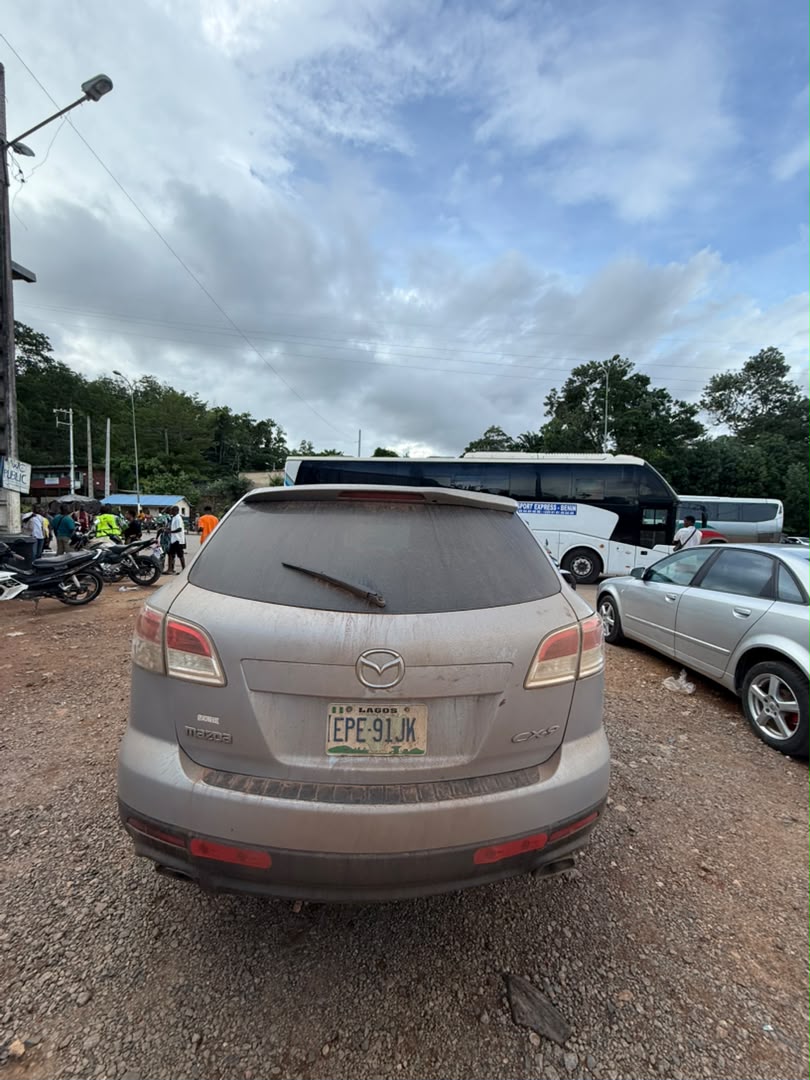
Then once you cross from Lome to Ghana, that’s when the roads change again. They’re fairly good but not as good as what you left behind. Nigeria and Ghana have some similarities. We don’t just speak English in common, we also have some really bad roads. Then when you’re heading from Ghana to Ivory Coast, there are roads that just make you ask yourself what you’re looking for there. It’s just the Ghana side that’s bad, especially if you’re leaving Accra. An hour into that journey and the road becomes terrible. But when you get into Ivory Coast, no problem. They have really excellent roads.
How long does the whole journey take?
From Nigeria to Ivory Coast shouldn’t be more than twenty hours if you’re going straight. Nigeria to Ghana is about seven or eight hours of actual driving, but it usually takes a day because of the border stops. Lagos to Cotonou is maybe an hour and forty-five minutes. Cotonou to Lome is an hour, sometimes less. Lome to the Ghanaian border is less than an hour because Lome is a border city itself. So you don’t spend much time in Togo before you cross over to Aflao in Ghana. From the Ghanaian border to Accra, depending on traffic, it’s maybe four or five hours. Then Accra to Ivory Coast is the longest stretch, maybe 10 hours.
What documents do you need?
You need an international driving licence, a brown card, which is your insurance card for West Africa, and then you need your Laissez-passer or whatever equivalent each country uses. In Benin, Togo and the Francophone countries, it’s called a Laissez-passer. In Ghana, it’s called something else, I think the TIP. In Ivory Coast, they call it a vignette. They all do the same thing; the car needs a ‘passport’ to drive in the country, just like you need a passport to enter.
The cost varies. In Benin, for instance, if you’ve done it before, they charge 7,000 CFA. If you haven’t done it before, they charge 10,000 CFA. Some people even do it in absentia for 15,000 CFA where you don’t need the car there; you just send your documents. I’ve heard you can do it online as well if you plan ahead, though I haven’t tried that.
What else do you need unofficially at the borders?
The experience is the same across all the borders. Tough bargaining with corruption. You have to pay to stamp your passports, pay the police to clear you, pay customs, pay immigration, pay those who are checking your yellow card. Everybody’s asking for bread, especially for stamping the passport. When they tell you to bring 2,000 for a stamp, it shocks you. You think, ‘You wouldn’t ask me this in the airport, so why are you asking here?’ But that’s just how it is.
The border between Ivory Coast and Ghana is less corrupt, I would say. If you look like they could take money from you, they will ask, but it’s less aggressive than other borders. That said, they all ask for money to stamp your passport and clear your car. During this last trip, I didn’t pay anything in Ivory Coast. I paid some money in Ghana because I was in a hurry and didn’t want to spend time talking, so I used an agent who cleared everything for me. But when I was leaving, I did everything myself because I wasn’t in a hurry.
Do you speak French?
I don’t speak any French at all, but the borders are fairly easy to navigate even without it. Everyone understands enough to get you through the process.
How does driving culture differ across the region?
The biggest difference for me is honking culture. I was ashamed anytime I honked in Ghana because they don’t honk. And they follow road rules much more than we do in Nigeria. You’ll see someone stretching their hand out to stop traffic for people to cross the road, things you learn in driving school that most of us never went to.
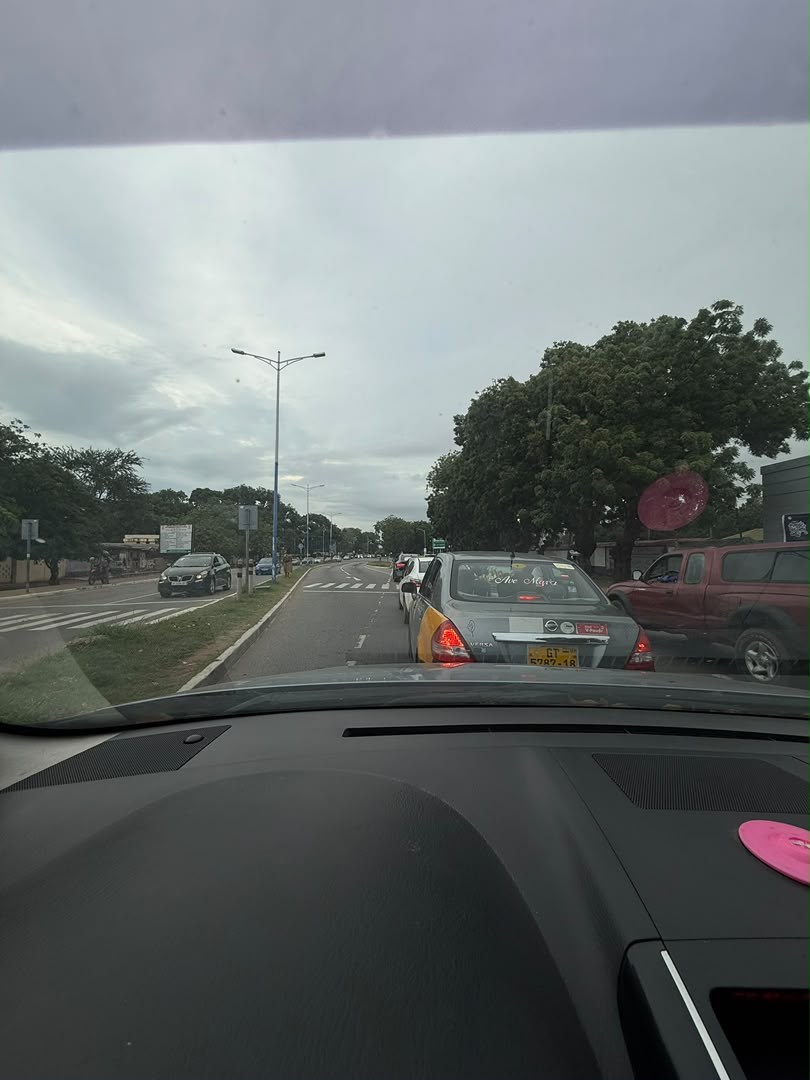
In Accra, they follow traffic rules to the point where even at night, when you’re driving alone on the road, you’ll see people stopping for red lights. The same thing happens in Ivory Coast and Togo. But in Togo, the police are very corrupt. Sometimes I’d follow the traffic rule and then they’d stop me after the light and tell me I broke the rule just to take money from me. One interesting thing, though, is that Accra, drivers really love to speed.
Is there much road rage?
Ghana doesn’t really have road rage like Nigeria does. I think road rage is a function of two things: lack of traffic rules and disobeying traffic rules. When people follow the rules, they don’t have reasons to fight because everybody knows their rights. You’re not moving in the middle of the road, you’re not turning where you’re not supposed to turn. So there’s nothing to rage about. That said, I was insulted once because I forgot to turn on my indicator when I was turning left. Someone saw my foreign plate and just yelled at me. That was the extent of it though. In Nigeria, that would escalate.
Do you prefer driving to using public transport in these countries?
Definitely. When I was visiting these places before, I used buses and shared taxis. But with my own car, I have control. I can decide when to leave and when not to leave. Some days I want to use the entire day for the trip, some days I want to use the entire night. I can decide how many times to stop, where to stop. That freedom combined with the fact that I actually enjoy driving, that’s my ‘why’.
FAQs: Driving Across West Africa
What’s the cost of getting a laissez-passer?
It depends on the country and whether you’ve travelled before. In Benin, it’s 7,000 francs if you’ve done it before, 10,000 if it’s your first time. Some countries offer an in absentia option for around 15,000 where you don’t need the car present.
Which stretch has the worst roads?
From Ghana to Ivory Coast, especially leaving Accra. An hour out of Accra and the roads become quite bad. But once you cross into Ivory Coast, the roads are excellent all the way through. The Badagry to Seme stretch on the Nigeria-Benin border is also terrible with very large potholes.
Do I need to speak French to cross into Francophone countries?
No. The border officials understand enough English to process your documents and get you through. You won’t need to have a conversation; you just need your documents in order.
How much corruption should I budget for at borders?
Everyone asks for small amounts. Passport stamps usually cost around 2,000 francs or equivalent. Police, customs and immigration will each ask for something. Budget for it as a cost of travel. Using an agent can speed things up but you’ll pay them to distribute the money to all the officers anyway.
Can I use my Nigerian driving licence or do I need an international one?
Get an international driving licence. It’s safer and more universally accepted across the region. Combined with a brown card (ECOWAS insurance), it covers you across all the countries you’re visiting.
What’s the best time to drive across West Africa?
Avoid the rainy season if possible, as roads deteriorate significantly. The harmattan season (dry season) is generally better. Plan your border crossings for daytime if you can; night crossings are more complicated.
Is driving at night safe?
It depends on the stretch. Well-maintained highways are fine. But avoid poorly lit areas and roads you don’t know. The potholes are harder to see and checkpoints are less predictable at night.