
Lagos State’s transport plans are entering a new phase, with attention shifting from building new rail lines to preparing the workforce that will keep them running. As Lagos works to grow its rail network, the government is also investing in the people who will operate trains and manage daily services.
The move shows a driven focus to pair infrastructure development with the local skills needed to support a modern public transport system for years to come.
Rail System Building Goes Beyond Laying New Tracks
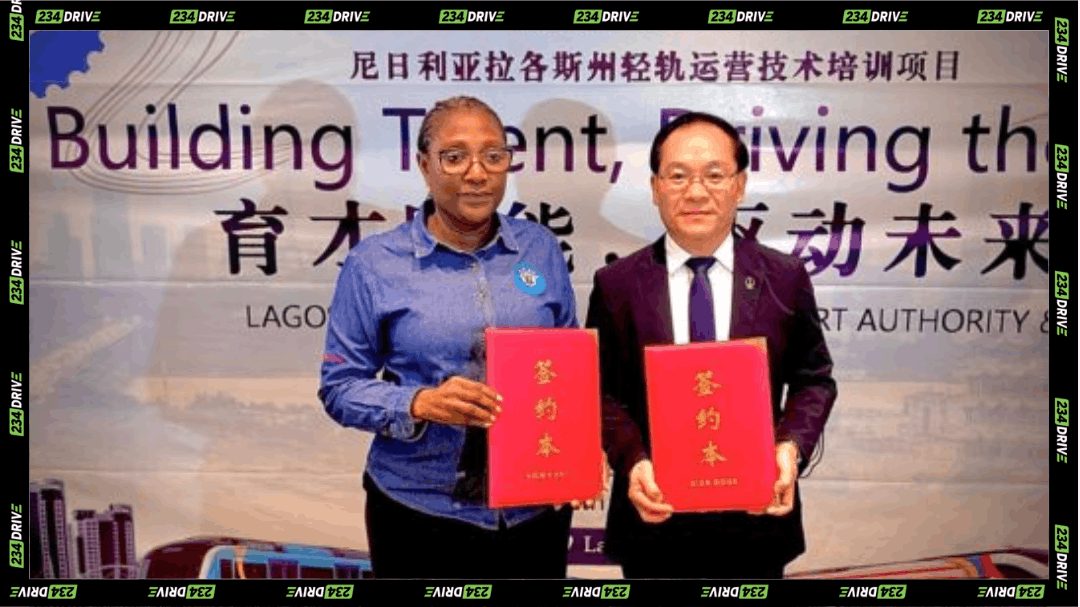
The Lagos State Government has expanded its Strategic Transport Master Plan from six rail lines to 11 rail lines and one monorail while partnering with China Civil Engineering Construction Corporation (CCECC) to establish a railway training centre for Nigerians.
The Lagos Metropolitan Area Transport Authority (LAMATA) said the centre will prepare workers for careers in train operations, customer service and other specialised areas needed to support the larger rail network.
Managing Director of LAMATA, Abimbola Akinajo, said the expansion has created a greater need for skilled workers, making a certified railway training centre a priority. The facility will combine classroom lessons, simulation exercises, hands-on practical training and skills assessments to prepare people for work across the rail system.
Akinajo said Lagos has already made progress in reducing its dependence on foreign workers through the Blue and Red Lines. Since both lines began operating, more than 400 people have been trained, including train drivers, operations staff and customer service officers. She added that the Blue Line now has more than 90% Nigerian staffing, with only a few technical roles still filled by foreign partners.
She expressed that Lagos wants Nigerians to take full responsibility for operating and maintaining the rail network, creating jobs and growing local technical expertise.
CCECC Vice President Sun Xiangchun said the training centre will equip Nigerians with the skills needed to support Lagos’ expanding rail network. He added that the project supports the China-Africa Vocational Education Plan, which strengthens technical education and skills development across the continent.
Having delivered the Lagos Rail Mass Transit Blue and Red Lines, CCECC said the expanding network will need more professionals trained in engineering, operations, maintenance and rail management.
The new training centre is expected to play a key role in supporting Lagos’ long-term transport plans by producing the workforce needed to keep one of Africa’s largest planned urban rail systems running.
Lagos Is Already Building the Fleet for Its Bigger Rail Plans
In April 2026, Lagos added a new set of 24-car trains to the Red Line, showing that the state is already building the fleet needed for its growing rail network. The additional trains are expected to carry more passengers and make rail travel a more reliable option for daily commuters as the city continues to expand its public transport system.
Governor Babajide Sanwo-Olu announced the arrival of the trains, saying they would increase capacity, reduce waiting times at stations and make daily journeys easier for Lagosians.
The new train sets will allow the Red Line to run more frequent services as demand grows while helping improve the reliability of the network.
The Red Line is a key part of Lagos’ plan to reduce pressure on congested roads by offering a faster alternative for people travelling across the city. Expanding the fleet supports that goal by enabling the system to move more passengers each day.