
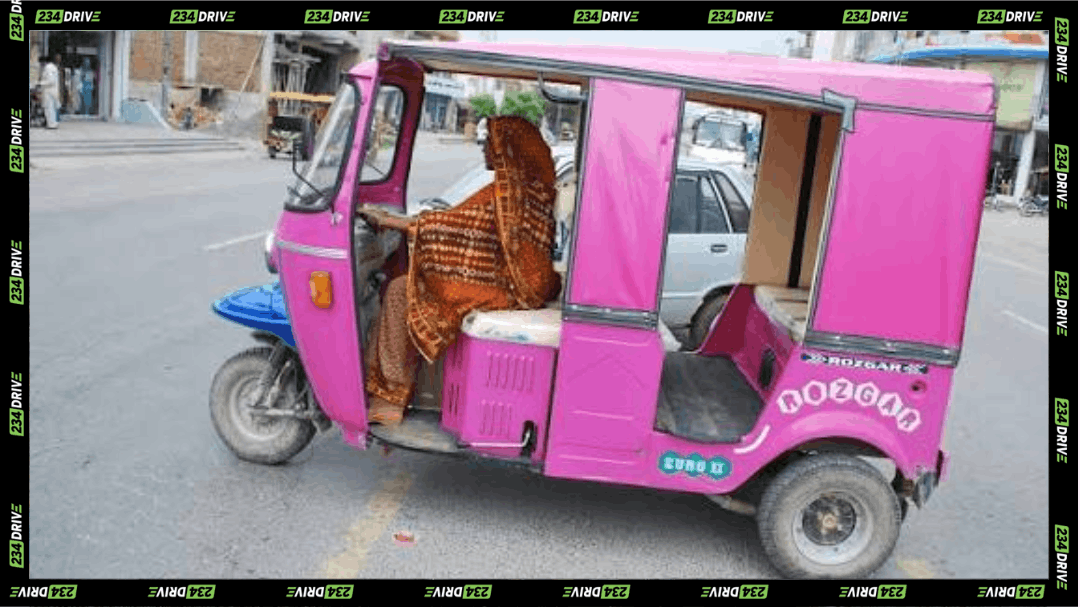
Pink electric rickshaws, commonly called ‘kekes’ in Nigeria, have become a familiar sight on Kano’s roads, carrying female passengers across one of northern Nigeria’s most conservative cities.
The Mata Zalla project gives women a route into paid transport work while responding to safety and cultural concerns around mixed-gender public taxis. It also shows how economic pressure is pushing women into spaces that men controlled for years. The shift is small but visible.
Mata Zalla Project Expands Women-Only Electric Keke Initiative in Kano
The women-only transport initiative, known as Mata Zalla, operates with female drivers and female passengers only. Men do not drive or ride in the pink kekes, which makes them easy to identify on Kano’s busy roads.
Mata Zalla means ‘exclusively women’ in Hausa. The project was launched in 2024 under Mata Zalla Cooperative Society and is led by Hajiya Hauwa Ahmad Tarauni. It focuses on women who need steady income, especially widows and divorced women.
Kano’s public transport system has long been dominated by men. Yellow petrol-powered Keke Napeps have become the main way many residents move around the city since their introduction. City traffic officials estimate that about 60,000 of them operate in Kano, and men drive them almost entirely.
Mata Zalla is trying to change that pattern with electric kekes. The group has trained more than 200 women, but only 100 have received vehicles so far because of limited resources. The vehicles come through a loan system, and drivers repay over three years.
For women like Umma Hani Yusuf Khalid, the work has changed daily life. The 35-year-old divorced mother of two left footwear trading about 18 months ago to become a Keke driver. The income has helped her rebuild her home and support family responsibilities. She starts early, travels about 15 kilometres to the Mata Zalla office and carries passengers heading toward her area before returning to care for her children.
The job still comes with pressure. Khalid said female drivers face harassment from some private car drivers who look down on them. Her approach is to ‘remain composed behind the wheel’.
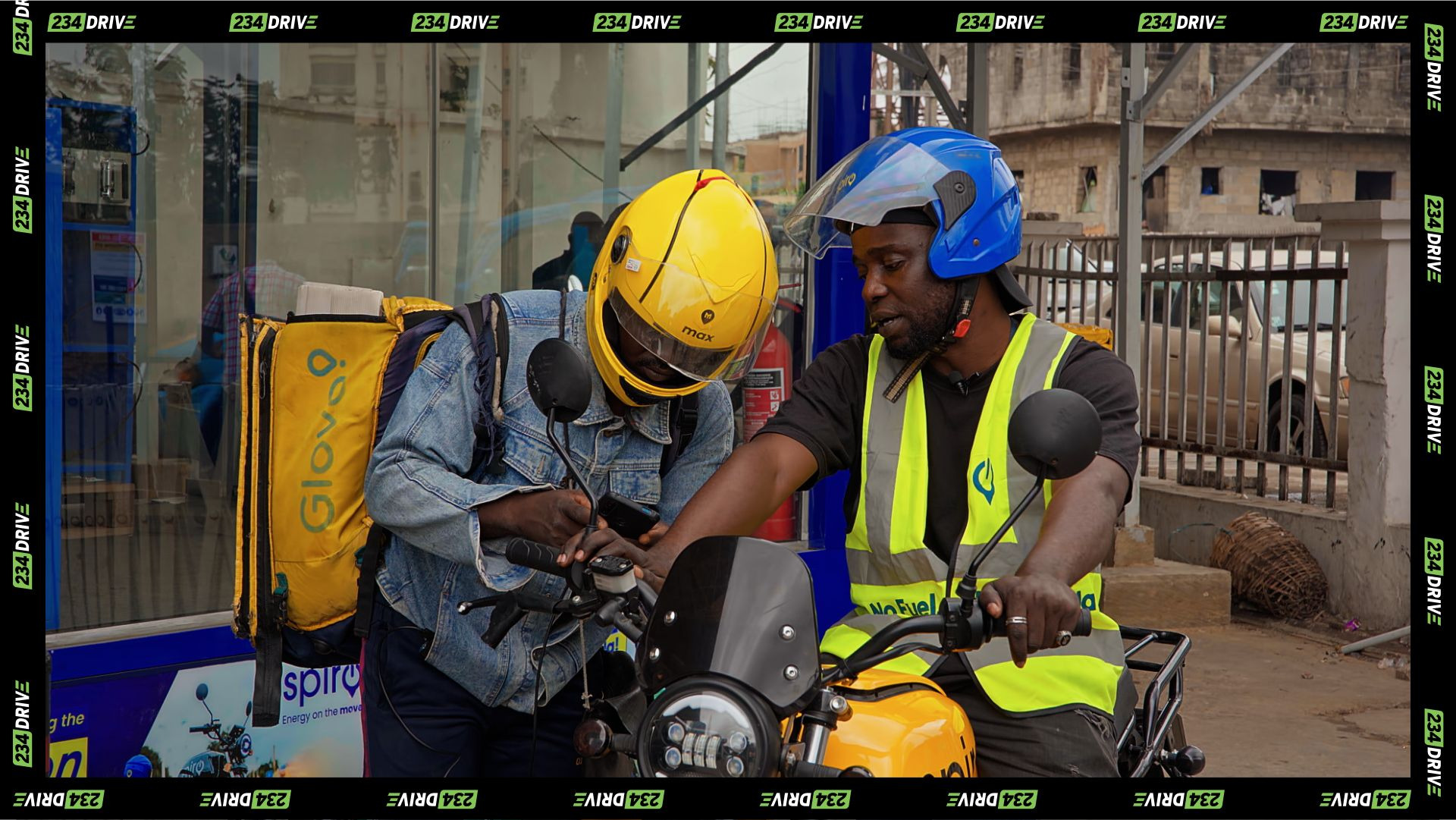
Mata Zalla also supports the vehicles with solar-powered charging stations, where drivers can swap batteries when they run low. Organisers say demand keeps growing, with more women asking to join.