
Janet, an Abuja-based Bolt driver, turned to ride-hailing at a difficult point in her life. After separating from her son’s father, she had to provide for herself, her child and her parents. She was a hairdresser at the time, but the income was not steady enough.
One day, it dawned on her that driving might just be the right profession for her; it would allow her to earn more income, but more than that, it would provide the flexibility single motherhood demanded. Driving did not appear to be a common profession for women, but she thought it worth giving a try regardless.
‘I just thought about it,’ she said. ‘Even if I’m the first person to try it, other people might.’
A ride with another female driver later made the idea feel more possible. Today, Janet drives in Abuja and describes herself as one of Bolt’s top female drivers in the capital city. The platform has recognised her work on their driver-only platform. She has also built an online following around her driving experience and now encourages other women who want to enter the business.
Before the Platform, There Was Already the Will to Drive and Earn
One Thursday evening in 2020, Janet got into a Bolt she had ordered and was pleasantly surprised to find a fellow woman behind the wheel. She excitedly pressed her with questions. How did she get into driving? How long had she been doing it? And as many questions as she could pack into a twenty-minute drive. The female driver’s responses were not as detailed as Janet would have liked, but they were still more than enough motivation. If another woman could do it without major issues, Janet felt she could try too.
Driving was not new in her family. Everyone at home could drive, and her father had worked as a chief driver who trained other people. But he was not the one who taught her. Janet’s first driving lessons came in 2013 from her partner at the time. Her brother would also teach her how to drive not too long after.
One early driving experience captured Janet’s determination well. As a learner, she drove for about 50 minutes from Lugbe in Abuja to Karu without realising the handbrake was still up. The car eventually overheated, and her parents had to come to her rescue. But even that did not stop her from learning.
So when she later told her family she wanted to drive for a ride-hailing platform, it did not come as a total surprise. They knew she had always been willing to try things, especially when she needed to make money and take care of the people depending on her.
The Driver Numbers Show How Wide the Gap Is
Nigeria’s ride-hailing sector has grown into a substantial part of the gig economy, but very few women are behind the wheel.
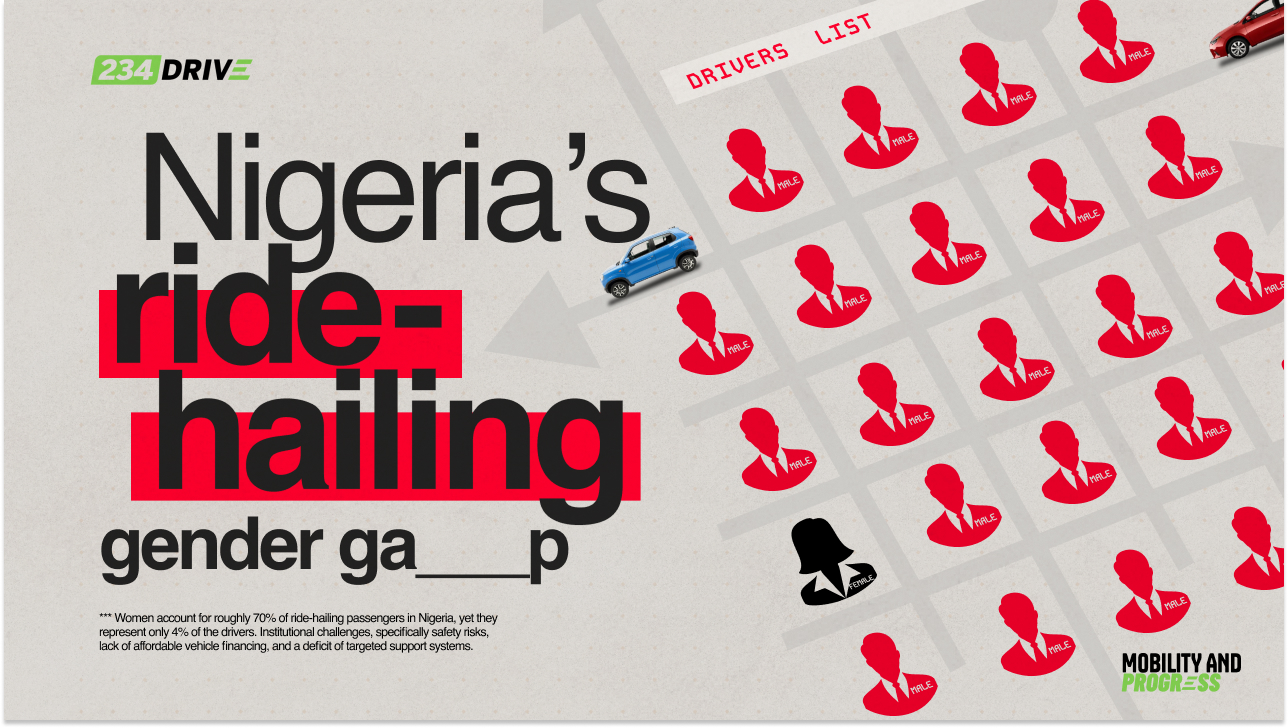
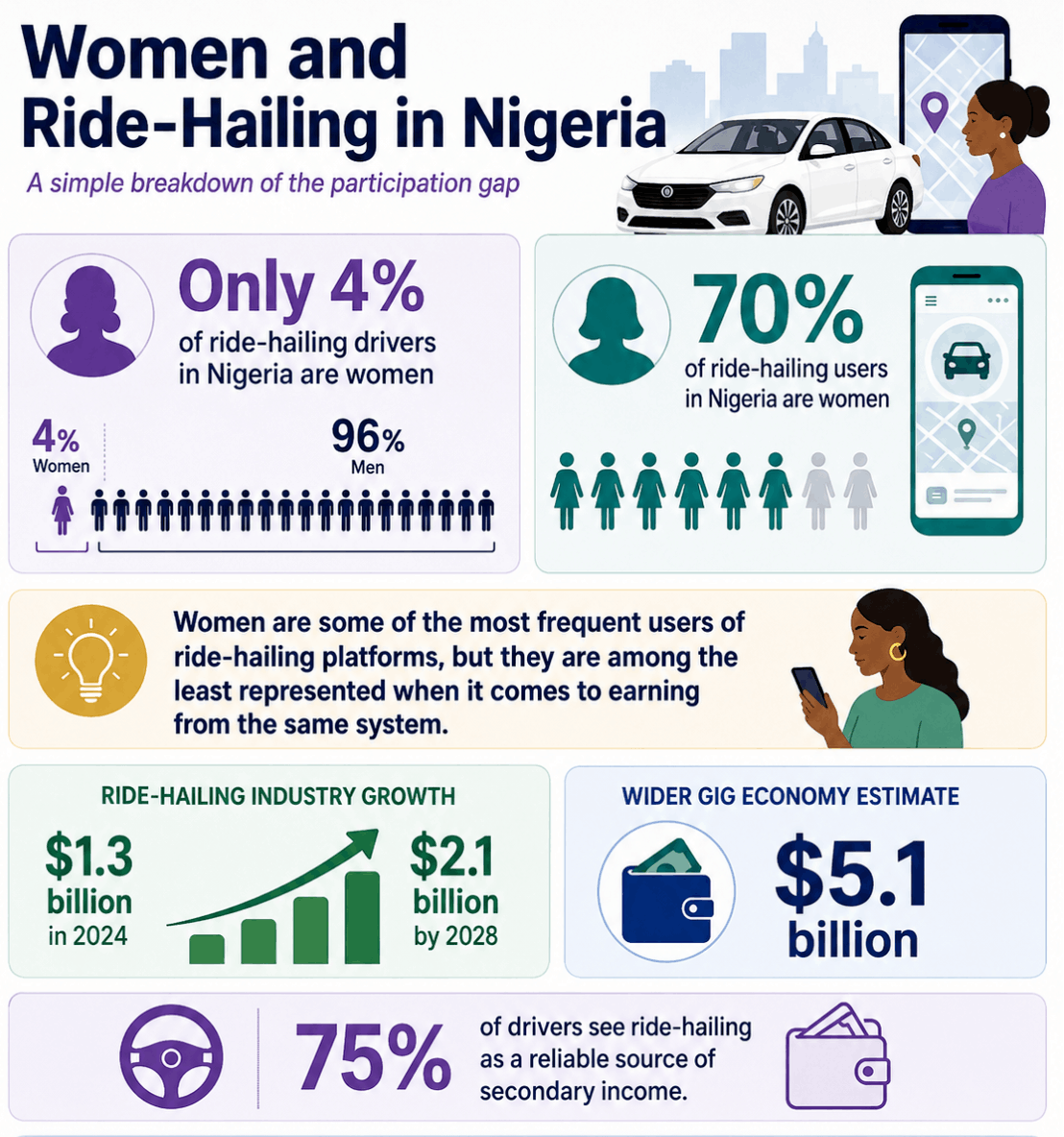
A 2026 report by Bolt and Ipsos Group (a multinational market research and consulting firm) revealed that women make up only about 4% of ride-hailing drivers in Nigeria. Additionally, a separate Bolt/Ipsos safety perception report revealed that women account for 70% of ride-hailing users in the country.
Ironically, while women are the most frequent users of these platforms, they are the least represented when it comes to earning from the same system.
The numbers become harder to ignore as the market expands. Nigeria’s ride-hailing industry is expected to grow from about $1.3 billion in 2024 to $2.1 billion by 2028, while the wider gig economy is now estimated at about $5.1 billion. For a sector built around flexible work and seen as a reliable source of secondary income by 75% of its drivers, women’s low presence behind the wheel raises bigger questions about access, cost, safety and who gets to benefit as the business grows.
Safety Shapes the Decision Before the First Trip
Her safety is something Janet considers, but not something she says she constantly worries about. In her five years of driving, she has not had a major bad experience, although she admits that insecurity has made night driving more difficult for drivers generally.
When she told some of her friends that she wanted to drive, there was a bit of worry. Was it safe? Would passengers respect her? Would she be able to manage being on the road for extended periods of time?
However, Janet has always felt she should not have to worry too much about her safety. She believes strongly in energies; that is, bad things should not happen to her as someone who puts out positive energy. She has driven as late as 2 a.m., especially when she was still new and trying to understand how the job worked.
Janet may not see fear as enough reason to stop, but the risks are still real. Carjacking and theft still come up often enough to worry many drivers. For women, there is also the added concern of being alone on the road, especially during late hours.
That fear is not unique to Nigeria. A global study conducted by the International Finance Corporation (IFC) on women and ride-hailing found that safety and security concerns remain one of the major reasons women hesitate to become drivers in some markets. In the 2018 study of six countries (Egypt, India, Indonesia, Mexico, South Africa and the UK), 64% of women drivers surveyed cited security concerns as a reason more women do not sign up to drive.
In Nigeria, the concern becomes even more serious because women already use ride-hailing partly as protection from the risks they face in public transport. If women are using ride-hailing to feel safer as passengers, it is not hard to understand why many would hesitate to become the person picking up strangers at night.
Getting a Car Is Another Barrier
Another thing that stands in the way of women getting into driving for ride-hailing platforms is getting the wheels to do so.
Janet resorted to quite unconventional means to get her first ride-hailing car. After cleverly putting out word through a dating app that she needed someone with a car who wanted to make money from it, a man reached out and that became her entry into the business.
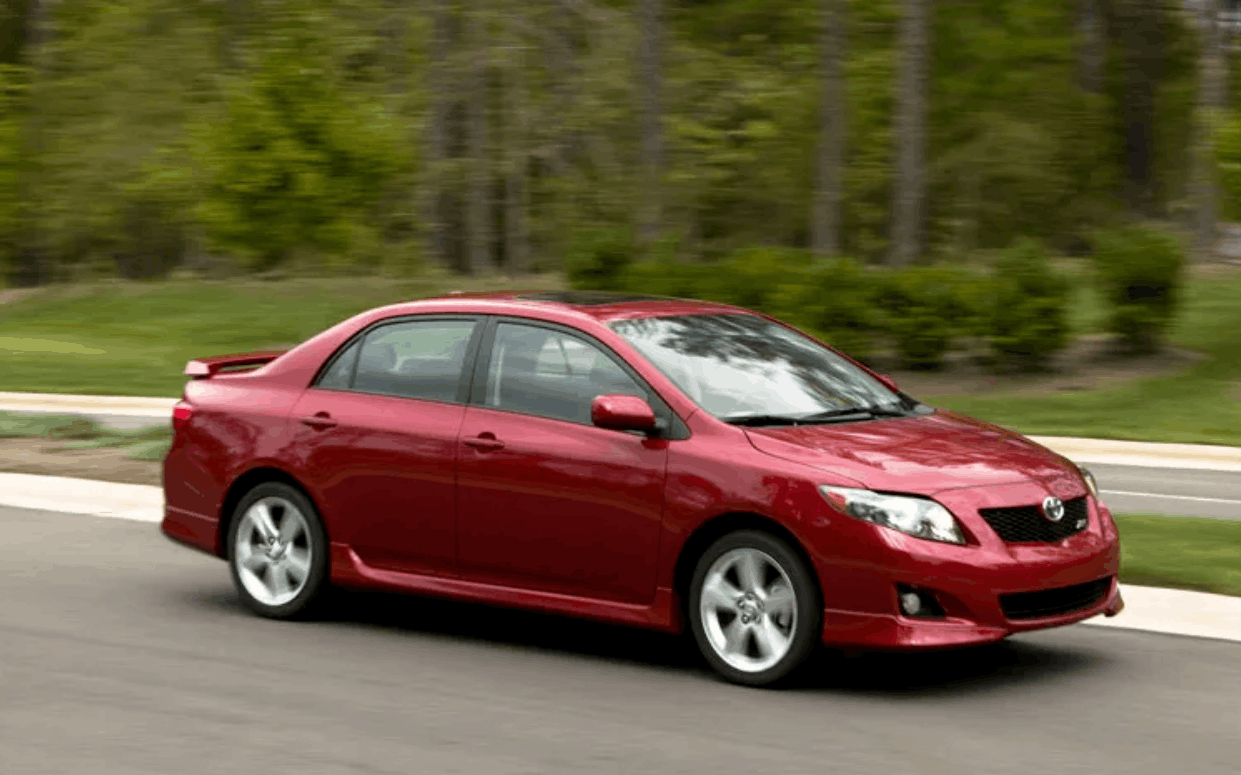
Before getting the car she uses now, a 2009 Toyota Corolla, Janet worked with two fleet companies and also went through a hire-purchase setup. Each arrangement kept her on the road, but it also affected how much control she had over the work and how much money she could keep. She believes if she had owned her own car earlier, her financial story would likely have been different by now.
Fleet arrangements can help drivers enter the business when they do not have a car or financial support, but Janet’s experience shows the trade-off. According to her, working with fleets often meant handling the car’s problems while still meeting payment expectations. Janet does not describe any of her fleet experiences as bad, but she still would not advise anyone to join one if they had a better option. In her view, the driver carries too much pressure for too little gain.
Still, Janet’s advice to women without a car is not to wait forever. If a fleet arrangement is the only way in, she believes they should start, understand the business quickly and keep working toward a better arrangement.
Her advice mirrors what global studies have found. IFC’s research in India found that access to a vehicle was one of the biggest barriers for women interested in ride-hailing. Some women struggled with documentation, loans and the cost of renting or buying a vehicle.
Uber Nigeria also notes on its women driver page that costs, licensing challenges and vehicle availability remain barriers for women who want to join the platform. According to Uber, 57% of women say costs, difficulty getting licensed and vehicle availability are obstacles to joining.
The Work Pays, but Costs Keep You Moving
Driving pays most of Janet’s bills. She also cooks and wants to grow her food content, but for now, ride-hailing remains the income she depends on. Still, the money is not as straightforward as many people think. Fuel quality, pump accuracy, car repairs, platform deductions and careless movement can all affect what a driver keeps at the end of the day.
For Janet, a driver has to think differently from a private car owner. Buying ₦20,000 worth of fuel should not be seen as just for movement, but more as working capital for the business. That fuel has to bring back the same amount, produce money for the next round and still leave something as profit.
The earnings picture is also complicated globally. IFC found that women who entered ride-hailing in its six-country study saw income gains, with increases ranging from 11% in Mexico to 29% in Egypt. But that does not mean women always earn more than men on the platform.
A Stanford study on Uber’s gender earnings gap in the United States found that male drivers earned about 7% more per hour than female drivers. However, the study linked the gap to factors such as experience, where drivers choose to work and driving speed, rather than a different pay formula by the platforms.
In some cases, women may also drive fewer hours, avoid night work or choose trips more carefully because of safety and family responsibilities.
Janet’s own experience, however, has had a more positive side. From her conversations with male drivers, Janet believes passengers tend to tip her more generously than they tip many men in the field.
Other Markets are Giving Women More Control
Some countries and platforms have tried to close the gap by giving women drivers more control over who they carry. Janet has driven exclusively on Bolt since entering the ride-hailing industry, but other platforms offer examples of how features built around women’s safety concerns can work.
Uber’s Women Preferences feature allows women drivers to receive trip requests from women riders. It first launched in Saudi Arabia in 2019, after women were legally allowed to drive, and has since been introduced in other markets, including the United States.
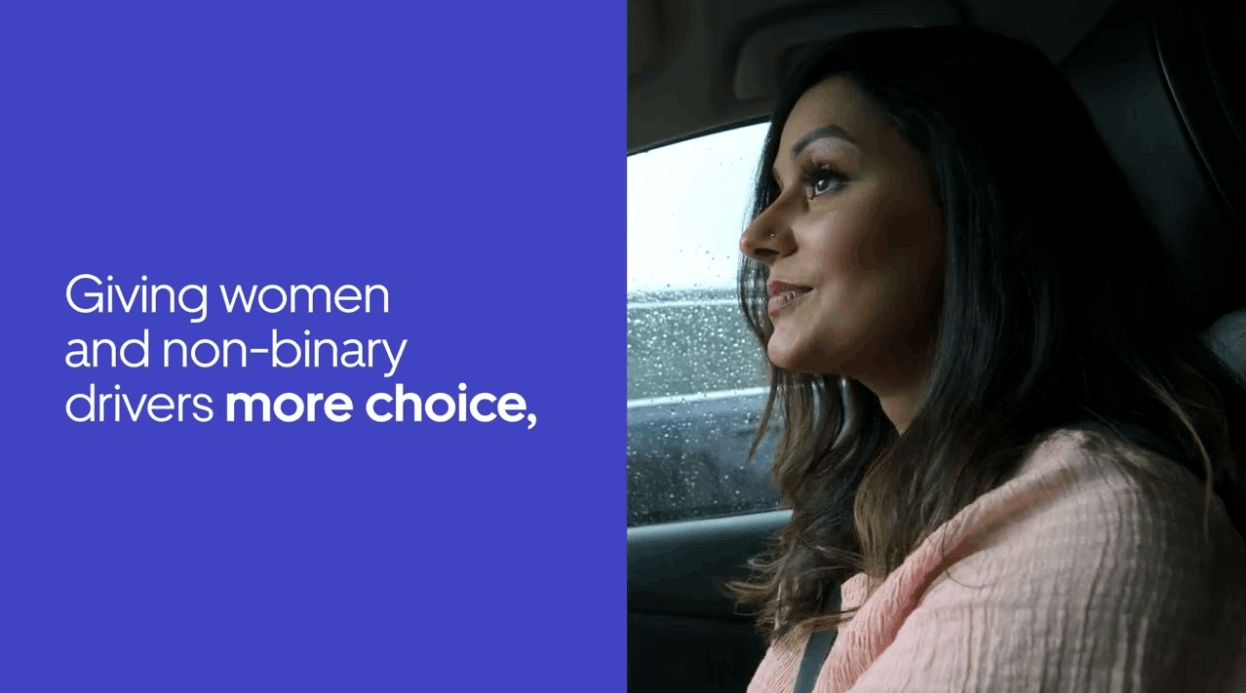
Other examples show why that matters. In Brazil, IFC found that more than half of women drivers drove more after a gender-preference option was introduced. India has also seen women-only or women-focused services, such as Sakha Cabs and TaxShe, built around safety concerns from women passengers and drivers.
These models are not perfect. They can raise questions around supply, wait times, discrimination and whether safety is being pushed back onto women to manage. Still, they show one thing clearly: markets that want more women behind the wheel usually have to adjust around the barriers women already face, not just ask them to sign up.
What Needs to Change in Nigeria
Janet’s story shows that entry is the harder part. What the market needs is a more practical pathway for women who want to enter the industry and keep earning from it.
That pathway starts with car access. Vehicle financing has to become more realistic for women who want to drive but cannot afford to buy a car outright. Platform-backed car access, lender partnerships, lower deposit options, clearer higher-purchase terms and repair support could make entry less difficult.
Safety support also has to be clearer. Women drivers need faster emergency response, better rider verification, stronger action against abusive passengers and optional trip preferences that give them more control, especially at night.
Support should go beyond occasional spotlight campaigns. Janet already uses TikTok to answer questions from women who want to enter the business, but platforms can build this into proper mentorship, onboarding and training for women who are interested but unsure where to start.
The industry also needs clearer data. While working on this story, our requests for data around women drivers from ride-hailing platforms were met unanswered. Without clearer numbers on signups, active drivers, retention, safety reports and drop-offs, it becomes harder to understand where women are falling out of the system.
The Cost of Leaving Women Out
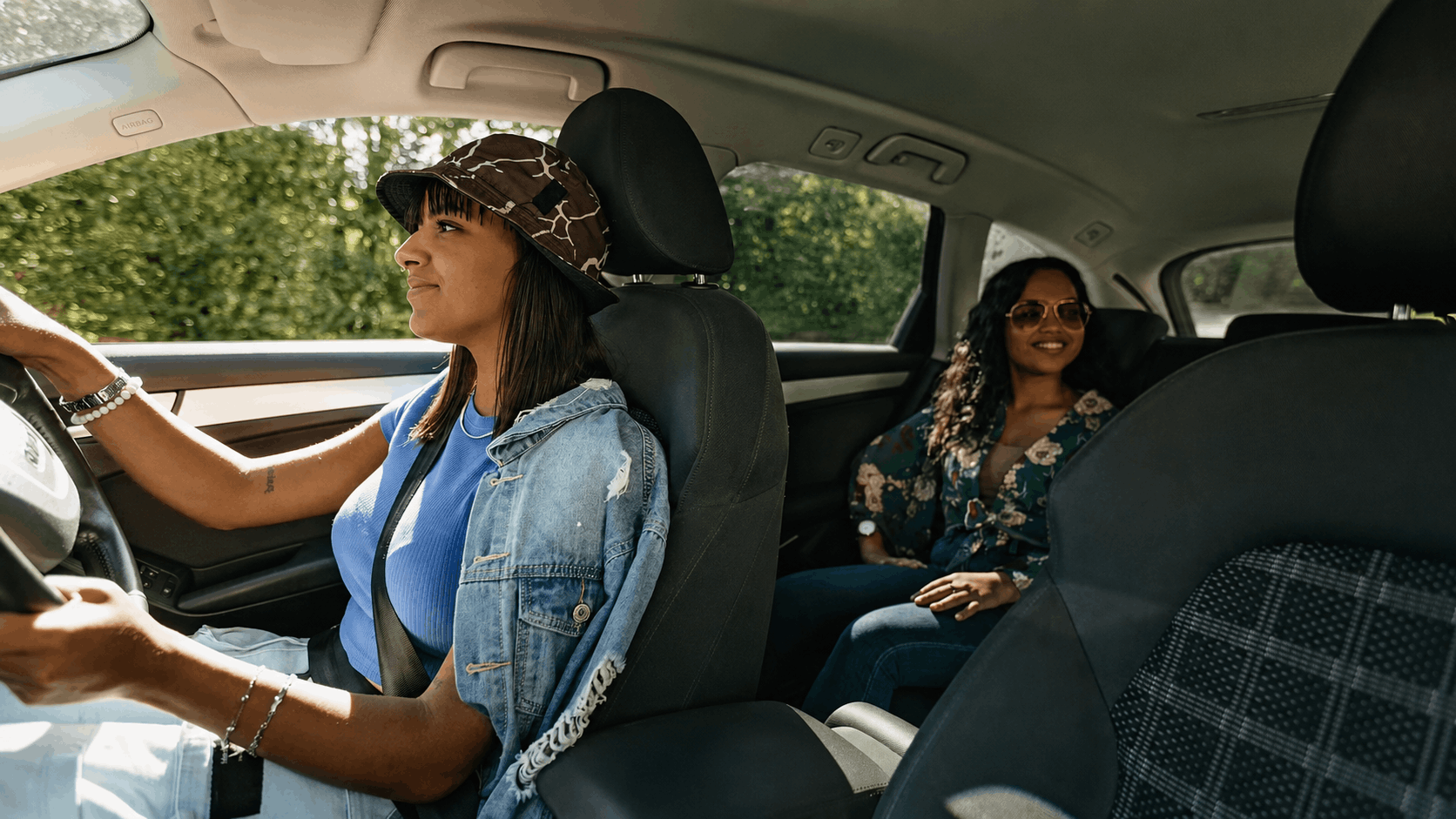
The female driver gap is not only about representation. It is also about income. When women mostly use ride-hailing as customers but remain few among drivers, they help grow the market without sharing fully in one of its income opportunities.
It also affects passengers. For some women riders, a larger pool of women drivers could make ride-hailing feel more comfortable, especially at night, during school runs or when booking rides for relatives.
Janet’s story shows what is possible when one woman finds a way in. She got access to a car, learnt the work, dealt with fleet pressure and turned driving into her main income source. But the system should not require every woman to push through that much on her own.
The issue is not a lack of interest. It is that the current road into ride-hailing still works better for men. Until safety, financing, support and data are treated as part of the industry’s core problems, Nigeria’s ride-hailing economy will keep depending on women as customers while leaving too many of them out from earning.