Uber’s exit ended a 12-year run in Nigeria overnight, and for most riders, that meant deleting an app. For thousands of drivers financing their vehicles through Moove, it felt more like a debt with no clear income to pay it off.
An Exclusive Partnership, Broken in an Afternoon
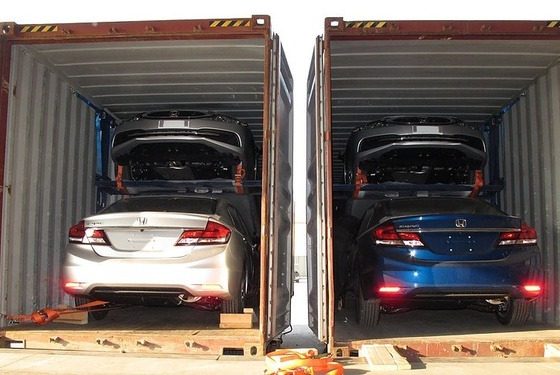
Moove built its Nigerian business almost entirely around Uber. The vehicle-financing company runs a revenue-deduction model where drivers get a car with little or no upfront cost, then repay it through weekly remittances deducted directly from their earnings on the road. For years, that meant one platform only: drivers financed through Moove were locked into Uber’s UberGo tier, unable to pick up rides on Bolt or inDrive even if they wanted to.
Uber wasn’t just Moove’s biggest partner in Nigeria, but was also an investor, having led a $100 million round into the company in 2024. That relationship gave Moove the trip and earnings data it said it needed to price its financing products responsibly, the justification it repeatedly gave drivers who asked to work across multiple apps.
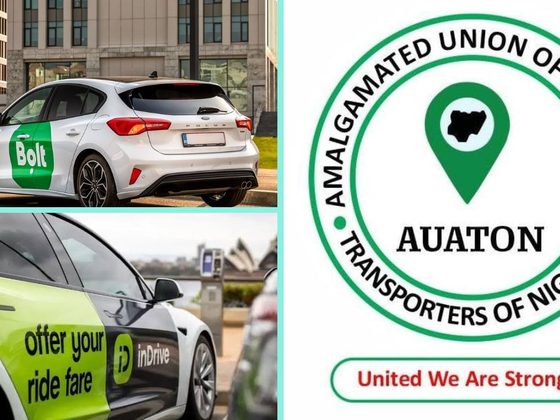
When Uber shut down operations on 2 September, that exclusivity arrangement collapsed with it. Moove told drivers within hours that they were now free to operate on Bolt and inDrive, informing them on short notice that ‘business operations will proceed as usual until further notice’ and that further updates would follow.
The Question Nobody Answered: What About the Remittance?
Freedom to drive elsewhere sounds like exactly what Moove drivers had been asking for, but it isn’t landing that way.
The first question drivers put to Moove wasn’t about signing up for Bolt but about the weekly amount still owed on the car. As one analysis of the fallout put it, drivers immediately asked whether they should expect estimated billing based on meter readings until Moove builds a system capable of tracking earnings across platforms it doesn’t own. Others raised a harder question: what happens to drivers who don’t have another app readily available, and what becomes of vehicles they’ve spent years paying down if their income stream disappears mid-loan.
There’s a structural problem underneath the frustration. Moove’s entire credit model depended on visibility into a driver’s trip volume and earnings, data that Uber generated and shared. Bolt and inDrive have no obligation to hand that same reporting infrastructure to a financing company that isn’t theirs. Moove now has to figure out whether it can get comparable data from platforms it doesn’t control, and how to tell the difference between a driver genuinely hit by weak demand and one quietly steering income away from loan repayment.
Drivers Say the Warning Signs Were Already There
Some drivers argue this didn’t come out of nowhere. One driver who recently left Moove linked the exit to a remittance hike the company imposed roughly a year earlier, telling reporters that ‘Moove was Uber’s closest partner, and the reason they hiked the amount drivers remitted for the assets last year was due to this. They saw it coming.’ He said he’d already switched to inDrive to take advantage of its lower take rate before Uber’s exit was even announced.
That remittance hike was itself a flashpoint. Moove’s daily remittance jumped from ₦9,400 to ₦18,700, a 100 percent increase, prompting drivers to down tools in protest and the Amalgamated Union of App-Based Transporters of Nigeria (AUATON) to demand a reversal within 72 hours, accusing Moove of overworking drivers and jeopardising their safety in the process.
Beyond the money, drivers describe Moove-partnered driving as the most restrictive tier in Nigeria’s ride-hailing ecosystem. One nine-year Uber driver described Moove-financed drivers as having had the least freedom of anyone in the system: ‘They were locked up. They had no choice’, citing vehicles left idle for weeks over unresolved maintenance disputes while decisions about basics like engine oil sat with someone further up the chain.
Moove Moves On, Nigeria Is Just One Market Now
For Moove itself, Uber’s Nigerian exit is a local problem inside a much bigger global story. The company closed a $250 million Series C round in August, led by Abu Dhabi’s Mubadala, at a $2.1 billion valuation, and now manages roughly 42,000 vehicles across 29 cities in 13 countries. Uber’s equity stake in Moove’s global holding company remains intact even after the Nigerian exit, since the two relationships, investor and local operating partner, aren’t the same thing.
That scale gives Moove options a Nigerian driver doesn’t have. Reports suggest the company is directing more of its new capital toward markets with lower currency risk and clearer paths to electrification, rather than doubling down locally. As of this week, Moove has not issued a public statement specifically addressing what its Nigerian drivers should expect going forward beyond the internal driver notice, leaving thousands of car-financing agreements now pointed at platforms Moove has no data relationship with, and no public timeline for when, or whether, that gets resolved.
For the drivers still making weekly payments on cars they don’t yet own, the app they drive for changed overnight, but their debt didn’t.