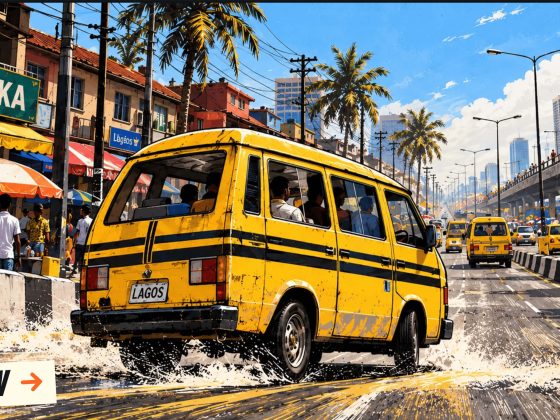


Cheaper bus rides could reach Nigerians from 1 October 2026 after President Bola Tinubu and state governors agreed to pass CNG savings on to passengers. Tinubu announced the plan after meeting governors at the State House in Abuja on Thursday, 27 August 2026.
A joint federal-state committee will coordinate the plan, while states will support vehicle conversions, new fleets and refuelling infrastructure. Participating transport operators would commit to reducing fares.
However, the governors have not finalised the programme’s funding or implementation framework. Motorists already using CNG also warn that limited refuelling stations and unreliable supply could delay the promised nationwide relief.
States Tie CNG Support to Fare Cuts as Refuelling Gaps Persist
Under the proposed National Affordable CNG Transit Programme, participating operators would reduce passenger fares in exchange for state support with CNG conversions, vehicle fleets and infrastructure. State governments plan to work with private companies to deliver the scheme.
Tinubu said CNG vehicles spend 60 – 80% less on fuelling than petrol models. He argued that commuters should share those savings, especially on intra-state routes largely regulated by state governments.
The Federal Government says the Presidential CNG Initiative has converted more than 120,000 vehicles, with over 100,000 additional kits in development. It is financing more than 100 gas projects, including 15 mother stations and 86 daughter stations. Tinubu also ordered 500 more refuelling stations, raising the planned nationwide total to 1,000.
The governors present at the announcement added that cheaper transport could also reduce food and commodity prices because sellers often add delivery costs. However, they have not explained how states will fund the programme or when the wider rollout will begin.
Existing CNG users face a more immediate problem. Abuja motorists reported long queues, inconsistent supply and too few active stations for the growing number of converted vehicles. News reports say that there are only about 70 active autogas stations serving tens of thousands of vehicles, while the Federal Government said it had established over 90 refuelling stations across 23 states.
Still, that number works out to roughly 1,333 converted vehicles for every CNG refuelling station nationwide.
That gap could determine whether cheaper CNG produces cheaper journeys. Converting vehicles without building dependable stations may leave drivers spending productive hours in queues and reduce the savings they can pass to passengers. Meeting the October target therefore requires clear fare commitments, workable state funding and faster delivery of reliable refuelling infrastructure.