
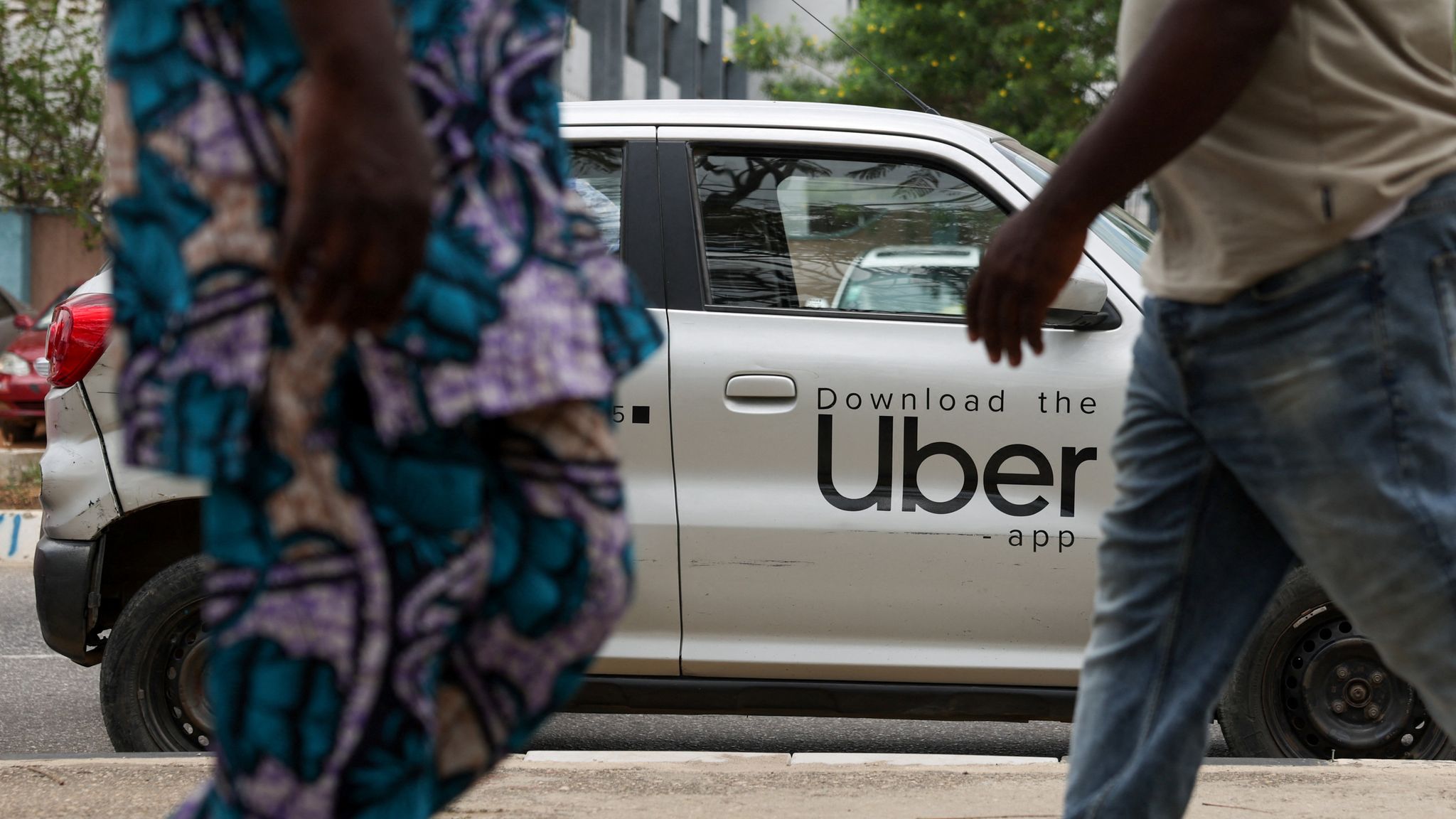
Uber’s exit set off a full-blown reaction on Nigerian social media, and it lies somewhere between grief, comedy, and genuine anxiety about what comes next.
The Biggest Complaint is that There Was No Warning
The number one thing Nigerians can’t get over isn’t that Uber left but how it left. Multiple riders and drivers say they were mid-trip when the app simply stopped working. There was no countdown, no grace period, just an abrupt shutdown in the middle of a Wednesday afternoon. One widely shared post compared it to something ‘a startup that just went bankrupt would do, not a $150B corporation,’ pointing out that Uber had operated in Nigeria since 2014.
That lack of warning has real consequences beyond inconvenience. Some users say they lost access to ongoing trip records and couldn’t reach support, including at least one account for a delivery package worth hundreds of thousands of naira that was left in limbo, with the sender unable to track it or get a response. Others are questioning whether the abrupt cutoff even complies with Nigerian consumer protection rules, with a few pointing specifically at the FCCPA and asking whether regulators should get involved.
Detty December Dread
The timing also has people worried. Uber leaving months ahead of December, one of Lagos’s busiest, most transport-dependent stretches of the year, has a lot of people bracing for what ‘Detty December’ looks like with one less major platform in the mix. Several posts predict chaos, like more demand chasing fewer reliable options, longer wait times, and higher prices right when people are moving around the most for parties, weddings, and family gatherings.
Bolt and inDrive Are About to Feel the Squeeze
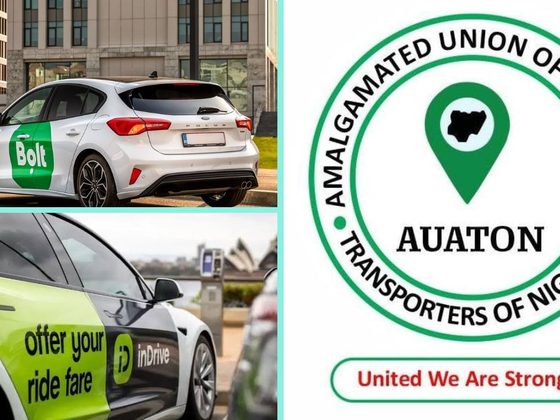
With Uber gone, the conversation has quickly turned to what happens to the platforms left standing. The general expectation is that Bolt and inDrive absorb the bulk of displaced demand, and that prices go up as a result. Some users argue Bolt is already expensive and its driver-rider dynamics already ‘unruly’ compared to Uber, and predict that with reduced competition, pricing discipline goes out the window entirely.
There’s also a safety dimension to the worry. A recurring theme is that riders, women in particular, and anyone moving late at night, trusted Uber’s in-app safety features and support more than the alternatives, and are now uneasy about leaning on Bolt or inDrive for the kind of trips where that trust mattered most.
The Blame Game: Economy vs. Everything Else
Opinion is split hard on why this actually happened. One camp points squarely at Nigeria’s macroeconomic conditions like forex scarcity, inflation, the general cost of doing business, arguing that Uber’s exit sits alongside a longer list of multinationals (from consumer goods firms to retail chains) that have scaled back or left Nigeria entirely in recent years, and treating this as one more data point in that pattern.
A second camp pushes back on that framing, pointing instead to driver-side practices, like drivers convincing riders to go offline and pay outside the app, as a sign that platform economics, not just macro conditions, were breaking down locally. Others reject the binary altogether, arguing it’s reductive to pick one explanation when Uber’s own recent cost-cutting (reports of workforce reductions) suggests a broader financial recalibration, not a single Nigeria-specific cause.
A smaller, more cynical thread reads the abruptness itself as disrespect, arguing that a company operating in Nigeria for over a decade owed the market more consideration than an on-the-spot shutdown, regardless of the underlying business reasons.
Not All Reactions Are Negative
A few users are already framing this as an opportunity, arguing that the drivers, cars and passenger base Uber leaves behind are still very much in Nigeria, and that what’s missing is just the app layer connecting them. The pitch claims that a local platform with the ambition to fill that gap could have a real opening, given the infrastructure and demand are already proven.
Others are simply resigned, pointing out that Uber’s actual market share in Nigeria had already been shrinking for years, with Bolt and inDrive doing most of the heavy lifting on the ground, meaning that for a lot of everyday riders, this exit changes less than the headlines suggest.
Nigeria Still Has the Market. The Question is Who Can Make it Work
Uber’s departure is unlikely to mean the end of ride-hailing apps in Nigeria. If anything, the online reactions to the company’s exit demonstrate how deeply app-based transportation has become embedded in our everyday lives. People still need to move, drivers still need to earn, businesses still need logistics, and the cars have not disappeared. What has rather disappeared is one of the biggest platforms connecting them. That creates a rare opening for Nigerian mobility companies, but it also creates a warning.
Uber was one of the companies that helped build Nigeria’s modern ride-hailing market, and twelve years later, it has decided that the market no longer fits its priorities. For the Nigerian startups watching from the sidelines, the lesson may be that building an app is the easy part. Building a mobility business that can survive Nigeria’s fuel costs, inflation, regulation, currency pressures, driver economics, and price-sensitive consumers is the real challenge.