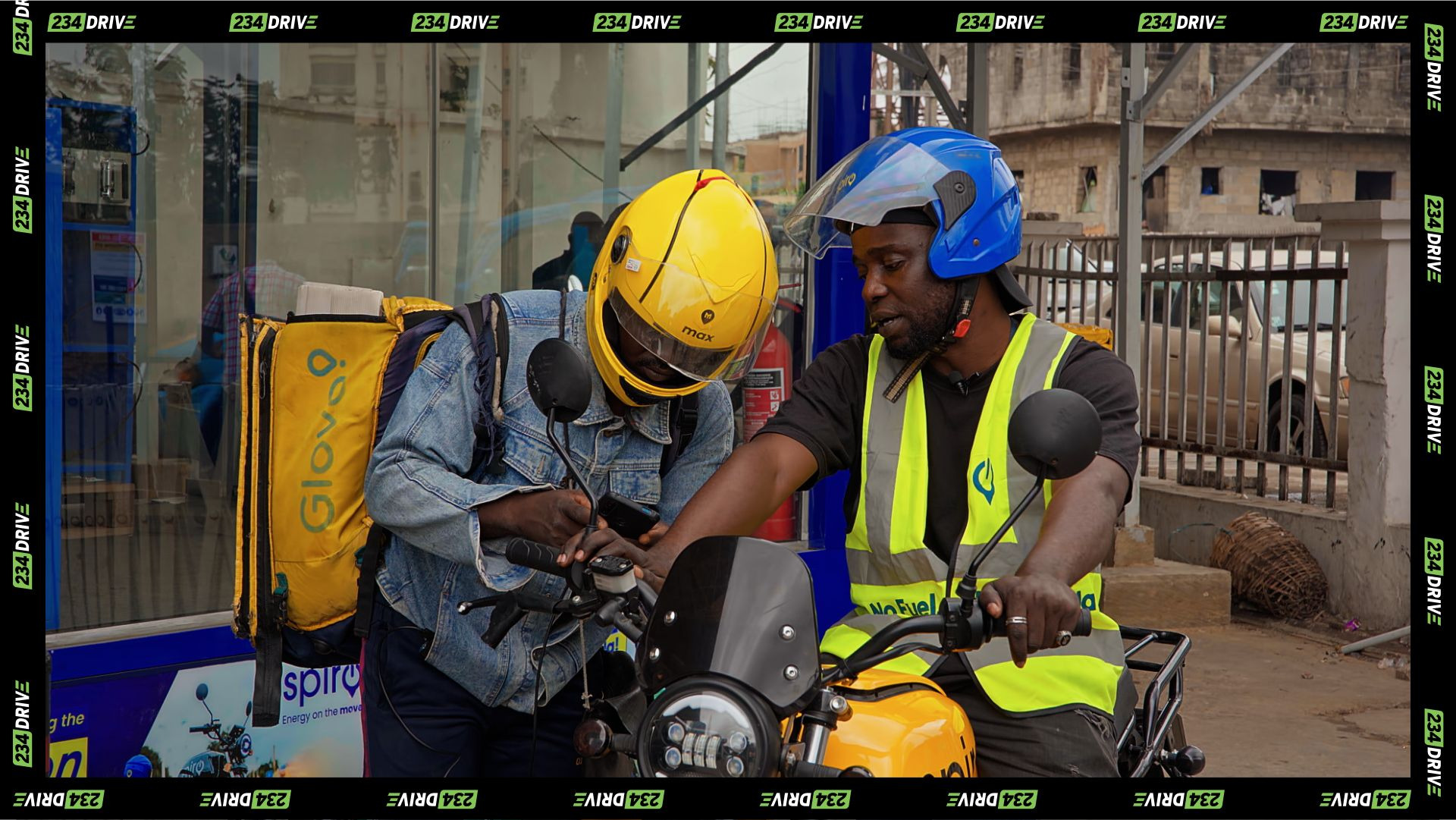


Six years after launching in Lagos and scaling into a global mobility giant, Moove has officially announced its complete departure from the Nigerian market. But unlike the quiet or contentious exits that often characterise startup pullbacks, Moove is bowing out with an unprecedented exit package: transferring full ownership of eligible vehicles worth roughly ₦35 billion directly to its existing drivers, completely debt-free, alongside gifting every Nigerian staff member a free car.
The exit of one of West Africa’s biggest mobility success stories is a watershed moment. It signals not just the end of an era for local vehicle financing, but a stark reckoning for the economics of ride-hailing and gig mobility in Nigeria.
The Domino Effect: How Uber’s Exit Shattered the Core Engine
To understand why Moove is leaving the country where it was born, one must look at the dominoes that fell before it. Founded in 2020 by Ladi Delano and Jide Odunsi, Moove pioneered a drive-to-own model that allowed drivers who lacked credit histories or upfront capital to secure brand-new, fuel-efficient vehicles.
Crucially, Moove was architected from day one as Uber’s preferred global vehicle supply partner. Daily vehicle repayments were automatically deducted from drivers’ earnings on the ride-hailing platform, creating a seamless, low-friction financial loop.
That model functioned as long as the underlying marketplace remained robust. However, when Uber unexpectedly pulled the plug on its Nigerian operations after 12 years in the country, the structural foundation of Moove’s primary revenue pipeline in Nigeria vanished almost overnight. Without Uber’s platform traffic, driver payout infrastructure and trip volume anchoring daily remittances, the unit economics of maintaining a massive vehicle-financing portfolio in Nigeria collapsed.
The Macro Trap: FX Crises, Fuel Surges and Maintenance Fatigue
While Uber’s withdrawal served as the final catalyst, operating a fleet-financing business in Nigeria had already turned into an extreme endurance test.
Over the past two years, mobility operators across Lagos and other major urban centres have faced a perfect storm of macroeconomic headwinds, from relentless FX volatility and inflation that made importing vehicles, sourcing OEM spare parts and servicing foreign-denominated debt astronomically expensive, to soaring fuel and operational costs as multiple petrol price hikes squeezed drivers’ net daily earnings, forcing them to spend an ever-larger share of their gross income simply keeping their tanks full and leaving less room for vehicle remittance payments. At the same time, as driver margins thinned, local unions such as AUATON increasingly pushed back against daily remittance targets, requesting temporary relief amid planned platform shutdowns and rising living costs.
For Moove, which has successfully expanded into markets like Dubai, London, India and South Africa where macro conditions, EV infrastructure and credit systems are far more stable, continuing to absorb heavy operational losses in Nigeria no longer made strategic sense.
A ₦35 Billion Parting Gift: A Class Act in Graceful Exits
Where many tech platforms exit under the shadow of mass layoffs, liquidations or abandoned repossession battles, Moove’s final act in Nigeria sets a rare precedent for corporate responsibility.
Effective immediately, qualifying drivers who have been paying down their vehicles under Moove’s financing arrangement will take full, unencumbered ownership of their cars with no further payment obligations. By wiping out ₦35 billion in outstanding driver debt and transferring asset titles, Moove is effectively turning thousands of former gig-contractors into independent asset owners overnight.
Reflecting on the decision, Moove co-founder and co-CEO Ladi Delano called the conclusion of Nigerian operations an emotional milestone:
‘Nigeria provided Moove with its first customers and many of the people who built the foundations of the company. To our Nigerian team, thank you. Your commitment, resourcefulness and belief in the mission carried Moove through its earliest and most important years. As we continue to grow internationally, we will do everything we can to make Nigeria proud and to build a lasting global success story that never forgets where it began.’
What This Means for the Future of Nigerian Mobility
Moove’s departure leaves a massive vacuum in Nigeria’s automotive and mobility landscape. On one hand, thousands of drivers now own their vehicles outright, giving them a lifeline to continue driving independently or transition into alternative commercial transport roles. On the other hand, the pipeline for new drivers seeking asset financing in Nigeria has effectively shut down.
With both Uber and Moove exiting the country, the message to investors and transport regulators is clear: vehicle financing cannot survive on high interest rates, bad roads and volatile fuel prices alone. Until local policy stabilises fuel costs, improves road conditions and supports affordable vehicle supply chains, building sustainable mobility businesses in Nigeria will remain one of the toughest challenges in global tech.
Moove may be moving on to global horizons, but by leaving ₦35 billion worth of wheels in the hands of everyday Nigerian drivers, its impact on Nigeria’s streets will be felt for years to come.