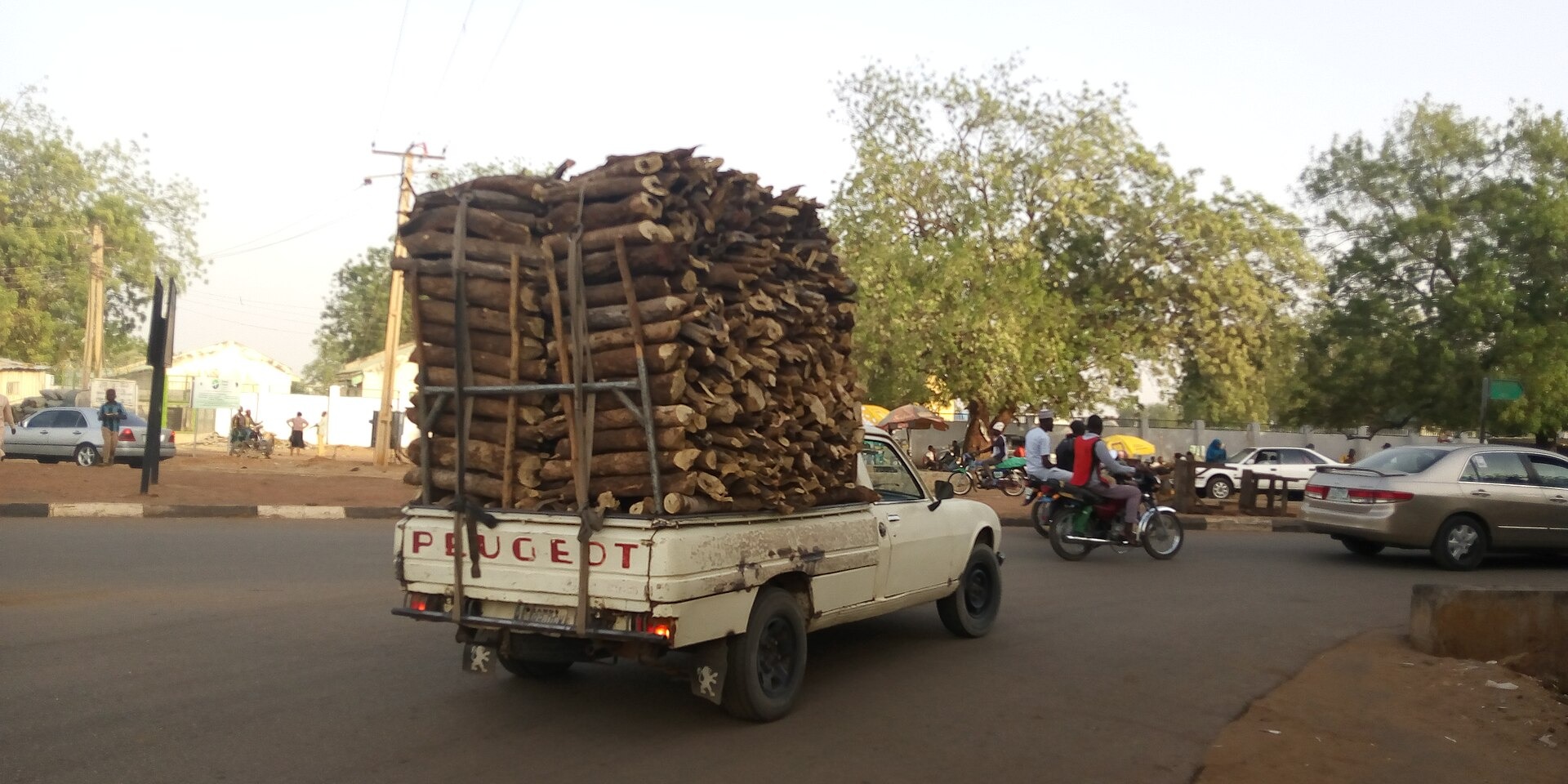
For a generation of Nigerians, the low, steady rumble of a Peugeot 504 was the soundtrack of the nation’s public life. It ferried federal permanent secretaries to ministries in Lagos, served as a workhorse for rural transport unions across dusty northern highways and carried families on cross-country road trips. Long before imported used cars flooded local ports, the French automaker was integral to the country’s industrial ambitions, with its sprawling Kaduna assembly plant symbolising national pride.
Yet Peugeot’s history in Nigeria is a cautionary tale about the fragility of domestic manufacturing. Its trajectory from state-backed beginnings through prolonged decline to the high-stakes revival that Aliko Dangote led shows how government policy, currency volatility and shifting trade patterns can determine the fate of local vehicle assembly.
The Genesis of the Kaduna Lion
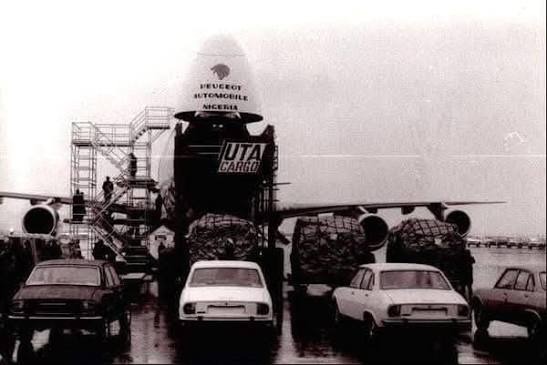
The Federal Government of Nigeria and Automobile Peugeot of France incorporated Peugeot Automobile Nigeria Limited as a private limited company on 15 December 1972. Through this joint venture, they aimed not merely to sell imported sedans but to promote import substitution, transfer technology and create local technical jobs.
In 1975, the Kaduna assembly plant began producing vehicles that could withstand demanding African roads and tropical climates. Models such as the rugged 404 and iconic 504 became ubiquitous. In its early years, the factory sourced batteries, upholstery and basic components from domestic suppliers. Nigerian mechanics across every geopolitical zone mastered the brand’s engineering, creating an informal support network that reinforced Peugeot’s reputation for resilience and ease of repair.
During its peak operating decades, the Kaduna plant was a bustling economic engine. It employed thousands of workers directly and sustained a vast network of ancillary businesses. Owning a brand-new Peugeot was a distinct marker of middle-class stability and civil service prestige. However, the foundational structure of the operation relied heavily on imported Completely Knocked Down (CKD) components and consistent macroeconomic stability, both of which would soon face severe stress.
The Anatomy of Decline
As Nigeria’s economy endured the turbulence of the 1980s and 1990s, Peugeot Automobile Nigeria began to falter. Currency devaluation raised the cost of imported CKD parts, while inconsistent policies weakened the protective tariffs supporting domestic assembly.
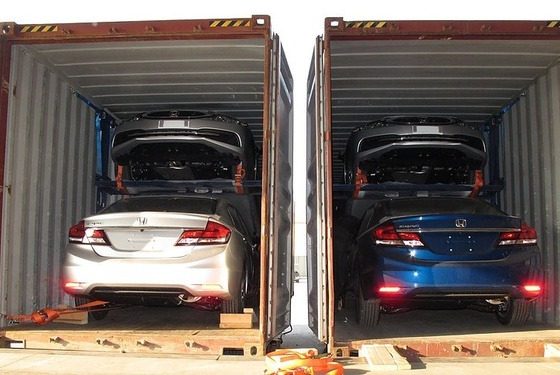
The deregulation of vehicle imports and the influx of imported used cars, which Nigerians commonly call Tokunbo, dealt the most damaging blow to local assembly. Because these cars cost a fraction of the new vehicles that local plants assembled, they overwhelmed the market and drove production and capacity utilisation at the Kaduna plant to unsustainable lows. By 2012, tens of millions of dollars in debt had paralysed the company, prompting the Asset Management Corporation of Nigeria to take it over. To many industrial observers, the Peugeot manufacturing experiment in Nigeria appeared to have ended.
Enter the Industrialist
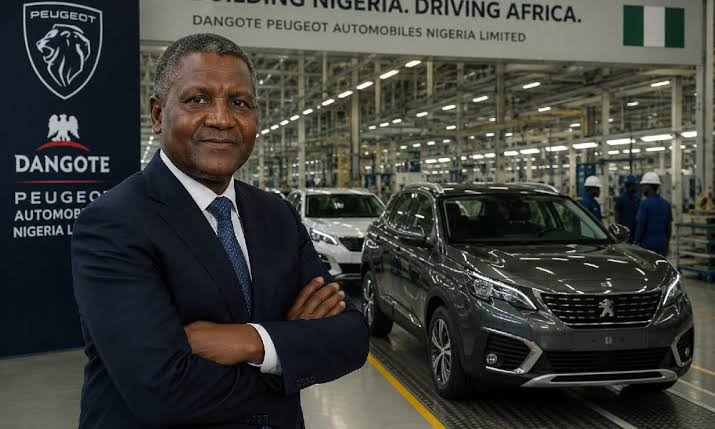
Peugeot’s revival began when Aliko Dangote entered the moribund automotive sector. Recognising the opportunity in Nigeria’s vast, import-dependent vehicle market, Dangote Industries Limited joined other stakeholders to form Dangote Peugeot Automobiles Nigeria Limited.
Instead of absorbing the old PAN operation’s liabilities and ageing infrastructure, the new company secured a manufacturing licence from PSA Groupe, which later became part of Stellantis. Dangote then spearheaded the construction of a greenfield assembly plant along the Kaduna–Abuja highway, bringing contemporary production standards to the venture.
The plant marked a shift away from relying solely on passenger sedans, launching local assembly with vehicles such as the Peugeot Landtrek pickup before adding SUVs including the 3008 and 5008. Through this production capacity, the company aimed to demonstrate that large-scale vehicle assembly could remain commercially viable in northern Nigeria.
Confronting Realities on the Assembly Line
Yet Peugeot’s revival under Dangote faces an economic environment that remains hostile to industry. High inflation, foreign-exchange scarcity and expensive credit continue to burden domestic assembly plants. Dependence on imported kits exposes production costs to exchange-rate volatility, while weak consumer purchasing power constrains demand.
Furthermore, the domestic automotive industry lacks supplier networks capable of supporting high local content. Although Nigeria produces raw steel and has basic rubber and battery industries, domestic assemblers must still import complex components such as electronic control units, transmissions and advanced powertrains. The Kaduna plant therefore remains an advanced assembly and contract-manufacturing platform rather than a fully integrated vehicle-manufacturing operation.
The Broader Lesson of the Lion
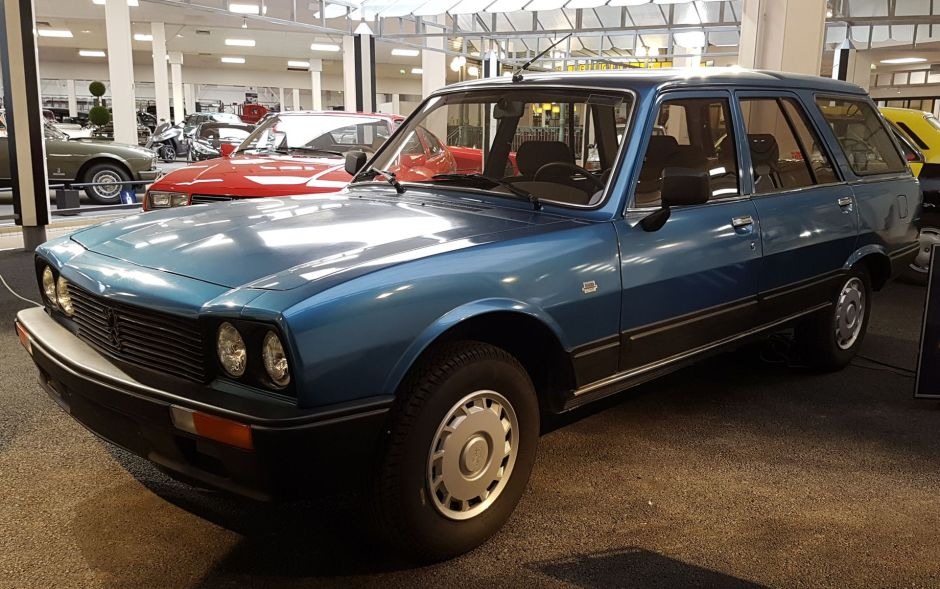
The story of Peugeot in Nigeria tells us a great deal about Nigeria’s industrial journey. It demonstrates that initial government vision and foreign technical partnerships can successfully plant the seeds of manufacturing, but those seeds cannot survive without consistent macroeconomic policies, stable currency regimes and robust infrastructural support.
By entering the automotive sector, Aliko Dangote wagered that private capital and disciplined execution could overcome the structural barriers that crippled earlier state-backed ventures. Whether the assembly plant can withstand Nigeria’s economic headwinds and restore Peugeot to prominence remains uncertain. Its locally assembled vehicles nevertheless embody the country’s continuing pursuit of industrial self-reliance.