
Political campaigns are designed to take candidates closer to the people. Candidates travel through communities, organise rallies, lead processions and promise to improve the lives of ordinary Nigerians. Yet, during election season, the same people these campaigns seek to win over can find themselves struggling to get to work, school, reach their businesses or return home because of the activities organised in their name.
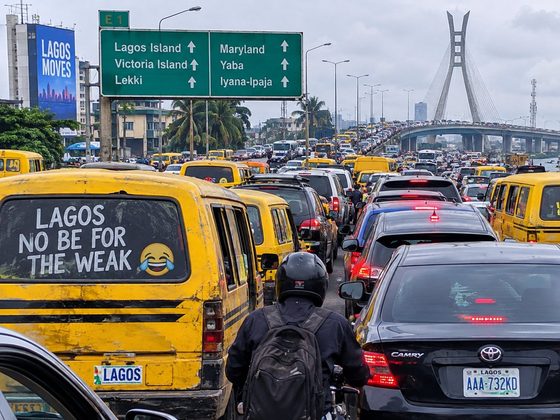
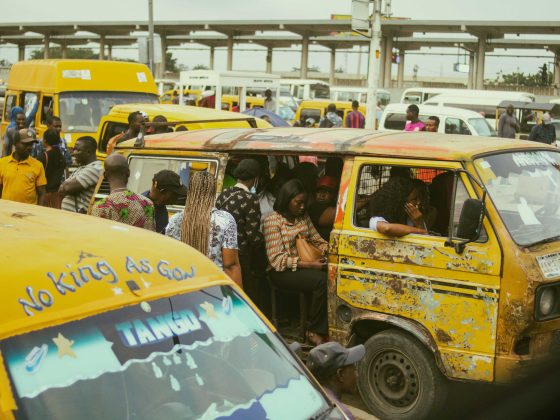
For commuters, the disruption often begins on the road. Campaign convoys occupy multiple lanes, supporters gather along major roads, and authorities close or divert streets around rally venues. In a city like Lagos, where daily movement is already complicated by congestion and limited public transport options, a political rally can turn an ordinary journey into hours of delay.
Ahead of the 2023 general elections, The Guardian reported that Lagos residents were concerned about the additional traffic expected from political campaigns. The Lagos State Traffic Management Authority issued travel advisories ahead of the APC presidential and governorship campaign at Teslim Balogun Stadium in Surulere, listing alternative routes for commuters travelling through affected areas.
The advisories were necessary, but they also illustrated how much of the responsibility for accommodating political activities falls on ordinary road users. Workers, traders, commercial drivers and other commuters have to adjust their movements around events they may have no interest in attending.
When Public Roads Become Campaign Venues
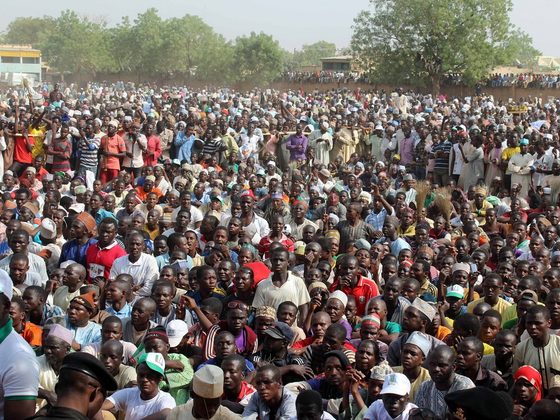
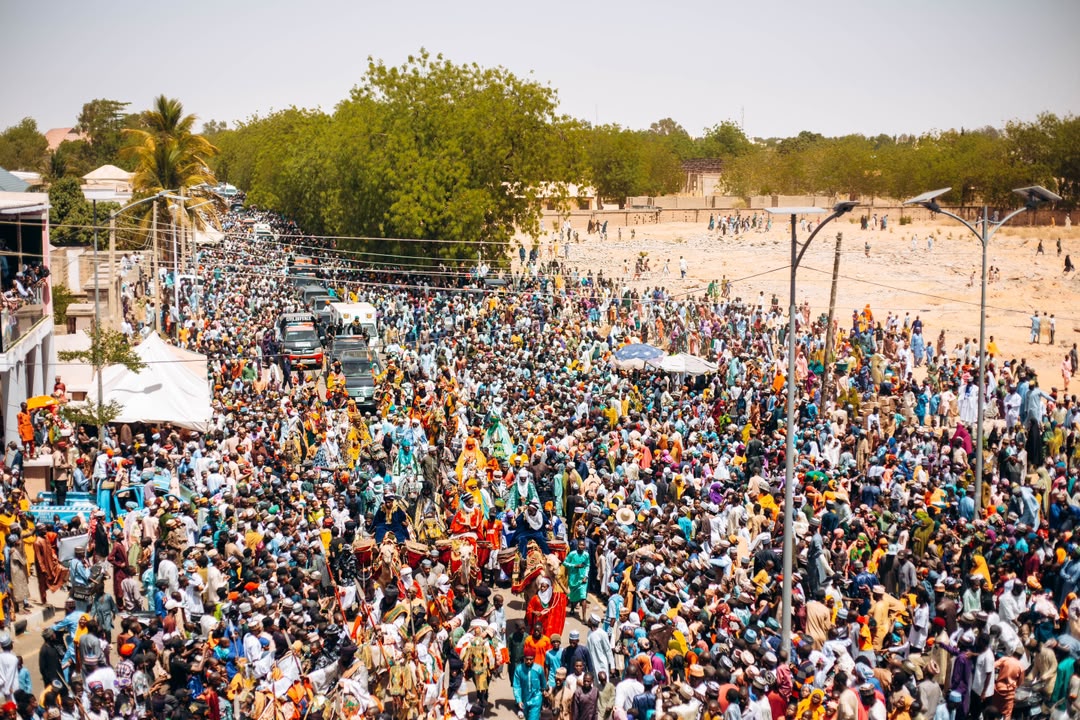
Political rallies require space. Large crowds, campaign vehicles, security details and event equipment need somewhere to gather. Major roads and public spaces often become part of the arrangements, whether through official diversions, temporary restrictions or the sheer volume of people and vehicles attending.
The consequences extend beyond the immediate rally location. When authorities block a major road or divert traffic, vehicles move towards alternative routes that may already be congested. Commercial buses take longer to complete trips, passengers spend more time waiting, and drivers can lose several hours of productive work.
The disruption also has an economic cost. A trader who arrives late at the market loses selling time. A worker who misses an appointment may lose income or face consequences at work. For commercial transport operators, delays mean fewer trips and potentially lower daily earnings.
In February 2023, BusinessDay reported that traffic around the National Stadium in Surulere became severely congested during the APC presidential candidate’s final Lagos campaign rally. A journey that would normally take less than 10 minutes to reach Ojuelegba reportedly took more than 30 minutes.
The people caught in this traffic were not necessarily campaign supporters. Many were simply trying to get somewhere.
When Campaigns Take Buses Away From Commuters
Road closures are one problem. Removing public transport vehicles from regular service to support political campaigns creates another. A more recent example emerged in Lagos in November 2026, when organisers reportedly deployed BRT buses for an APC door-to-door campaign, disrupting services at the Abule Egba, Ile-Epo and Iyana-Ipaja terminals.
According to LEADERSHIP’s report, commuters faced long queues, with some passengers reporting waits of more than two hours. Traders said they were unable to reach markets on time, while workers missed appointments. One passenger also raised concerns about overcrowding on the remaining buses.
A ticketing officer reportedly confirmed that organisers had deployed buses for the campaign. The newspaper also reported that attempts to obtain a response from the Lagos Metropolitan Area Transport Authority (LAMATA) were unsuccessful at the time of publication.
The incident raises an important question about the use of public transport infrastructure during political activities. BRT buses exist to move paying passengers along designated routes. Their availability is particularly important to commuters who depend on them for relatively predictable journeys across the city.
When buses are removed from regular service, the consequences fall on people who may have no alternative. Some turn to commercial buses, others pay more for available transport, while those who cannot afford the additional cost are left waiting. The irony is difficult to ignore. A campaign seeking the support of ordinary residents should not make it harder for those residents to access the transport they depend on.
Who Pays for the Disruption?
Political parties have legitimate reasons to organise rallies and move candidates around the country. Campaigns are part of the democratic process, and public roads cannot be entirely separated from activities that involve large gatherings. The issue is how these activities are planned and who bears the cost when they interfere with everyday movement.
The first part of this series examined the vehicles, operators and logistics required to move political campaigns across Nigeria. This other side of the story concerns the people who have to share the same transport infrastructure with those operations.
Public roads are not private campaign facilities, and publicly funded transport services should not become convenient substitutes for vehicles that political organisations ought to arrange for themselves. Campaign organisers can plan routes, secure appropriate venues, hire private buses and coordinate with traffic authorities to reduce disruption. Transport agencies, in turn, should ensure that regular passenger services are protected when political organisers request public assets.
The common man is often the central figure in campaign speeches. Politicians promise him better roads, affordable transportation, a more efficient public transport system and a host of other promises. During election season, however, he can become the person waiting the longest at a bus terminal or sitting in traffic while campaign vehicles move through the city.
A political campaign trying to reach the people should not make the people struggle to reach their destinations.