
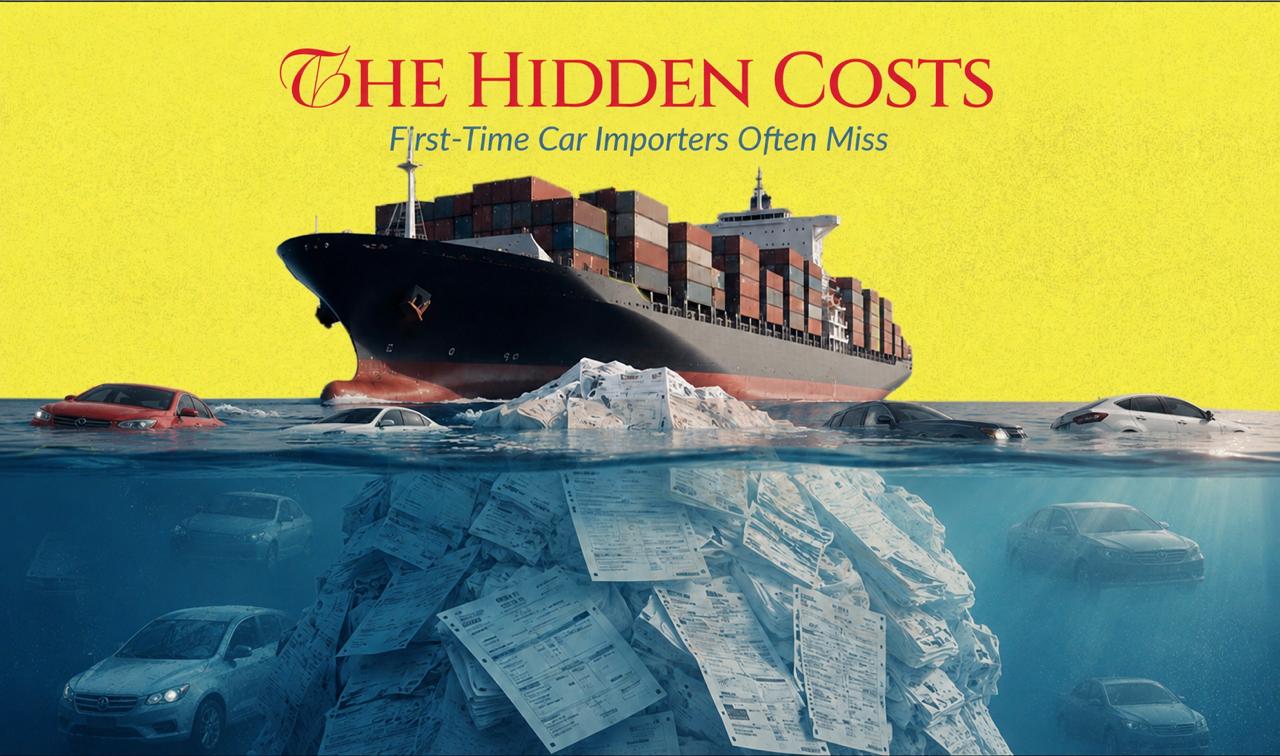
Vehicle imports through Nigerian ports jumped 67% in the first quarter of 2026 compared with the same period in 2025, showing that even more cars are entering the country despite the cost.
On paper, that kind of growth may look like good news for car import dealers. But Dabol Autos, an importer who spoke to 234Drive, said the numbers hide a more complicated reality.
According to him, many car buyers have been swept into the wave of self-importation, believing they can avoid the extra cost of using a car import dealer or buying directly from a local dealer in Nigeria.
*Kelvin, a first-time importer, learnt that lesson early. After saving some money, he decided to try car importation as a side business. Cars in Nigeria felt too expensive, and auction platforms like Copart and IAA made the opportunity look attractive.
So he considered a 2016 Honda Accord, a 2018 Mercedes-Benz C-Class, a 2014 Mercedes-Benz E-Class and a Mercedes-Benz GL450. He wanted to test both regular and luxury cars. This was during the hurricane season, with flood-damaged vehicles showing up at very low prices.
He eventually won three cars: the C-Class, the E-Class and the Accord. That was where the real lesson started.
Cheap Auction Listings Can Hide Expensive Problems
For many first-time importers, the mistake starts with treating a cheap listing as a cheap car. But once shipping, clearing, repairs and other charges begin to add up, the expected savings can quickly become smaller than they imagined, sometimes pushing them above budget.
And as buyer experiences show, the learning curve itself can become expensive, no matter how the purchase eventually turns out.
When importing a car, buyers usually have two broad options: buying through auctions that include insurance-listed vehicles or buying directly from a private seller abroad.
Dabol Autos says he prefers the auction route because insurance companies are usually clearer about a vehicle’s faults, with key details stated in the auction report.
The reasoning is practical. If a car has visible damage, such as a bad fender or bumper, he can estimate the repair cost before buying and shipping it.
‘If I could see the fender or bumper damage, I could already project my expenses from buying to landing,’ he said.
Buying from a private seller can carry more risk when the seller is not honest. A seller may play down the fault or hide bigger issues just to close the sale.
That difference matters. A damaged bumper can be priced early. A hidden fault can keep costing the buyer long after the car lands.
This is why a low auction price should not be treated as a win on its own, even when the same car costs far more in Nigeria. Importation does not reward excitement. It rewards proper calculation.
Dabol Autos made this clear. He emphasised that first-time buyers should never enter the process blindly because small details can change the entire budget.
‘I didn’t just dabble into such terrain without someone who was already doing it,’ he said. ‘It will look simple at first glance, but there are technicalities that a first-time buyer will not know how to respond to.’
Those technicalities should be understood before the car is bought overseas. A buyer needs to check the title, port location, auction condition, shipping route and trucking cost. They also need to confirm whether the car can move through the intended port. Missing one detail can turn a good auction purchase into a long problem.
The Winning Bid Leaves Out Key Fees
Winning the car can make the process feel more settled than it really is. The auction price looks clear, the pictures look fine, so first-time buyers may assume the hardest part is over.
But the winning bid is only one part of the cost. Buyers also have to account for auction fees, dealer fees, trucking, shipping, clearing, repairs and other charges that may come up.
Kelvin revealed that one of his early mistakes was not understanding auction fees before bidding. For instance, a car may be won at $17,500, but after fees and other charges, the real cost can end up closer to $20,000 before shipping even starts.
This is where many buyers miscalculate. They compare US auction prices with Nigerian selling prices without first working out the full landing cost.
Another importer, *Emma, said people may assume a car selling in Nigeria for about ₦14 million can be landed for ₦9 million. Sometimes that works.
That is why the final cost can look very different from the price that first attracted the buyer.
In reference to Kelvin’s first experience, the cars looked clean and appeared cheap, but they came with problems he could not deal with as easily as he had expected. As mentioned earlier, Kelvin had gone into the process with both regular and luxury cars in mind, eventually winning three flood-damaged vehicles during the Hurricane Harvey period.
The cars looked like good deals at auction, but the repair costs quickly proved harder to manage than expected. That is one reason Dabol Autos says he usually avoids vehicles that require major work.
When asked whether repairs should be done before shipping or after landing in Nigeria, Dabol Autos said it depends on the extent of the damage. A simple bumper replacement can wait until the car lands. But if the vehicle needs more technical or specialised work, he would rather fix it before shipping, especially in cases where the car is still worth taking on.
For first-time buyers, the auction price can be misleading. The bid is only one cost, and the people trusted with handling the shipment can affect the final spend.
The Person Handling the Process Can Decide Whether The Car Moves
One of Kelvin’s earliest shipping problems came from trusting someone simply because the person had Copart or IAA access. He paid through that contact and expected the cars to move. Weeks passed without clear updates. Later, the same cars appeared back on auction.
Before sending money, a buyer needs to verify the dealer licence, business registration, references, physical office and past shipments. In car importation, trust is not a small detail. It can decide whether the car moves at all.
Importers also said this is part of the reality of the work. Even experienced dealers depend on other people at different points in the chain, especially when a vehicle is being bought from a region where they have no personal or business contact.
Dabol Autos recalled one incident in which a car he had at an auction in Texas had to be moved to Florida for shipping. After the purchase, it took some time to find a driver to pick up the vehicle and deliver it to the port.
When the driver got to the pickup location, he said one tyre was flat and the spare tyre was missing. Dabol Autos sent him $300 to sort out a replacement. Shortly after the money was sent, the driver shared a picture showing that the spare tyre was actually in the boot.
The car was then expected to move to the port. But weeks later, when the container arrived, the vehicle was not inside. The driver later said he had parked it at a storage centre instead of delivering it to the port, leaving Dabol to arrange another pickup and drop-off.
When Delays Turn Into Debt
Time is another cost many first-time importers do not always plan for. When a car sits too long at a yard, port or storage facility, the charges keep piling up.
Kelvin once found himself in such a situation, moving from office to office after running into a wrong declaration problem which caused a lengthy delay. Dabol Autos shared a similar experience involving a car bought in Seattle without a title. The plan was to move it to Indianapolis and ship it in a container, but while the vehicle was still waiting, a new port rule stopped non-title cars from entering containers at the Indianapolis port.
That changed the entire plan. The car had to wait for another driver and move through a different port. While that delay dragged on, storage charges kept building.
At that point, Dabol Autos said he returned the customer’s money because he already knew the process was going to drag on longer than expected. It was moved from one location to another before spending about three months in a Texas yard because someone had relied on old information about what the port would accept.
By the time the car finally landed, it had spent almost a year in the process. Losses like that raise another question: when a deal goes badly, how does an importer recover?
For dealers, a bad deal does not always end with one car. They may try to recover the loss through other transactions, but first-time importers rarely have that cushion. In Dabol’s experience, frequent importers usually recover through the wider numbers from the week or month.
He pointed back to the case where storage charges reached about $2,800 on a car worth around $3,000. To offset that hit, Dabol later found two auction deals that came in well below the usual winning price. The profit from those purchases helped cover the earlier loss.
Another option is watching the exchange rate, although Dabol said this is not something he depends on often. In simple terms, this means buying dollars when the naira is stronger, then selling or using those dollars when the naira weakens. Since car payments, shipping and auction charges are mostly tied to dollars, timing can sometimes help protect the business from extra pressure.
There is also Dabol’s document-assembling work, which brings in about $200 per arrangement. That side of the business gives him another way to absorb costs when an import deal becomes more expensive than planned.
A lone first-time importer may not have that same cushion. Dealers can spread a loss across other deals, related services or favourable FX timing. A single buyer usually has only one car in the process, so when that deal goes wrong, the full cost often sits on that buyer alone.
US Trucking Can Break the Budget Before the Car Reaches Port
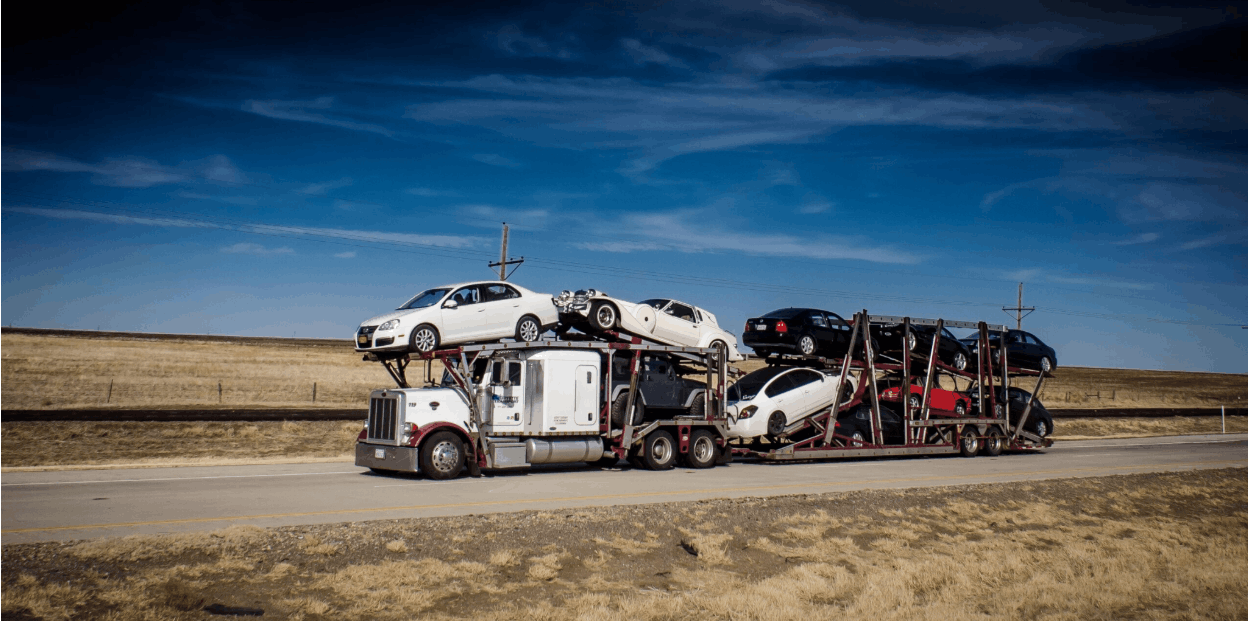
One part of importation that can quickly unsettle the budget is US trucking, which is the process of moving the car from where it was bought to the port.
Dabol Autos described it as one of the toughest parts of the business.
‘The trucking in the US is the craziest part of it,’ he remarked.
He recalled a Hyundai Santa Fe that needed attention before it could move. The driver agreed to fix a tyre issue and handle a few extra steps, but after receiving money, he kept asking for more. At that point, the buyer had limited control because the car was far away, and the next movement depended on the same driver.
Dabol Autos also dismissed the idea that having a contact in the Nigeria Customs Service automatically makes importation easier. From his perspective, it can sometimes create the opposite effect by placing unnecessary attention on the shipment.
That is why experienced importers leave room in their budget for delays, extra requests and other issues that can come up before the car even leaves the US. A first-time buyer may only plan with the first quote and assume the rest will go smoothly.
Policy Changes May Have Pushed More Cars Into the Ports
The three accounts in this article show that interest in vehicle importation is still high, but the reasons are different.
Some first-time buyers are trying to avoid what they see as the extra cost of buying from a dealer. Import dealers are bringing in cars to sell to local auto sellers. Local dealers are also trying to stock up ahead of policy changes that could affect how vehicles enter the country.
Policy signals may have added to that rush. Nigeria’s tariff reduction on some imported vehicle categories made importation look more attractive, while the new pre-shipment vehicle certification rule may have pushed some importers to move faster before stricter checks fully settle.
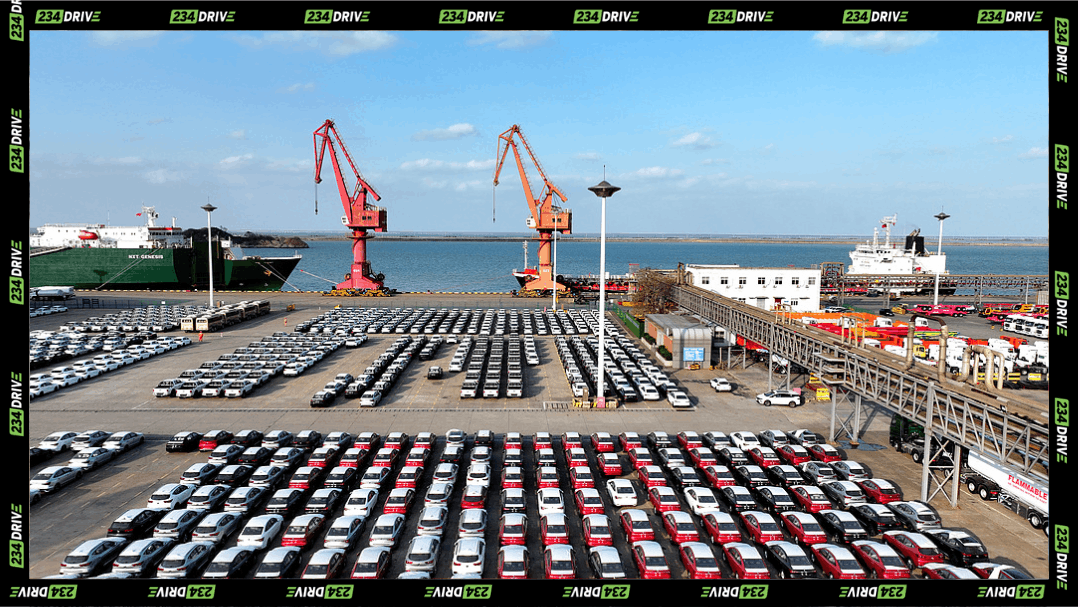
But lower tariffs do not automatically mean cheap imports. Recent clearing guides reviewed by 234Drive still place statutory charges on tokunbo cars at around 40% to 45% of CIF value (Cost, Insurance and Freight), even before shipping, terminal and agent fees enter the bill. That is why the auction price remains only the first figure, not the real landing cost.
The bigger picture is also hard to ignore. Nigerians reportedly spent ₦1.58 trillion importing passenger cars in 2025, while the NADDC says the country spent ₦6.54 trillion on auto parts imports over two years. So the import boom is not just about buyers chasing cheaper cars. It also shows how heavily the market still depends on foreign vehicles and components.
That dependence keeps pressure on foreign exchange, raises questions for local assembly and leaves policymakers balancing two concerns: making vehicles more accessible today while building a stronger auto industry for the long term.
The Real Lesson For First-Time Importers
Car importation can still make sense. Buyers can find better options and dealers can make a profit, but the numbers have to be clear before money leaves anyone’s hand.
Kelvin’s story shows how quickly a first-time importer can get caught: trusting the wrong person, missing extra fees, picking a difficult car and reaching the port without enough preparation.
Dabol Autos’ experience shows that even dealers who know the business still face driver issues, title problems, customs delays, storage charges and shifting market prices.
For anyone looking to get into the vehicle importing process, the safer approach is to slow down before bidding. Know the fees, confirm the car’s condition, check who is handling the movement and leave room for surprises. The auction price is only the start; the real cost is what it takes to get the car home.
*Names have been changed to preserve anonymity