
The Lexus LFA is one of the rarest and most respected Japanese supercars ever made. Produced by Toyota’s luxury division from late 2010 to 2012, it was designed as a halo model that demonstrated Lexus engineering at its most ambitious. Only 500 units were built, including 50 Nürburgring Package cars, giving it immediate exclusivity.
Its reputation comes from its hand-built V10 engine, carbon-fibre structure, exceptional build quality and distinctive exhaust sound. Although its original price attracted criticism, the LFA later became a highly valuable collector’s car. Its brief reported presence in Lagos also gave Nigerian enthusiasts a rare opportunity to see one of Japan’s most important performance cars locally.
Lexus LFA Exterior Design and Road Presence
The LFA uses traditional front-engined supercar proportions, including a long bonnet, low roof, compact cabin and broad rear body. Sharp headlamps, deep air intakes, an active rear wing and a triangular exhaust outlet give it an aggressive but controlled appearance. Its design remains distinctive without relying on excessive decoration.
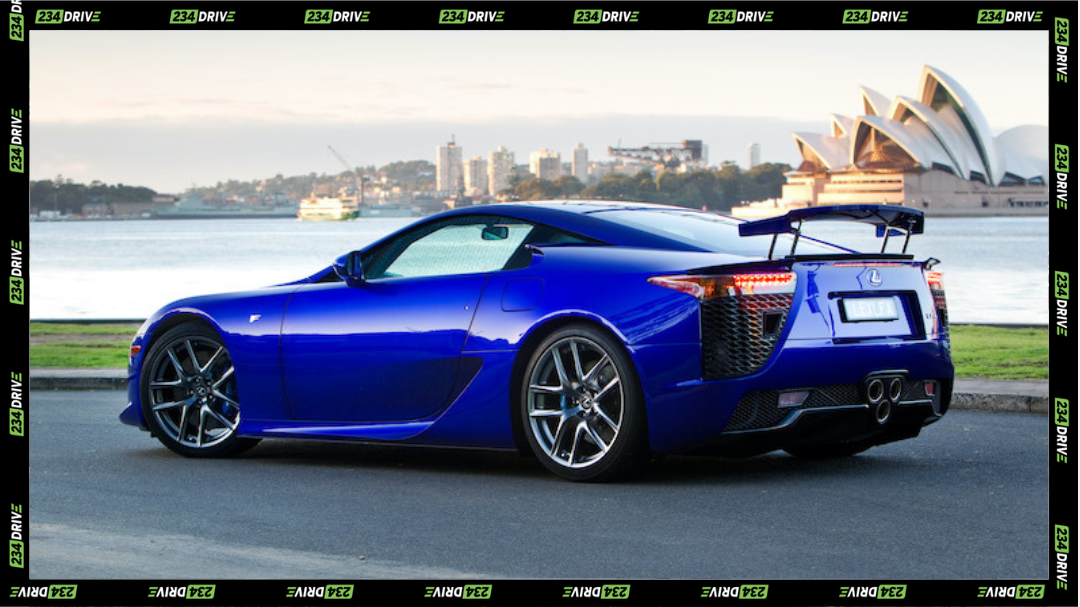
The Lexus LFA production history explains that carbon-fibre-reinforced polymer forms much of the car’s body mass, supported by aluminium subframes and other lightweight materials. This construction improves rigidity and controls weight. On Nigerian roads dominated by large luxury SUVs, the LFA’s low stance would command immediate attention.
Interior Comfort, Technology and Performance
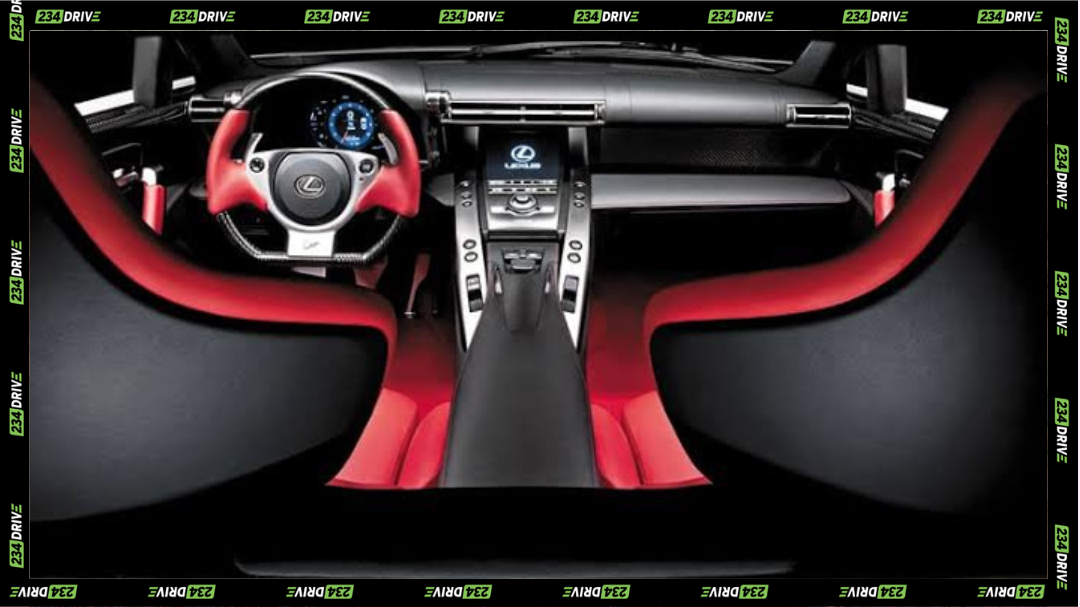
Inside, the LFA combines leather, Alcantara, carbon fibre and metal detailing in a driver-focused cabin. The seats provide strong support, while the steering wheel, paddles and controls are positioned for quick access. Lexus used a digital tachometer because a conventional needle could not follow the engine’s rapid changes in speed.
Its naturally aspirated 4.8-litre V10, developed with Yamaha, produces about 553 hp and 480 Nm of torque. Power reaches the rear wheels through a six-speed automated manual gearbox. The car can reach 60 mph in around 3.6 seconds and continue to approximately 202 mph, while delivering remarkably immediate throttle response.
Lexus LFA Price in Nigeria
The LFA originally started at about $375,000, which appeared expensive beside established Ferrari, Lamborghini and Porsche alternatives. However, its limited production, engineering and driving experience transformed its market position. Coverage of the LFA’s collector appreciation notes that its average used value had risen beyond $800,000 by 2026.
The latest current LFA market data gives the base model a market benchmark of approximately $871,555 and an average recorded sale price near $821,539. A standard example sold for $1.81 million in April 2026. Depending on condition and specification, a Nigerian purchase could exceed ₦1 billion before import costs.
The Lexus LFA in Nigeria
The LFA is almost absent from Nigeria’s car market. One example was photographed on Lagos roads before reportedly leaving Nigeria for the United States in March 2026. The account of Nigeria’s rare LFA demonstrates how unusual it is for an investment-grade Japanese supercar to remain in the country.
There are no regular LFA listings on major Nigerian car marketplaces. A buyer would probably need an international auction house, specialist dealer or private collector. Authentication, inspection, shipping insurance and complete service records would be essential because accident damage, missing documentation or poor maintenance could sharply reduce the car’s value.
Can I Really Afford This Car?
Affordability extends well beyond the advertised price. Shipping, insurance, customs valuation, port handling, registration and exchange-rate movements could add hundreds of millions of naira. Nigeria’s revised vehicle import duties set rates of 10 per cent for new vehicles and 5 per cent for used vehicles, alongside a 4 per cent surcharge for engines of 4,000cc or more.
VAT, automotive levies and administrative charges may also apply, so buyers should obtain a current assessment from a licensed clearing professional. Someone who can only just pay the purchase price cannot realistically afford an LFA. The owner must also be able to fund imported parts, specialist servicing, insurance and secure storage without financial strain.
Is This Car Suitable for My Lifestyle?
The LFA is most suitable as part of a larger car collection. It has two seats, limited luggage capacity and very low ground clearance. Large speed bumps, potholes, damaged road edges and flooding could harm its front bodywork, wheels, tyres or carbon-fibre components. Heavy traffic would also restrict its performance.
Nigeria’s heat is manageable through the car’s cooling and air-conditioning systems, but dust, strong sunlight and unpredictable roads require protected storage and careful route planning. It works best for weekend drives, exhibitions and private motoring events. It is poorly suited to school runs, family travel or everyday commuting.
Will This Car Punish Me After Purchase?
Lexus build quality gives the LFA a strong reliability reputation, but that does not make it inexpensive to own. Its V10 engine, automated manual transmission, carbon-ceramic brakes and carbon-fibre body require specialist attention. Even minor accident damage could become a complex repair because replacement parts and experienced technicians are scarce.
Premium tyres, fuel, insurance and storage would create substantial continuing expenses. Some servicing or repairs may require imported components or overseas technical support. The LFA may not suffer frequent ordinary faults, but a damaged panel, neglected service item or major mechanical problem could result in an exceptionally large bill.
Lexus LFA Versus Its Main Rivals
The LFA competed with cars such as the Ferrari 599 GTB, Lamborghini Aventador, Mercedes-Benz SLS AMG and Porsche Carrera GT. Some rivals offered greater power, faster gear changes or more dramatic styling. The Lexus distinguished itself through its engine response, sound, craftsmanship, handling balance and extremely limited production.
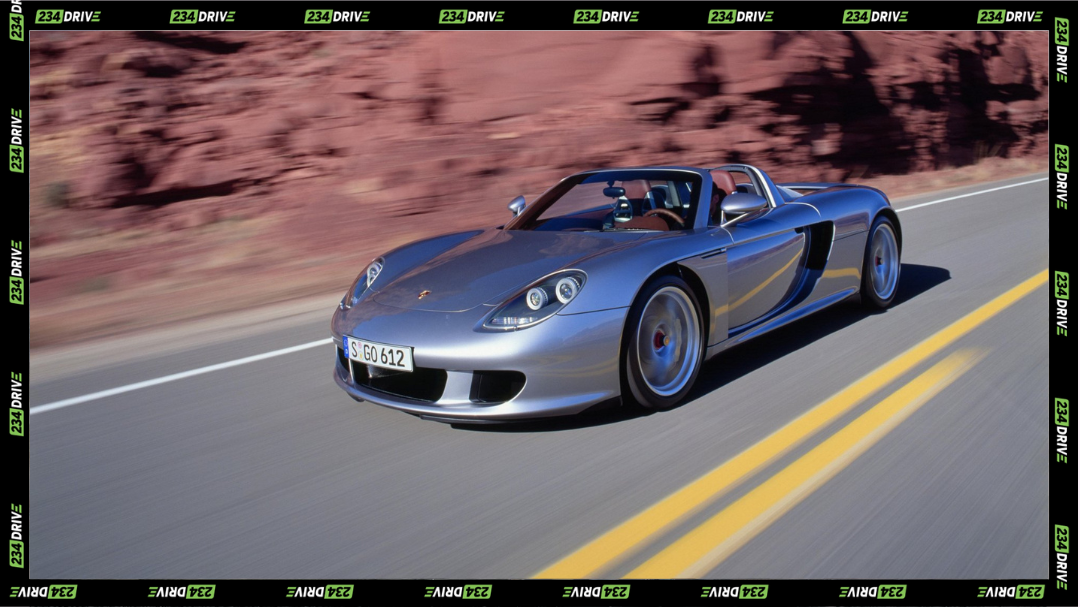
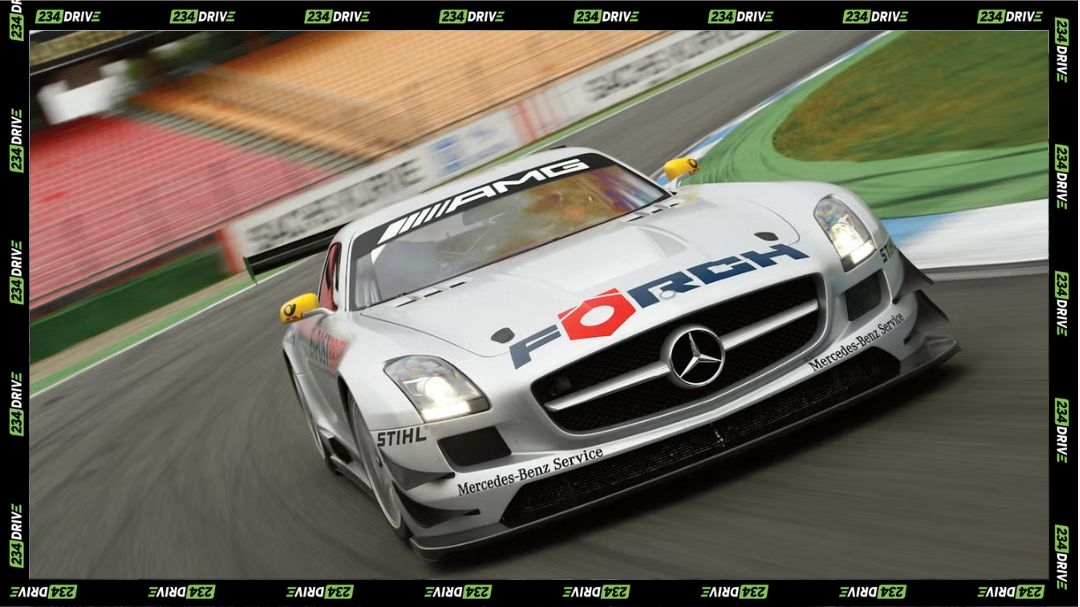
Its resale value now exceeds that of many supercars from the same period, although the Carrera GT belongs to a more expensive collector category. The SLS AMG is generally cheaper and easier to maintain, while Ferrari and Lamborghini offer broader specialist support. The LFA may be durable, but its rarity makes repairs difficult and costly.
What Should I Buy Instead, and Who Should Avoid the Lexus LFA?
A buyer wanting a fast Lexus with fewer ownership difficulties should consider the Lexus LC 500. It offers a naturally aspirated V8, a premium cabin and greater everyday comfort at a far lower cost. The Porsche 911 Turbo, Audi R8 V10 and Mercedes-AMG GT also provide serious performance with wider servicing and parts support.
The LFA should be avoided by anyone seeking a daily commuter, family car or easily maintained supercar. Buyers without secure indoor storage, comprehensive insurance, reliable foreign currency or specialist assistance should also look elsewhere. In Nigeria, a Lexus LX, Porsche Cayenne Turbo or another performance SUV would offer more practical ground clearance and passenger space.
Conclusion
The Lexus LFA combines a memorable naturally aspirated V10, carbon-fibre engineering, exceptional rarity and strong collector demand. Its reputation has improved greatly since production ended, and its limited numbers support impressive resale values.
However, Nigerian ownership demands careful import planning, secure storage, specialist maintenance and substantial financial reserves. It is best treated as a collector’s car rather than daily transport.
Would you spend more than ₦1.5 billion on an LFA, or choose a newer and more practical performance model? Share your thoughts.