
The emergence of Lucid Motors as a formidable player in the global electric vehicle (EV) sector has not gone unnoticed by Nigeria’s high-net-worth individuals and automotive enthusiasts. Founded in 2007 and rebranded to its current form in 2016, the California-based manufacturer has carved out a niche by prioritising extreme aerodynamic efficiency and class-leading range. While the brand remains focused on the U.S. and Middle Eastern markets bolstered by significant investment from Saudi Arabia’s Public Investment Fund, its presence in West Africa is currently defined by a small, elite group of private importers who value technical disruption over traditional luxury.
One of the most notable figures associated with the brand in Nigeria is Senator Ben Murray-Bruce, whose public advocacy for a transition to electric mobility culminated in him becoming the first reported Nigerian to order a Lucid Air in 2021. This move was widely documented, with local news coverage highlighting his deposit on the vehicle as a political and environmental statement in a nation heavily reliant on fossil fuels. Despite the absence of an official Lucid dealership or service network in Nigeria as of April 2026, the brand’s allure continues to grow among the urban elite in Lagos and Abuja, who view these vehicles as the ultimate record of modern mobility.
The Lucid Air
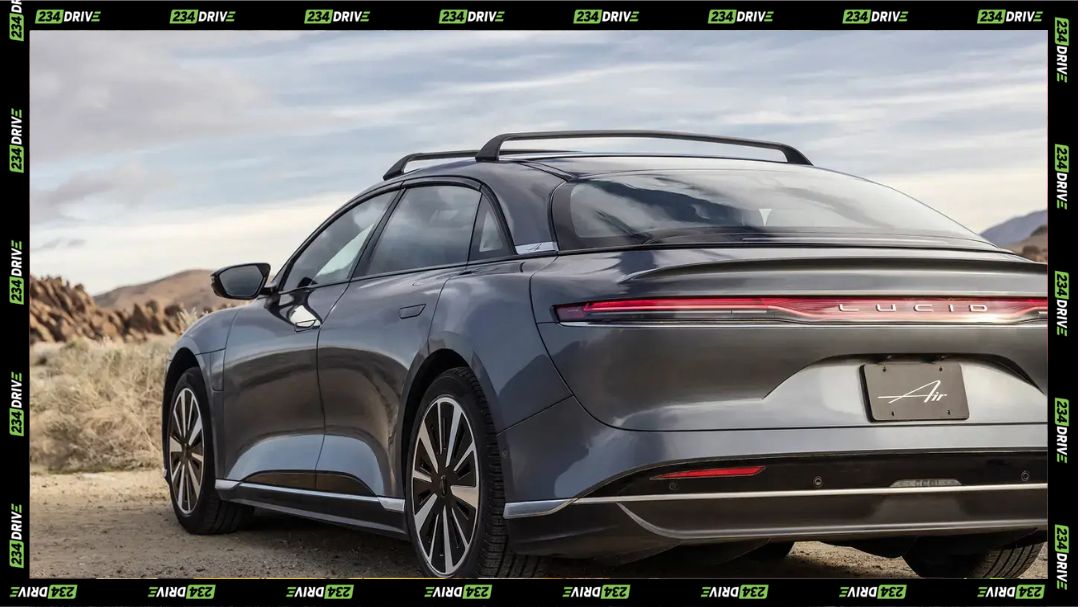
The exterior design of the Lucid Air is a radical departure from the aggressive, angular styling often seen in the luxury sedan segment. Its silhouette is defined by the “Lucid Space Concept,” which utilises a miniaturised drivetrain to maximise interior volume while maintaining a sleek, low-slung profile. The most striking feature is the horizontal light bar that spans the front and rear, giving the car a futuristic, wide stance on the road. With a drag coefficient of just 0.21, the Air is one of the most aerodynamic production cars in existence, a feat that translates into a quiet, effortless road presence.
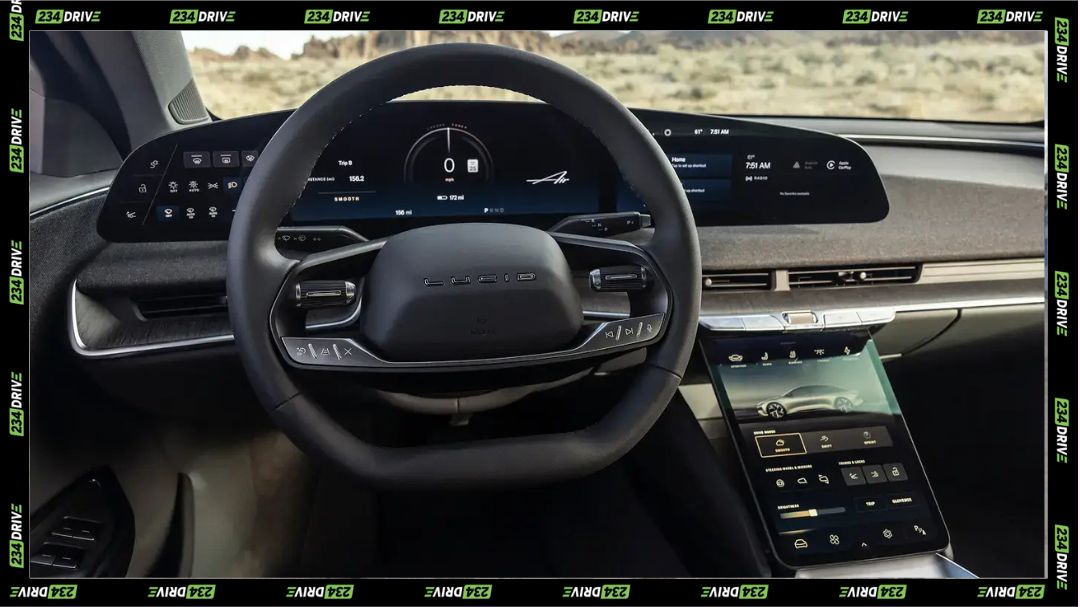
Inside, the Air is a sanctuary of sustainable luxury and high-frequency technology. The cabin is dominated by a 34-inch curved Glass Cockpit display that appears to float above the dashboard, providing crisp, intuitive access to the vehicle’s 900V+ architecture. Performance is equally staggering; the top-tier Sapphire trim produces over 1,200 horsepower, enabling a 0-60 mph sprint in under two seconds. Even the entry-level Pure trim offers a respectable range of over 400 miles, ensuring that the transition to electric does not come at the cost of long-distance capability. In the U.S., prices range from approximately $69,900 for the Pure to $249,000 for the Sapphire, though local price and specification guides suggest landed costs are significantly higher due to duties.
The Lucid Gravity
The Lucid Gravity, the brand’s foray into the high-stakes SUV market, retains the “Aero-first” design language of its sedan sibling while offering the ruggedness expected of a premium utility vehicle. Its exterior features a long, flowing roofline and a cavernous glass canopy that extends from the windscreen to the rear, creating a visual sense of infinite space. The road presence is substantial yet refined, avoiding the boxy proportions of traditional SUVs in favour of a more athletic, streamlined aesthetic. The “Wunderbox” onboard charger and bi-level frunk storage add practical layers to its sophisticated exterior styling.
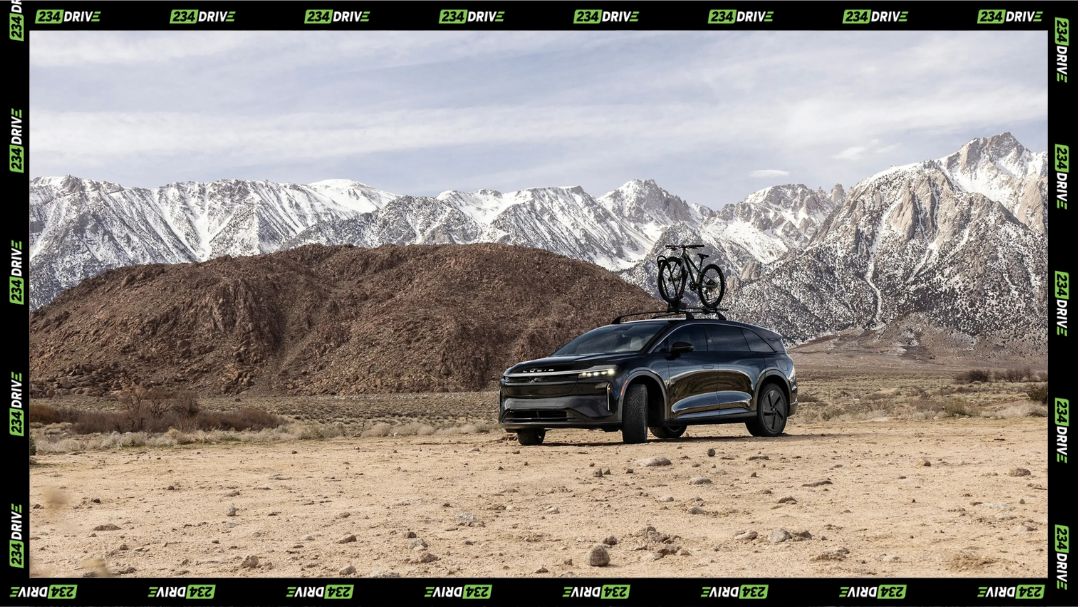
The interior of the Gravity is designed for both the driver and the family, featuring a spacious seven-passenger configuration and the latest iteration of Lucid’s software suite. The performance is aimed at providing a seamless driving experience, with an estimated range of up to 450 miles and the same ultra-fast charging capabilities found in the Air—adding up to 200 miles of range in just 15 minutes at a DC fast charger. This SUV is built on a platform that emphasises both comfort and agility, making it as capable on a highway as it is navigating tight urban streets. Global starting prices are estimated around $79,900, though current price estimates for the Nigerian market vary significantly based on logistics.
Navigating the Nigerian Terrain
The presence of Lucid vehicles in Nigeria is a testament to the owner’s commitment to innovation, but it comes with a unique set of challenges. The Nigerian driving environment, particularly in metropolitan hubs like Lagos and Port Harcourt, is characterised by a mix of high-speed expressways and deteriorating inner-city roads. While the Lucid Air’s low ground clearance may be a concern on less-than-perfect surfaces, the Gravity SUV offers a more practical alternative for the local climate and road conditions. However, the lack of an official service network means that maintenance is a significant hurdle; owners must often rely on importing specialised technicians or parts from the U.S. or UAE.
Furthermore, the infrastructure for electric vehicles in Nigeria remains in its infancy. While home charging is a viable option for those with stable solar or inverter setups, the absence of a public DC fast-charging network limits these vehicles to being “city cars” rather than cross-country tourers. For the Nigerian owner, a Lucid is less about daily utility and more about prestige and the pursuit of a petrol-free lifestyle. In a market where fuel subsidies are a constant point of economic tension, the efficiency of a Lucid offers a glimpse into a future where Nigerian mobility is decoupled from the pump, even as local market data continues to reflect the premium cost of entry.
Competitive Positioning and Resale Value
When comparing the Lucid Air and Gravity to their segment rivals, such as the Tesla Model S/X and the Mercedes-Benz EQS, the Lucid products hold a clear advantage in terms of raw efficiency and range. However, from a cost and competitive positioning perspective in Nigeria, they remain at a disadvantage due to the lack of official support. While a Tesla can often be serviced by independent EV specialists who have gained experience with the brand over the last decade, the Lucid’s proprietary technology and 900V architecture require a higher level of technical expertise that is currently scarce in the local market.
Source: Cinch
In terms of resale value and durability, Lucid vehicles are still unproven in the African context. The high initial purchase price—estimated between ₦50 million and ₦350 million depending on the model and current exchange rates—makes them a niche asset. While the build quality is exceptional, the long-term durability of the battery systems in Nigeria’s tropical climate, without the benefit of official diagnostic support, remains a question mark. Compared to a Mercedes-Benz or a Toyota EV, the Lucid is a high-risk, high-reward investment that appeals primarily to the ‘early adopter’ who values being at the absolute frontier of automotive technology.
A Glimpse into the Future
The collection of Lucid vehicles in Nigeria represents the absolute pinnacle of current EV technology. Their primary strengths lie in their industry-leading range, breathtaking performance and a design philosophy that prioritises space and efficiency over traditional luxury tropes. For the Nigerian driver, owning a Lucid is a bold statement of intent—a declaration that they are ready for the next chapter of mobility, regardless of the infrastructure challenges that remain.
While the lack of an official presence means that owning one requires a level of dedication and financial backing that few can afford, the Lucid Air and Gravity serve as powerful symbols of what is possible. As the brand ramps up production in its Saudi Arabian facility, we may see a more formal entry into the African market in the years to come. Until then, these vehicles remain the ultimate record of American innovation on Nigerian soil. What are your thoughts on the Lucid range? Would you risk the lack of service for that class-leading range? Share your thoughts below.