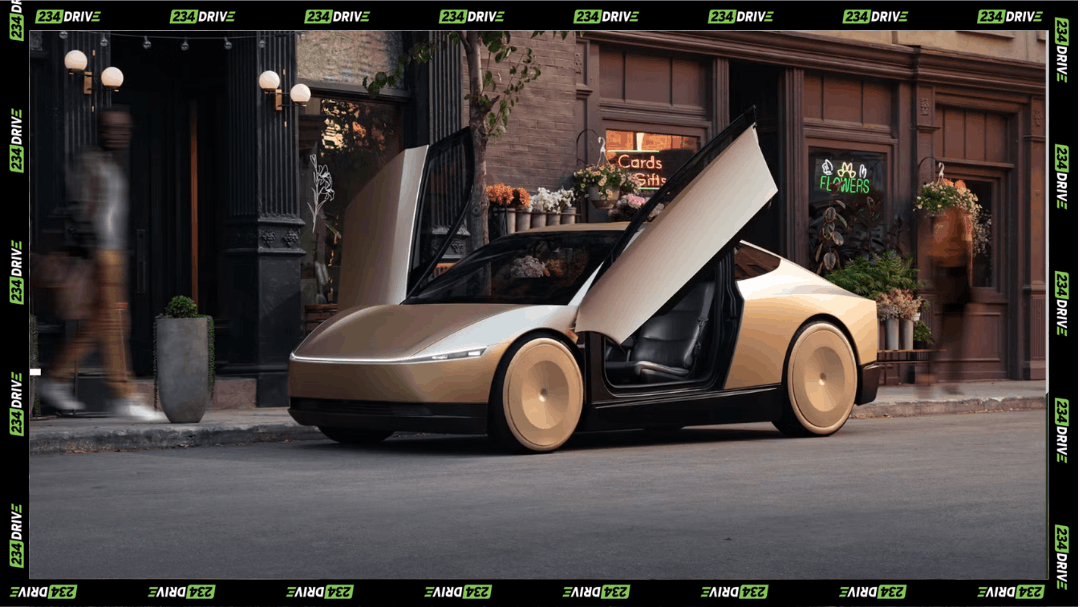
Tesla’s robotaxi rollout in Texas is still far behind Elon Musk’s earlier promise. New registration data filed with the Texas Department of Motor Vehicles shows the company has only 42 self-driving cabs offering rides across the state.
That is a long way from Elon Musk’s 2025 projection that the service could grow to 1,000 cars within months of launch. It also puts Tesla behind Waymo, which has more than 550 autonomous taxis carrying passengers in Texas. The filing now gives the clearest official look yet at how far Tesla remains from Musk’s earlier target.
Tesla’s Robotaxi Rollout Still Has Ground To Cover
Tesla disclosed the figure under new Texas DMV rules that recently took effect. Before then, public estimates mostly came from outside tracking platforms.
Robotaxi Tracker, a third-party service, puts Tesla’s current unsupervised fleet in Texas at 39 vehicles. It says about 30 operate in Austin, while the rest are shared between Dallas and Houston. The DMV filing does not show where each vehicle is based.
Tesla began its Robotaxi service in Austin in 2025, but it started cautiously. The cars operated within a small geofenced area, carried safety monitors in the front passenger seat and used chase vehicles. At the time, Musk said the fleet could begin with about 10 cars, then rise quickly to 20, 30, 40 and eventually 1,000.
The company removed safety monitors from its Austin vehicles in January 2026. On the first day of unsupervised rides, only one car was active, according to Robotaxi Tracker. A month later, the number had increased to eight.
The slow growth keeps attention on Tesla’s wider self-driving claims. Musk has also said the company could have hundreds of thousands, or even a million, self-driving Teslas on the road by the end of 2026. That would likely include privately owned cars, not only the Robotaxi service.
Robotaxi Growth Is Still Meeting Real-World Friction
Robotaxi plans are moving forward, but the road has not been as smooth as the pitch decks might have suggested.
In September 2025, Uber finalised a $300 million investment in Lucid as part of its plan to build a premium Level 4 robotaxi fleet, powered by Nuro’s self-driving system and operated through Uber’s platform. The plan covered more than 20,000 vehicles over six years, with Uber’s own materials later naming the San Francisco Bay Area as the first market ahead of an expected late-2026 launch.
Yet the wider robotaxi space is still facing harder questions. Waymo, one of the most advanced names in the sector, later came under federal scrutiny after its driverless vehicles were reported to have illegally passed stopped school buses in Austin.
So while Uber, Lucid, Nuro, Waymo and others continue to push the market forward, the technology is still proving that scale is not only about funding or fleet size. Adoption is expected to grow, but for now, safety, regulation and public trust remain just as important as the cars themselves.