
Importing a vehicle from Germany to Nigeria is an increasingly popular route for buyers seeking reliable, well-engineered European cars. While the Nigerian automotive market is traditionally dominated by used imports from North America, German imports offer a compelling alternative. European-spec models from premium manufacturers like BMW, Mercedes-Benz and Volkswagen typically possess superior maintenance records, better structural integrity and cleaner accident histories than high-mileage salvage imports from coastal US regions.
However, executing a successful import requires navigating a complex pipeline. Importers must manage overseas vehicle sourcing, German export regulations, maritime logistics and the evolving customs tariff structures at Nigerian ports. This guide provides realistic, step-by-step details based on current market realities to help you land a high-quality German vehicle in Nigeria.
Where to Find Vehicles in Germany
Germany boasts one of the most transparent used-car ecosystems in the world. Stricter domestic regulations mean odometer fraud is rare, and vehicle history is easily verifiable through independent inspection services. To begin your search, you must understand where different seller categories operate.
Wholesale and Insurance Auctions
For exporters and wholesale buyers, commercial auctions provide the deepest discounts, often featuring lease returns, bank repossessions or repairable insurance lots.
- Exleasingcar.com & eCarsTrade: These platforms specialise in European leasing and bank-owned fleets. They are excellent sources for finding well-maintained fleet returns of major brands like Audi, BMW and Volkswagen.
- BCA & AUTO1: These platforms function as major business-to-business networks where European dealers trade inventory. You will need a licensed partner or broker to bid on these sites.
- Copart Germany: Unlike its American counterpart, Copart Germany features a higher percentage of repairable, non-salvage vehicles that still possess significant mechanical life.
Reviewing an authoritative list of the German auction sites can help you identify which platform aligns best with your budget and targeted vehicle type.
Online Marketplaces and Private Sellers
For retail buyers seeking direct purchases, German listing platforms offer thousands of options daily.
- Mobile.de: This is the largest automotive search engine in Germany. It aggregates listings from both certified dealerships and private sellers across the country.
- eBay Kleinanzeigen: This platform acts as a classified marketplace. It offers excellent bargains from private individuals, though you must exercise caution to verify the seller’s legitimacy.
Typical German Market Prices (2026 Estimates)
German used-car prices reflect the country’s high standards of vehicle care. Below are realistic price ranges for clean, low-mileage European-spec vehicles before shipping and clearance costs are factored in:
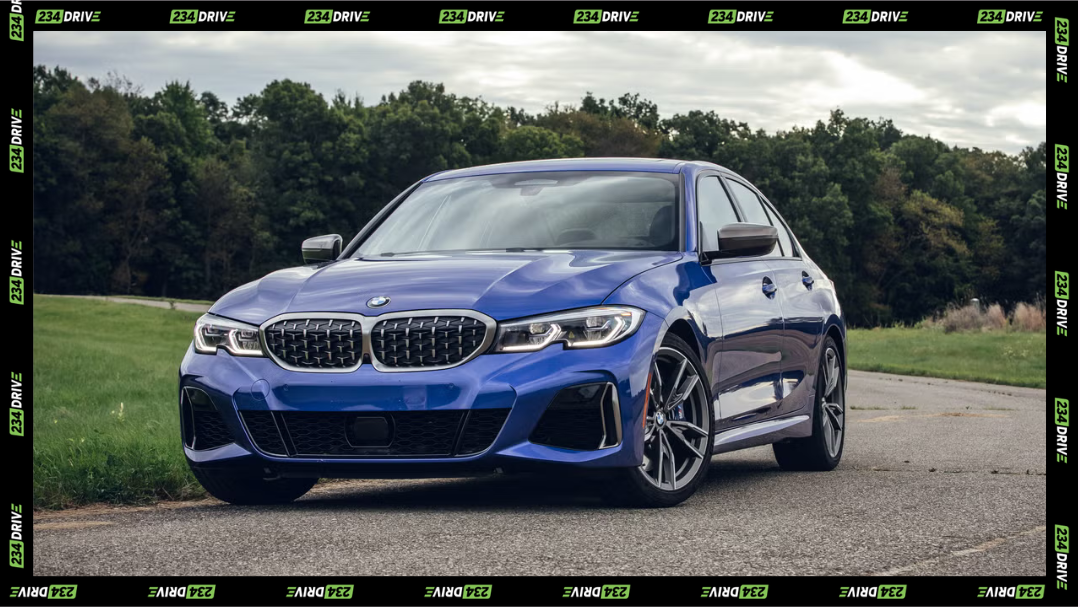
- 2018–2022 BMW 3-Series (320i / 330i): €12,000 to €25,000
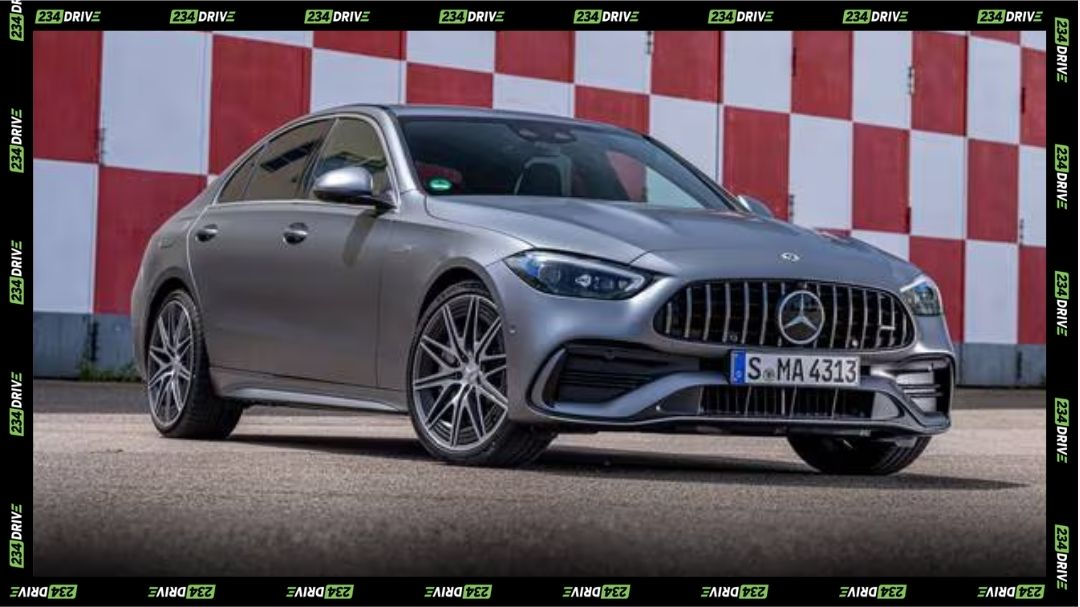
- 2019–2023 Mercedes-Benz C-Class (C200 / C300): €15,000 to €30,000
- 2020 Volkswagen Golf or Passat: €10,000 to €20,000
Purchase and Inspection Process
Once you locate a vehicle, you must execute a strict purchase sequence to protect your investment and satisfy German export laws.
Step 1: Secure an Independent Inspection
Never wire money to a seller without verifying the car’s actual physical condition. You must arrange for an independent mechanic or a certified inspection agency like TÜV or DEKRA to examine the vehicle. They will verify the vehicle’s structural integrity, identify hidden fluid leaks and perform a comprehensive computer diagnostic sweep.
Step 2: Pay the Invoice
After successful negotiations, the dealer will issue a commercial invoice detailing the vehicle’s unique Identification Number (VIN), purchase price and export terms. You should pay via international bank wire transfer, ensuring you retain the receipt. If the vehicle is sold tax-exempt (without the German 19 percent VAT), you must verify the dealer’s export process beforehand to ensure a smooth transition.
Step 3: Secure the Export Licence Plates
If you or your agent plan to drive the vehicle to the exit port, you must obtain temporary export plates (Ausfuhrkennzeichen) from the local vehicle registration office (Zulassungsstelle). To secure these plates, you must present:
- A valid passport.
- Registration Certificate Part I (Fahrzeugschein) and Part II (Fahrzeugbrief).
- A yellow insurance certificate specifically designated for export vehicles.
- A SEPA direct debit mandate to cover the local German vehicle tax.
Step 4: Gather Crucial Ownership Documents
Ensure the seller hands over the essential documents required for both German customs and Nigerian port entry:
- Fahrzeugbrief (Part II): This is the official vehicle title and ownership certificate.
- Zulassungsbescheinigung Teil I: The vehicle’s registration document.
- Certificate of Conformity (CoC): This document proves the vehicle complies with European Union manufacturing standards, simplifying clearance in Nigeria.
Shipping Options and Costs from Germany
Most vehicles exported from Germany depart from the Port of Hamburg or the Port of Bremerhaven. The two primary methods of transport are Roll-on/Roll-off (RoRo) and containerised shipping.
Roll-on/Roll-off (RoRo)
RoRo is the most economical and widely utilised method for exporting operable vehicles. Port workers drive the vehicle onto the vessel’s internal decks, where they secure it for the voyage.
- Port of Departure: Hamburg or Bremerhaven.
- Transit Time: 2 to 6 weeks (averaging 20 to 30 days to reach Lagos).
- Freight Rates: Standard sedans range from $1,147 to $2,200, while larger SUVs and utility vehicles cost between $1,800 and $3,590. You should obtain direct transit quotes to Nigeria to account for fuel surcharges and seasonal shipping rate adjustments.
Container Shipping
Container shipping involves packing the vehicle into a standard 20-foot or 40-foot steel container. This method protects luxury cars from environmental exposure and pilferage, though it costs significantly more.
- Transit Time: 3 to 6 weeks.
- Freight Rates: A dedicated 20-foot container from Germany to Lagos costs upwards of $3,000 to $4,500.
Documentation Required
To avoid severe delays, demurrage charges and customs seizures, you must prepare the export and import documentation concurrently.
German Customs and Export Declarations
German customs authorities require all goods valued over €1,000 to be declared electronically before they leave the European Union.
- ATLAS System: You must submit your export declaration through the ATLAS e-customs interface. If you are unfamiliar with German customs, hire an export agent at the departure port to process this declaration.
- Export Accompanying Document (EAD): Once German customs approves the export, they will issue the EAD. This document must accompany the vehicle to the exit port.
- EUR.1 Movement Certificate: If you require proof of the vehicle’s European origin, the manufacturer can provide a supplier’s declaration to help you secure an EUR.1 certificate.
Nigerian Import and Clearance Paperwork
Your clearing agent must receive these documents before the vessel arrives at Apapa, Tin Can Island or Port Harcourt:
- Original Bill of Lading (BoL): Issued by the shipping line after departure.
- Form M: Logged via your Nigerian bank to declare the intended import.
- Pre-Arrival Assessment Report (PAAR): Generated by the Nigeria Customs Service (NCS) using your Form M and invoice details.
- Commercial Invoice and Fahrzeugbrief: Proving the purchase price and ownership.
Customs Clearance Specifics for Nigeria
Clearing a vehicle through Nigerian customs is a complex financial process that demands the services of a licensed customs broker.
Recent Tariff Policy Changes
The pricing structure for importing fully built passenger cars, station wagons and sport utility vehicles experienced notable modifications following recent fiscal policy adjustments. The Nigeria Customs Service implemented significant tariff reductions on vehicles, reducing the maximum effective duty on fully built passenger vehicles down to 40 percent, compared to the older, more punitive 70 percent peak rates.
Tariffs and Levies Breakdown
Despite these modifications, the actual clearance fees remain high. The total financial package is comprised of several distinct components:
- Import Duty: Fully built passenger vehicles are subject to a 20 percent import duty rate.
- National Automotive Council (NAC) Levy: This levy stands at 15 percent for used vehicles.
- Value Added Tax (VAT): 7.5 percent calculated on the total landed value.
- Additional Port Levies: These include the Comprehensive Import Supervision Scheme (CISS) fee of 1 percent, the ECOWAS Trade Liberalisation Scheme (ETLS) levy of 0.5 percent and various terminal handling charges.
To understand how these levies are calculated and applied to different vehicle engine capacities, review the official import tariffs guide published by international trade authorities. Total effective clearance costs frequently amount to 40 percent to 50 percent of the vehicle’s CIF (Cost, Insurance and Freight) value.
Sourcing Timelines and Projected Landed Cost Models
Importing a car from Germany to Nigeria requires capital, patience and a contingency budget. The entire process—from purchase to port exit—typically spans 2 to 4 months. Below are projected, all-in landed cost models built around two popular vehicle profiles.
Cost Profile: Premium Petrol Sedan (2020 BMW 320i)
- Purchase Price: €18,000 (approximately $19,500)
- German Inspections, Export Plates and Inland Transport: $1,000
- Ocean Freight (Hamburg to Lagos RoRo): $2,000
- Marine Insurance: $500
- Total CIF (Lagos Port): $23,000
- Nigerian Customs Duties, Levies and VAT (45% of CIF): $10,350
- Clearing Agent Fees, Terminal Handling and Shipping Line Charges: $2,500
- Realistic All-In Landed Cost: $35,850
Cost Profile: Compact Luxury Cruiser (2018 Mercedes-Benz C200)
- Purchase Price: €16,000 (approximately $17,300)
- German Export Prep and Transport: $1,000
- Ocean Freight (Bremerhaven to Lagos RoRo): $1,900
- Marine Insurance: $400
- Total CIF (Lagos Port): $20,600
- Nigerian Customs Duties, Levies and VAT: $9,270
- Clearing Agent and Port Fees: $2,300
- Realistic All-In Landed Cost: $32,170
To verify how local customs valuation, exchange rate adjustments and demurrage impact these pricing estimates, consulting a comprehensive import cost breakdown will protect you from unexpected clearing delays.
Why Germany vs. US or Other Countries
When deciding where to source your next vehicle, you must weigh the upfront savings against long-term maintenance realities.
The Stricter German Inspection System
Unlike the US, where salvage titles are frequently washed and resold, German vehicles are subject to the strict TÜV inspection framework. This biennial check ensures that steering components, brakes, chassis frames and emissions systems are in perfect working order. This means that a used car imported from Germany has typically enjoyed a far superior maintenance history compared to an equivalent model from North America.
Better Build Integrity
European-spec German vehicles often feature thicker anti-corrosion coatings and suspension systems tuned for high-speed motorway driving. This results in a tighter, more robust vehicle cabin that stands up well to the relentless vibrations of Nigerian roads.
Parts Availability and Mechanic Familiarity
While luxury British imports or right-hand-drive conversions present immense mechanical head-scratches, German brands like BMW, Mercedes-Benz and Volkswagen enjoy a massive parts and repair ecosystem in Nigeria. Major cities feature hundreds of specialised technicians who can diagnose and repair these vehicles with ease.
Final Practical Advice for Importers
If you value engineering quality and want to avoid the hidden mechanical gremlins of cheap North American salvage yards, Germany is an exceptional source country. To ensure a successful transaction, follow these critical rules:
- Always hire an independent inspector to verify the car’s mechanical condition in Germany.
- Obtain the Certificate of Conformity to prevent compliance disputes during the clearance phase.
- Engage a licensed Nigerian clearing agent before the vessel departs Hamburg or Bremerhaven to ensure a seamless arrival process.
- Budget for a 45 percent clearing overhead above your CIF value to cover duties, agent fees and terminal handling costs.