
For decades, North America and Western Europe dominated the Nigerian tokunbo car market. However, a major structural shift has occurred over the last few years. The United Arab Emirates (UAE)—specifically the bustling trade hubs of Dubai and Sharjah—has emerged as a premium alternative for Nigerian car buyers. Boasting pristine highway networks, strict mechanical inspection regimes and a high expat turnover rate, the UAE offers an incredibly rich inventory of clean, low-mileage used cars.
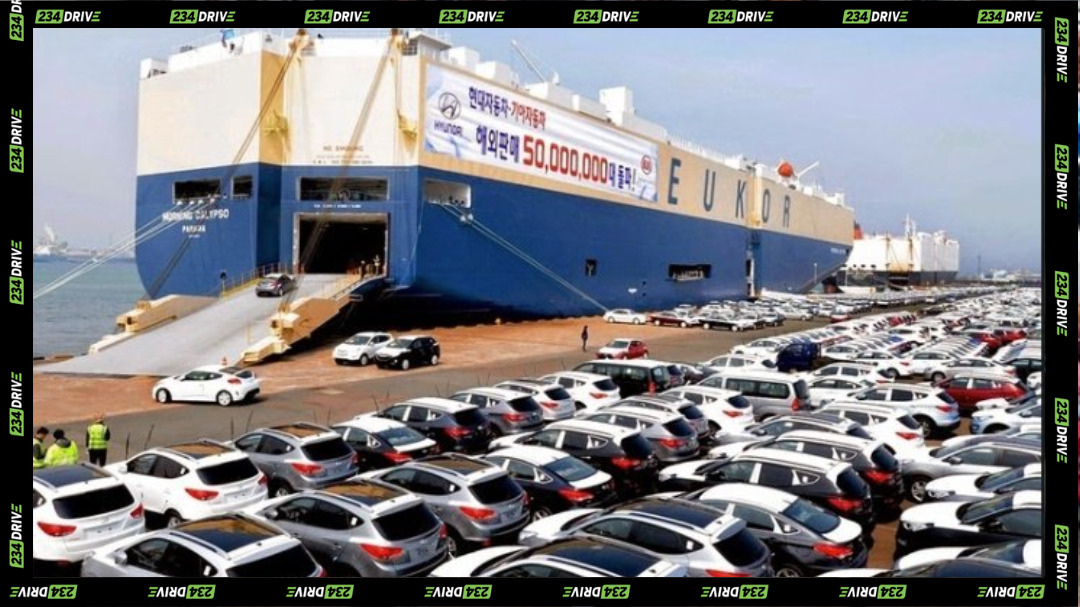
But navigating the logistics of moving a vehicle from the desert terminals of Jebel Ali to the ports of Lagos requires more than a simple transaction. With the Federal Government’s landmark April 2026 customs reforms and automated import systems, knowing how to import cars from UAE to Nigeria is essential for a smooth, risk-free transaction. This comprehensive guide details the sourcing processes, shipping practicalities, documentation requirements and clearing structures you need to successfully land your vehicle.
Sourcing Your Vehicle in the UAE
The UAE car market is uniquely structured around massive automotive free zones and online portals. Because the local population replaces vehicles frequently, buyers can easily find cars that are mechanically sound, well-maintained and free of the structural rust common in European or North American imports.
Major Sourcing Hubs and Platforms
When looking for a vehicle, buyers typically explore three distinct avenues:
- Online Listings: Portals such as Dubizzle, Dubicars and Auto Trader UAE provide access to thousands of private sellers and independent dealerships across Dubai, Sharjah and Abu Dhabi.
- Automotive Free Zones: The Dubai Auto Zone (DAZ) in Ras Al Khor and the export markets of Sharjah (such as Abu Shagara) serve as dedicated physical hubs where cars are prepared specifically for international re-export.
- Specialised Exporters: Established export companies operate within the free zones, specialising in managing the entire export pipeline directly to West Africa.
The Importance of GCC Specifications
When buying a car in the Middle East, you will frequently encounter the term ‘GCC Spec’. Vehicles built to Gulf Cooperation Council specifications are engineered specifically for hot climates. They feature heavy-duty cooling systems, uprated radiators, high-performance air-conditioning compressors and extra dust filtration.
These modifications make GCC-spec vehicles exceptionally well-suited for Nigerian roads and weather conditions. However, you must inspect the vehicle to ensure it is not a non-GCC model (such as a US import re-exported through Sharjah), as these may lack the rugged cooling modifications required to prevent overheating in Nigeria. Before starting, it is highly recommended to understand the baseline UAE export procedures for first-time international buyers.
The Sourcing Checklist: Age Limits and Port Scrutiny
Before transferring capital or committing to a purchase, you must verify that the vehicle complies with Nigeria’s strict import guidelines. Failing to check these boxes risks immediate seizure or punitive fines at the port of entry.
First, check the vehicle’s manufacturing year. Under Nigeria’s official 12-year age limit, a 2014 model is the absolute oldest vehicle you can legally import in 2026. However, localised customs commands at major Lagos terminals often enforce a stricter 10-year age limit (2016 models and newer) for specific classes of passenger cars. Always decode the Vehicle Identification Number (VIN) to confirm the exact date of manufacture, rather than relying on the registration card.
Second, verify the steering configuration. Under Nigerian law, right-hand drive (RHD) vehicles are strictly banned from importation. While the UAE is a left-hand drive (LHD) market, some re-export lots in Sharjah stock RHD Japanese imports intended for East Africa. Ensure the car you buy is a genuine LHD model.
Sourcing and Pre-Export Documentation
To legally move a vehicle out of the UAE, it must go through a formal de-registration process handled by the Roads and Transport Authority (RTA) in Dubai, or Tasjeel centres in the northern emirates. Professional exporters can assist with RTA export certification to ensure a legally compliant transfer.
Ensure the following physical and digital documents are secured before the car is loaded for shipping:
- RTA Export Certificate: The primary document issued by the UAE authorities confirming that the vehicle has been cleared for international export and is no longer registered locally.
- Commercial Invoice: A formal bill of sale showing the transaction value, vehicle specifications, seller information and buyer details.
- Mulkiya (De-registration Card): Proof of the car’s previous registration and legal cancellation within the emirate.
- Bill of Lading: Issued by the shipping line once the vehicle is securely loaded onto the vessel at the port of departure.
To satisfy Nigerian import guidelines, buyers must also register the import on the federal government’s portals before the ship arrives. You must prepare the correct Nigerian import documentation to satisfy the administrative entry requirements on the Nigerian side, including initial import registration.
Shipping Your Car: UAE to Nigeria
The UAE features world-class maritime infrastructure, with Jebel Ali Port in Dubai acting as the primary export gateway for West Africa-bound cargo.
| Departure Port | Destination Port | Transit Window | Estimated Cost (USD) | Best Suited For |
| Jebel Ali (Dubai) | Lagos (Apapa/Tin Can) | 15 – 25 Days | $1,000 – $1,500 | High-frequency RoRo exports |
| Port Khalid (Sharjah) | Lagos (Tin Can Island) | 20 – 30 Days | $1,200 – $1,700 | Standard passenger vehicles |
| Port Rashid (Dubai) | Port Harcourt | 15 – 25 Days | $1,110 – $1,600 | Direct regional shipping |
| Mina Zayed (Abu Dhabi) | Onne Port | 20 – 30 Days | $1,200 – $1,800 | Containerised luxury vehicles |
Choosing Your Shipping Method
Most importers opt for Roll-on/Roll-off (RoRo) shipping, where the car is driven directly onto the vessel’s deck. It is highly efficient and offers the lowest freight rates. However, to ship via RoRo, the car must be in running condition.
If you are importing a premium luxury vehicle or wish to ship spare parts inside the cabin, container shipping is required. A single 20ft container provides complete security, while a shared 40ft container allows you to split the freight costs with another importer.
When planning your budget, it is essential to compare the estimated transport costs of both Roll-on/Roll-off and containerised shipments. Additionally, check the ocean carrier’s schedule to obtain accurate transit shipping durations based on current weather conditions.
The 2026 Nigerian Tariff Revolution and Clearing
The fiscal reality of clearing imported cars in Nigeria changed significantly on 1 April 2026. Under the 2026 Fiscal Policy Measures (FPM) signed by the Minister of Finance, the Federal Government implemented a major tariff reduction to lower transportation costs across the country.
Previously, importers were hit with a combined 35% import duty and a 35% import levy, bringing the total tariff to 70%. Under the new 2026 guidelines, the total tariff has been reduced to 40% (comprising a 20% import duty and a 15% National Automotive Council levy) for fully built passenger vehicles.
For a mid-sized SUV with a customs-assessed value of ₦12 million, your tariff obligation drops from ₦8.4 million under the old 70% rate to ₦4.8 million under the current 2026 rules—saving you ₦3.6 million in duties. Before clearing, you can check a specialised car shipping guide to calculate your targeted customs values.
The Green Tax Surcharge
Importers must also account for the environmental green taxes implemented on 1 July 2026. This tax penalises large-displacement internal combustion engines:
- Engines between 2,000cc and 3,999cc: A 2% surcharge on the vehicle’s customs value.
- Engines of 4,000cc and above: A 4% surcharge.
- Exemptions: Vehicles with engines below 2.0L (2,000cc), electric vehicles (EVs) and mass transit buses are completely exempt.
Navigating Lagos Customs
Once the vessel docks in Lagos, clearing requires three sequential steps:
- VREG Registration: You must log onto the national Vehicle Registry (VREG) portal and register the car using its VIN. This tracks all imports to prevent smuggling.
- Automated VIN Valuation: The Nigeria Customs Service uses its automated system to assign a fixed import valuation based on standard market models. Do not expect duties to be calculated on your actual UAE purchase price.
- Local Port Fees: On top of the 40% tariff, you must pay a 7.5% VAT, a 7% port surcharge, terminal clearing fees and administrative agent charges. These local fees typically add about $1,500 to your overall landing budget.
To understand how these cumulative taxes interact with local registration expenses, read our deep dive on clearing vehicles at Lagos ports to avoid terminal demurrage.
Sourcing Market Shootout: UAE vs. US vs. Europe
Sourcing from the Middle East offers unique trade-offs when compared directly against North American and European alternatives.
| Sourcing Region | Primary Vehicle Type | Average Shipping Cost | Typical Transit Time | Key Trade-off |
| United Arab Emirates | GCC-Spec Japanese & Luxury | $1,000 – $1,700 | 15 – 30 Days | High-quality road wear; hot-climate spec |
| United States | Salvage & Rebuilt Passenger | $1,500 – $3,500 | 35 – 45 Days | High auction volume; longer transit times |
| Western Europe | Highway-driven Diesels & Hatchbacks | $1,150 – $1,800 | 20 – 28 Days | Well-documented maintenance; rust risk |
While US salvage auctions offer lower initial purchase prices, the high cost of transatlantic shipping, extended transit times and the expense of local repairs in Lagos often offset the initial savings. Europe remains highly competitive for diesel hatchbacks, but the UAE remains the absolute best choice for buyers looking for rust-free, pristine GCC-spec vehicles with fast, direct shipping schedules.
The Golden Rules for a Successful Import
To protect your capital throughout the importation process, always adhere to these operational safety rules:
- Inspecting the Vehicle is Non-Negotiable: Never purchase a vehicle based purely on online photographs. Pay a certified third-party inspector in Dubai or Sharjah to verify the engine compression, check for hidden accident damage and run a full diagnostic scan.
- Work Only with Licensed Customs Brokers: Avoid unverified independent agents who promise unusually low clearing rates. Always clear your vehicle through licensed, corporate customs brokers operating out of registered offices at Apapa or Tin Can Island.
- Calculate the True Landed Cost First: Always add the vehicle’s purchase price, Middle Eastern inland recovery fees, RTA export plates, ocean freight, 40% customs tariffs, local port handling fees and clearing agent commissions together. If the total landed cost exceeds the local market price of a similar vehicle in Lagos, the import is not economically viable.
By utilising the efficient logistics networks of the UAE and working with trusted customs clearing professionals, you can successfully land a high-quality, durable GCC-spec vehicle in Nigeria while fully taking advantage of the country’s new, lower tariff structures.