
The sight of a government convoy navigating metropolitan traffic in Lagos or Abuja is a highly coordinated, high-decibel event. These mobile formations are managed primarily by the State Security Service (SSS), with support from the police and other elite security units. They are engineered with a single objective: providing continuous protection for high-profile VIPs whose safety is critical to national stability. The deployment of official state cars globally serves a primary defensive function, but in the Nigerian context, these fleets are scaled to combat complex local security challenges.
To the untrained eye, a convoy might look like a chaotic rush of exotic cars. In reality, it operates as a structured, rolling fortress where every vehicle serves a specific tactical purpose. Understanding the security architecture, the choice of machinery and the financial reality of running these fleets offers a unique perspective on the intersection of logistics, security and political mobility in Nigeria.
The Tactical Architecture of a High-Level Motorcade
A standard official convoy is organised into layered concentric zones of protection, moving in a precise, pre-planned sequence. The outermost layer consists of route-clearing assets, typically police motorcycles and lead pilot vehicles that manage local traffic and clear intersections. By blocking intersecting lanes, these escorts prevent opportunistic attacks and ensure the core vehicles maintain a constant, predictable speed.
At the absolute centre of the formation sits the principal vehicle carrying the VIP, closely flanked by identical decoy cars to confuse potential attackers. Surrounding this core are highly specialised tactical vehicles carrying heavily armed SSS counter-assault teams. These teams are trained to respond instantly to an ambush, providing rapid cover while the principal vehicle escapes.
The rear of the convoy houses essential support elements, including electronic countermeasures vehicles equipped with signal-jamming technology to block remote-controlled explosives. Additionally, the formation includes a dedicated medical ambulance, communication vans and utility vehicles for administrative staff. This comprehensive setup ensures the motorcade remains entirely self-sufficient during transit, possessing the resources to manage communication, tactical defence and medical emergencies on the fly.
The Top 5 Vehicles in Nigerian Government Convoys
To survive the demanding conditions of local road networks while carrying tonnes of protective armour, the vehicles in these fleets must meet strict standards of durability, power and reliability. Here are the five most commonly deployed models.
1. Cadillac Escalade (Armoured)
The Cadillac Escalade represents the modern peak of presidential ground transportation in Nigeria. Following his inauguration, President Bola Ahmed Tinubu transitioned to a heavily customised, armoured Escalade as his primary state vehicle. This massive, imposing SUV provides a commanding road presence and a spacious cabin that accommodates the essential security apparatus required for a head of state.
These custom-built vehicles are extensively modified with military-grade ballistic armour under the body panels and thick, multi-layered bullet-resistant glass. The suspension, brakes and shock absorbers are heavily upgraded to handle the massive weight of the defensive steel plates without sacrificing acceleration. Operating at the absolute centre of the presidential road fleet, this armoured giant is designed to withstand high-calibre gunfire and underbody explosive blasts while keeping the president completely isolated from external threats.
2. Mercedes-Benz S-Class (S600 Guard / Maybach)
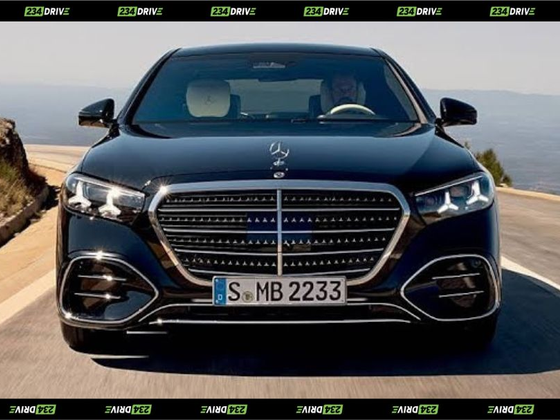
The Mercedes-Benz S-Class has historically served as the traditional flagship state car for presidents, vice presidents and visiting foreign dignitaries. The S600 Guard variants are factory-armoured fortresses engineered to blend ultimate luxury with top-tier ballistic protection. The vehicle preserves a standard exterior appearance, allowing the VIP to travel discreetly while relying on advanced armoured vehicle platforms to survive military-grade small arms fire.
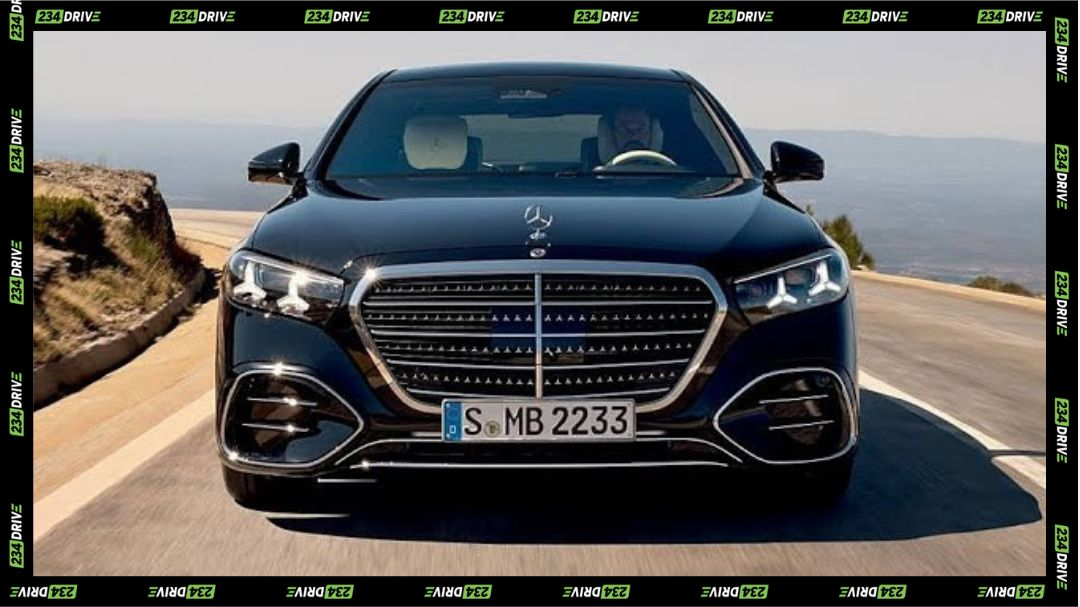
To counter emergency situations, the sedan utilises run-flat tyres that can maintain high speeds even after a complete puncture or direct attack. Powerful V8 or V12 engines provide the necessary torque to propel the heavy, armoured body out of danger zones quickly. Although the presidency has integrated larger SUVs into its primary fleet, the S-Class remains a symbol of diplomatic prestige and continues to serve in high-end official motorcades in Abuja.
3. Toyota Land Cruiser Prado
The Toyota Land Cruiser Prado is the most widely distributed mid-size SUV in the Nigerian governmental fleet. It is highly popular among state governors, commissioners and federal lawmakers, serving as both staff transport and tactical support. At the start of the 10th National Assembly (NASS), parliamentary managers procured the highly versatile Land Cruiser Prado in large numbers to facilitate official constituency operations across various states.
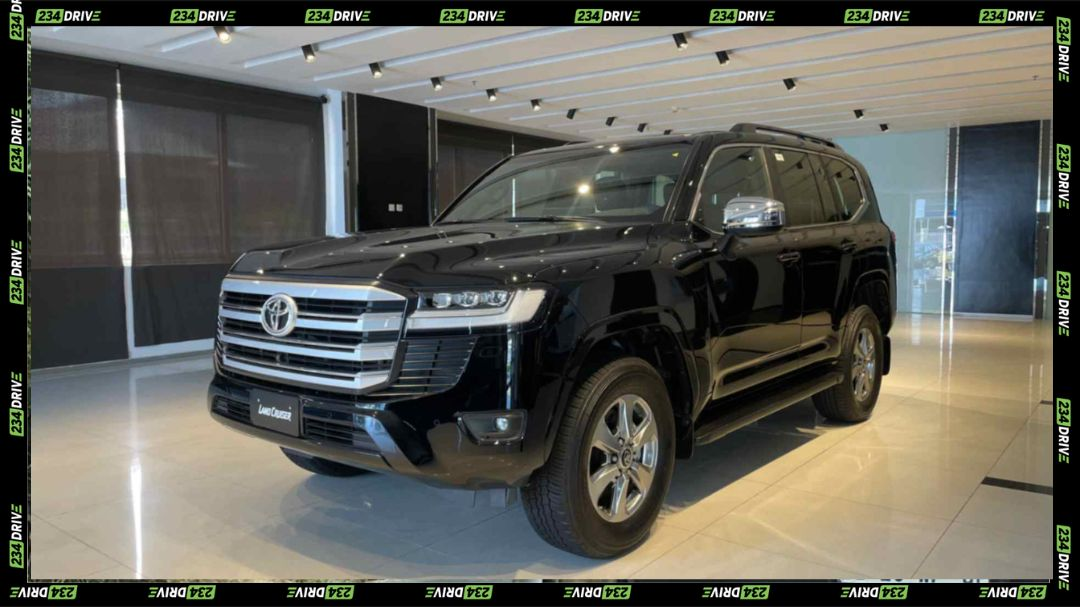
The Prado is highly valued for its mechanical simplicity, rugged four-wheel-drive capability and exceptional durability on poorly paved roads. Its suspension handles the physical strain of local terrain with minimal breakdowns, making it far more reliable than delicate European alternatives. Convoys frequently deploy multiple Prados to carry senior administrative staff, secondary security details and key regional officials behind the lead vehicles.
4. Toyota Hilux
The Toyota Hilux is the undisputed workhorse of security operations across all levels of government in Nigeria. It serves on the front lines of almost every official convoy, functioning as the primary lead, pilot and tactical escort vehicle. These pickups carry armed personnel from the police, military and SSS, who manage route clearance and active counter-assault duties.
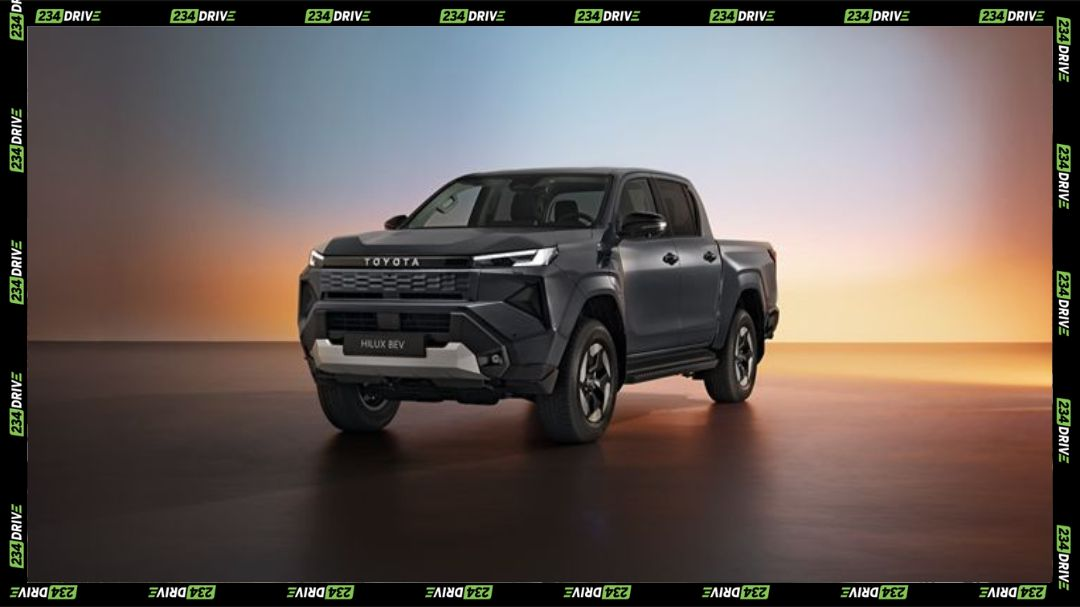
The pickup’s legendary reliability and simple mechanics allow it to endure extreme physical abuse without failing. SSS tactical units often modify these trucks with steel grilles, heavy-duty suspension and specialised communication gear to coordinate with the central command. Because spare parts are cheap and readily available in every Nigerian city, the Hilux remains the most cost-effective utility vehicle for maintaining the security perimeter of high-speed convoys.
5. Lexus LX and RX Models
The Lexus LX 600 and older LX 570 models have become the preferred choice for state governors who require executive luxury without sacrificing the rugged reliability of the Toyota platform. Governors in states like Nasarawa, Adamawa, Osun and Sokoto commonly deploy multiple Lexus SUVs as their primary transit vehicles. These luxury giants feature powerful twin-turbo V6 or V8 engines that deliver rapid acceleration despite carrying heavy protective armour.
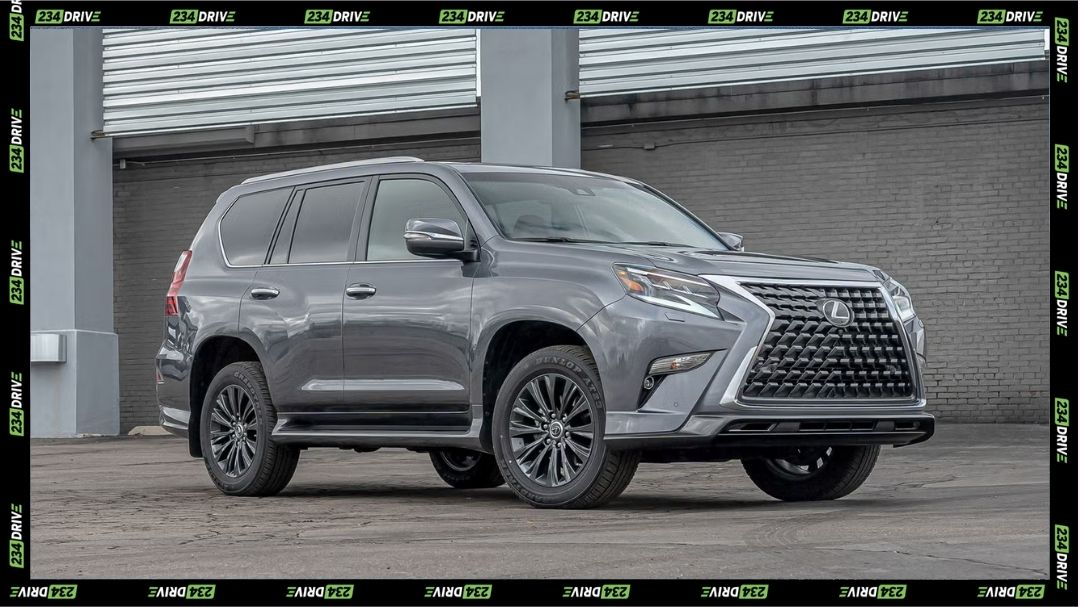
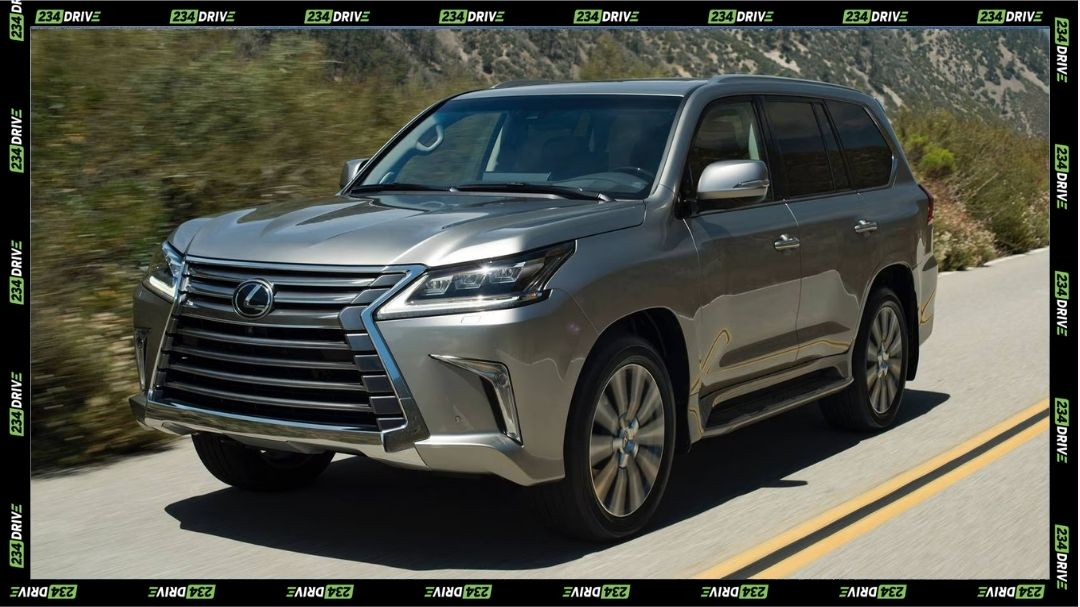
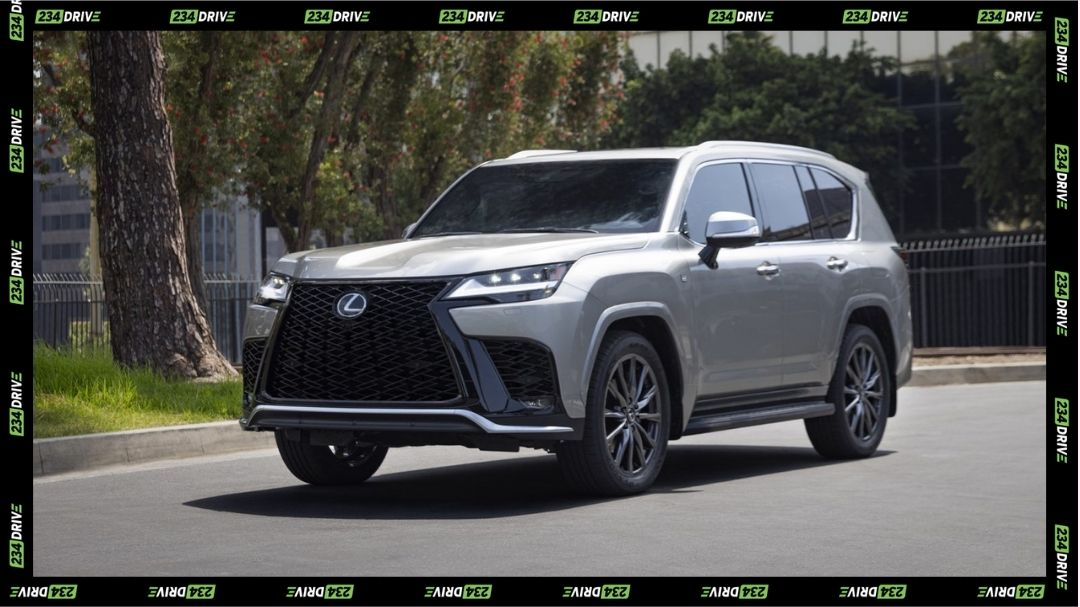
Lexus SUVs are highly valued for their active height control and advanced suspension systems, which allow them to glide over rough surfaces and navigate flooded streets during the rainy season. Many governors also utilise the mid-size Lexus RX 350 for key administrative staff and spouse escorts within their state capitals. By combining upscale passenger comfort with bulletproof reliability, these SUVs have successfully displaced traditional luxury sedans in regional gubernatorial fleets.
Operational Dynamics, Fuel Costs and Local Perceptions
Maintaining these massive rolling fortresses requires substantial logistical planning and financial resources. Fuelling a single high-profile convoy is a major expense, especially following recent fuel subsidy reforms that pushed petrol prices upwards. Standard support SUVs like the Toyota Prado and Lexus LX 600 feature fuel tank capacities ranging from 80 to 150 litres, meaning a single fill can cost between ₦90,000 and ₦170,000 per vehicle.
When multiplied across a presidential convoy of 30 vehicles or a gubernatorial fleet of 15 cars, the daily fuel bill constitutes a major public expenditure. This high operational cost frequently draws intense criticism from everyday Nigerians who are navigating economic challenges and rising transport fares. Public investigations often highlight how these exotic official convoys strain public resources, sparking heated national debates regarding fiscal prudence.
The Infrastructure Deficit and Vehicle Selection
Beyond the obvious security requirements, the choice of heavy-duty, high-clearance SUVs in official fleets is a direct response to Nigeria’s infrastructure deficit. The prevalence of deep potholes, sudden road failures and seasonal drainage collapses makes standard luxury sedans highly impractical for rapid transit outside city centres.
During an emergency evacuation, a low-slung sedan can easily get stuck on a damaged road edge, rendering the VIP vulnerable to attack. High-clearance four-wheel-drive vehicles like the Land Cruiser and Lexus LX ensure that the convoy can maintain its speed across any terrain, bypassing obstacles that would halt standard passenger cars. Until local road networks see significant structural upgrades, the armoured SUV will remain the dominant vehicle format for official transport.
The Verdict
The composition of Nigerian government convoys calls for a delicate balance between security necessity, mechanical durability and public perception. While the high costs and traffic disruptions associated with these motorcades remain a source of public frustration, the tactical requirements of protecting state officials make them an institutional reality.
By relying heavily on durable Japanese platforms like Toyota and Lexus for support, alongside heavily customised American armour like the Cadillac Escalade for the presidency, the State Security Service has built a highly resilient transit system. These vehicles are uniquely suited to survive the physical demands of local roads while providing a secure environment for the country’s top decision-makers.