
Step into any major car depot in Berger or Ladipo, and you will hear a familiar argument. A buyer stands before a clean Tokunbo Lexus ES 350, debating with an importer who insists the car is just a glorified Camry. This common debate raises a fundamental question for Nigerian car buyers: is Lexus owned by Toyota?
The short answer is yes. Lexus is the luxury division of Toyota Motor Corporation, operating as its premium vehicle arm. While many drivers in Lagos, Abuja and Port Harcourt treat them as entirely different entities, they are branches of the same automotive family tree.
Although Lexus shares Toyota’s legendary mechanical backbone, it is a distinctly engineered luxury division designed to offer Japanese hospitality—and understanding this relationship is key to making smart buying decisions in Nigeria’s secondary car market.
The Origin Story: Challenge the Best in the World
To understand how this relationship works, we must look back to 1983. Toyota was already known globally for making reliable, fuel-efficient and practical cars. However, the chairman at the time, Eiji Toyoda, wanted to challenge the dominant European luxury brands. He launched a secret project code-named Flagship One to build an elite sedan that would beat the best in the world.
This ambitious project led to the launch of the history of Lexus in 1989 with the flagship LS 400. The brand was initially focused on the North American market before expanding globally. Interestingly, the name Lexus is derived from ‘luxus’ (the Latin word for luxury) rather than the popular Nigerian myth that it is an acronym for ‘Luxury Export to the United States’.
Shared Platforms vs Unique Engineering
In the automotive world, keeping production costs low is vital. Therefore, Toyota and Lexus share several engineering platforms, assembly plants and engine designs. For example, when asking who makes Lexus vehicles, the answer is Toyota’s highly skilled assembly lines, which often manufacture sister models side by side.
You can see this platform-sharing strategy across their most popular lineups. The Lexus ES shares deep engineering roots with the Toyota Camry, the Lexus RX crossover relates to the Highlander, and the heavy-duty Lexus GX is the premium twin to the Toyota Land Cruiser Prado. Even the compact Lexus UX borrows structural elements from the Corolla Cross.
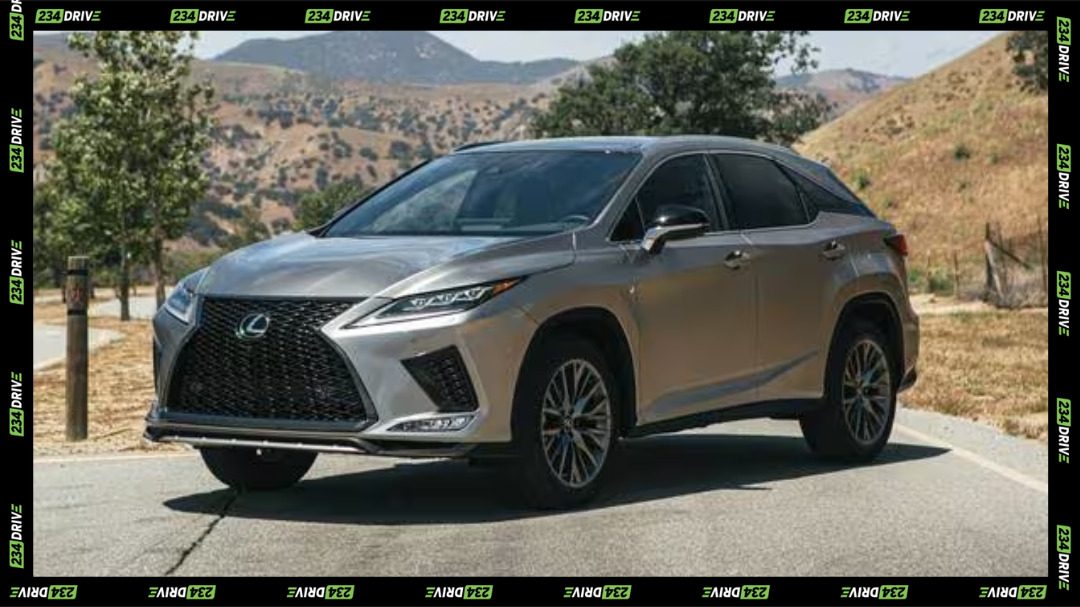
However, sharing a platform does not mean these cars are identical. Lexus vehicles feature superior noise insulation, high-grade leather, softer suspensions and advanced safety technologies. Toyota applies stricter quality standards and tighter tolerances in its premium factories, ensuring the official Lexus brand maintains its prestige over mass-market models.
Interestingly, the division was so focused on international luxury buyers that the Lexus brand did not exist in Japan until 2005. Before that year, Japanese buyers bought the LS 400 under the Toyota Celsior badge, and early versions of the RX were sold as the Toyota Harrier. This separation of identities allowed Toyota to protect the prestige of its luxury division.
The Nigerian Reality: Maintenance and Diagnostics
In Nigeria, local mechanics often tell customers that ‘Lexus and Toyota are the same thing’. While it is true that many engine parts are interchangeable—saving you over ₦100,000 during routine maintenance—their advanced electronic networks differ significantly. Treating a high-tech Lexus electrical fault with a basic roadside diagnostic centre approach can lead to expensive damage.
If your luxury crossover displays dashboard warnings, do not let an inexperienced technician clear the codes without a proper OBD-II scan. You can learn how to decode specific Toyota error codes to isolate sensor failures, as these electronic systems are closely related to Toyota’s diagnostic network. Addressing warning lights promptly will keep your luxury ride running smoothly.
Let us break down the direct differences between the two brands:
| Feature | Toyota | Lexus |
| Target Market | Mass-market, practical | Luxury, premium buyers |
| Materials | Hard plastics, durable fabric | Soft-touch leather, wood trim |
| Soundproofing | Standard road noise isolation | Triple-layer acoustic glass |
| Pricing | More affordable | High premium entry point |
The branding landscape changed dramatically in recent years. In 2025, Toyota elevated the long-standing Century nameplate into an independent ultra-luxury brand positioned above Lexus. While Lexus remains a massive driver of Lexus market value globally, it is no longer the absolute peak of the company’s luxury portfolio.
This multi-tiered strategy is proof that the corporate connection works beautifully. When asking if the luxury vehicle is same as Toyota under the skin, the answer is a nuanced yes. You are buying Toyota’s legendary reliability wrapped in world-class luxury and craftsmanship.
Ultimately, your choice depends on your budget and lifestyle. If you want a dependable, cost-effective daily driver to navigate our rough roads, a Toyota is unbeatable. But if you desire prestige, a quiet cabin and executive comfort without the high maintenance costs of German rivals, a Lexus is your best choice.
Are you currently debating between buying a Toyota and a Lexus for your next ride? Let us know your favourite models in the comments below!