
Picture a grey Tuesday morning in July on Lagos Island. A 2014 Toyota Corolla sits bonnet-deep in murky brown water along Ozumba Mbadiwe Avenue. The driver stands helplessly on the pavement, watching his engine drown while gridlock stretches for kilometres behind him.
This is not an isolated incident. Between 2024 and 2025, devastating floods swept through 35 states across the country. The waters displaced more than 1.2 million people, claimed roughly 1,000 lives and destroyed countless homes and businesses.
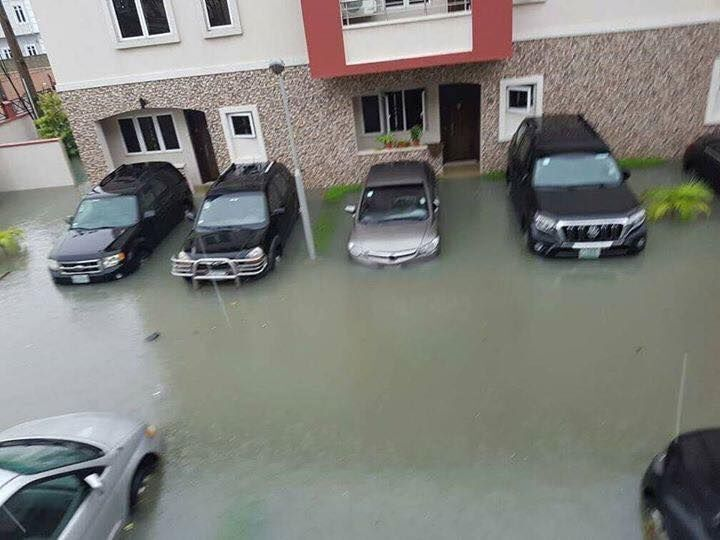
Yet when we discuss the causes of flooding in Nigeria, we rarely examine the severe toll it takes on everyday mobility. This is not just a climate crisis. It is a profound infrastructure failure where our vehicles are both the primary victims and silent contributors to the chaos.
The Anatomy of a Man-Made Crisis
Nigeria experiences intense torrential downpours during the rainy season, which runs from March to October depending on the region. Recently, climate change has introduced a phenomenon known as ‘precipitation whiplash’. This refers to abrupt shifts between extreme dry spells and massive, sudden rainfall that completely overwhelms our natural ecosystems.
Beyond the rain, river overflows and dam releases cause massive fluvial flooding. The 2025 Mokwa floods, triggered by water releases from dams like the Jebba Hydroelectric Power Station and the Lagdo Dam in neighbouring Cameroon, are a stark reminder of how vulnerable our inland and regional transport routes remain.
However, urban flooding in cities like Lagos and Port Harcourt is largely a man-made disaster. Poor waste management is the most visible culprit. Indiscriminate dumping of refuse and plastics into canals blocks vital waterways. When you combine flat topography and clayey soils that naturally resist water absorption with narrow, collapsing drainage systems, the result is rapid and destructive surface flooding.
Deforestation and unregulated urban expansion further compound the issue. Real estate developers frequently build on floodplains and natural riverbanks, erasing the environmental buffers that once absorbed excess rainwater.
When Vehicles Become Dams
It sounds counterintuitive, but vehicles actively contribute to the frequency and severity of urban floods. The rapid increase in vehicle ownership demands more roads, parking lots and transport hubs. These are constructed using concrete and asphalt—impermeable surfaces that seal off the soil. Instead of soaking into the ground naturally, rainwater becomes rapid surface runoff that overwhelms poorly maintained city drains.
Secondly, broken-down and abandoned vehicles create physical blockages. In congested cities, a stalled danfo left on the roadside quickly becomes a trap for debris. Plastic bottles, nylon bags and mud accumulate around the abandoned tyres. Within weeks, the vehicle acts as an artificial dam that alters the natural flow of water and forces runoff directly into streets and nearby properties.
Unregulated street parking further complicates the issue. When vehicles are parked indiscriminately over drainage channels, they prevent environmental workers from accessing and clearing the drains before the heavy rains begin. In many Nigerian cities, the sheer volume of stationary traffic indirectly hinders the structural maintenance required to keep floodwaters at bay.
Hydrolock and Heartbreak
While cars might indirectly worsen urban flooding, they absolutely bear the brunt of the immediate damage. Plunging a vehicle into deep water is an expensive and often fatal mistake for the machine.
The most catastrophic mechanical consequence is hydrolock. Internal combustion engines rely on air to function. When a driver forces a car through deep floodwaters, the air intake system sucks in water instead of oxygen. Because water cannot be compressed, the engine’s pistons slam into an immovable wall of liquid. This bends connecting rods, shatters engine blocks and instantly kills the vehicle.
Modern cars face another silent killer: electrical failure. Vehicles today are essentially rolling computers managed by highly sensitive Engine Control Units (ECUs). When floodwater—often highly corrosive and contaminated with sewage—seeps into wiring harnesses, sensors and cabin interiors, it causes immediate short circuits.
Even if the car survives the initial plunge, the moisture triggers long-term rust and electrical gremlins that render the vehicle chronically unreliable. A car that has sat in deep water is often considered ‘dead’ by industry standards, destined to be parted out in markets like Ladipo.
For mechanics, the rainy season is incredibly lucrative, bringing a windfall of engine rebuilds and electrical repairs. But for the everyday commuter already battling inflation and high fuel costs, a flooded engine is an economic disaster. Repairing a flooded modern vehicle can easily cost upwards of ₦800,000, wiping out months of savings in a single afternoon.
The True Cost of Moving
The impact of flooded roads extends far beyond individual repair bills. It paralyses the entire mobility economy.
When major arteries flood, traffic slows to a painful crawl. The Lagos State Traffic Management Authority (LASTMA) frequently battles gridlocks that stretch late into the night during the rainy season. The average commute time doubles or triples, stealing hours of productive life from the workforce.
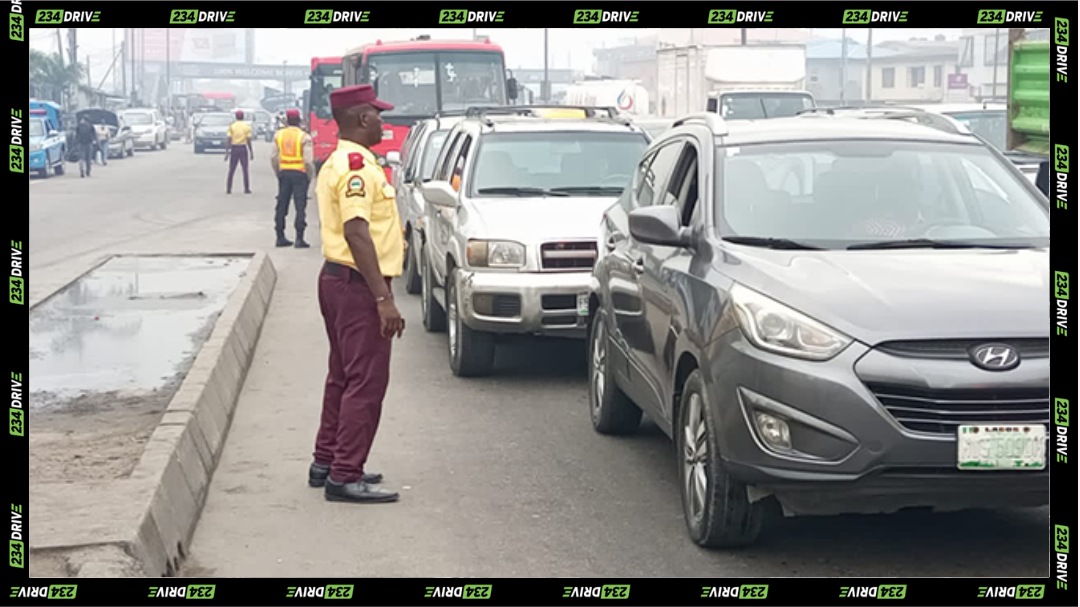
Public transport operators are forced to burn more expensive fuel while covering shorter distances. Members of the National Union of Road Transport Workers (NURTW) often lose entire days of wages when their routes become impassable. Ride-hailing drivers log off their apps to protect their vehicles, leaving commuters stranded at bus stops under torrential rain.
There is also a severe safety risk that cannot be ignored. Driving through moving floodwater is one of the leading causes of flood-related deaths in urban centres. It takes surprisingly little water to float a vehicle. Once the tyres lose contact with the tarmac, the driver becomes a passenger to the current. Vehicles can easily be swept into deep, unseen canals, transforming a frustrating daily commute into a desperate fight for survival.
Fixing How We Move
Solving the flooding crisis requires a massive shift in both government policy and personal behaviour.
At the institutional level, we need strict, uncompromising enforcement of urban planning laws. Building on floodplains and natural drainage paths must be halted and reversed where necessary. State governments must invest heavily in expanding and desilting drainage infrastructure long before the rainy season begins. Furthermore, accurate early warning systems from agencies like the Nigerian Meteorological Agency (NiMet) must be communicated clearly and proactively to transport unions, logistics fleets and everyday drivers.
For the individual driver, the rule is simple and non-negotiable: if you cannot see the road surface, do not drive through the water. It is always better to turn around and find an alternative route, or simply arrive late, than to destroy your vehicle or risk your life. Elevating parking spaces in flood-prone neighbourhoods and maintaining vital vehicle components like wipers, brakes and tyres are also crucial steps for surviving the season.
Flooding in Nigeria is a complex failure of climate, planning and infrastructure. Until we build cities that respect the natural flow of water, our roads will remain rivers and our cars will continue to pay the ultimate price.