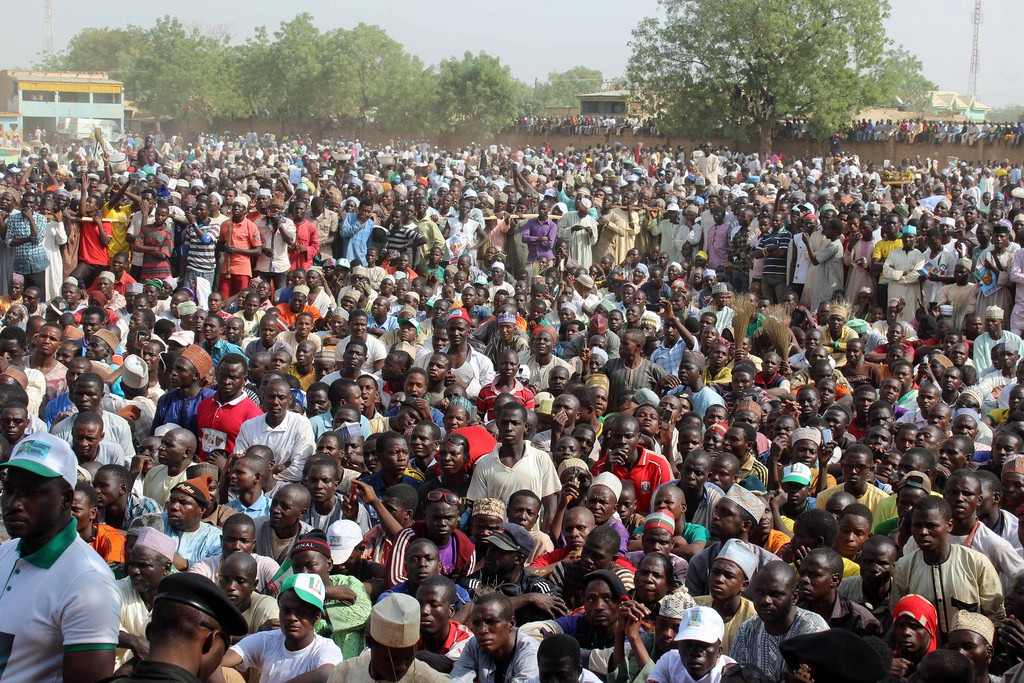
As Nigeria approaches the 2027 general elections, political parties are taking their campaigns across the country. Presidential candidates are travelling between states, governorship hopefuls are visiting local government areas and party structures are organising rallies, town halls and other public engagements. These activities require teams to coordinate buses, SUVs, trucks, aircraft, accommodation and fuel.
A nationwide campaign requires teams to move candidates, party officials, supporters, security personnel, media teams and campaign materials across different locations. For Nigeria’s transport industry, this creates demand for services from bus operators, car rental companies, private aviation firms, logistics providers and event production businesses.
The Independent National Electoral Commission (INEC) opened campaigns for presidential and National Assembly elections on August 19, 2026, and for governorship and State Assembly elections on September 9. Political parties have had several months of nationwide mobilisation before the presidential and National Assembly elections on January 16, 2027.
Private Jets and Helicopters at the Top of the Ticket
For presidential candidates and high-profile politicians, time is a major consideration. A candidate expected at engagements in different states within a short period cannot always depend on road transportation or scheduled commercial flights. Private aviation offers the flexibility to travel according to campaign schedules.
Candidates can charter aircraft to leave Abuja, attend an engagement in another state and travel elsewhere later in the day. They can also bring senior campaign officials, security personnel and aides. This flexibility comes at a significant cost. The Guardian reported private jet charter rates in Nigeria of approximately $5,000 to $7,000 per flight hour, depending on the aircraft and operating conditions. A four-to-six-hour trip could therefore cost between $30,000 and $42,000. These figures are estimates that sources reported, not fixed industry rates. Aircraft availability, positioning, waiting time and other operational requirements affect the final price.
The demand is already becoming visible as Senate President Godswill Akpabio recently complained that politicians struggled to secure enough private aircraft for campaign travel. His comments highlight the pressure election-related demand can place on Nigeria’s business aviation market.
Campaign teams must also coordinate ground transport at each destination. Aircraft can move a candidate between states quickly, but buses carrying supporters and trucks transporting equipment still face ordinary road conditions. Helicopters can help when road journeys prove difficult or candidates need to travel between nearby locations. Operators can use them only when suitable landing facilities, security and weather conditions allow.
The Buses Behind the Rallies
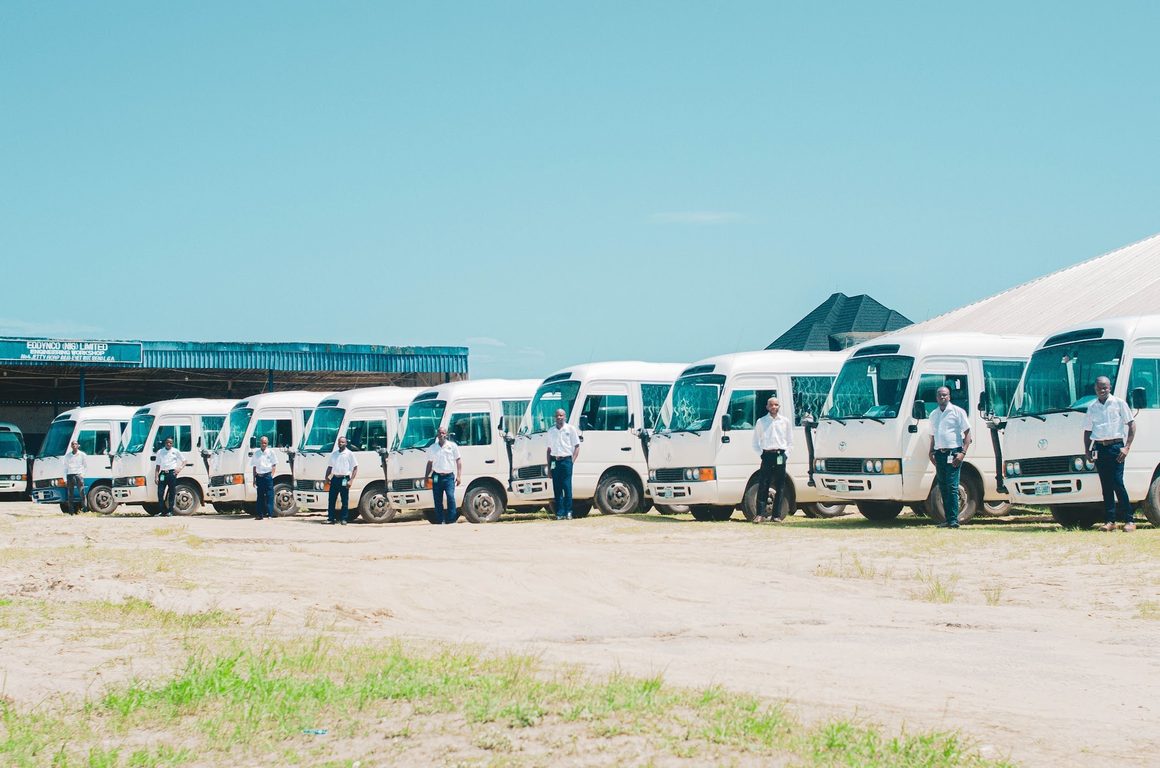
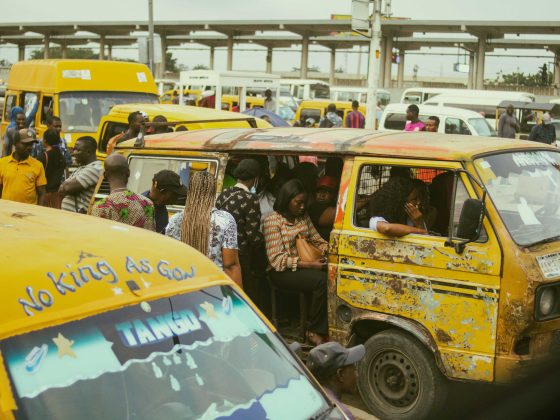
While private jets attract attention because of their cost, buses are among the most important vehicles in campaign operations. Large rallies require supporters to travel from different communities, local government areas and sometimes neighbouring states. Party members, youth groups, women’s groups and ward executives may need transport to a central venue. Campaign organisers therefore rely on buses and other road vehicles to bring people together.
Vehicles range from large coaches to coaster buses, minibuses and smaller commercial vehicles. Some parties hire private transport companies, while others use vehicles owned by party members, supporters or political associates. Operators may provide vehicles for a single rally, several days or an entire campaign tour. The agreement may include a driver and fuel in the hire fee, or require the campaign organisation to cover those expenses separately.
Campaign transportation rarely involves one event. A party may organise rallies in several locations within the same week, so organisers must coordinate pick-up points, travel distances, traffic, parking and schedules. Smaller buses and minibuses also carry campaign workers, volunteers and media personnel between offices and venues.
The Fiscal Policy Initiative’s campaign-spending methodology estimates that operators charge between ₦130,000 and ₦200,000 to hire a 14-to-18-seat bus for a day. These are indicative estimates rather than verified national market averages. Hiring several buses over multiple days can therefore become a considerable expense.
Convoys, SUVs and Support Vehicles
A candidate’s convoy usually includes SUVs, saloon cars, security vehicles and other support vehicles, depending on the candidate’s position and security requirements. Some campaigns maintain dedicated fleets, while others hire vehicles from rental companies and private owners. A dedicated fleet gives campaigns more control over availability, maintenance and scheduling. Last-minute rentals can become difficult when several candidates hold events in the same city.
Fuel and maintenance add to the cost. A convoy travelling across several states can consume significant quantities of petrol or diesel. Campaign teams also have to budget for servicing, tyre replacement, driver allowances and overnight accommodation for drivers.
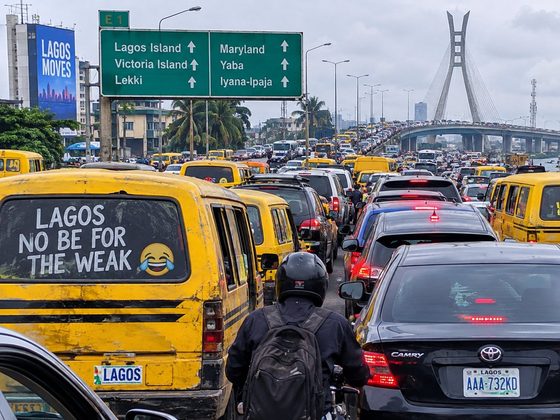
Traffic creates another complication, particularly in Lagos, Abuja, Kano and Port Harcourt. A journey that looks manageable on a map can take considerably longer during peak periods. Campaign managers must factor road conditions and travel times into their schedules. A candidate may travel quickly while the rest of the campaign moves more slowly. Supporter buses and equipment trucks still have to navigate ordinary road conditions.
Trucks, Rally Equipment and Campaign Materials
Political rallies also require event production. Before a candidate arrives, organisers must prepare the venue, install equipment and arrange the infrastructure needed to address a crowd. Trucks transport public address systems, speakers, microphones, generators, lighting equipment, stages, canopies, barriers and LED screens. Larger events may also require broadcast equipment and additional technical infrastructure.
Moreso, campaign teams distribute materials. They print, pack and transport posters, banners, T-shirts, caps, flags and other branded items to state and local campaign offices. Nationwide campaigns need a distribution network to move supplies from production centres to different locations.
Sound engineers, electricians and other technical workers may need to arrive hours before a rally. They must unload, assemble and test equipment before the event begins. Delays in transporting materials can disrupt the programme. Campaign organisations may hire event-production companies that own the required equipment or transport it from their own warehouses.
The Fiscal Policy Initiative estimates that a stadium or mass political rally can cost between ₦113 million and ₦512 million, depending on its scale and the assumptions used in its model. The estimate covers transportation, staging, sound, branded apparel, refreshments and publicity.
The Business Opportunity for Transport Operators
Election season creates opportunities for businesses across Nigeria’s transport and logistics sectors. Private aviation operators may receive more charter enquiries, bus companies may win supporter-transport contracts and car rental businesses may supply vehicles to candidates and officials.
Logistics companies, event producers, printers, fuel suppliers and accommodation providers may also win work lasting several days or weeks. However, the business comes with risks. Schedules can change at short notice, clients may delay payments and long-distance trips can heavily strain vehicles. Operators must ensure that agreed fees cover fuel, maintenance, driver costs and other expenses. Demand can also strain available resources. When several parties organise major rallies around the same period, they may compete for buses, rental vehicles, drivers and event equipment.
Campaign spending rules also hold weight. Under the Electoral Act 2026, presidential candidates face a campaign expenditure limit of ₦10 billion, while governorship candidates face a limit of ₦3 billion. These limits cover election expenses, including transportation, advertising, rallies and other campaign activities. How those expenses are recorded and reported remains important, particularly where vehicles or aircraft are provided through private arrangements or political associates.