The Abuja-Kaduna train service, managed by the Nigerian Railway Corporation (NRC), provides a safe and efficient travel option between the two cities, typically taking about 2-3 hours. Stretching approximately 180 kilometres, this standard-gauge rail line provides a critical link between the nation’s capital and Kaduna, a major industrial and educational hub. In 2026, the train remains the preferred choice for travellers seeking to avoid the high costs and safety risks associated with road travel, where private car hire or buses can cost significantly more.
As the NRC continues to modernise its fleet, this route has become a symbol of the country’s “Rail Renaissance.” This modernisation effort mirrors larger continental trends aimed at boosting regional trade and connectivity across Africa through enhanced rail infrastructure.
The Modern Abuja-Kaduna Rail Experience
Traveling by train from Abuja to Kaduna typically takes between 2 to 3 hours. Since its full resumption following security upgrades, the service has prioritised passenger safety and comfort. All coaches are fully air-conditioned, and the stations are equipped with modern amenities. However, the service is currently operating at a reduced frequency compared to previous years, which has led to high demand and the occasional challenge of overcrowding.
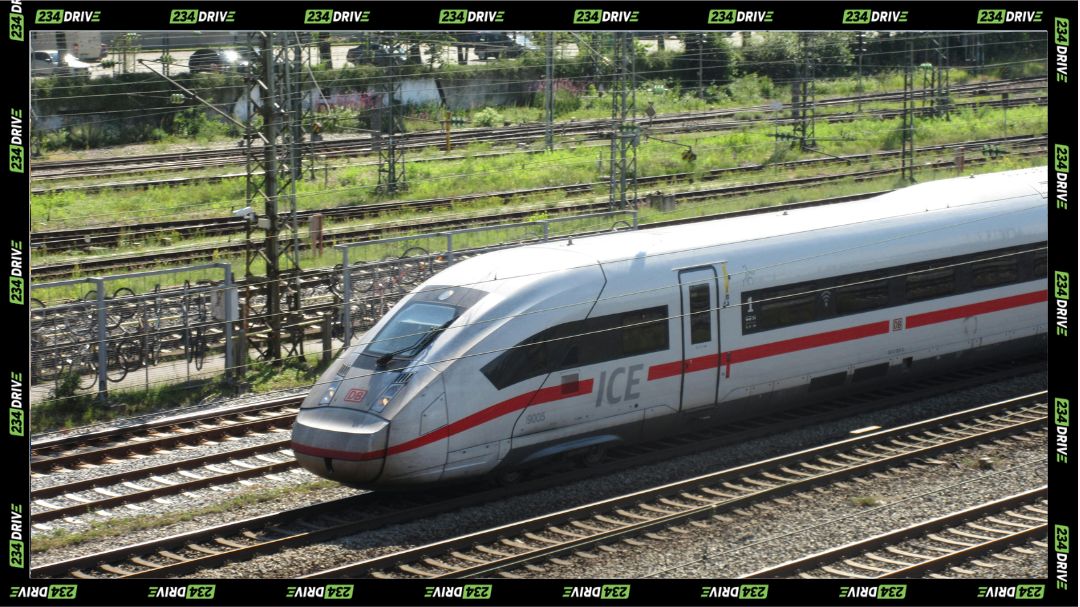
Despite these challenges, the rail culture in Nigeria is thriving. The sleek, modern coaches have even hosted unique events, such as record-breaking train weddings, showcasing that the railway is becoming more than just a transit system. It is a part of the nation’s social fabric.
How to Book Abuja to Kaduna Train Tickets Online
The NRC has moved toward a digital-first approach to manage the high volume of passengers. Booking online remains the most effective way, though travellers should be prepared for occasional technical glitches.
1. Access the E-Ticketing Portal
The official platform for this route is the NRC e-ticketing website. It is essential to use only the official site to avoid falling victim to ticket racketeers who often resell tickets at inflated prices.
2. Registration and the NIN Requirement
To book, you must register an account with your name, email, and phone number. A critical step for all Nigerian citizens is providing a valid National Identification Number (NIN). The system cross-references your NIN with your ticket for security purposes. If the name on your ID does not match the name on your ticket, you may be denied boarding.
3. Selecting Your Trip
Currently, the system only allows for one-way bookings. Select your departure (Abuja-Idu) and destination (Kaduna-Rigasa), choose your date, and search for available trains. Due to high demand, it is wise to book at least 48 to 72 hours in advance.
4. Payment and QR Codes
Payments are handled via integrated digital gateways. Once payment is confirmed, you will receive an e-ticket featuring a QR code. You can print this out or keep a digital copy on your smartphone to be scanned at the station turnstiles.
Alternative Booking Methods: TVMs and Counters
If you encounter issues with the online portal, you can visit the station and use the Ticket Vending Machines (TVMs). These are self-service kiosks that allow you to pay via cash or card and print your ticket on the spot. While ticket counters are still available, they often have long queues, and popular classes (like Business and First Class) frequently sell out early in the day.
Ticket Prices and Class Options (2026)
Fares for the Abuja-Kaduna route have seen recent adjustments to account for operational costs. As of early 2026, the pricing structure is as follows:
| Class Type | Estimated Fare (NGN) | Key Features |
| Economy (Standard) | ₦3,600 – ₦3,800 | 2×3 seating, air-conditioned, most affordable. |
| Business Class | ₦6,500 – ₦7,000 | 2×2 seating, extra legroom, quieter environment. |
| First/Executive Class | ₦13,000 | 2×1 seating, priority boarding, premium amenities. |
Note: Prices were temporarily discounted by 50% during the 2025 Yuletide season, but rates have since reverted to the standard fares mentioned above. Always check the official portal for real-time updates.
Major Stations and Terminal Locations
Understanding the geography of the stations is vital for a smooth trip, as they are often located outside the immediate city centers.
Abuja: Idu Railway Station
Located in the Idu Industrial Layout, the Idu Railway Station is the primary hub for the capital. It is situated near the Nnamdi Azikiwe International Airport. Because of its location, travellers usually require a taxi or ride-hailing service to reach the city center. This need for last-mile connectivity has fuelled the growth of the car hire industry in Nigeria, with many professional drivers specialising in station transfers.
Kaduna: Rigasa Railway Station
The Rigasa station serves as the gateway to Kaduna. It is located about 15 minutes from the city center. Like Idu, it is a modern facility with security checkpoints and basic passenger services.
Current Train Schedules and Punctuality
The NRC maintains a strict schedule, and punctuality is one of the service’s strongest points.
- Abuja to Kaduna: The standard morning departure is at 8:45 AM, arriving in Kaduna around 11:47 AM.
- Kaduna to Abuja: The return trip typically departs Rigasa at 2:30 PM, arriving back in Abuja by 5:32 PM.
Important Note on Schedule Adjustments:
Schedules are subject to change based on national events. Always check official channels for schedule adjustment info 24 hours before your trip. For instance, on 21 February , 2026, the morning departure was shifted to 7:30 AM due to local FCT elections.
Navigating Challenges: Overcrowding and Power
While the train is safer than the road, it is not without its hurdles. Due to the reduction in daily trips, some trains, especially those on weekends, can experience significant overcrowding. Recently, there have been reports regarding overcrowding and scams involving ticket reselling at certain terminals.
Additionally, some passengers have reported occasional power outages on board, which can affect the lighting and air conditioning. While the NRC works to maintain these modern coaches, it is always a good idea to carry a portable power bank and a hand fan just in case. Rail travel remains the best way to avoid the traffic congestion found in major African cities, but patience is still a virtue during peak periods.
Essential Travel Tips for the Abuja-Kaduna Route
- Arrive Early: You should aim to be at the station at least 60 to 90 minutes before your train departs. This allows enough time for the mandatory security screenings and identity verification.
- Avoid Racketeers: Never buy tickets from individuals loitering around the station gates. These tickets are often fake or registered in someone else’s name, which will cause issues during boarding.
- Carry Valid ID: You must have a physical or digital copy of your NIN slip, Voter’s Card, or International Passport.
- Dress for Comfort: While the AC is usually strong, the station waiting areas can get warm. Dressing in light, breathable layers is recommended.
- Food and Refreshments: While there is a snack service on board, the options are limited. It is wise to bring your own water and a light meal for the journey.
Why Choose the Abuja-Kaduna Train?
Despite the logistical hurdles of booking and occasional overcrowding, the Abuja-Kaduna train remains a cornerstone of modern Nigerian mobility. It offers a level of predictability and security that the road simply cannot match. By following the official booking protocols and planning your journey in advance, you can enjoy a seamless travel experience across the heart of Northern Nigeria.