
Source: Ludger Heide via Flickr
The recent comparison between Lagos and London’s bus networks recently generated a lot of discussion online, raising a simple question: how does Lagos actually compare with other major cities around the world? Cities with millions of residents have to move huge numbers of people every day, and buses often play a big role in making that happen.
Looking beyond the Lagos–London comparison opens up a wider conversation about how megacities structure their bus systems, how these buses are used, and how the number of buses available stacks up against the population that depends on them.
Different Roles for Buses Across Cities
While the fundamental use is the same everywhere, most megacities use their buses for different purposes depending on the city. In some places, they are the main way people get around as rail systems are limited or still growing. In other cities, buses mostly connect neighbourhoods to train stations or metro lines, acting as feeders into larger transport networks.
One way to compare cities on equal footing is by looking at how many people each bus effectively serves. That simple ratio can reveal how stretched—or well-supported—a city’s bus system might be.
Lagos in Perspective
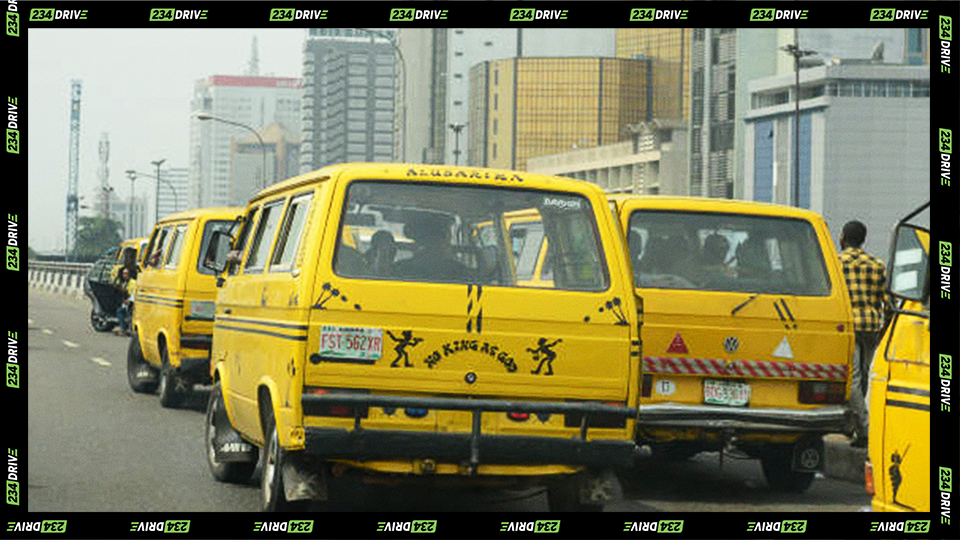
Lagos, Nigeria’s commercial capital, has an estimated population of about 17.8 million people according to World Population Review. The city’s formal Bus Rapid Transit (BRT) system currently operates around 434 buses under the Lagos Metropolitan Area Transport Authority (LAMATA), giving an average of 41,000 people per BRT bus.
That ratio helps explain why buses in Lagos often operate under intense pressure during peak hours. But Lagos is not the only city where buses carry a large share of daily commuting demand.
Cities with Population Pressures Similar to Lagos
Several megacities around the world face similar challenges and rely heavily on large bus fleets.
Jakarta, Indonesia, has a population of about 11.8 million people and operates around 5000 buses through the TransJakarta BRT system, which is currently the world’s longest BRT system. That works out to roughly 2,360 people per bus, far lower than Lagos’ ratio.
Mexico City also deals with enormous commuter demand. With a population of about 23 million people, the city runs approximately 7,000 buses across systems such as RTP and the Metrobús network. That translates to roughly 3,300 people per bus.
São Paulo, Brazil, operates one of the largest municipal bus fleets in the world. The city has around 23.2 million residents and roughly 12,000 buses under the SPTrans system. That means São Paulo averages about 1,900 people per bus, showing how a larger fleet can distribute demand more evenly across the city.
Tokyo metropolitan area, covering approximately 13,452 square kilometres, is one of the largest urban regions in the world. The Japanese metropolis has around 37 million residents, served by roughly 8,000–9,000 buses. This gives an of about 4,100 people per bus, a sufficient support to the city’s rail system.
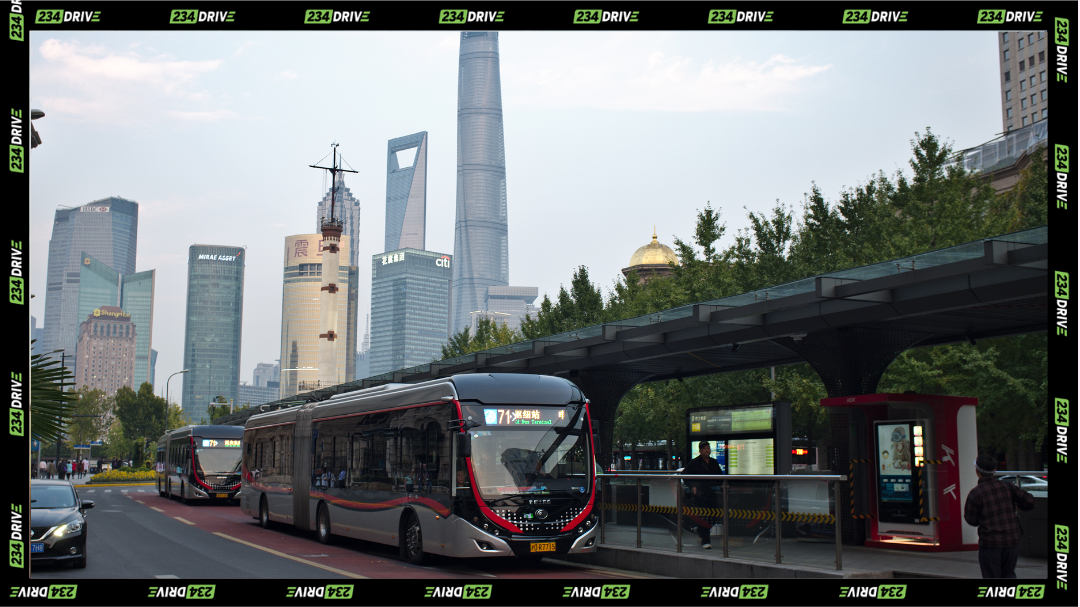
Shanghai is another massive Asian megacity. The Chinese city has around 31 million residents and covers 6,340 square kilometres. Its public transport system operates around 17,000 buses, averaging out to 1,830 people per bus.
Cleaner Commuting
These numbers show how expanding bus fleets can help megacities cope with population pressure. Cities such as São Paulo, Singapore and Mexico City operate large bus fleets to spread commuter demand across thousands of vehicles.
At the same time, many of these systems are shifting away from traditional combustion buses. Mexico City, for instance, recently added 26 new electric buses to its Metrobús network as part of its wider electric-mobility push. Tokyo’s Toei Bus system, operated by the Tokyo Metropolitan Government, is also expanding its decarbonisation efforts, adding hydrogen fuel-cell buses and other low-emission vehicles as it works toward cleaner urban transport.
As urban populations continue to grow, buses will remain a crucial part of how megacities move people. The question many cities now face is not just how many buses are needed but what kind of buses and how they will carry the next generation of commuters.