
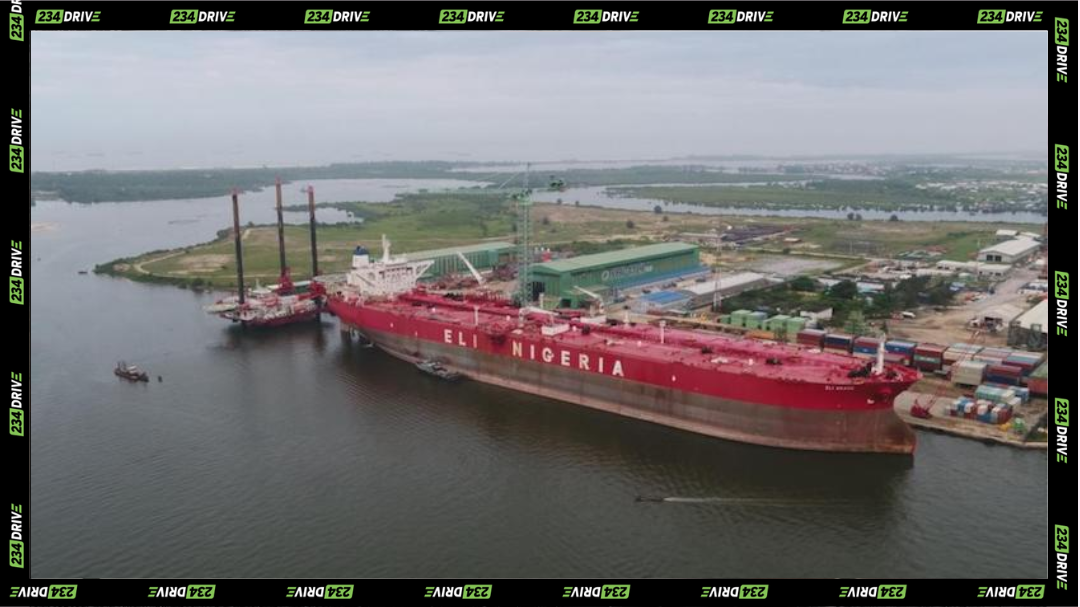
A fuel tanker at port, part of the steady flow keeping energy moving across markets. | Source: Thisdaylive
Five fuel tankers showed up in Lagos within two days, bringing in petrol and diesel through Apapa and Tin Can Island. Altogether, about 95,000 metric tonnes of fuel came in. It’s a quick boost to supply at a time when people are watching both availability and prices closely.
More Fuel Comes In, But Prices Still Depend On More Than Supply
Between 27 and 29 March , vessels discharged across different terminals in Apapa and Tin Can. Some carried petrol, others diesel, spreading supply across key depots.
This kind of inflow helps ease immediate pressure, especially in Lagos where tight supply can quickly lead to queues or sudden price jumps. More fuel in means fewer shortages in the short term, and it gives marketers room to keep stations running.
But supply alone doesn’t set the final price. Landing costs, exchange rates and how fuel moves across the country still play a big role. So while this arrival is expected to help stabilise things, it doesn’t automatically mean pump prices will drop right away.
Global Oil Prices Climb, And Nigeria Feels It
At the same time, global oil prices have climbed to around $105 per barrel as tensions involving the U.S-Israel-Iran conflict continue to affect supply routes. That pressure is being felt across multiple countries, especially those that rely on imported refined fuel.
For Nigeria, it’s a double edged situation. Higher crude prices bring in more revenue for the government, but they also push up the cost of petrol locally unto the citizens.
You can already see the effect. Transport costs are rising, and that feeds into the price of everyday goods. In Abuja, some women are now using their private cars for informal taxi services just to keep up with fuel and other expenses.
The bigger issue is exposure. As long as Nigeria depends on global supply and private chains for a large share of its fuel, local prices will keep reacting to what happens outside and will remain out of the country of the government. That’s why there’s growing pressure to strengthen local refining and reduce exposure to global shocks. At the same time, attention is shifting toward the Dangote Refinery, which supplies a large share of Nigeria’s petrol, with other African countries now looking to establish supply routes from Dangote as they adjust to ongoing market pressure.