
Nigerian roads launch an endless assault of laterite dust, floodwater and jagged asphalt at every moving vehicle. The primary line of defence against this daily mechanical violence is not the front bumper, but your car fenders. In a mobility ecosystem dominated by high-mileage Tokunbo vehicles and extreme seasonal weather, the fender of a car is far more than an aesthetic body panel. It is a critical structural shield.
Ignoring fender damage in cities like Lagos, Port Harcourt or Kano guarantees rapid rust formation, compromised undercarriage integrity and a plummeting resale value. Understanding exactly how this component functions, the materials used to build it and the true cost of local repairs is essential for any driver navigating the Nigerian commute.
Defining the Shield: What Are Car Fenders?
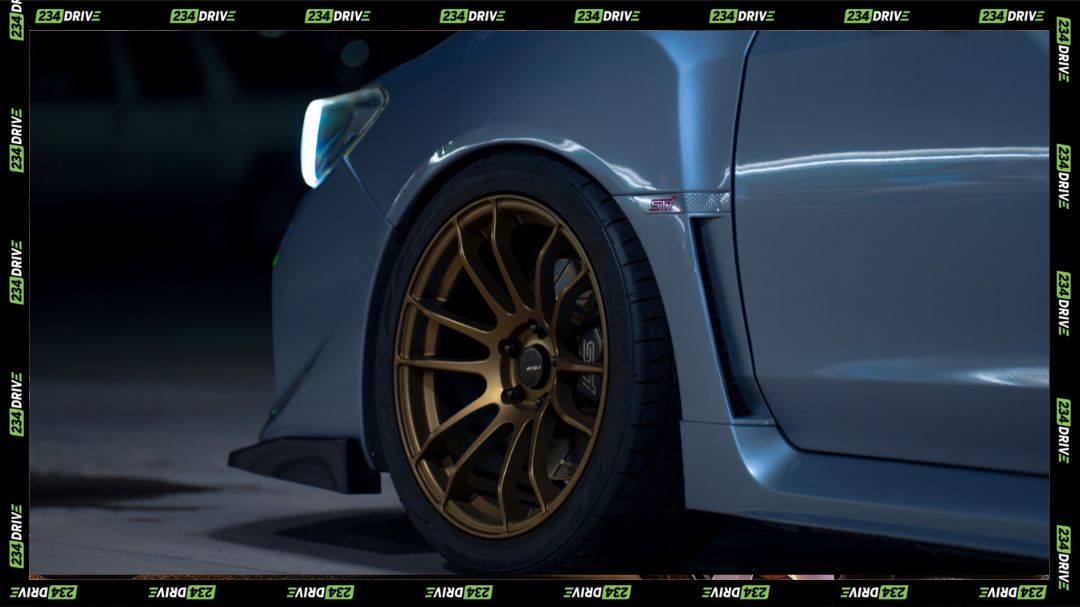
There is frequent confusion among drivers regarding automotive body terminology. The fender of a car—often referred to as a ‘wing’ in British English and widely called a ‘panel’ in local auto markets like Ladipo—is the curved outer body section that frames and partially covers the wheel well.
Most modern passenger vehicles feature four fenders: two at the front and two at the rear (though the rear sections are technically classified as quarter panels in structural repair language). A comprehensive look at the definition and mechanics of a car fender reveals that its primary engineering purpose is to block the spray of mud, sand, water and stones thrown upward by the rapidly rotating tyres.
This is distinctly different from the bumper. The bumper is mounted at the extreme front and rear of the vehicle and is engineered specifically to absorb collision energy. Car fenders serve multiple purposes, including offering minimal impact absorption, improving aerodynamics and preventing road debris from sandblasting the vehicle’s paintwork, undercarriage and passing pedestrians. Additionally, it houses the inner fender liner. This internal plastic or rubber shield is the final barrier stopping floodwater and corrosive grit from entering the engine bay. A torn liner during the Lagos rainy season is a fast track to electrical failure.
Materials and the Climate Threat
Automotive manufacturers balance strength, weight and repairability when selecting materials for car fenders. The specific material dictates how the panel reacts to the Nigerian climate.
- Steel: The most common material for older and mainstream Tokunbo vehicles. It is highly durable, inexpensive to manufacture and easy for local panel beaters to manipulate. However, it is heavy and highly susceptible to rust. Once a deep scratch exposes bare steel to the humid coastal air of Lagos, oxidation begins almost immediately.
- Aluminium: Utilised in newer or luxury models to reduce vehicle weight and improve fuel efficiency. Aluminium resists corrosion far better than steel but is notoriously difficult and expensive to repair. Many local workshops lack the specialised tools required to pull dents from aluminium panels.
- Thermoplastics (Plastic): Flexible, lightweight and entirely rust-proof. Many popular models from Toyota, Honda and Hyundai utilise plastic front fenders. While they easily absorb minor parking lot bumps, extreme tropical heat can occasionally cause low-quality aftermarket replacements to warp.
- Fibreglass and Carbon Fibre: Generally restricted to aftermarket body kits, high-performance tuning or exotic vehicles. They offer extreme weight savings but will crack or shatter upon impact rather than denting.
The Reality of Panel Beating in Nigeria
Dense gridlock, the ubiquity of okadas weaving through traffic and tight unpaved parking spaces make ‘fender benders’ an unavoidable reality of Nigerian driving. Consequently, panel beating is a massive, highly skilled local trade.
However, the quality of the repair dictates the lifespan of the panel. Engaging with expert panel beating in Lagos requires finding workshops that understand precise colour matching and panel alignment. A poorly repaired fender where the gaps between the bonnet, headlights and doors are uneven will drastically reduce a vehicle’s resale value in the competitive Tokunbo market.
The financial breakdown for mid-2026 reveals a broad spectrum of repair costs based on the severity of the damage and the quality of the workshop:
- Minor Dents and Scratches: Basic dent pulling, application of body filler and a localized paint touch-up typically ranges from ₦20,000 to ₦50,000 per panel.
- Full Panel Restoration: Extensive bodywork requiring deep structural realignment and a complete panel respray costs between ₦80,000 and ₦150,000. Reviewing comprehensive automotive bodywork and paint restoration procedures highlights that failing to use high-quality primer and clear coat during this stage guarantees the paint will peel within a year.
- Major Multi-Panel Collisions: If an impact damages the front bumper, the headlight assembly and the fender simultaneously, repair bills easily scale from ₦200,000 to over ₦500,000.
Replacement Logistics: The Tokunbo Advantage
When a steel fender is crushed beyond the limits of safe panel beating or a plastic fender is shattered, outright replacement is the only logical choice. Because front fenders are typically bolted onto the chassis rather than welded, replacement is a straightforward mechanical process.
The Nigerian aftermarket, spearheaded by the sprawling Ladipo market in Lagos and numerous online auto-parts vendors, offers highly liquid access to replacement panels.
Sourcing a clean, foreign-used (Tokunbo) fender is the most cost-effective route. For ubiquitous models like the 2008 to 2014 Toyota Corolla, Camry or Honda Accord, a used fender typically commands between ₦8,000 and ₦60,000 depending on the exact year and condition. Buyers must inspect these panels rigorously for hidden rust on the inner lips or evidence of previous repairs.
Brand new aftermarket or Original Equipment Manufacturer (OEM) fenders demand a significant premium. A pristine new panel for a modern crossover or luxury sedan ranges from ₦60,000 to well over ₦150,000. It is critical to remember that replacement parts are sold bare; the cost of professional painting and installation labour must be factored into your total budget.
Defensive Strategies for Vehicle Owners
Treating fender damage is reactionary. Protecting the vehicle’s bodywork requires proactive habits adapted to the Nigerian environment.
The most effective defence against rust is aggressive cleanliness. During the rainy season, mud packs tightly into the inner lip of the wheel arch. This mud holds moisture directly against the metal for days. Drivers must actively pressure-wash the underside of the wheel arches to dislodge this trapped dirt.
Furthermore, paint chips must be sealed immediately. A flying stone on the Lagos-Ibadan expressway can easily chip the clear coat and expose the primer. In high humidity, this tiny vulnerability expands rapidly. Applying a simple colour-matched touch-up pen seals the wound and halts oxidation before it requires a ₦50,000 panel beating intervention.
Finally, drivers must routinely inspect their inner fender liners. These cheap plastic shields are the unsung heroes of the engine bay. If a pothole strike rips the liner, it must be replaced immediately. Allowing water to spray directly from the tyre onto the alternator or air intake is an expensive, easily avoidable mechanical error.
In the Nigerian mobility ecosystem, a clean, undamaged exterior is a highly liquid asset. Maintaining your car fenders is not an exercise in vanity; it is a direct investment in the structural lifespan and economic value of your vehicle.