
Over the last two years, Nigeria’s dependence on imported vehicles, transport equipment and auto parts has deepened, with spending rising from ₦3.15 trillion in 2023 to ₦6.54 trillion in 2025.
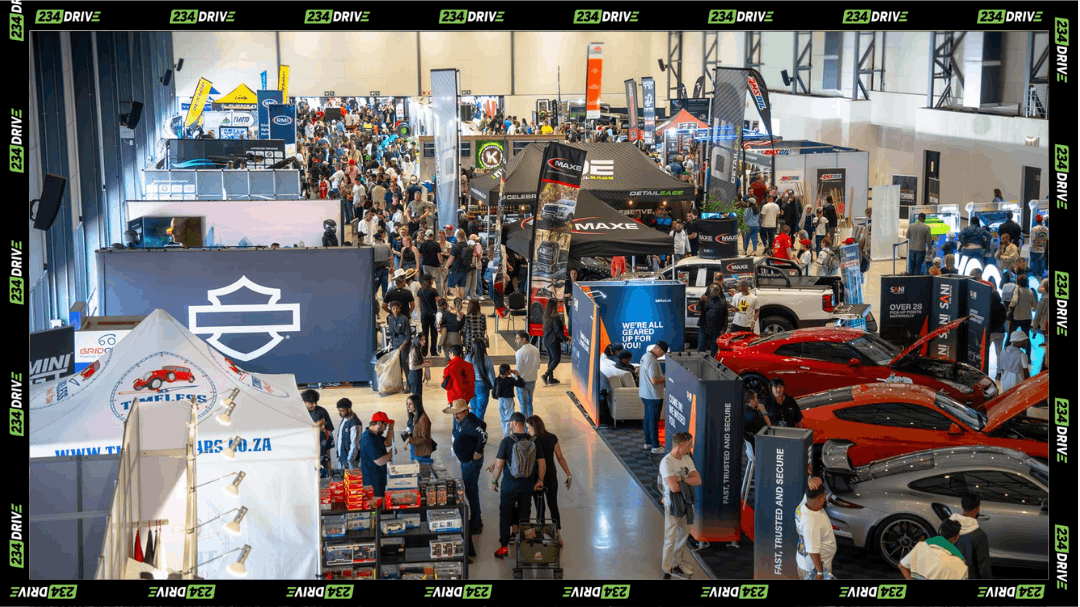
The Director-General of the National Automotive Design and Development Council (NADDC), Oluwemimo Osanipin, disclosed this at the West African Automotive Summit (WAAS) which ran from 12th-14th of May, in Lagos, where he linked the growing import bill to weak local capacity, poor after-sales support and low confidence in locally assembled vehicles.
NADDC Pushes For Stronger After-Sales Support
Osanipin remarked that the figure shows how much Nigeria still depends on imported vehicles, spare parts and other transport-related equipment.
Citing data from the National Bureau of Statistics (NBS), he revealed that Nigerians spent more than ₦4.3 trillion on vehicle imports within the same period. Total imports of transport equipment and parts also rose from ₦3.15 trillion in 2023 to ₦6.54 trillion in 2025, marking a 107% increase in two years.
Speaking on the summit theme, ‘After-Sales as a Growth Engine’, Osanipin said Nigeria’s auto industry cannot grow through vehicle sales alone. He said buyers also need access to proper maintenance, genuine spare parts, technical support and clear warranties.
According to him, weak after-sales service affects customer trust and discourages investment in the sector. However, better support systems would make buyers more comfortable with locally assembled vehicles and help companies build stronger customer relationships.
Osanipin also called for more training for technicians and service workers, especially as electric and hybrid vehicles gradually enter the Nigerian market. He shared that NADDC is working with stakeholders on skills acquisition, technical training and policy efforts to improve standards across the industry.